Spatial awareness Worksheets for 7-Year-Olds - Page 2
30 filtered results
-
From - To
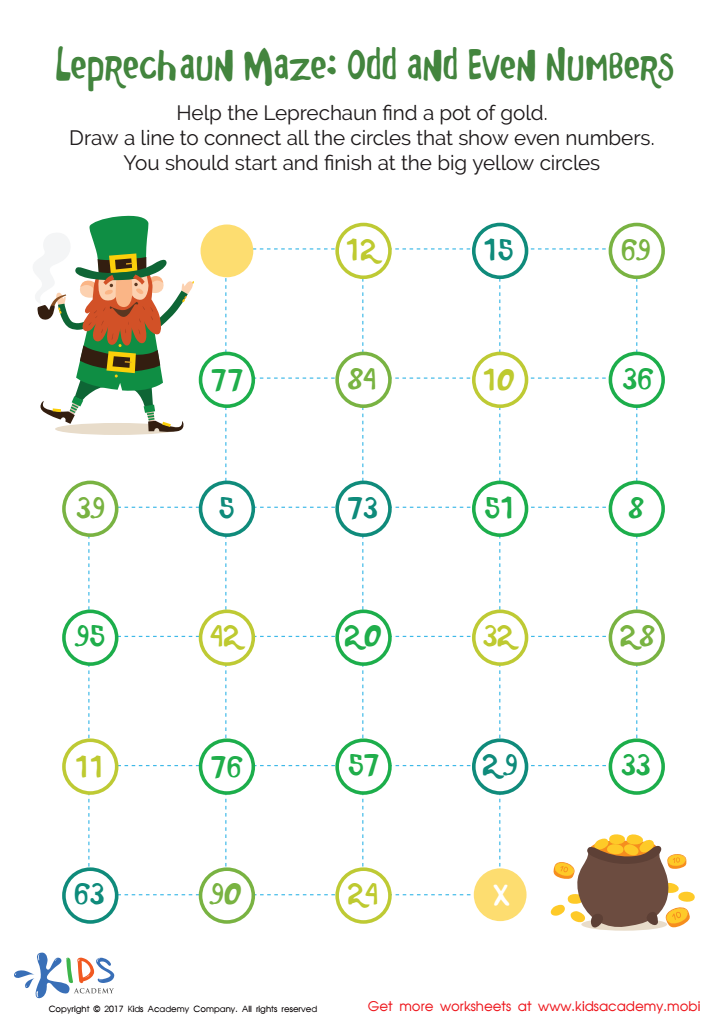
Leprechaun Maze Printable
 Assign to My Students
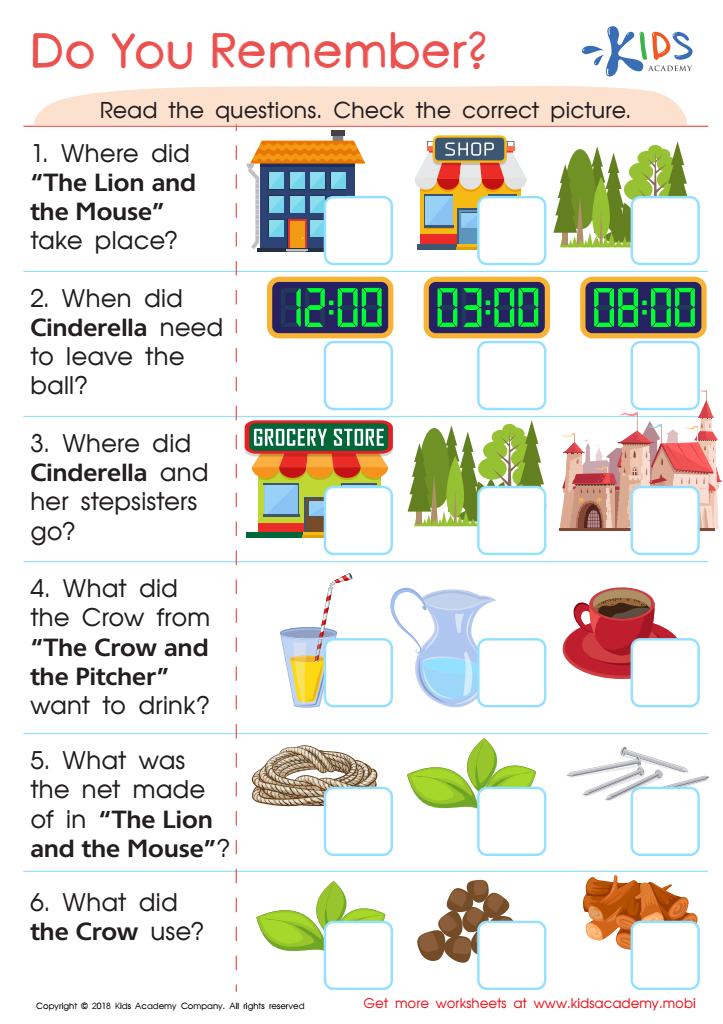
Do You Remember? Worksheet
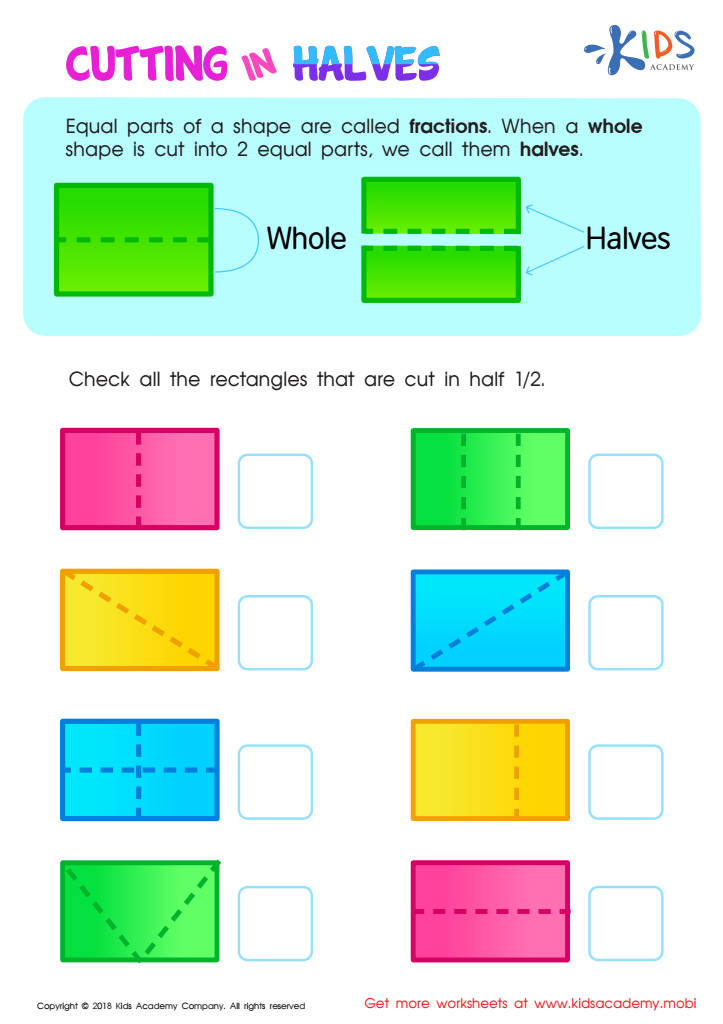
Cutting in Halves Worksheet
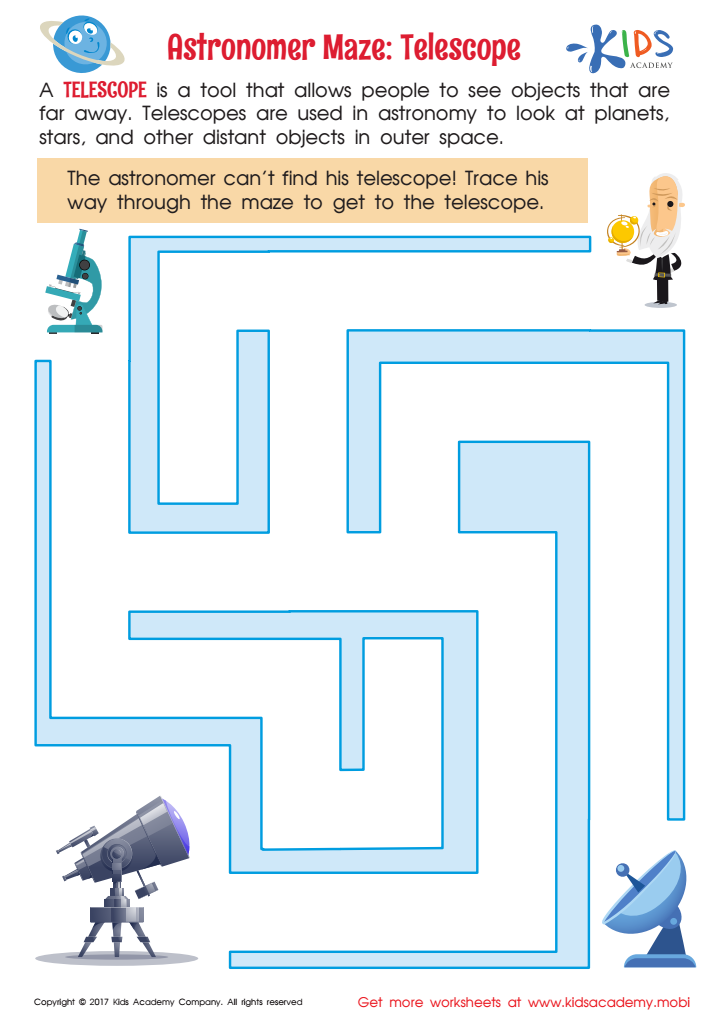
Astronomer Maze: Telescope Worksheet




.jpg)
Spatial awareness is the understanding of how objects and oneself exist and move in relation to space and other objects. For 7-year-olds, developing this skill is crucial for several reasons. Firstly, it aids in gross motor skills, aiding activities like running, jumping, and playing sports. For example, understanding spatial relationships helps children judge distances and avoid collisions during play.
Academically, spatial awareness is foundational in subjects like math and science. Concepts such as geometry, which involves understanding shapes and their properties, and understanding maps or diagrams hinge on spatial awareness. Moreover, studies have shown a correlation between strong spatial skills and improved math abilities.
In everyday activities, spatial skills are equally significant. Simple tasks like packing a bag, setting a table, or organizing a workspace require an understanding of how objects relate to each other in space. Furthermore, spatial awareness improves safety, helping kids navigate their environment and avoid hazards, such as crossing the street or riding a bike.
Finally, social development is influenced by this skill. It helps children understand personal space, making social interactions smoother and less prone to misunderstandings. Hence, fostering spatial awareness in 7-year-olds sets a holistic foundation for physical activities, academic success, daily functioning, and social interactions.








