Understanding communities Worksheets for 7-Year-Olds
3 filtered results
-
From - To
Explore our "Understanding Communities Worksheets" designed specifically for 7-year-olds, perfect for helping young learners grasp the concept of communities. These engaging worksheets encourage children to identify different community roles, understand the importance of teamwork, and recognize local resources. Each activity is crafted to promote critical thinking and creativity, allowing students to explore the diverse aspects of their surroundings. Simplified visuals and relatable scenarios make learning fun and accessible. Ideal for classroom settings or at-home learning, these worksheets foster appreciation for the community and encourage kids to become active, informed citizens. Empower your child’s understanding of their world today!
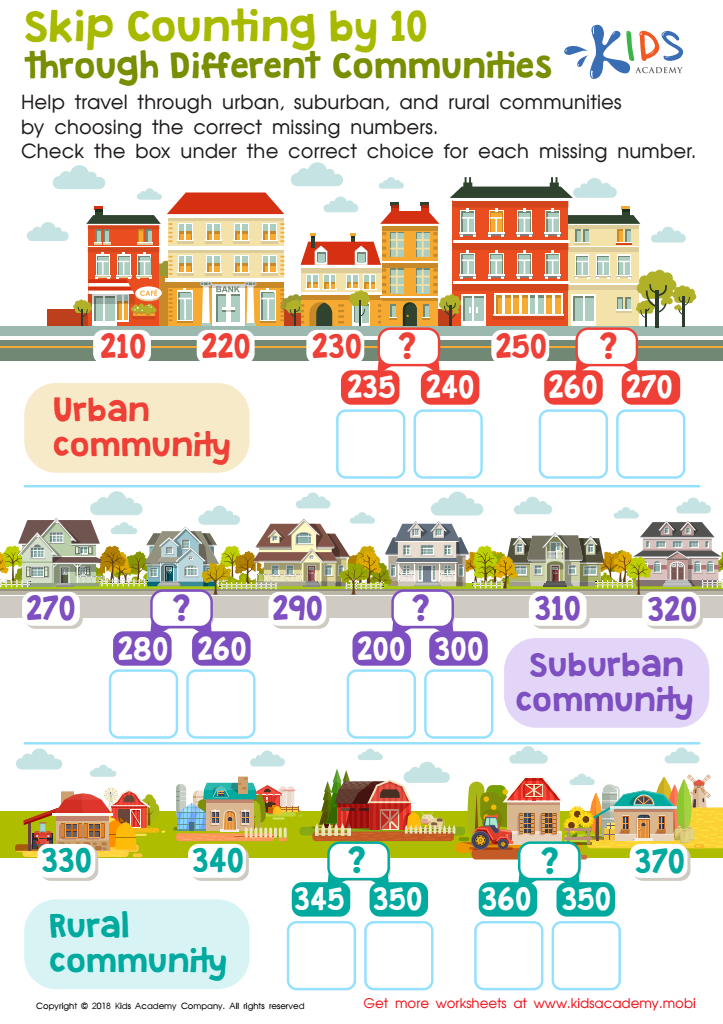
Skip Counting by 10 through Different Communities Worksheet
 Assign to My Students
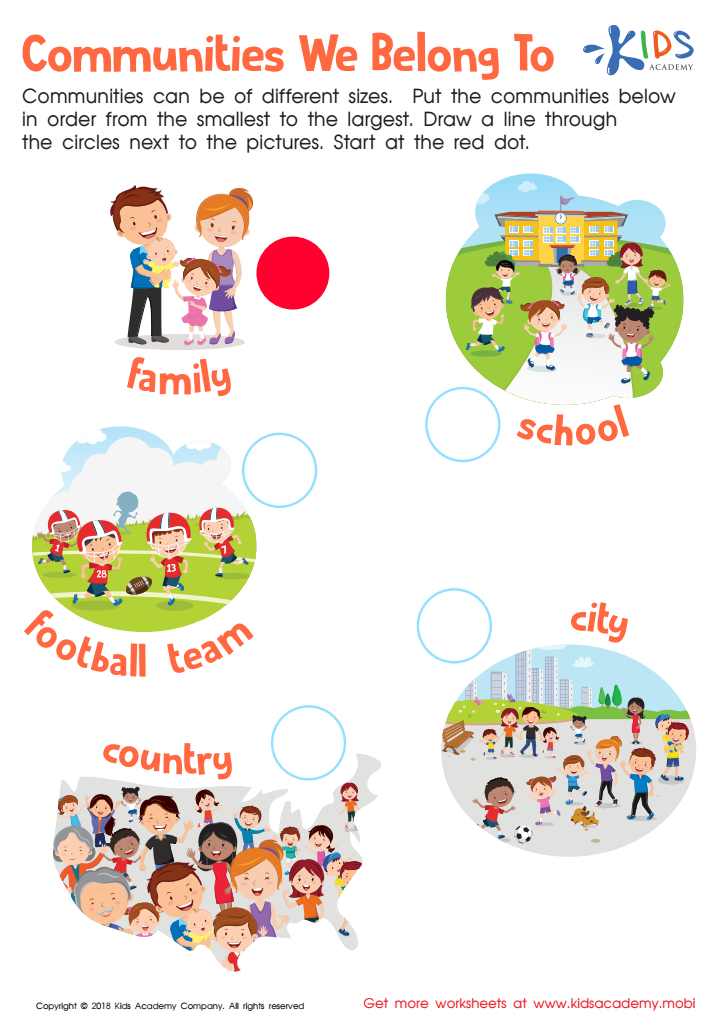
Communities We Belong to Worksheet
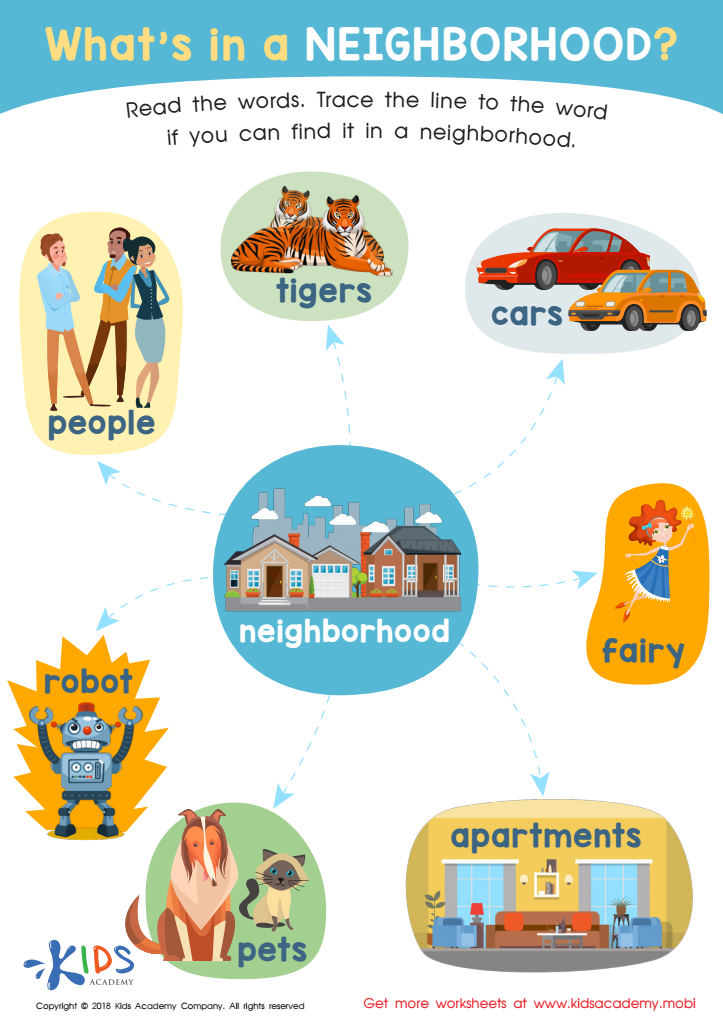
What's in a Neighborhood? Worksheet





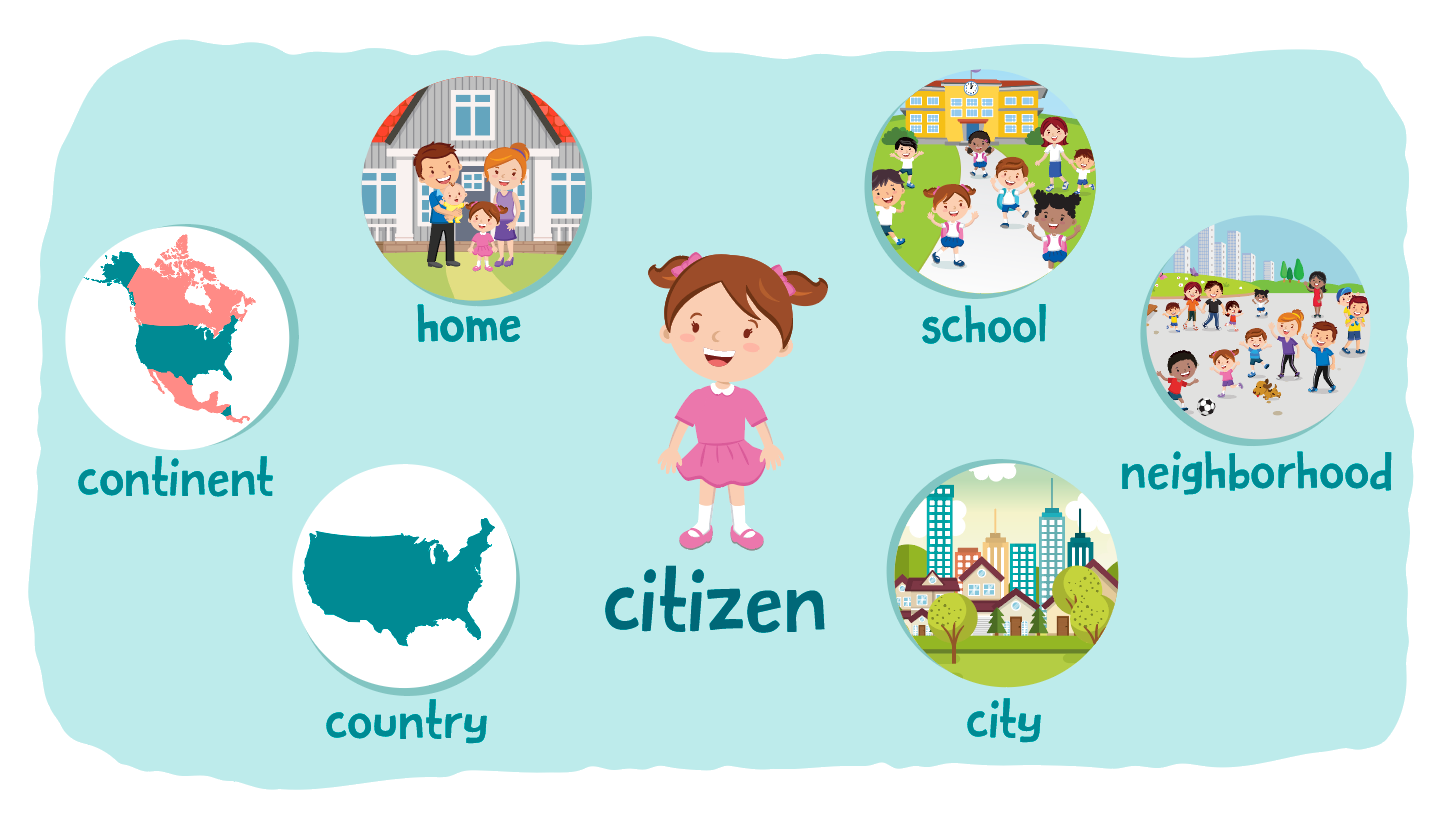
.jpg)
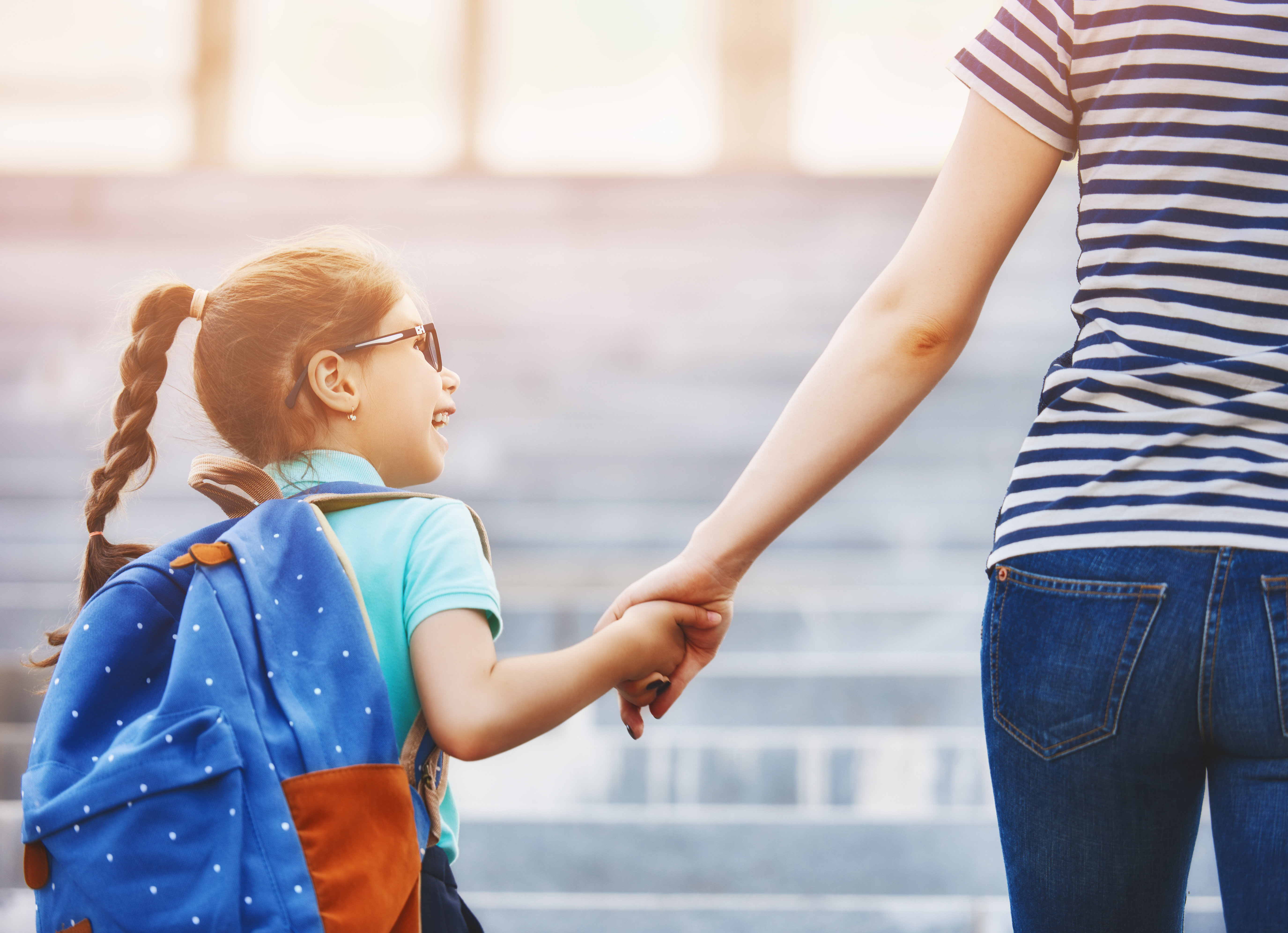
Understanding communities is vital for 7-year-olds as it lays the foundation for their social, emotional, and cognitive development. At this age, children start to explore their environment beyond home and family. By fostering an understanding of their community, parents and teachers can enhance a child's empathy, cultural awareness, and sense of belonging.
When children learn about different community roles, such as firefighters, teachers, and health workers, they gain insights into teamwork and civic responsibility. This knowledge equips them with the skills to navigate social relationships and encourages respect for diverse backgrounds and perspectives.
Moreover, engaging with communities fosters critical thinking and problem-solving skills. Children who understand their community are more likely to recognize issues, such as environmental challenges or social injustices, and feel empowered to contribute to solutions.
In addition to cognitive benefits, community involvement promotes emotional well-being. Children develop a support network and learn the value of collaboration and helping others.
Overall, by prioritizing understanding communities, parents and teachers nurture informed, compassionate, and socially responsible individuals who are prepared to thrive in a diverse world.








