Vocabulary development Worksheets for 7-Year-Olds - Page 2
35 filtered results
-
From - To
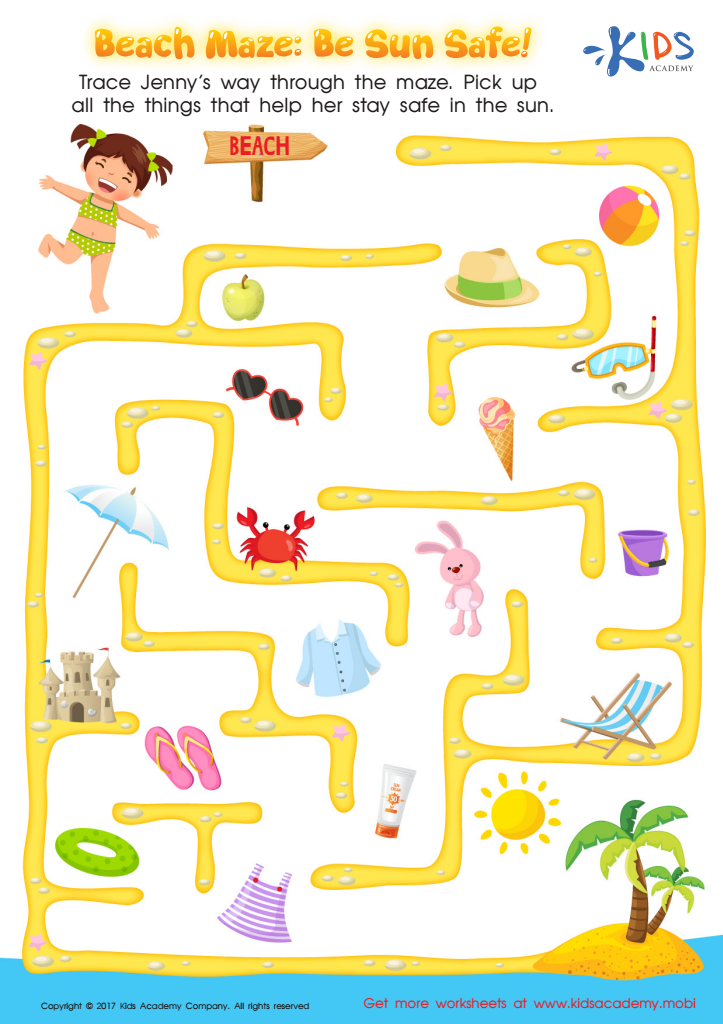
Beach Maze: Sun Safe Worksheet
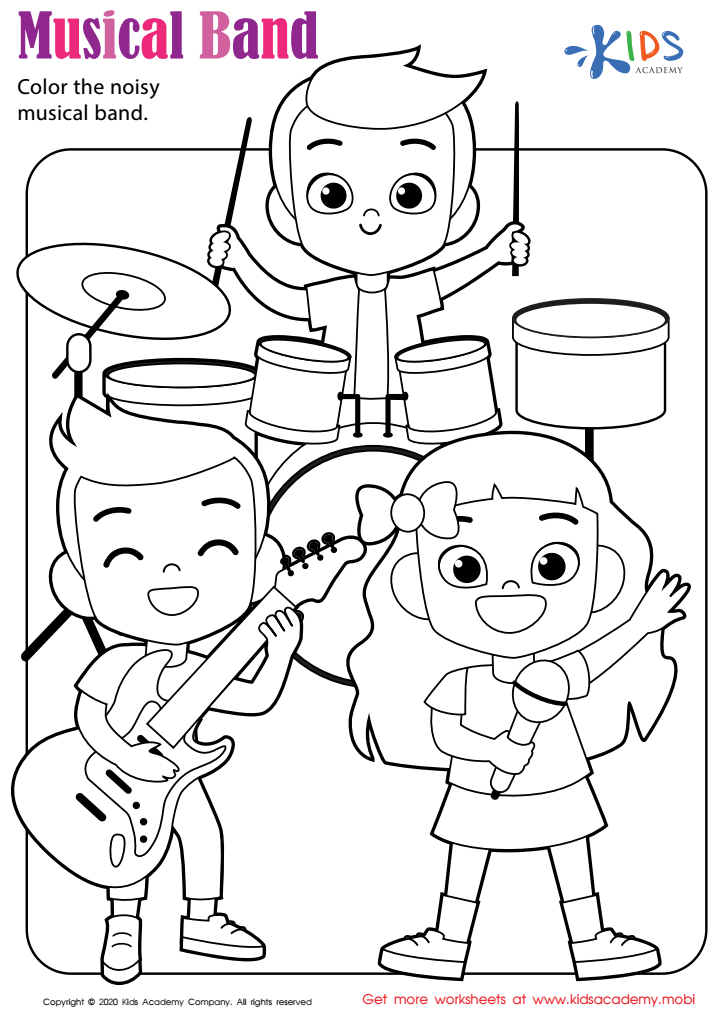
Musical Band Worksheet
 Assign to My Students
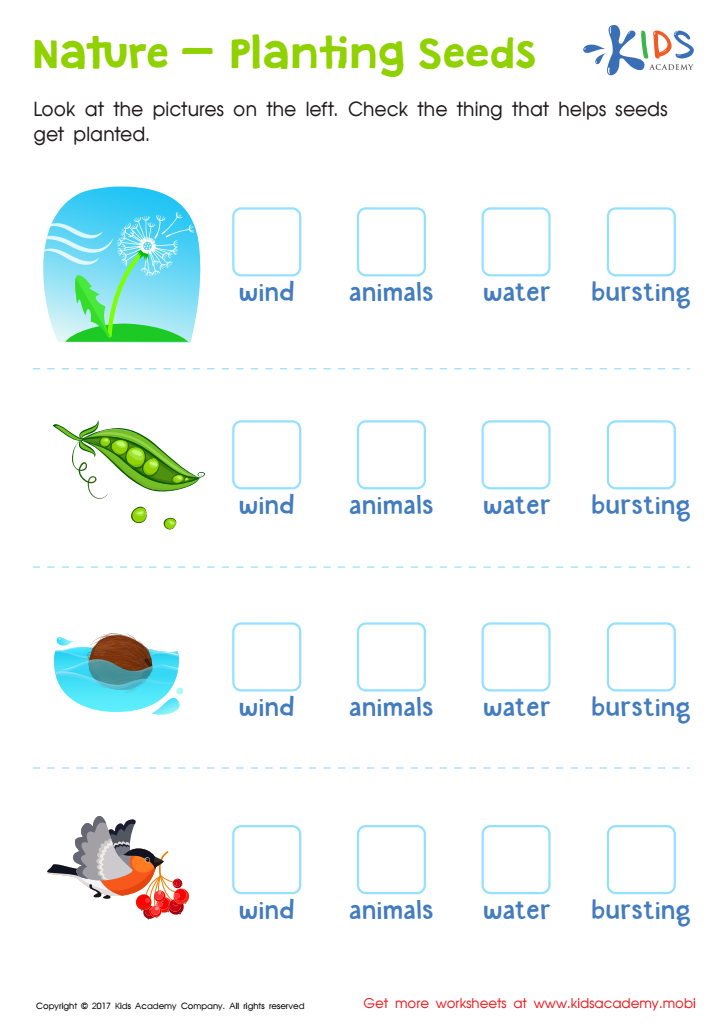
Nature Planting Seeds Worksheet
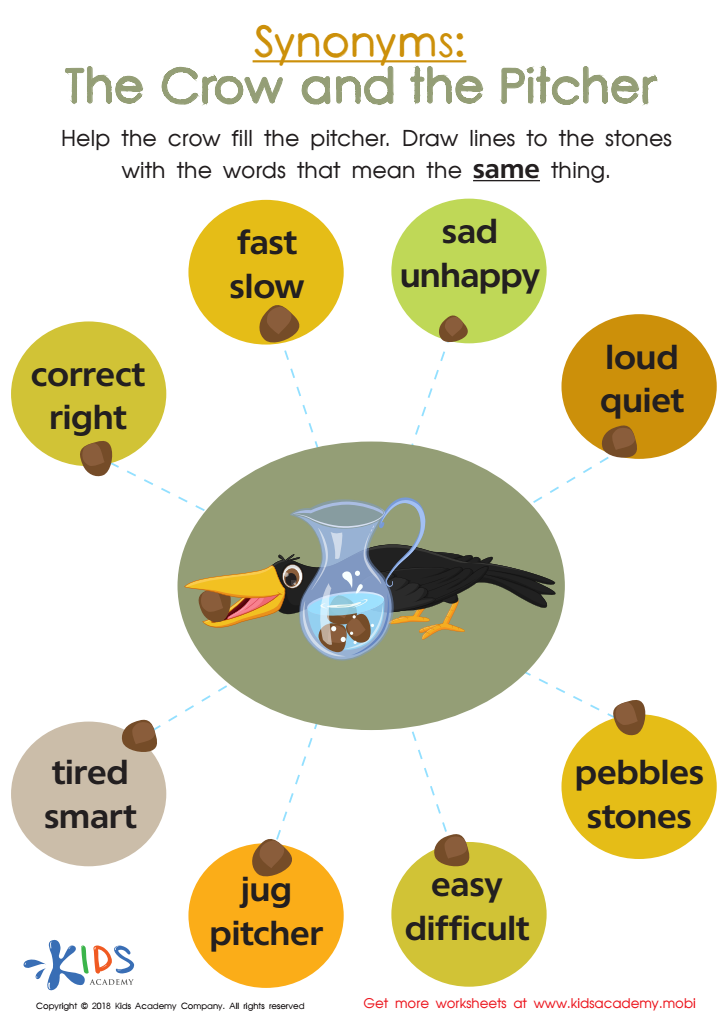
The Crow and the Pitcher Synonyms Worksheet
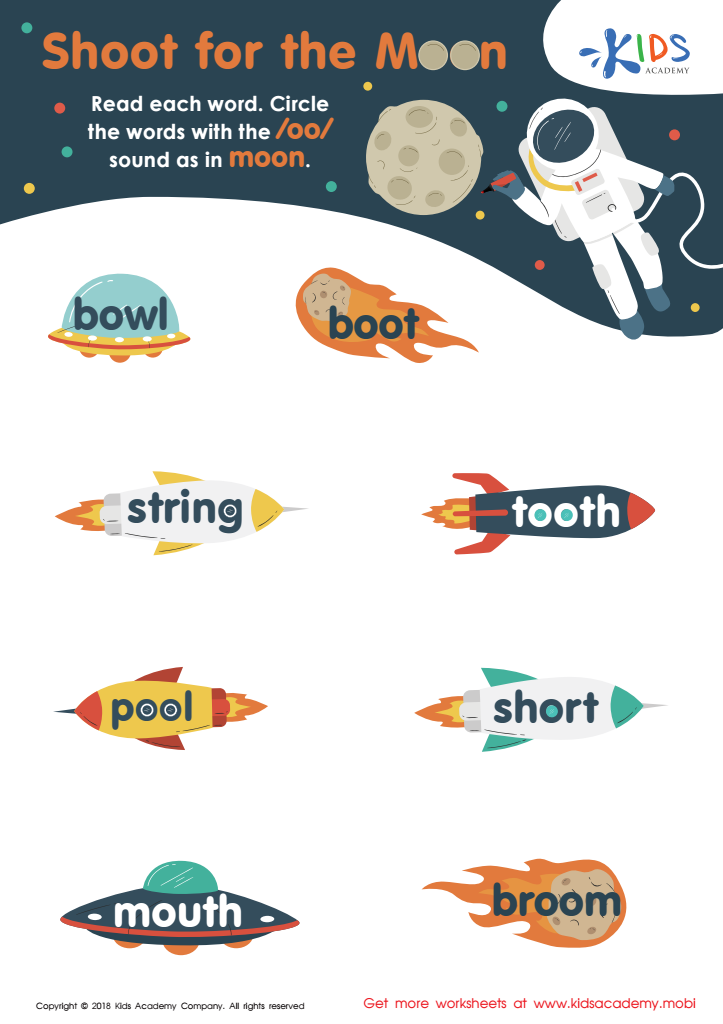
Reading: Shoot for the Moon Worksheet
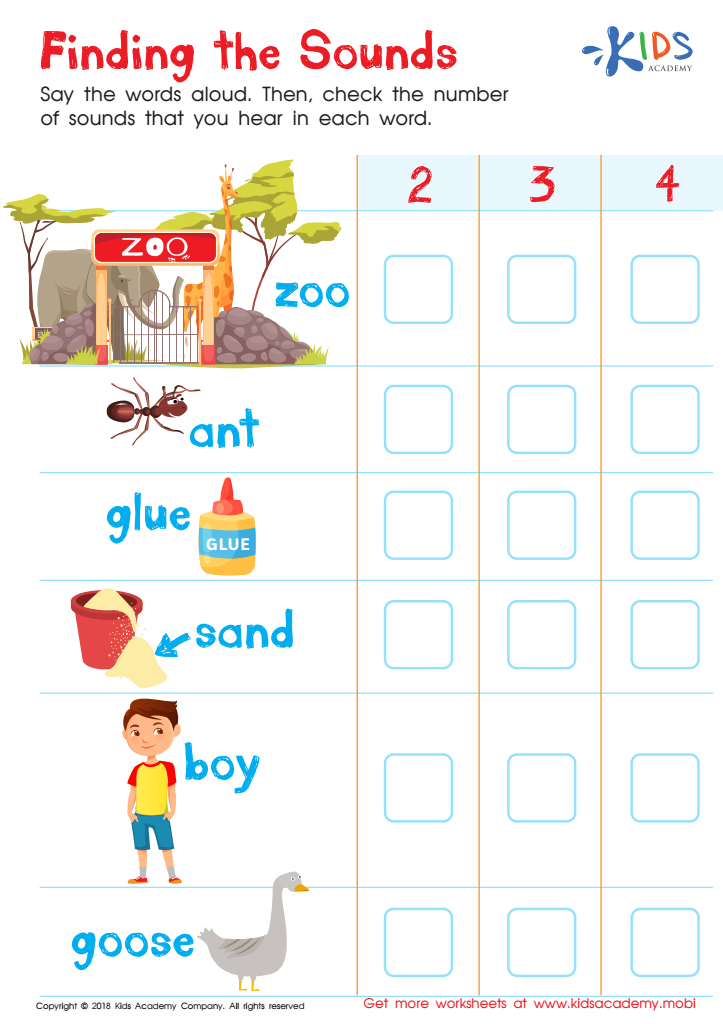
Finding the Sounds Worksheet
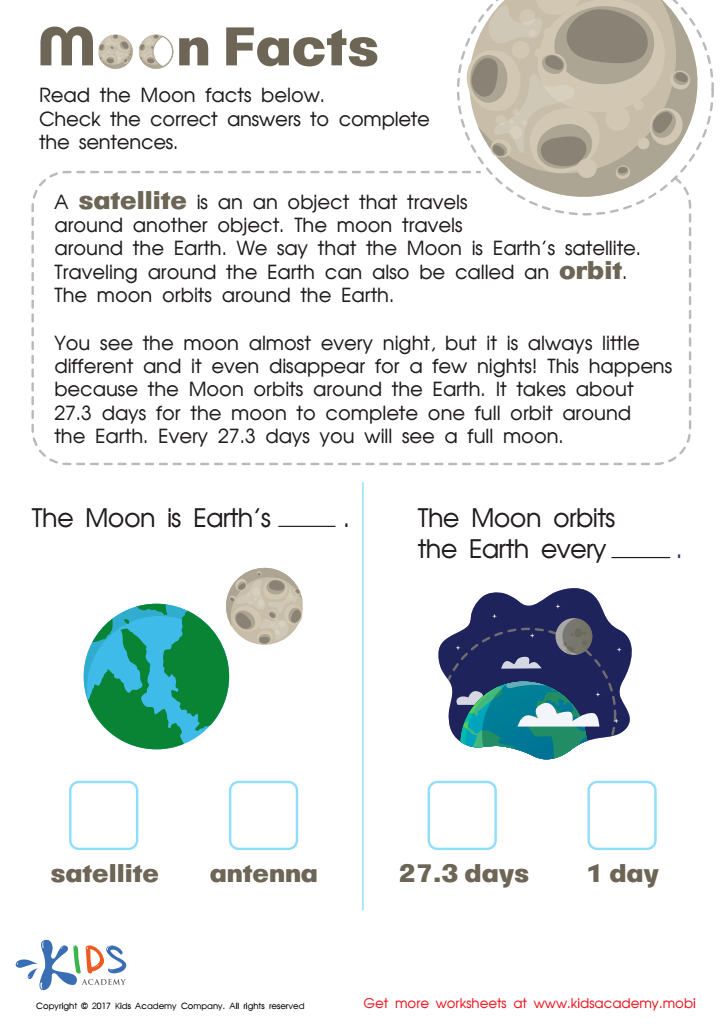
Moon Facts Worksheet
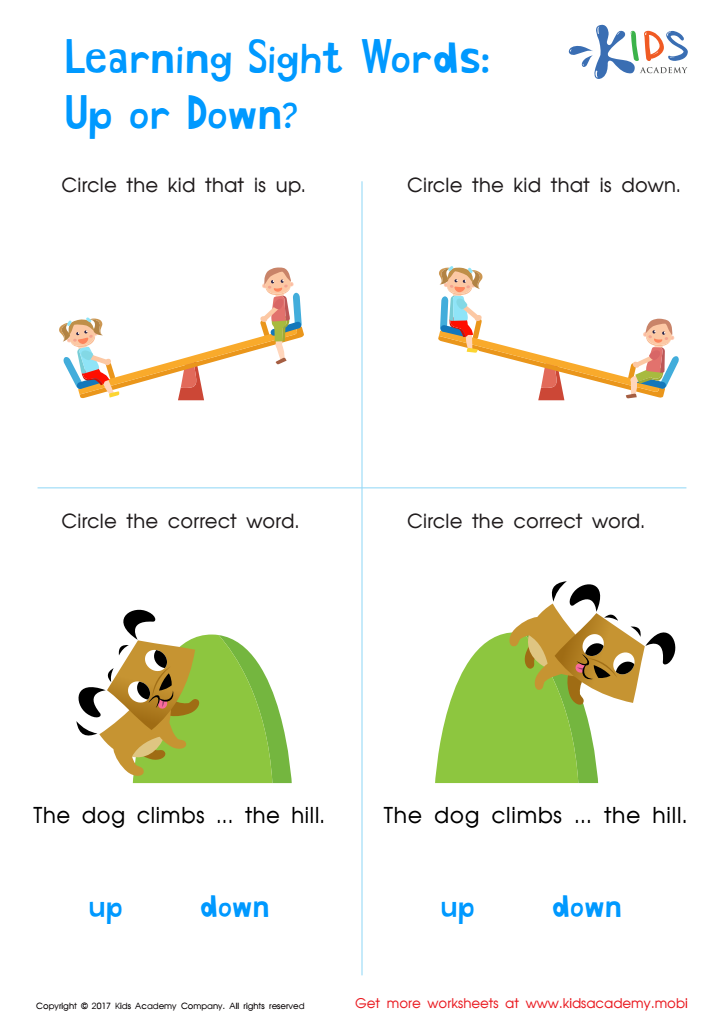
Up or Down Printable Sight Words Worksheet
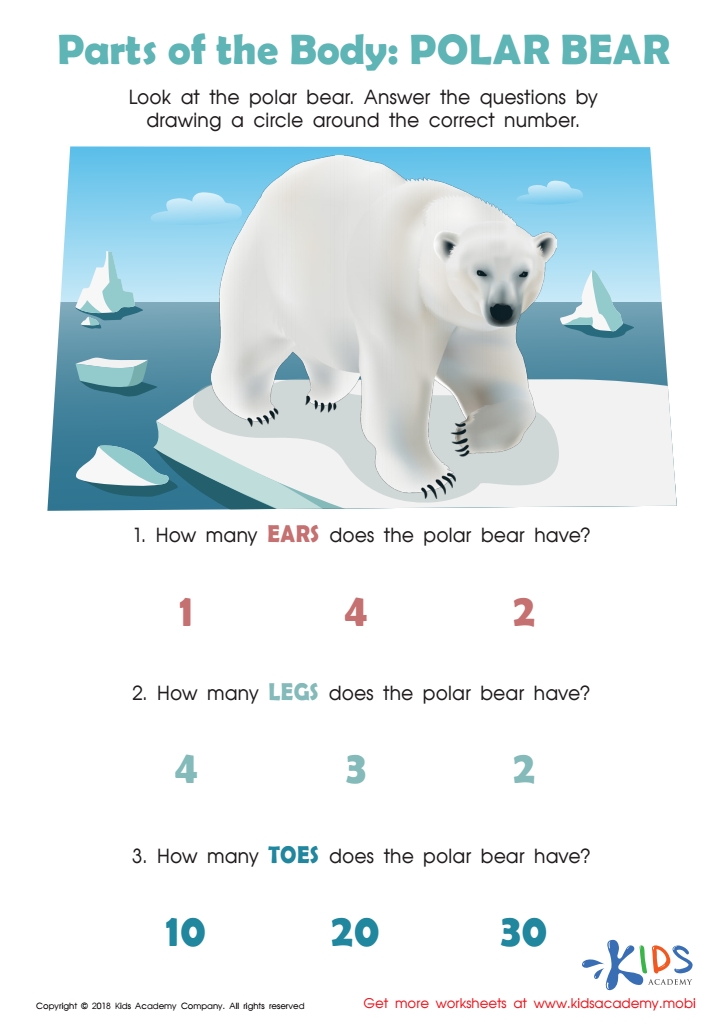
Parts of the Body: Polar Body Worksheet
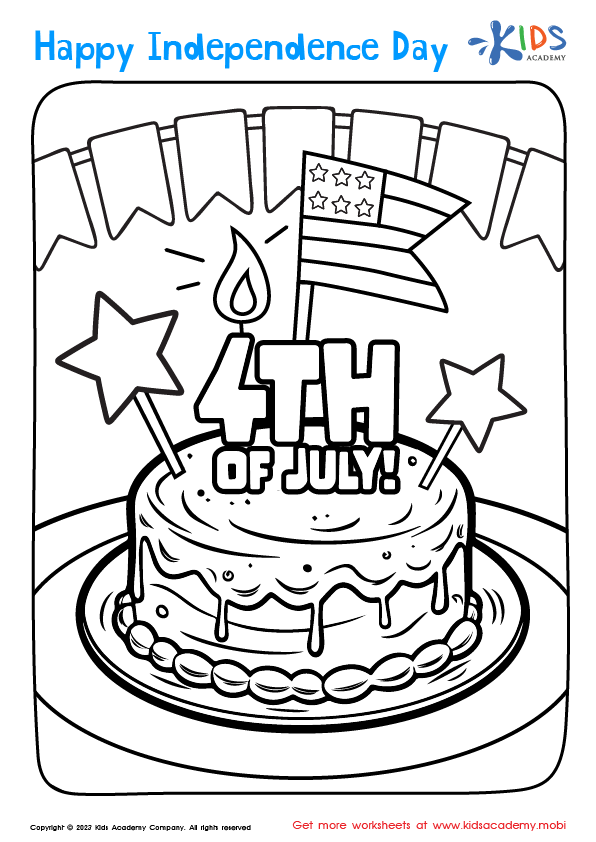







Vocabulary development in 7-year-olds is crucial for several reasons that impact their overall academic success and social interactions. At this age, children are becoming more independent readers and writers, and a robust vocabulary allows them to better comprehend texts, express their thoughts clearly, and engage in meaningful conversations.
First, vocabulary is directly linked to literacy skills. A rich vocabulary enables children to decode new words and understand their meanings, which enhances reading comprehension. When children encounter unfamiliar words in books or discussions, a strong vocabulary helps them grasp the context and contribute to conversations, facilitating deeper learning.
Moreover, vocabulary development fosters critical thinking and cognitive skills. Children who can articulate their ideas and questions are more likely to engage in problem-solving and analytical thinking. This is essential not just in language arts but across all subjects.
Socially, possessing a wide-ranging vocabulary helps children build relationships and communicate effectively with peers and adults. It aids in expressing emotions and negotiating social situations, leading to improved interpersonal skills.
Ultimately, parents and teachers play a key role in nurturing vocabulary development through interactive reading, discussions, and encouragement of varied language use. Prioritizing vocabulary growth lays a solid foundation for lifelong learning and communication skills.








