Problem-Solving Skills Addition and Subtraction Word Problems Worksheets for 7-Year-Olds - Page 2
33 filtered results
-
From - To
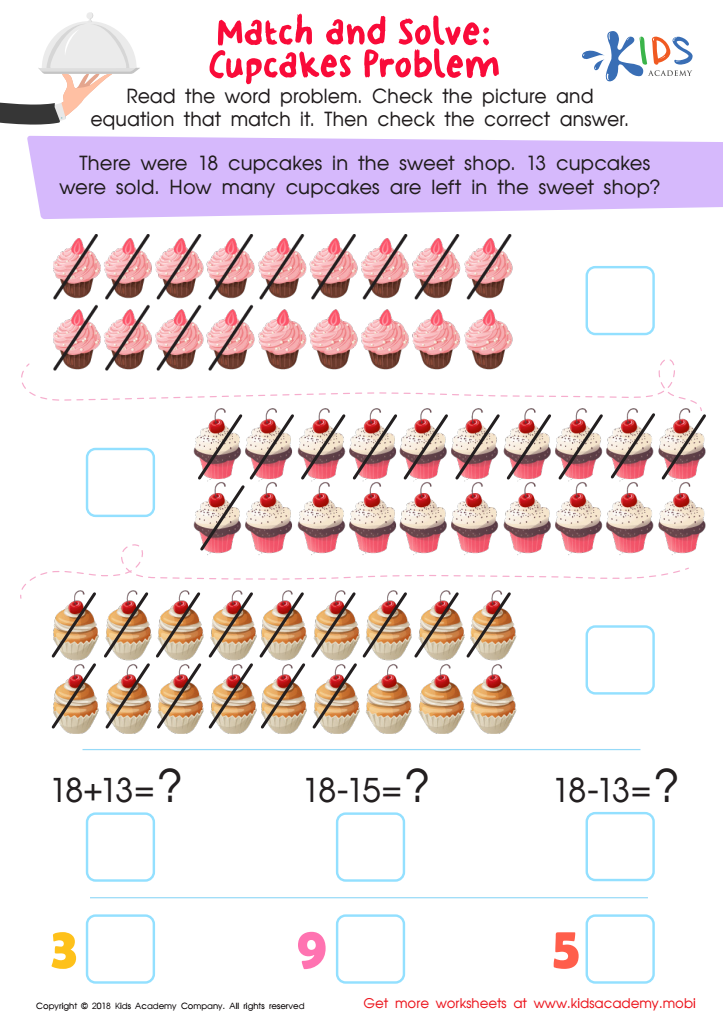
Match and Solve: Cupcakes Problem Worksheet
 Assign to My Students
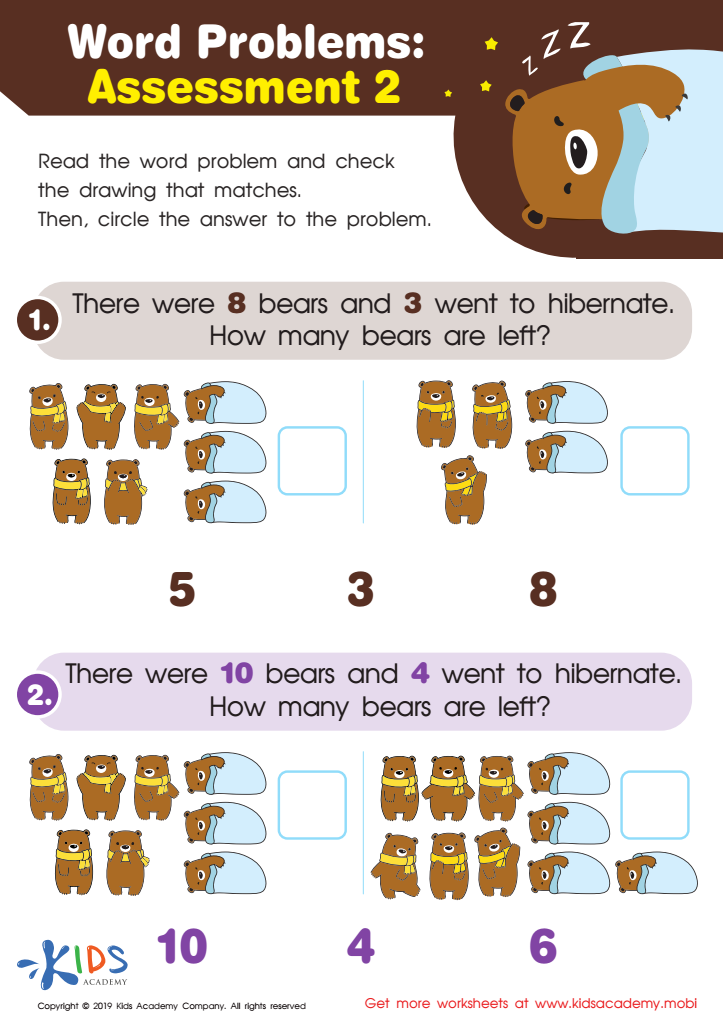
Word Problems: Assessment 2 Worksheet
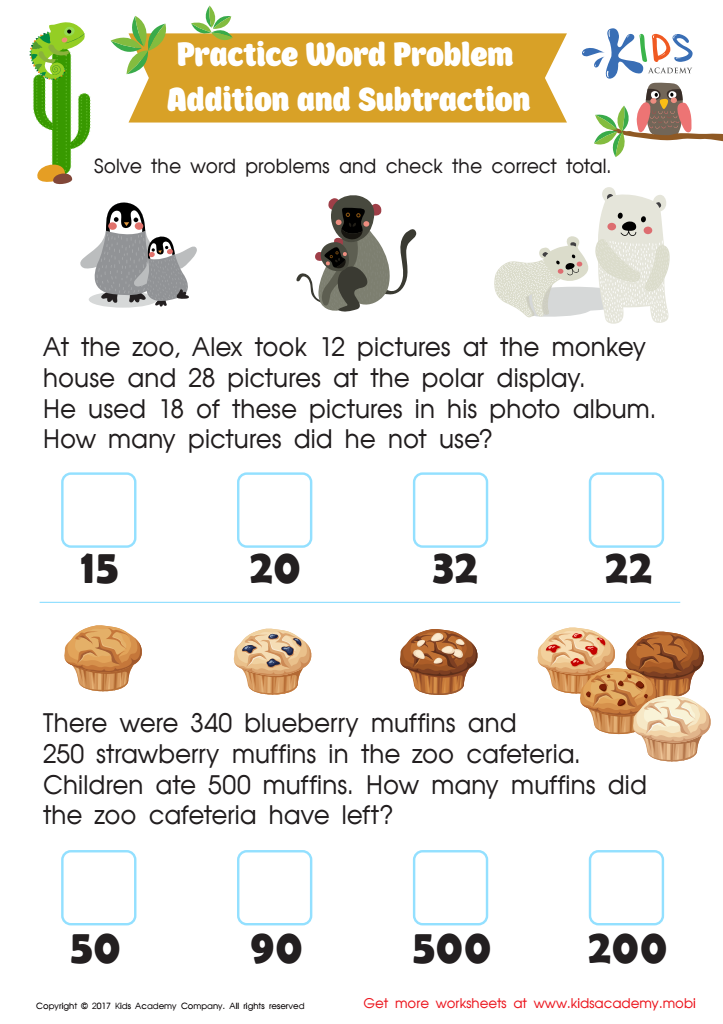
Addition and Subtraction: Word Problems Worksheet
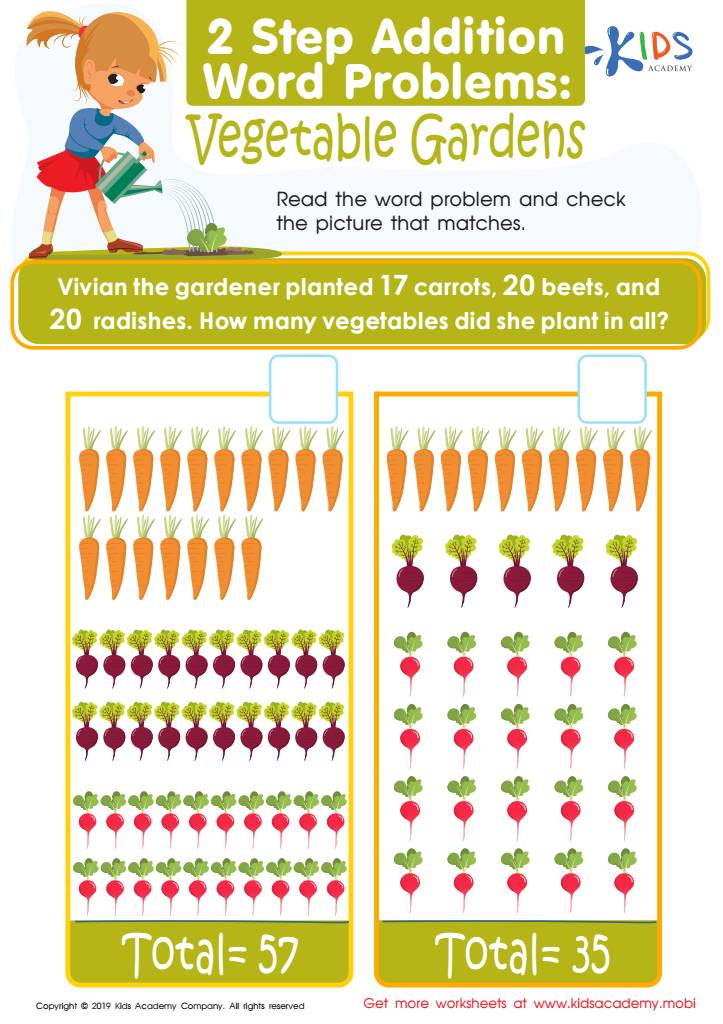
Vegetable Gardens Worksheet
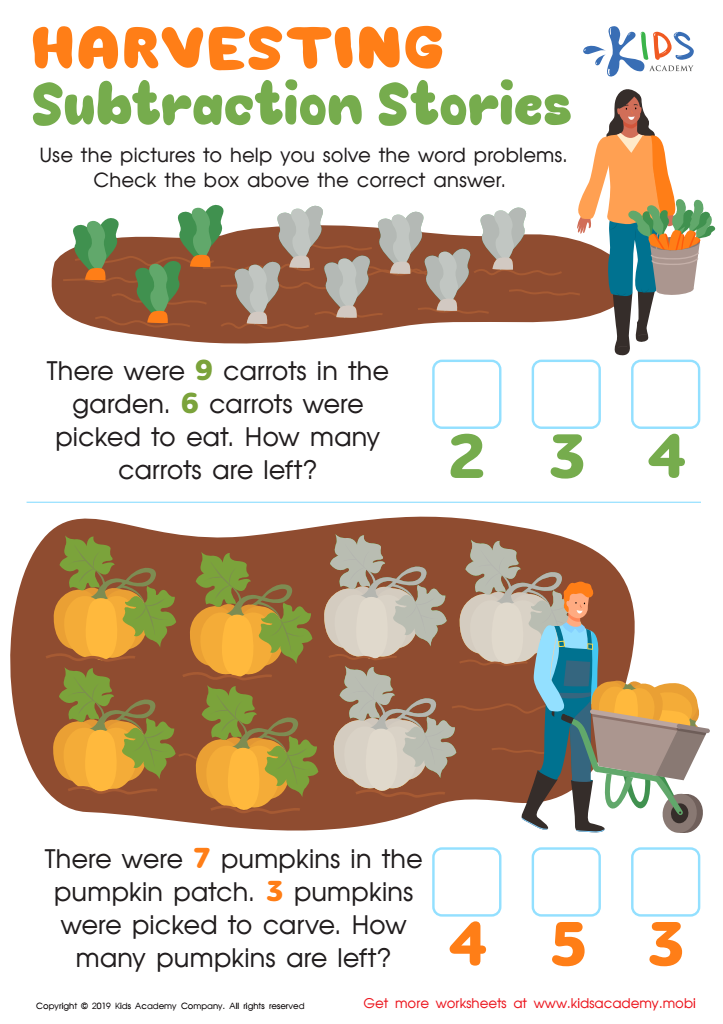
Harvesting Subtraction Stories Worksheet
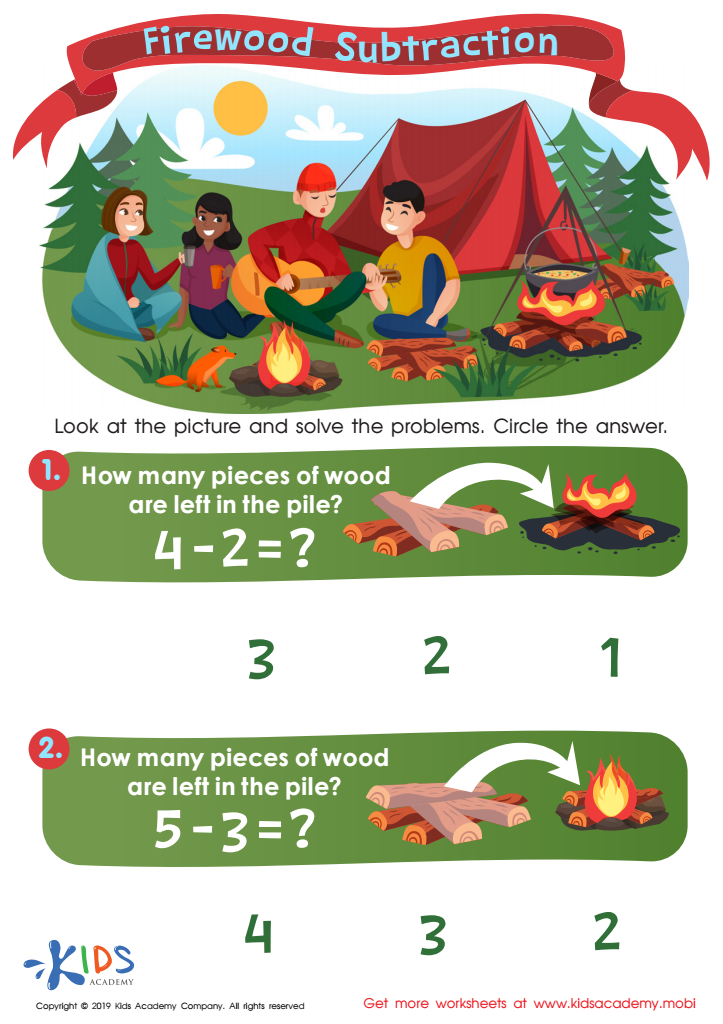
Firewood Subtraction Worksheet
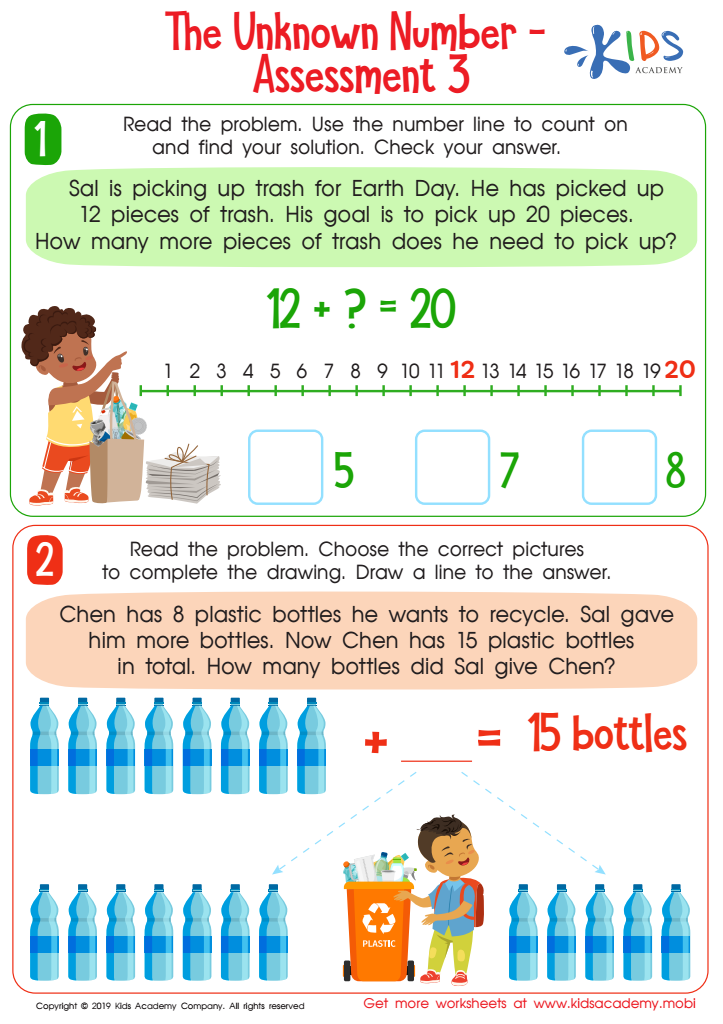
The Unknown Number - Assessment 3 Worksheet
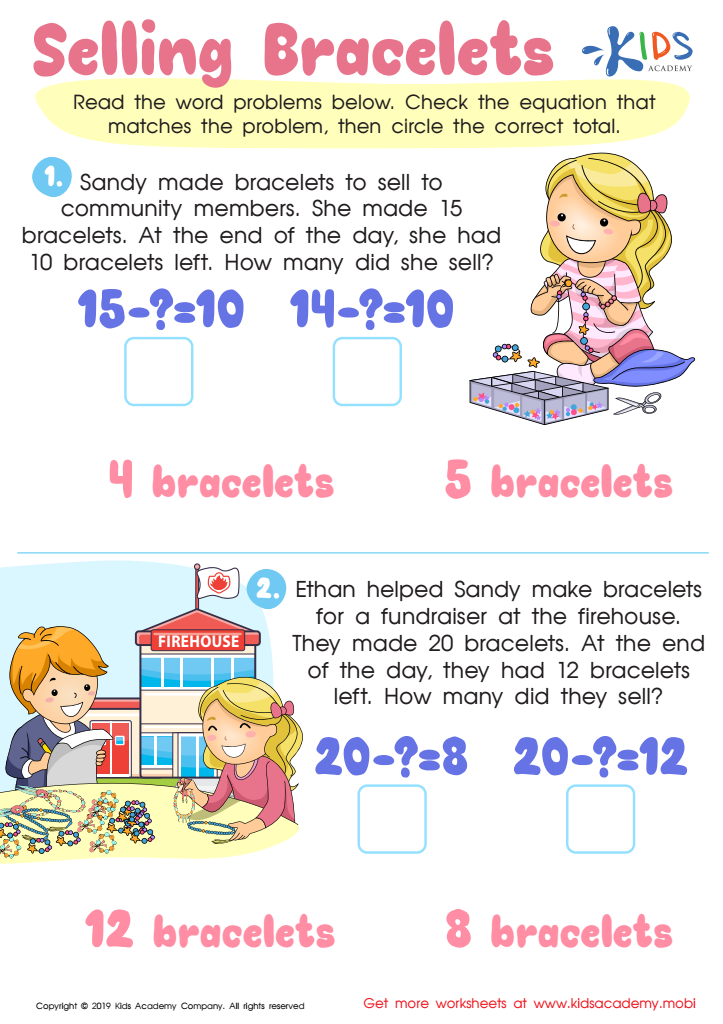
Selling the Bracelets Worksheet
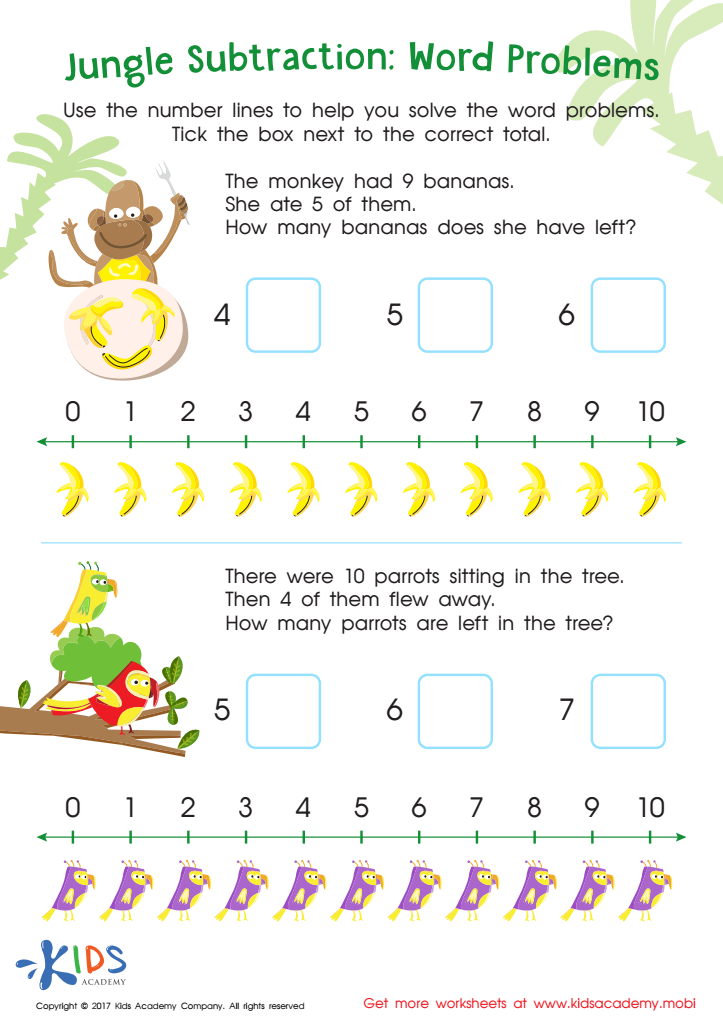
Jungle Subtraction Word Problems Substraction Worksheet








Problem-solving skills in addition and subtraction word problems are crucial for 7-year-olds, laying the groundwork for their future math success. These exercises enhance their ability to think critically and strategically, moving beyond rote memorization to understanding concepts deeply. For parents and teachers, fostering these skills helps children to not only master basic arithmetic but also develop resilience and perseverance when faced with challenges.
At this developmental stage, children who grasp addition and subtraction through word problems learn to apply math in real-world contexts. This relevance turns abstract numbers into relatable situations, making learning more engaging and meaningful. For instance, figuring out how many apples are left after eating some integrates their everyday experiences with math, enhancing retention and comprehension.
Additionally, problem-solving promotes cognitive growth, improving children's mental flexibility and their ability to reason logically and sequentially. These skills are invaluable not only in academic settings but in everyday decision-making processes as well.
For parents and teachers, emphasizing problem-solving in math helps build a child's confidence and self-efficacy. Early success in math fosters a positive attitude toward this critical subject, setting a strong foundation for future learning. Consequently, dedicated attention to nurturing these skills ensures children are well-prepared for more complex mathematical concepts and real-life problem-solving scenarios.