
Number Recognition Addition Facts Worksheets for 7-Year-Olds
3 filtered results
Difficulty Level
Grade
Age
-
From - To
Subject
Activity
Standards
Welcome to our Number Recognition Addition Facts Worksheets tailored specifically for 7-year-olds! Designed to enhance your child's math skills, these engaging worksheets focus on number recognition and addition facts, essential for developing foundational math abilities. Through fun exercises, kids will learn to identify numbers and practice addition, reinforcing both confidence and competence in their calculations. Our variety of colorful, easy-to-use worksheets will captivate young learners while making math enjoyable. Perfect for homeschooling, classroom activities, or extra practice, these resources will support your child's math journey, ensuring they gain essential skills for success in future learning. Let the numbers come alive!
Favorites
With answer key
Interactive
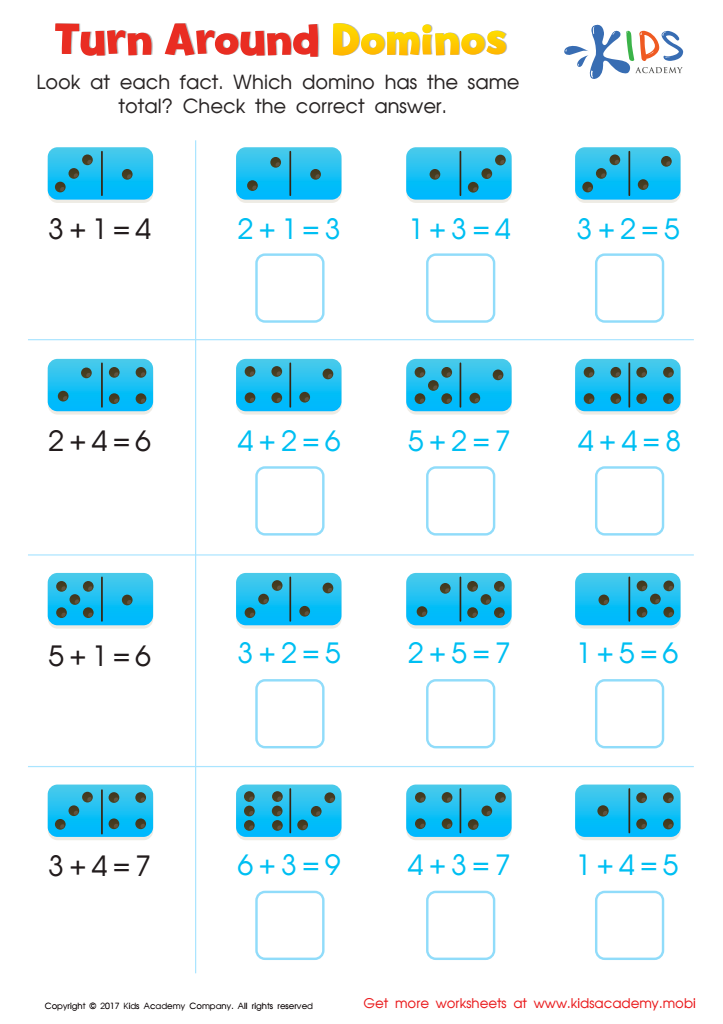
Turn Around Dominos Worksheet
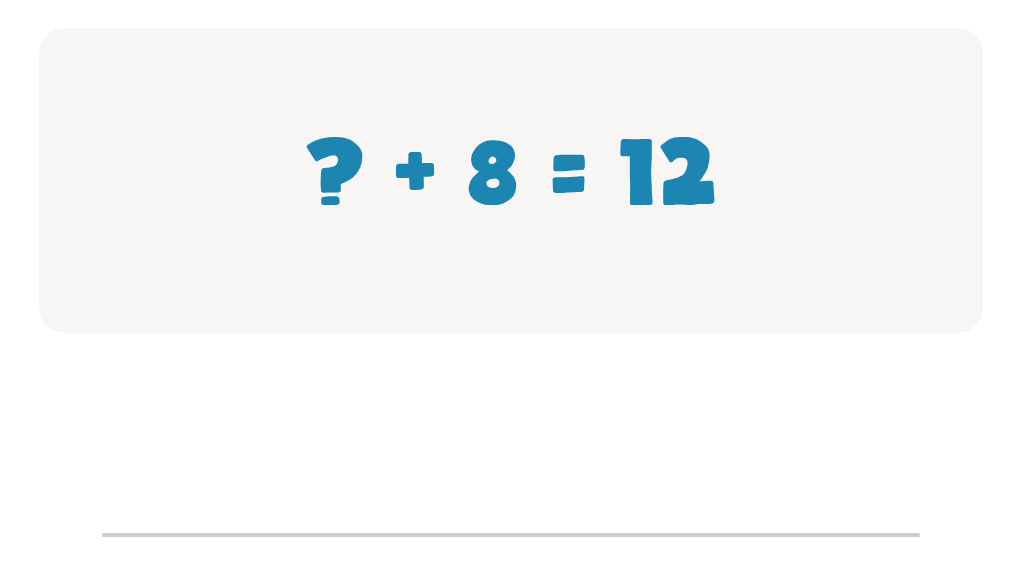
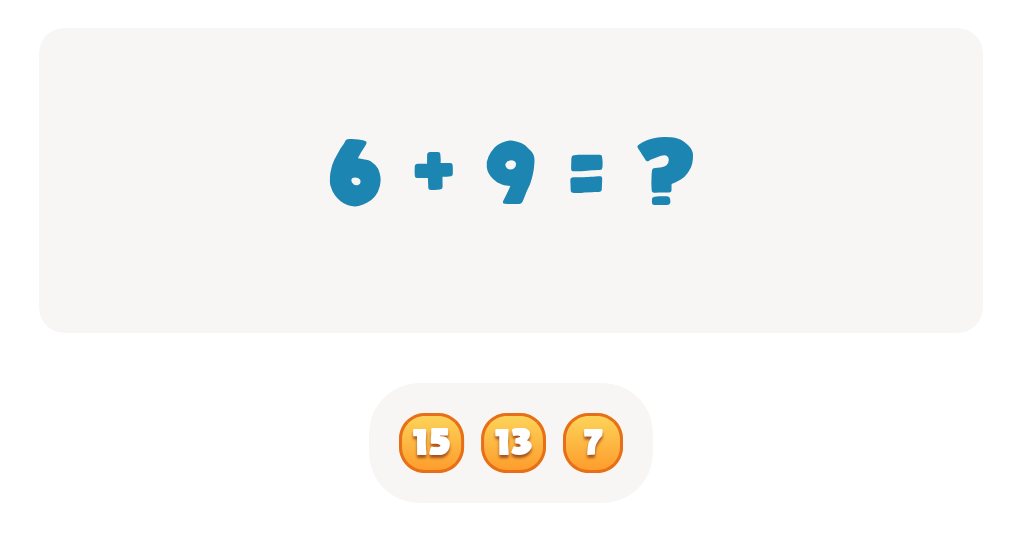
Encourage your child to flex their mental muscles with this math worksheet. Look through the left side's dominos and their values and then check the three boxes on the right. Ask your child if any of the right box's dominos are similar. This requires focus and careful observation.
 Assign to My Students
Turn Around Dominos Worksheet
Worksheet
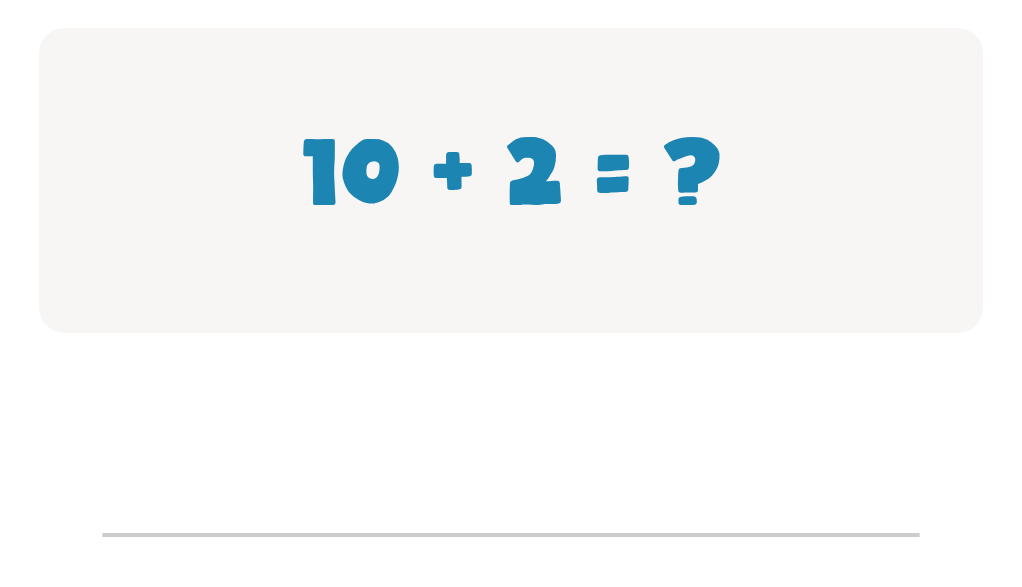

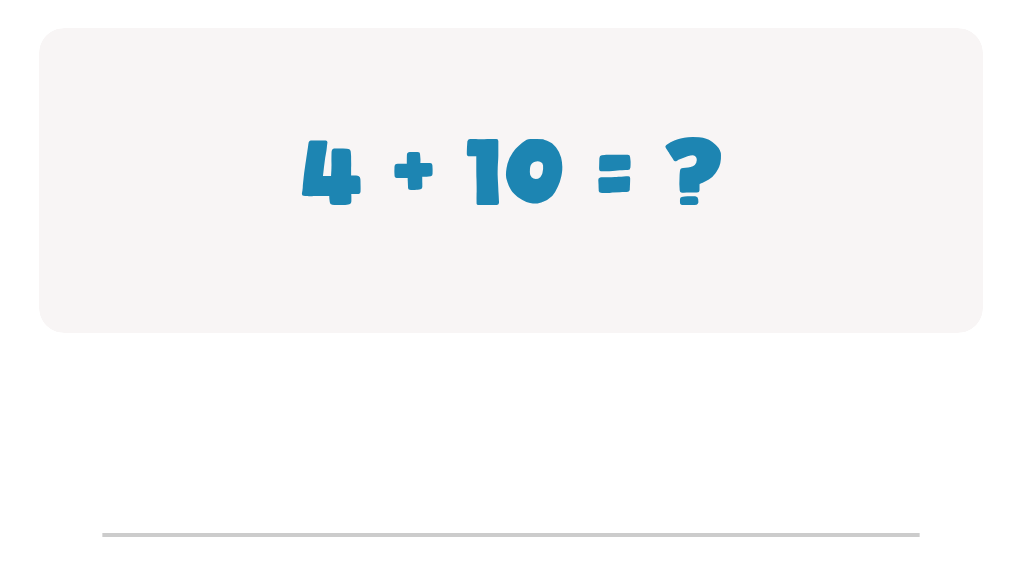
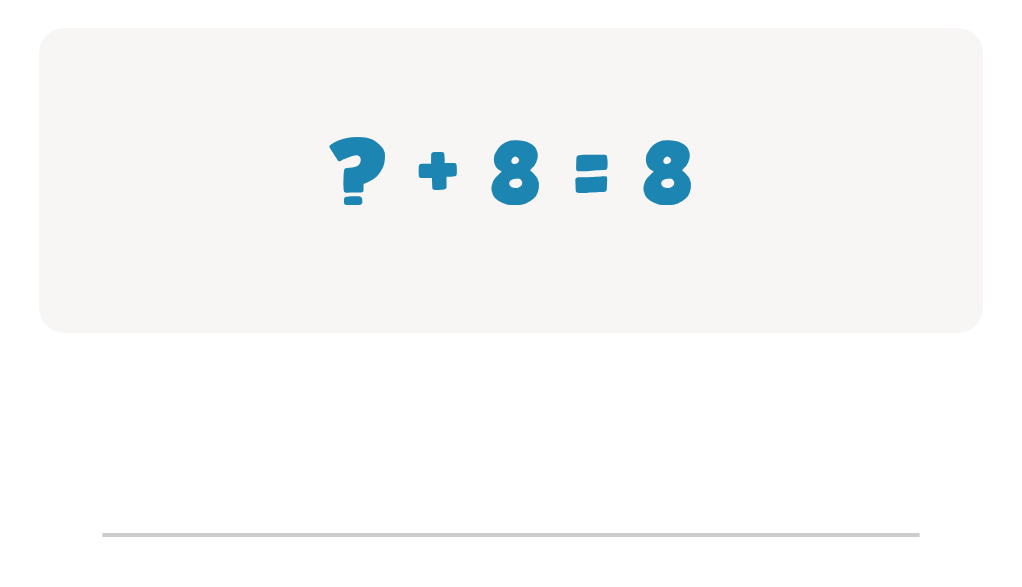

Fact Families: Easter Math Worksheet
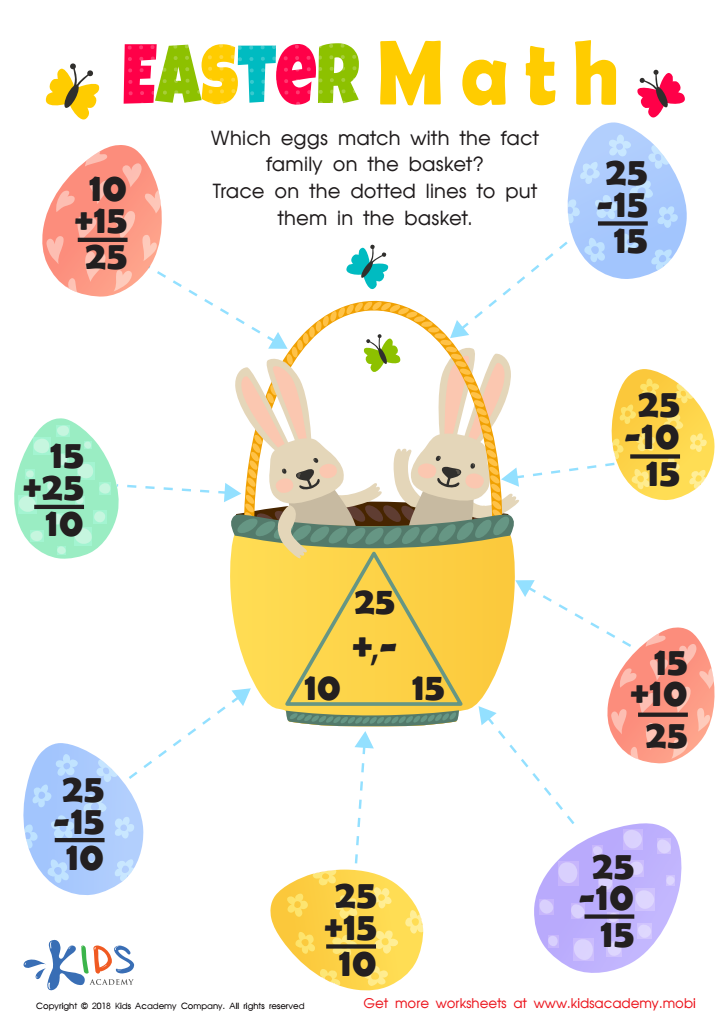
Kids will love this vibrant PDF packed with Easter math fun! Match facts with the colorful eggs, add and subtract multiples of five to boost automaticity, and have a blast with the bunny friends!
Fact Families: Easter Math Worksheet
Worksheet
Addition Facts: Double Dice Worksheet
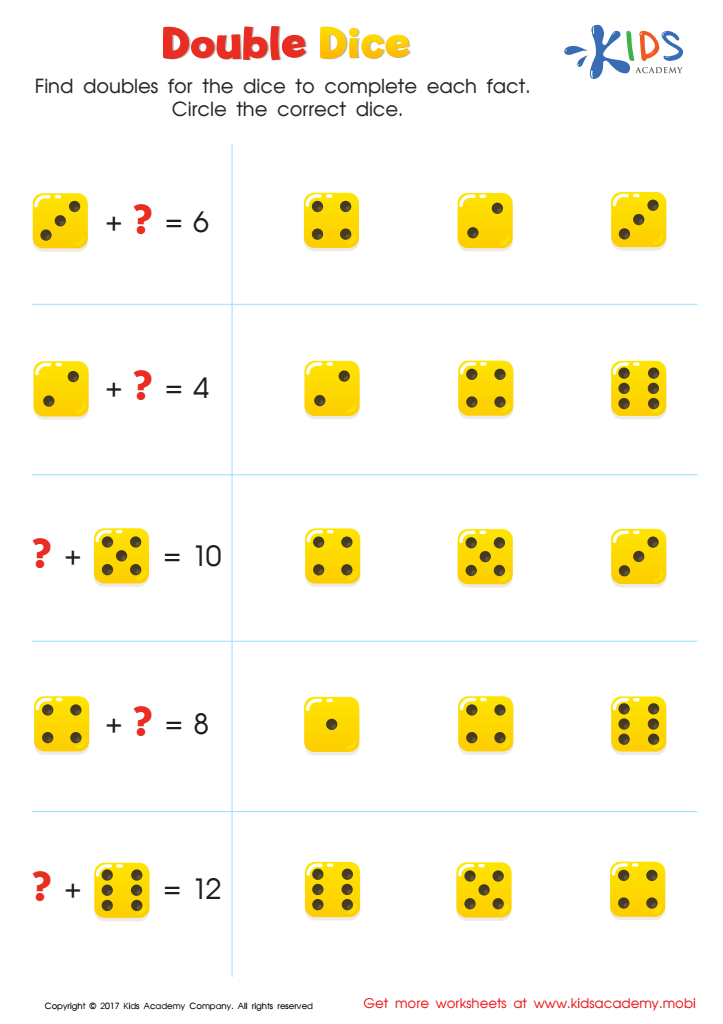
Are you looking for ways to make maths more engaging for kids? Maths can be a bore, but by teaching kids from an early age that it can be fun, they won't struggle with it. This worksheet is a great way to start: your child needs to identify the number on the left dice and find its double on the right. The sum of the two dice is also given.
Addition Facts: Double Dice Worksheet
Worksheet
Join Kids Academy for Free
Who is primarily going to use this learning content?








Number recognition and addition facts are foundational skills in early mathematics that significantly impact a child's overall academic development. At age 7, when children typically enter second grade, they are transitioning from learning basic math concepts to applying those skills in more complex situations. Strong number recognition helps children identify numbers quickly and accurately, laying the groundwork for further mathematical operations.
Addition facts, specifically, are crucial because they enable children to perform calculations efficiently. Mastering addition facts, such as sums to 20, provides a backdrop for more advanced operations like subtraction, multiplication, and problem-solving in real-life scenarios. Teaching these facts fosters confidence and fluency, allowing children to tackle math without the fear of making mistakes.
Moreover, when parents and teachers actively engage in children’s number recognition and addition practice, it reinforces a positive attitude toward mathematics. Encouraging a game-based approach can make learning fun, fostering an environment where children want to explore numbers. Ultimately, strong foundational skills not only improve academic performance in mathematics but also support critical thinking and analytical skills essential for later learning across subjects. Therefore, prioritizing these early math skills benefits children well beyond their primary school years.








