Fraction simplification Addition & Subtraction Worksheets for 7-Year-Olds - Page 2
58 filtered results
-
From - To
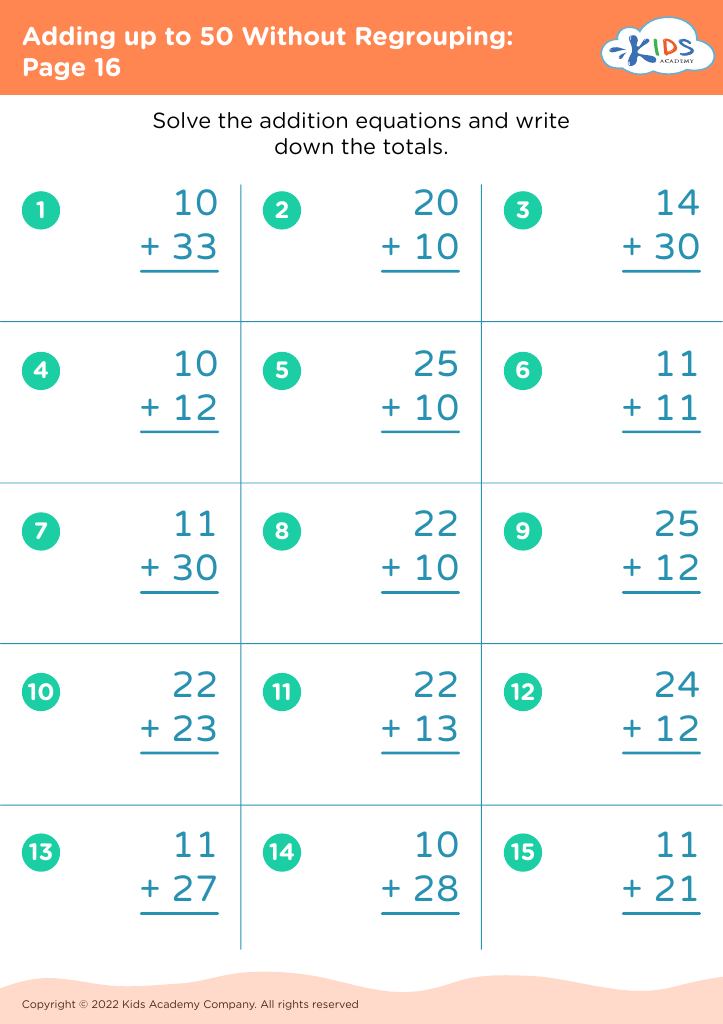
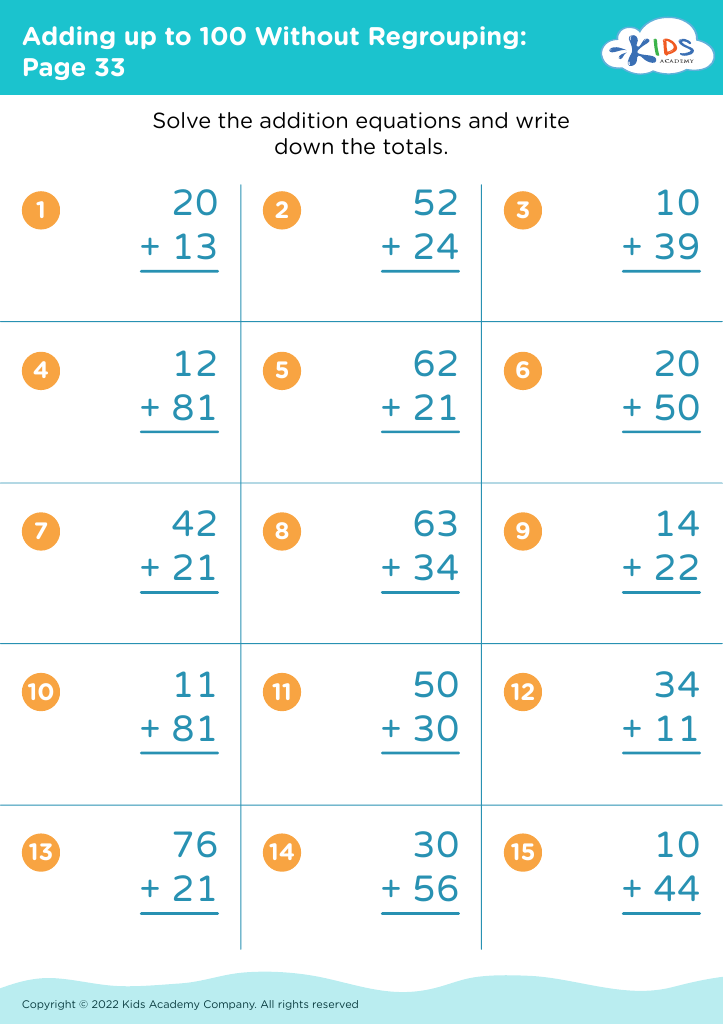
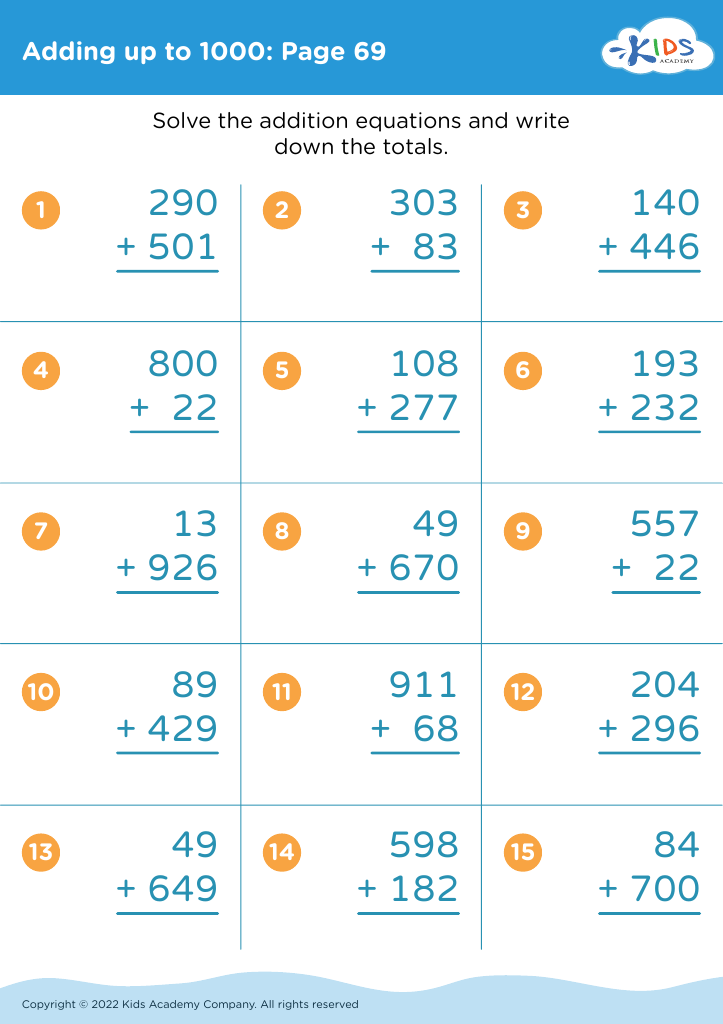
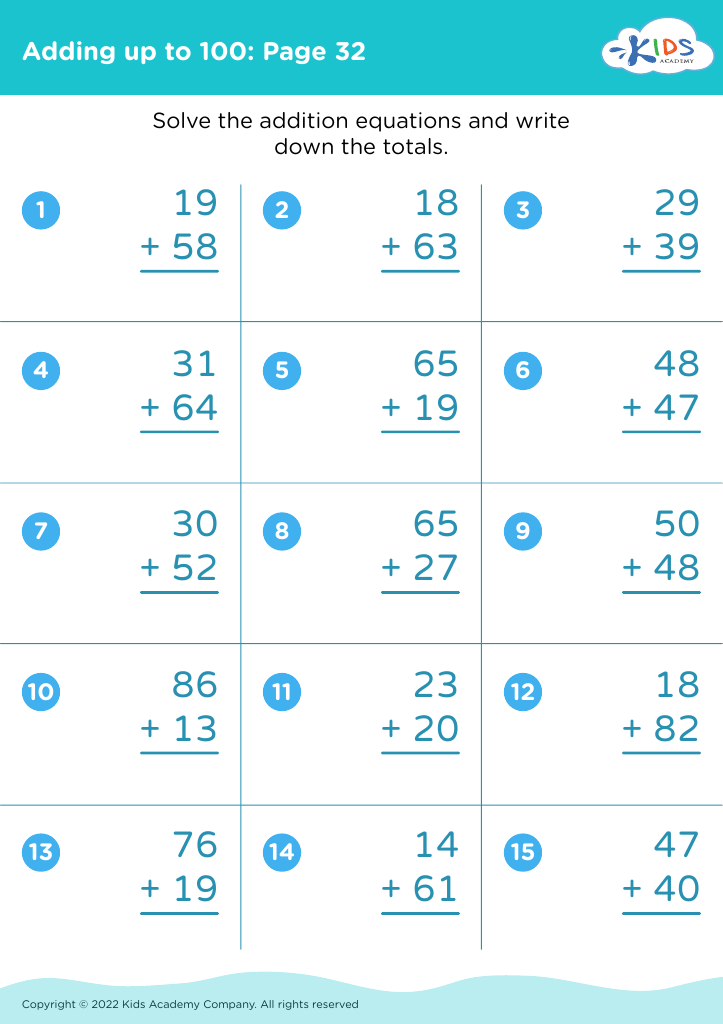
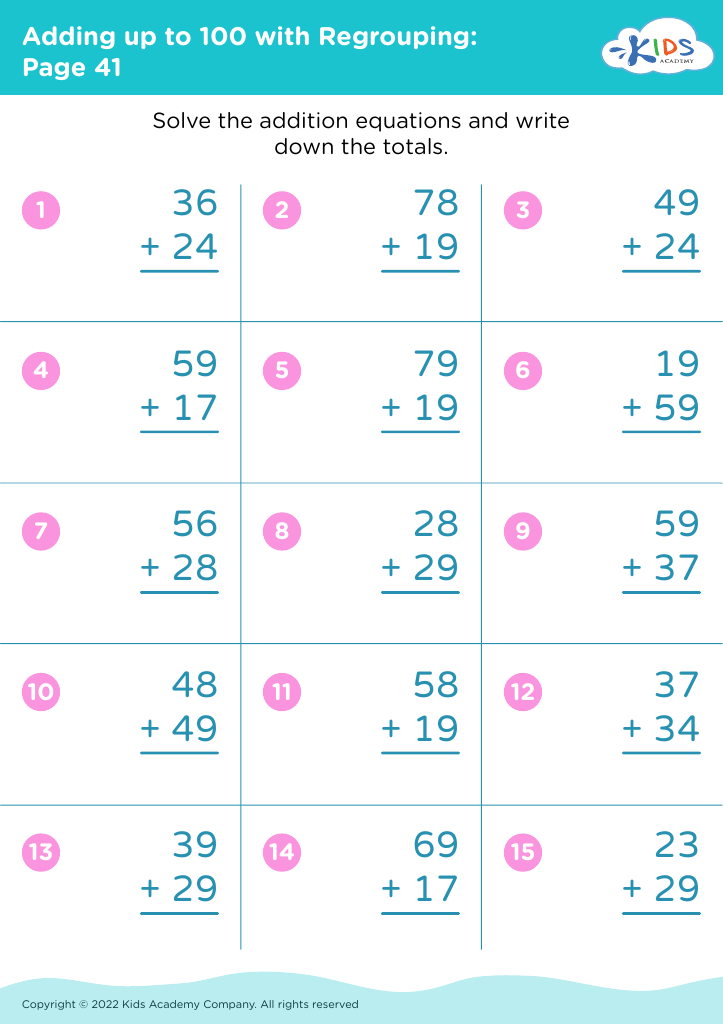
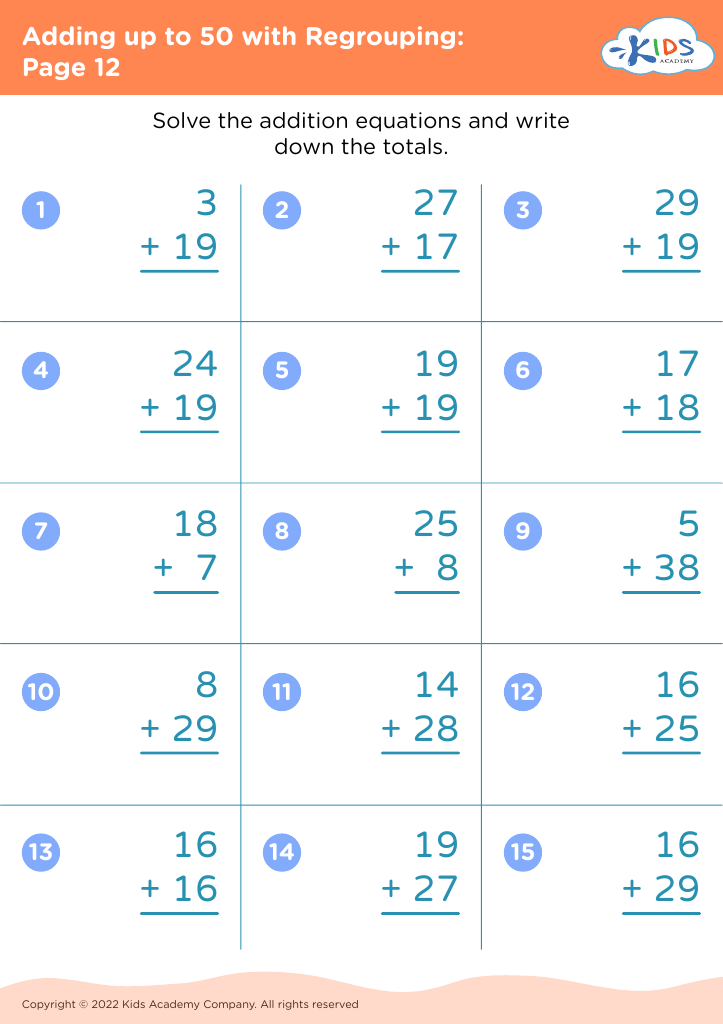
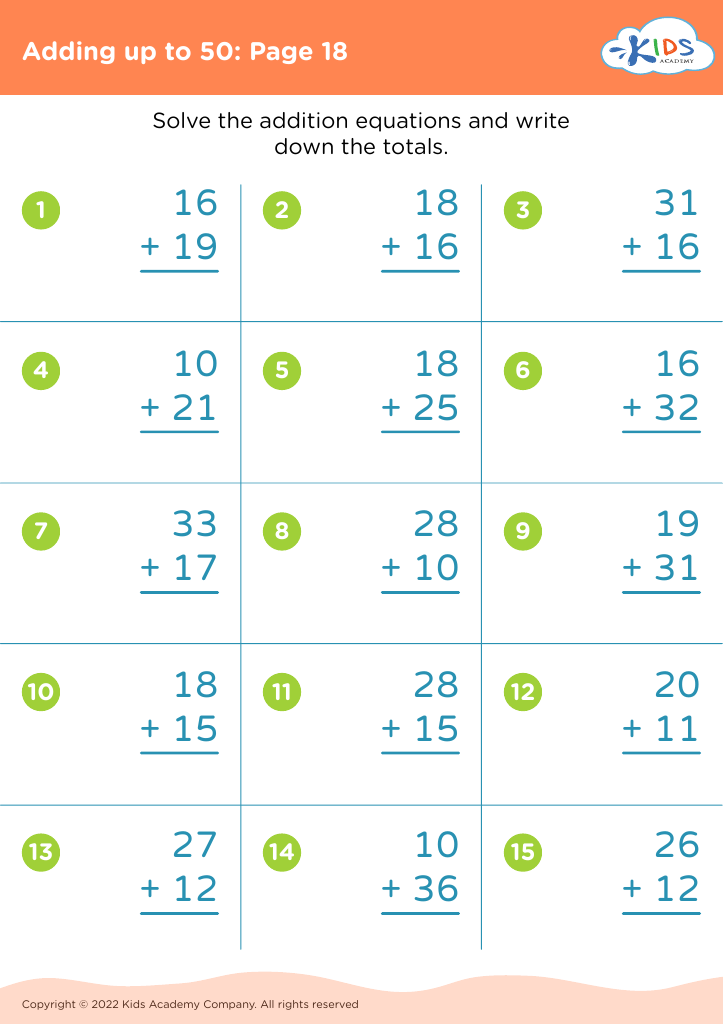
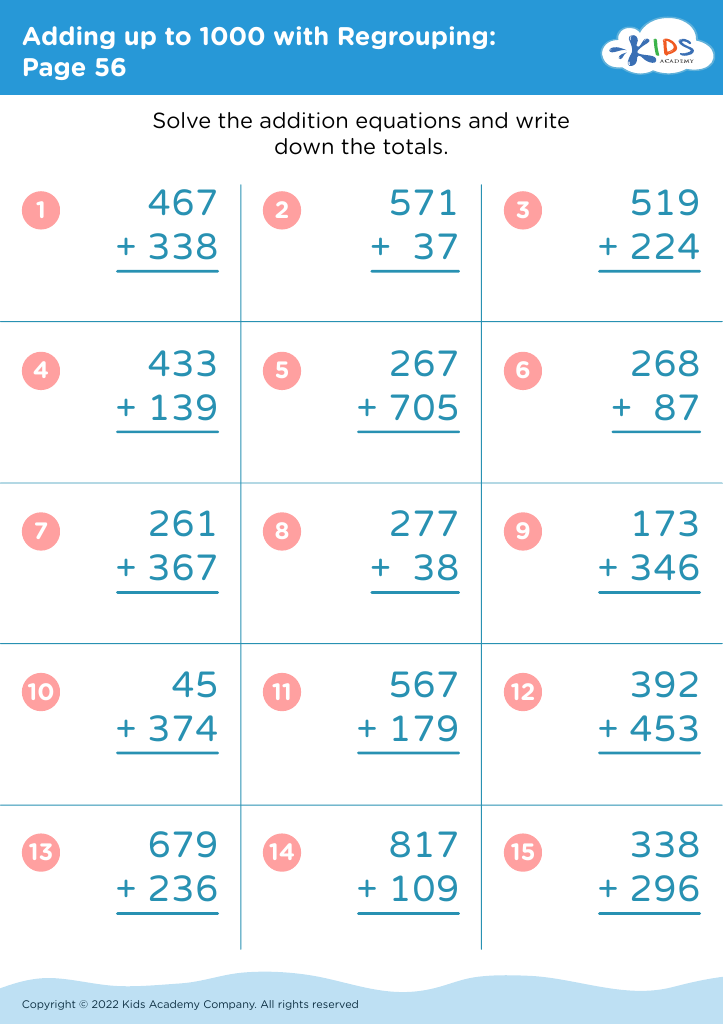
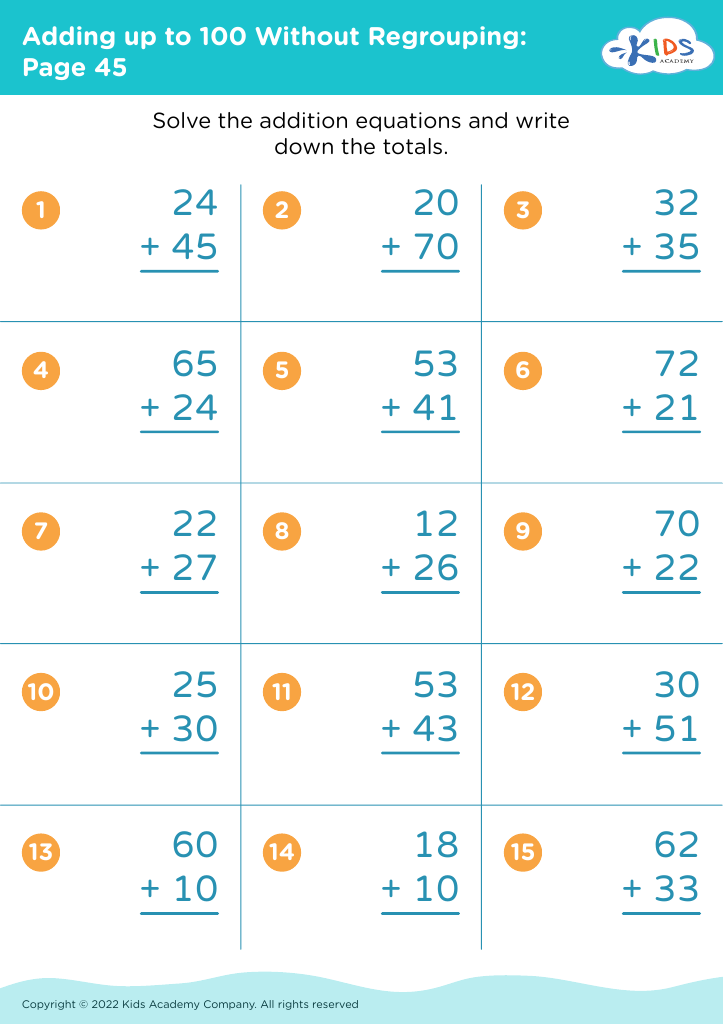
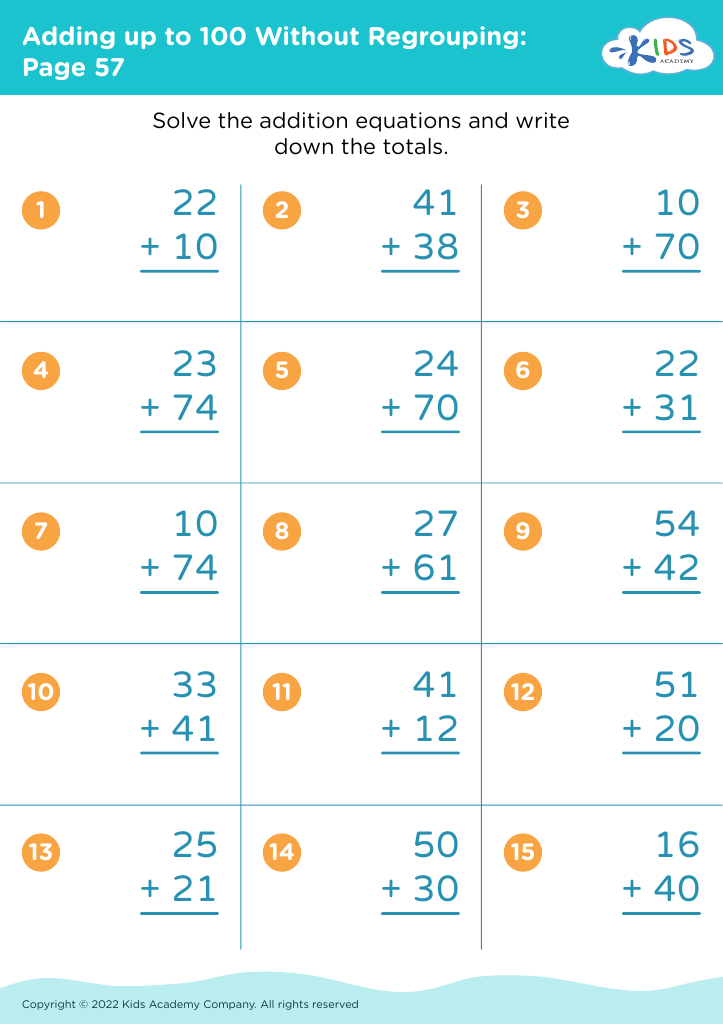
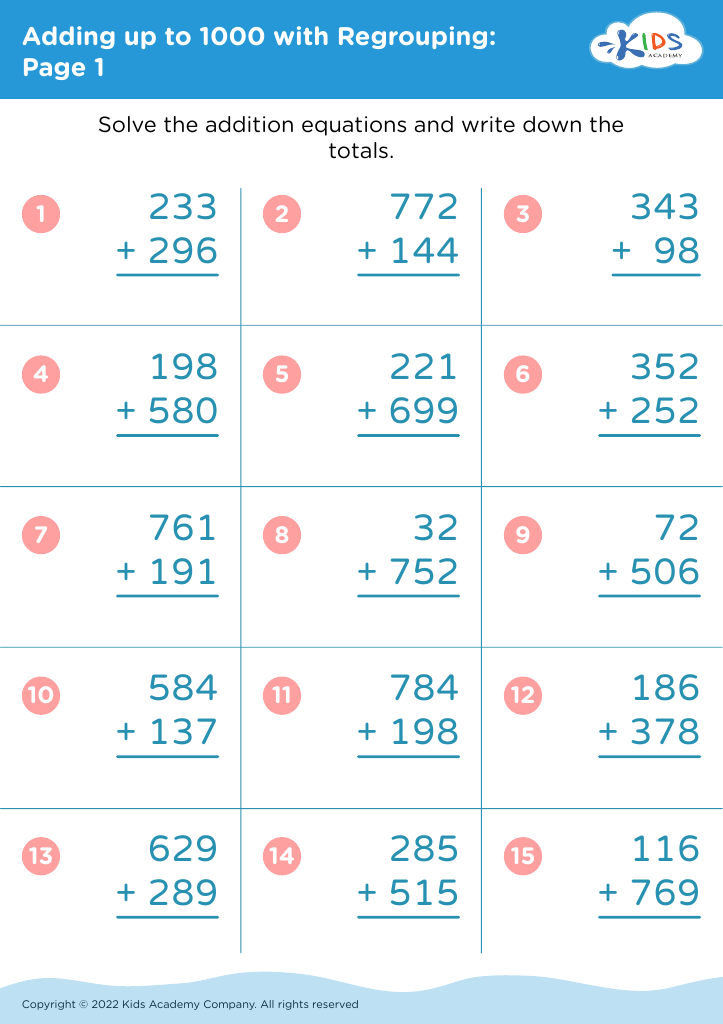
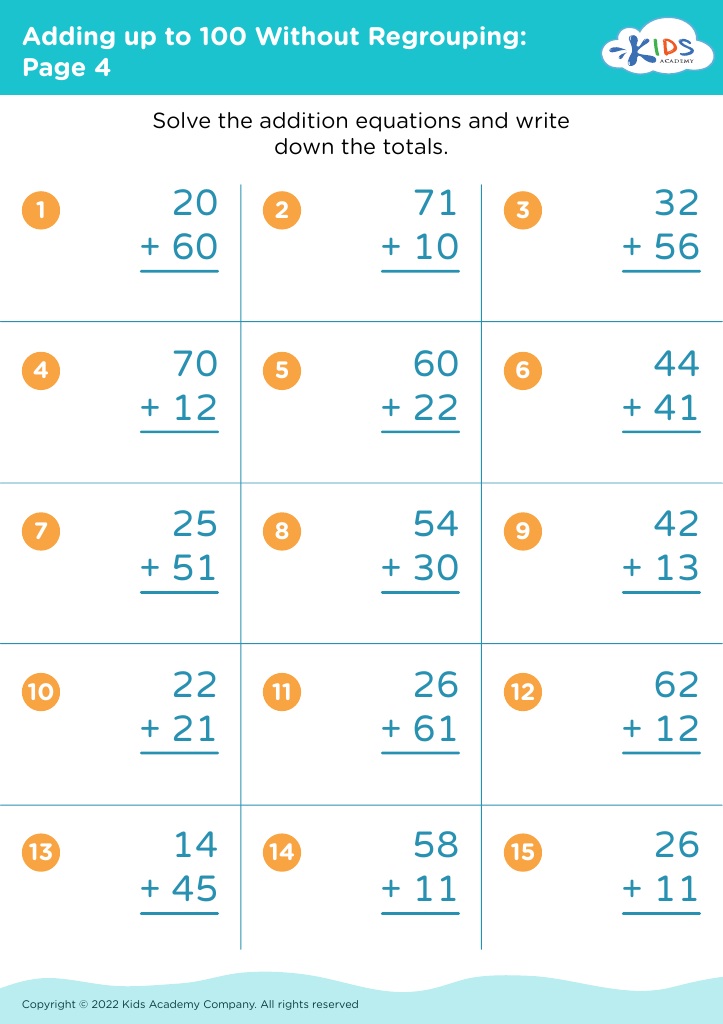
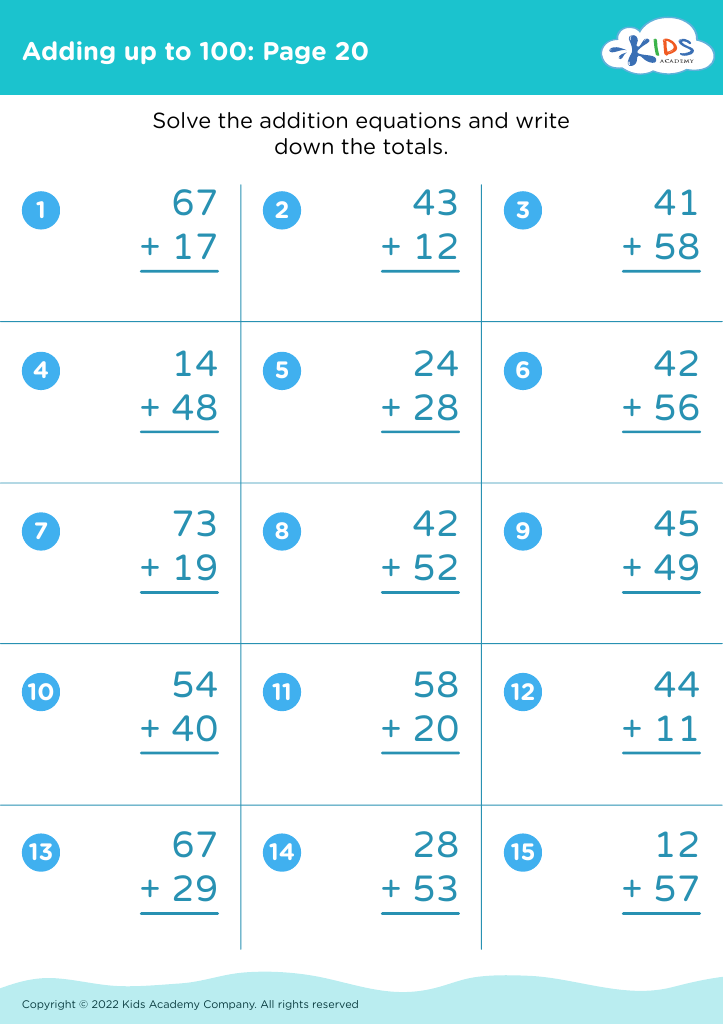
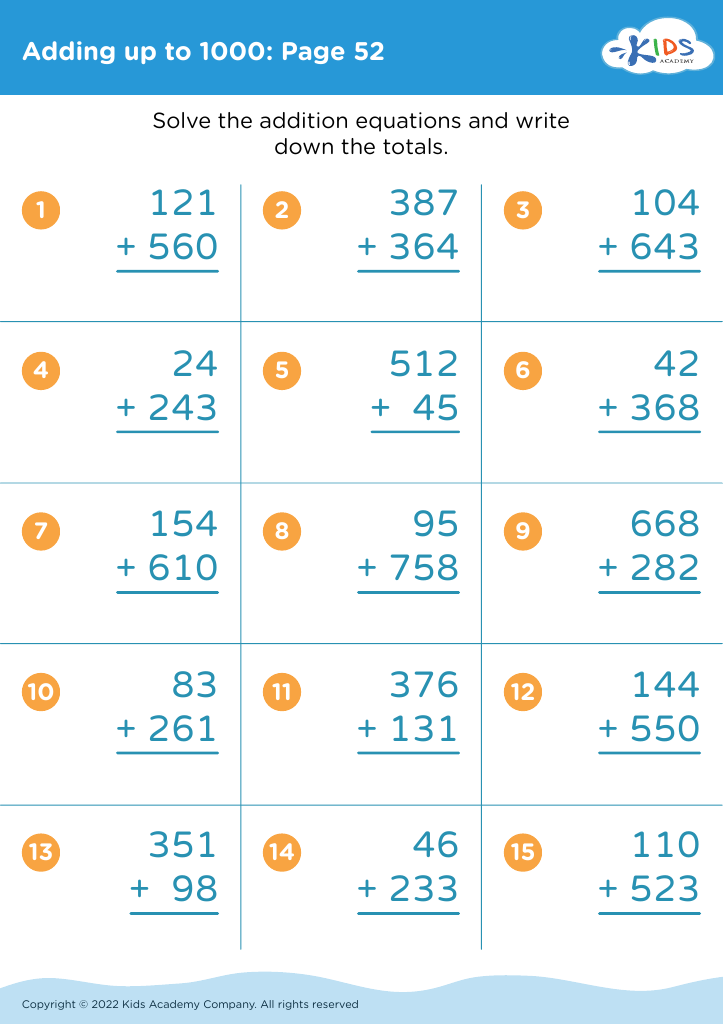
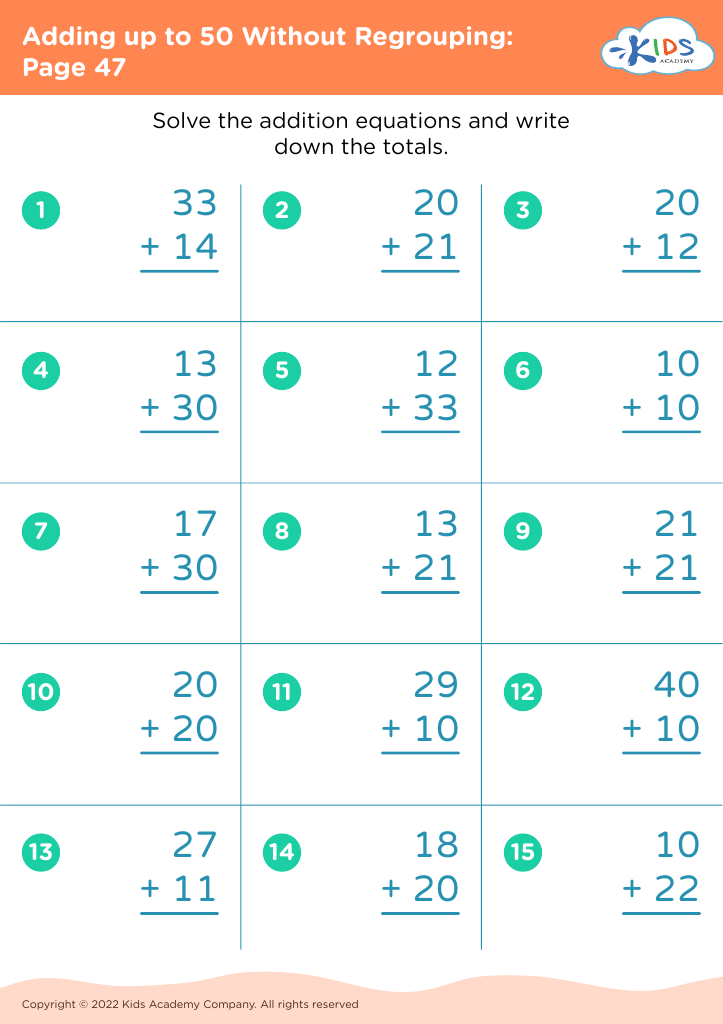
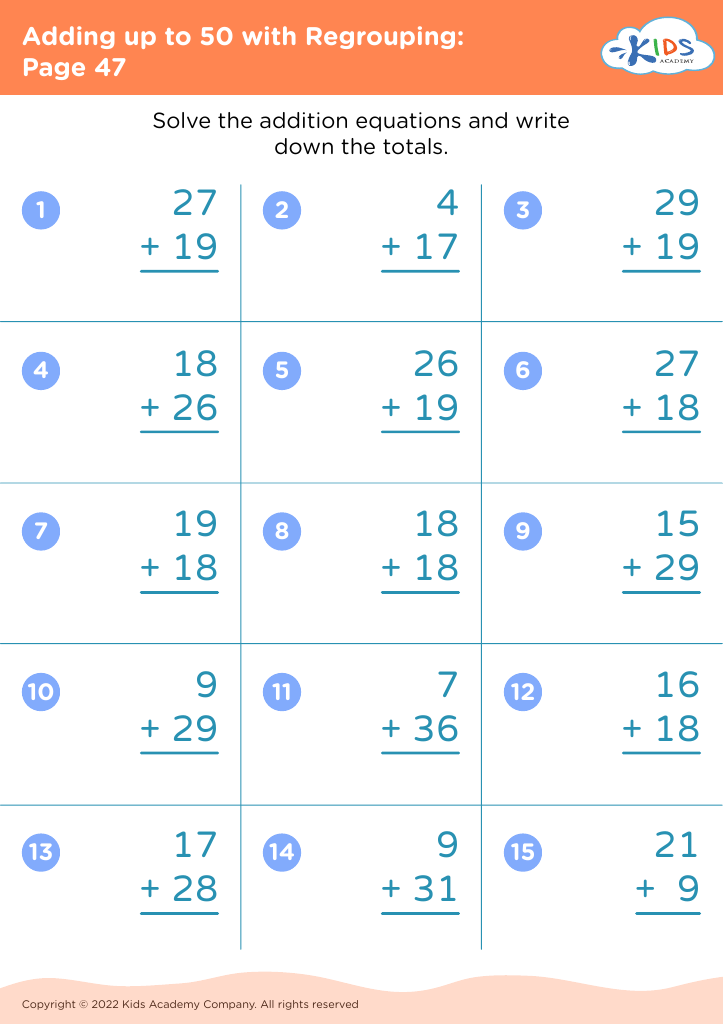
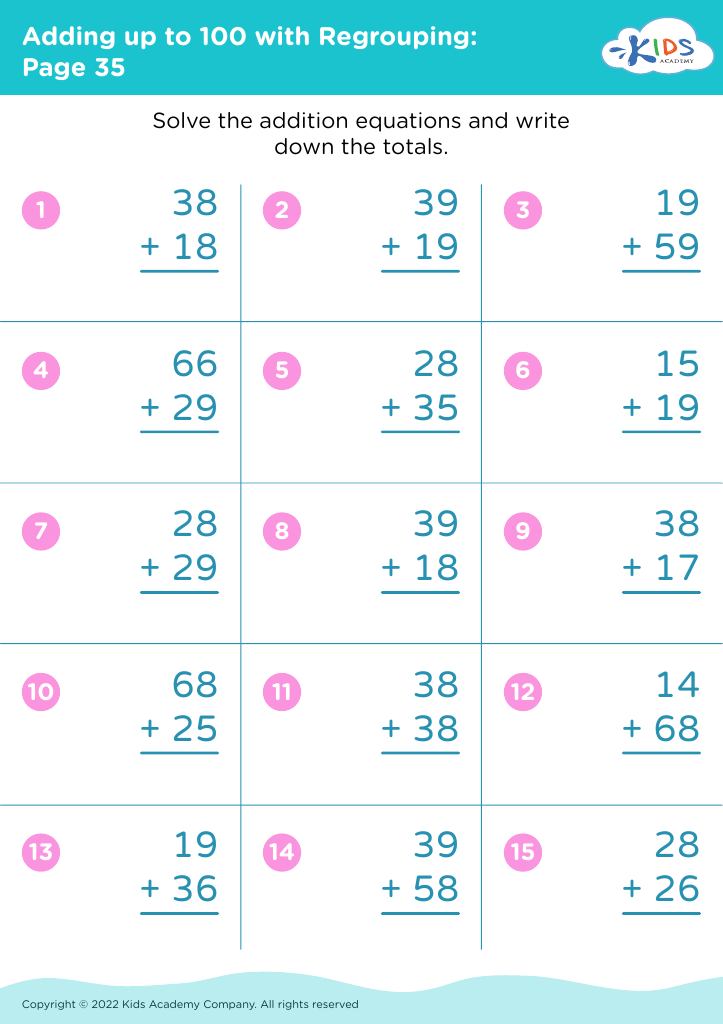
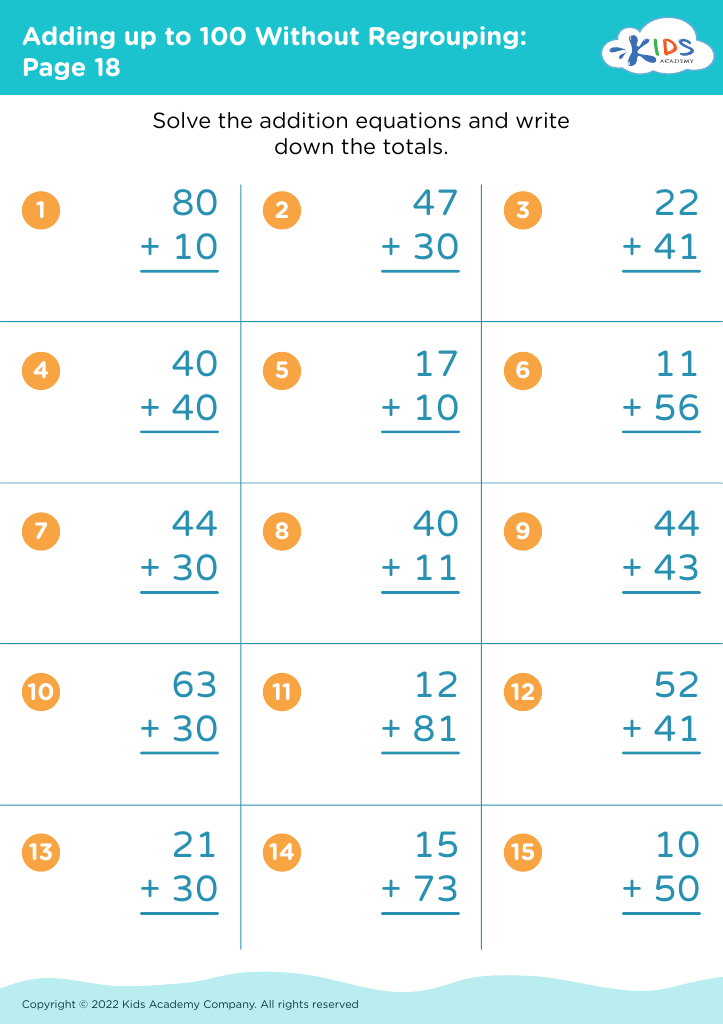
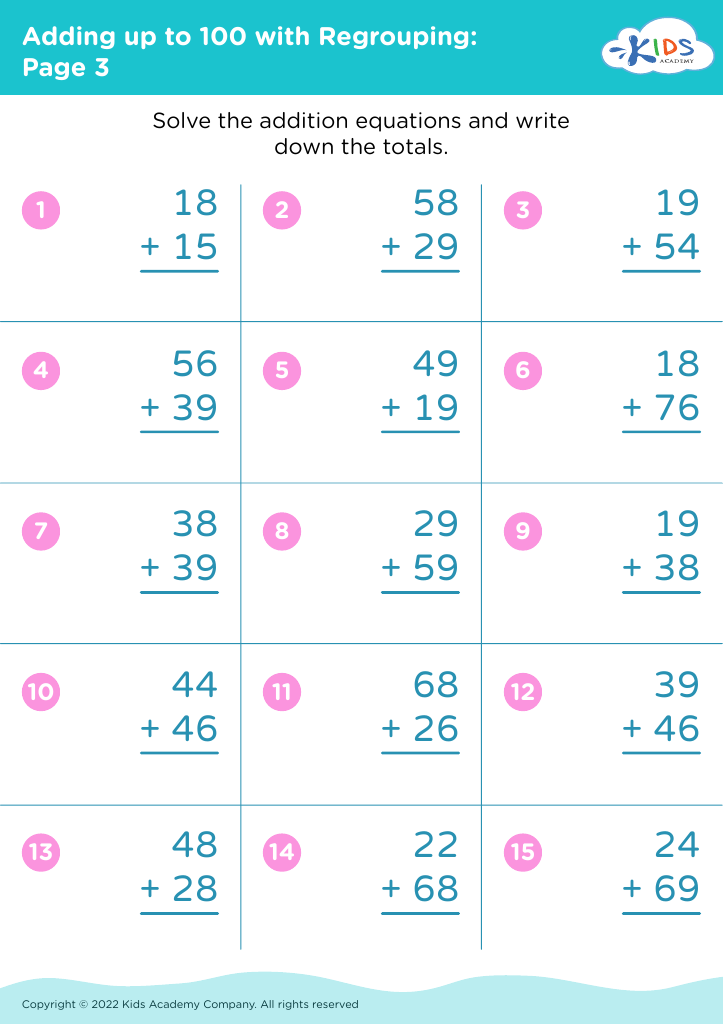
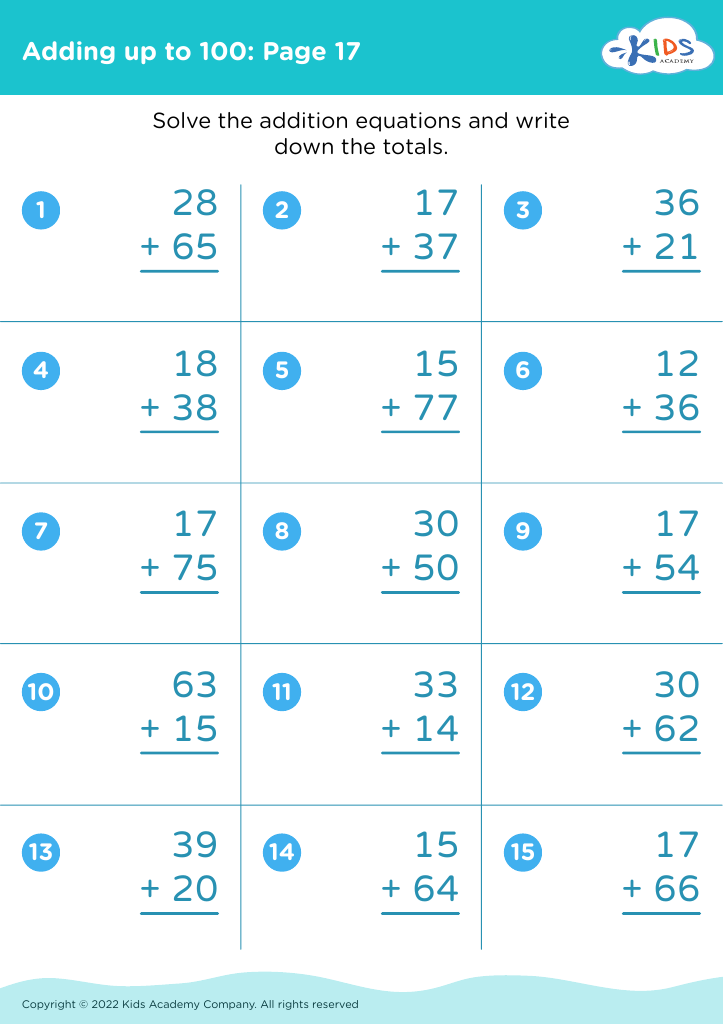
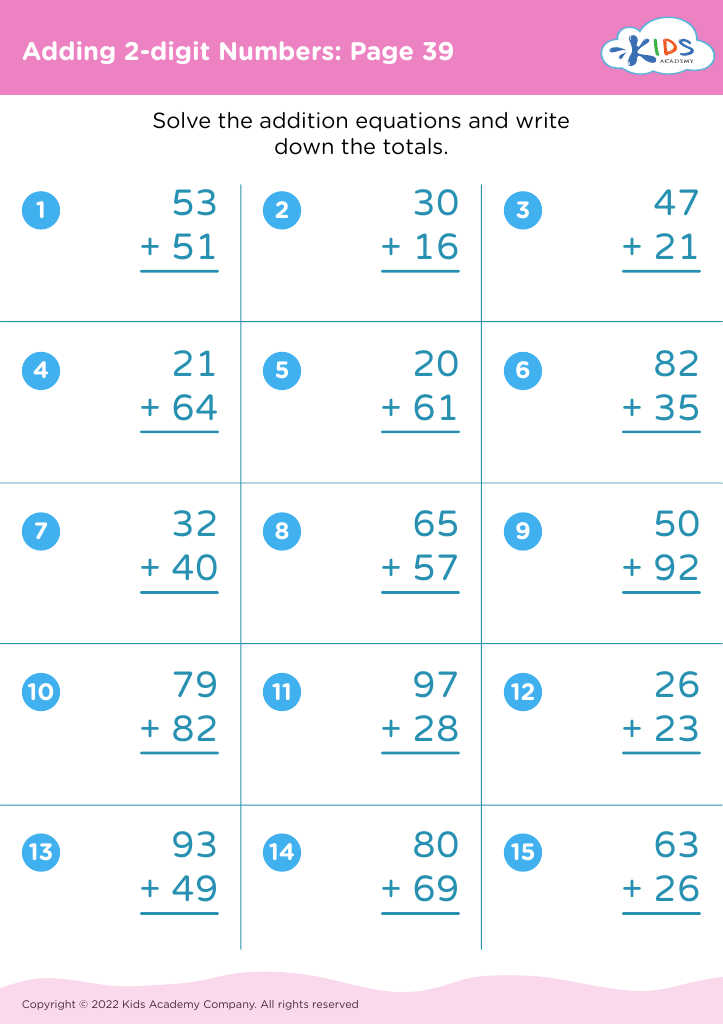
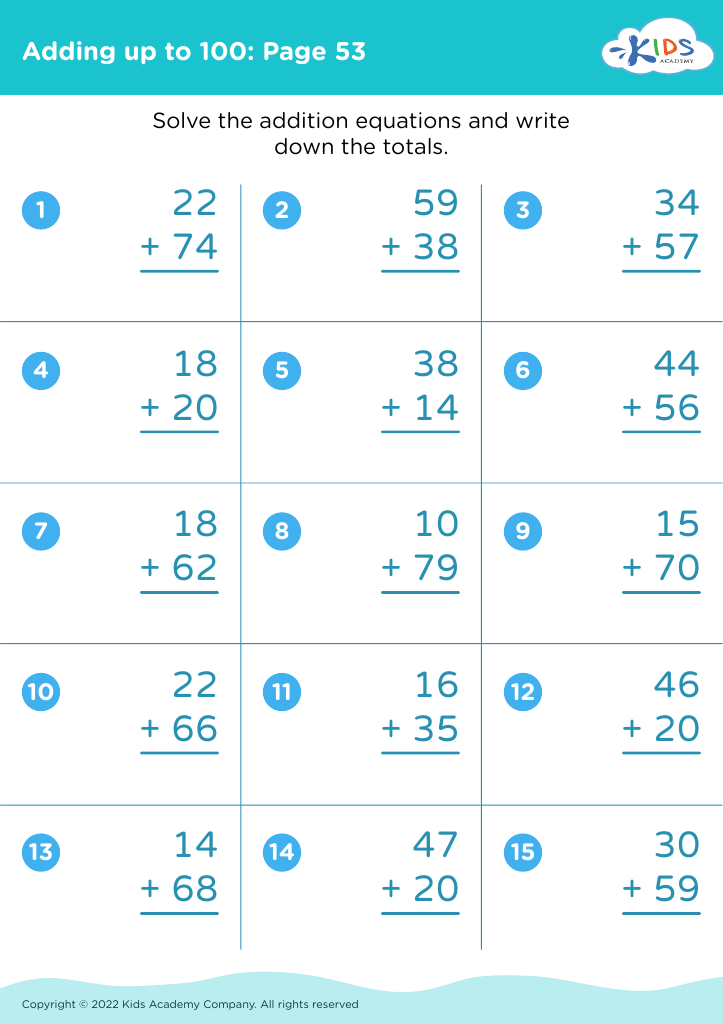
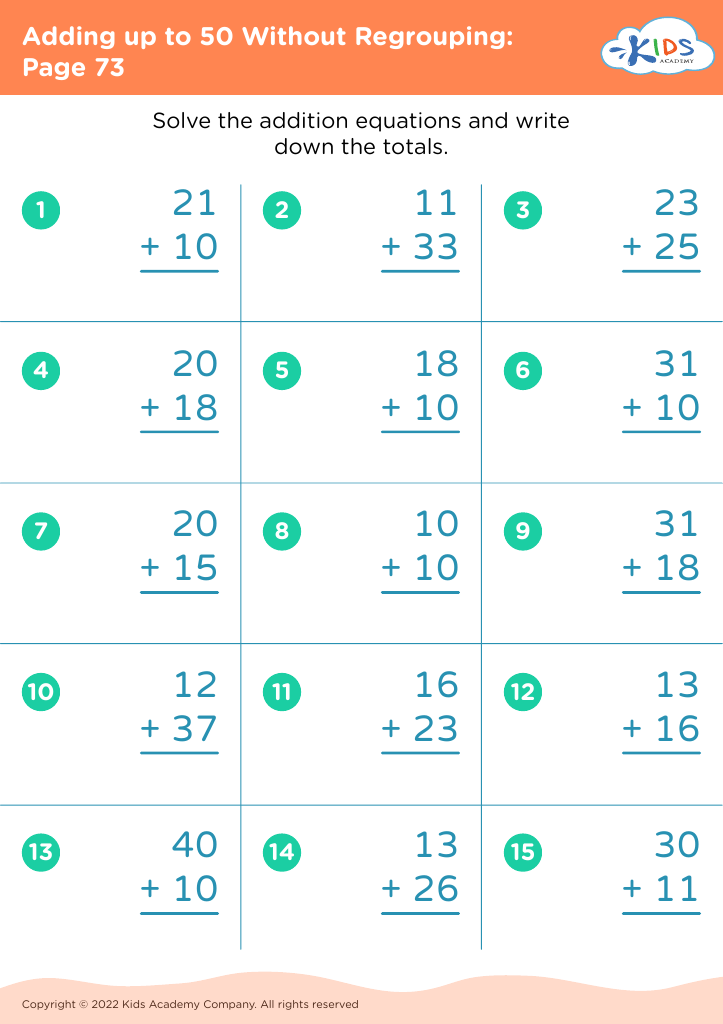
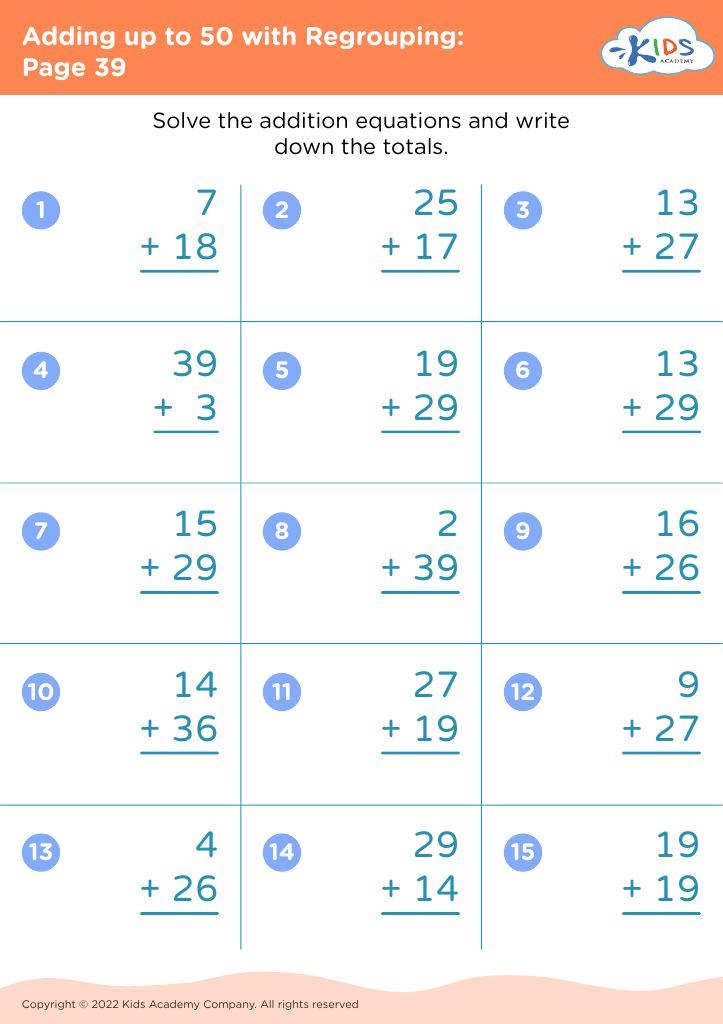








Parents and teachers should care about teaching 7-year-old children fraction simplification, addition, and subtraction because foundational math skills are crucial for cognitive development and future learning. At this age, students are developing their numerical literacy, and understanding fractions helps them grasp the concept of parts and wholes, which is essential in various aspects of daily life and advanced math.
Teaching fraction simplification simplifies mathematical problems, making it easier for young learners to solve problems accurately and efficiently. Simplified fractions are more intuitive and help children see relationships between numbers better. Addition and subtraction of fractions introduce kids to combining and comparing different parts of a whole, fostering logical thinking and problem-solving skills.
Moreover, mastering these concepts builds confidence in young learners, encouraging them to take on more challenging mathematical tasks with a positive attitude. It helps in bridging academic gaps early, ensuring they have a strong math foundation needed for concepts introduced in later grades, like algebra and geometry.
Fractions are also relevant in everyday contexts such as cooking, shopping, and time management. Teaching these concepts shows students the relevance of math in the world around them, fostering a lifelong curiosity and appreciation for the subject. In summary, focusing on fraction simplification, addition, and subtraction equips children with essential skills that support academic success and everyday life.








