Improve reading skills Addition & Subtraction Worksheets for 7-Year-Olds - Page 2
29 filtered results
-
From - To
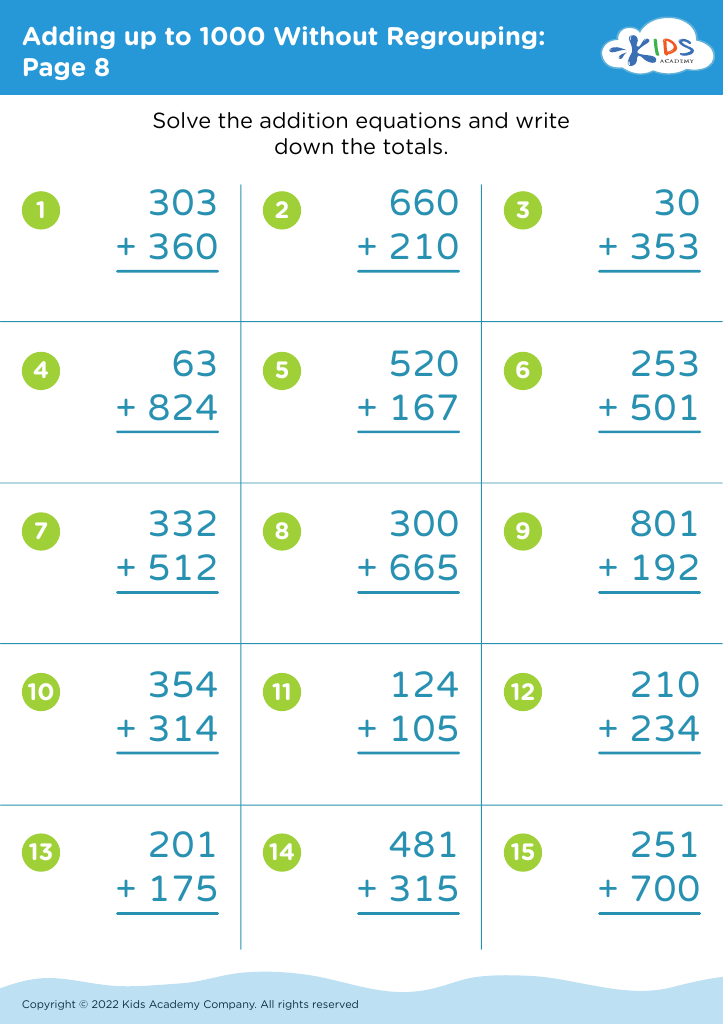
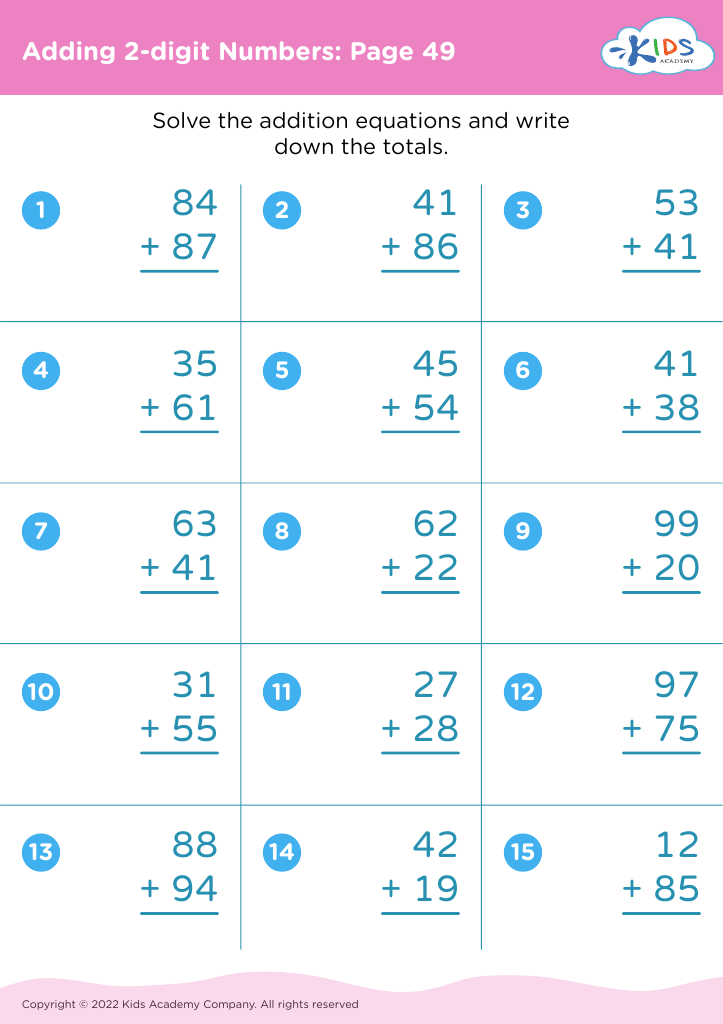
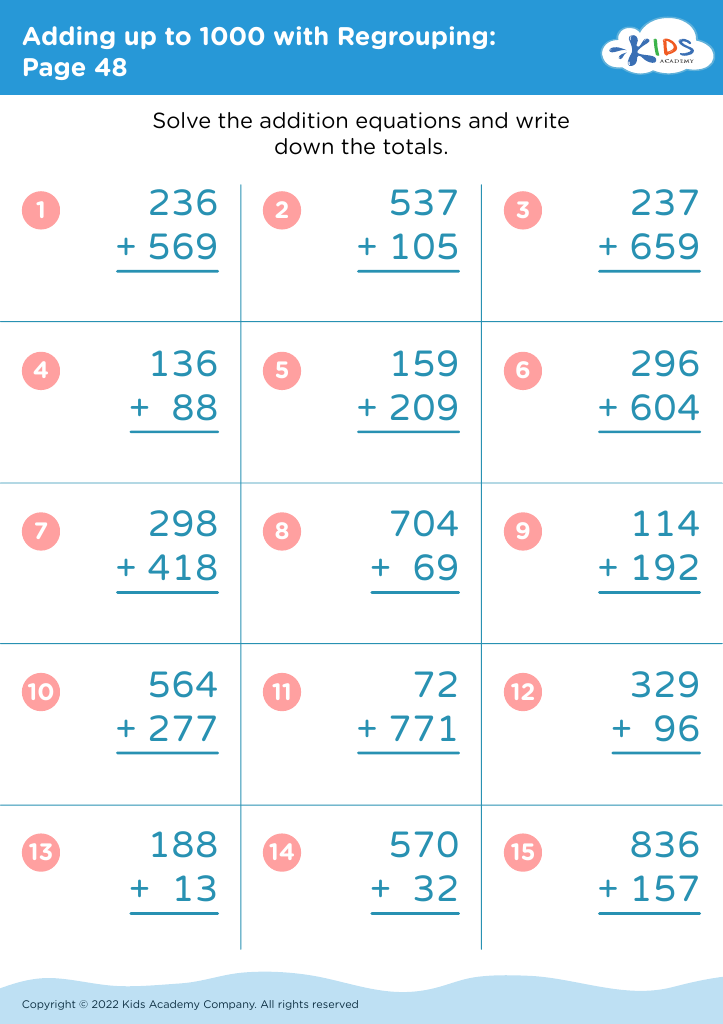
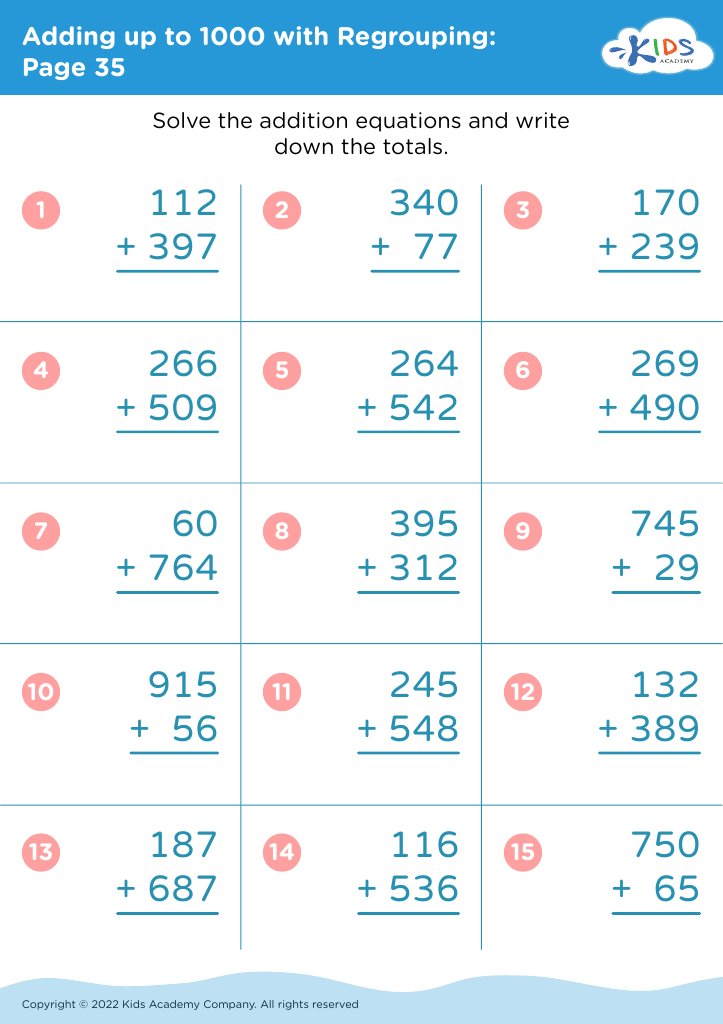
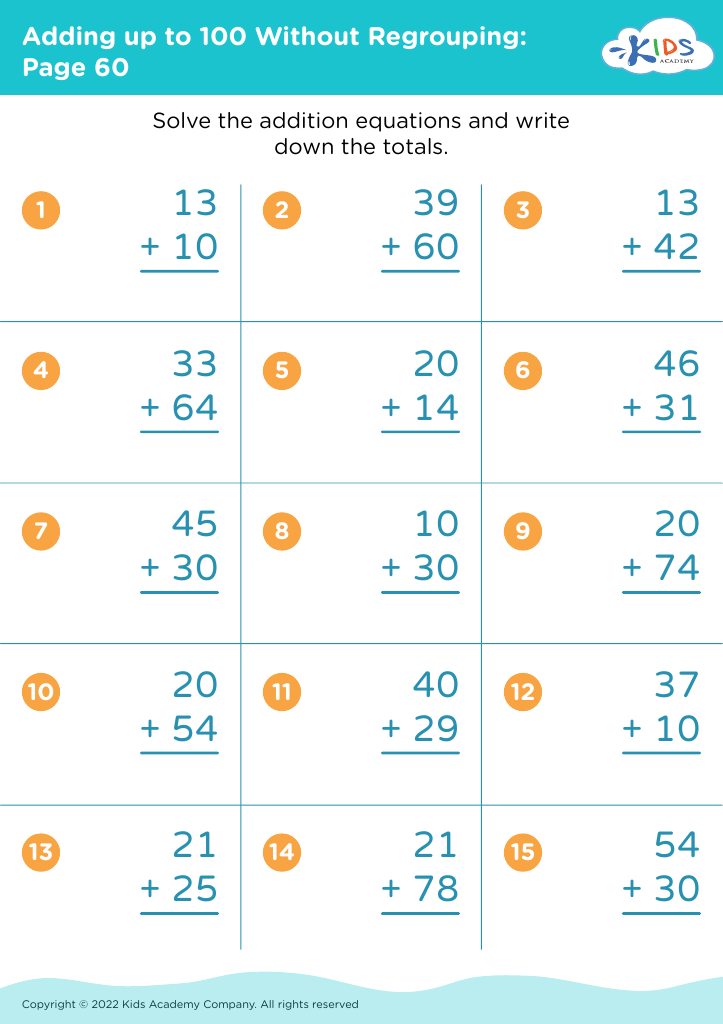








Parents and teachers should be deeply invested in improving the reading, addition, and subtraction skills of 7-year-olds as these are foundational abilities that significantly influence future academic success and overall cognitive development. At this age, children are transitioning from learning to read to reading to learn; proficient reading skills enable them to grasp new concepts, follow instructions, and enjoy stories, all of which foster a love for learning. Moreover, early literacy is strongly linked to better communication skills, higher self-esteem, and greater empathy, cultivating well-rounded individuals.
Similarly, mastering basic addition and subtraction is crucial, as these operations form the bedrock of all future mathematical learning. These skills promote logical thinking, problem-solving, and perseverance. Mathematics is a cumulative subject, meaning that each new concept builds on the ones before it. A solid grasp of addition and subtraction paves the way for understanding more complex concepts, such as multiplication, division, and fractions.
Early proficiency in these areas not only boosts academic confidence but also equips children with essential life skills. Numeracy and literacy impact everyday activities, from managing money to reading instructions. By focusing on these early skills, parents and teachers set children on a path to lifelong learning and success, both academically and personally.








