Data interpretation Numbers Worksheets for 7-Year-Olds
4 filtered results
-
From - To
Introduce your 7-year-olds to the world of data interpretation with our engaging worksheets designed specifically for their age group. These interactive resources help young learners grasp essential skills in understanding and analyzing numbers through enjoyable activities. Each worksheet features colorful visuals and relatable scenarios, encouraging kids to interpret charts, graphs, and tables with confidence. As they practice, children will enhance their critical thinking and problem-solving abilities while making math fun. Perfect for classroom use or at-home learning, these data interpretation worksheets lay a foundation for future mathematical success and empower students to draw meaningful conclusions from data!
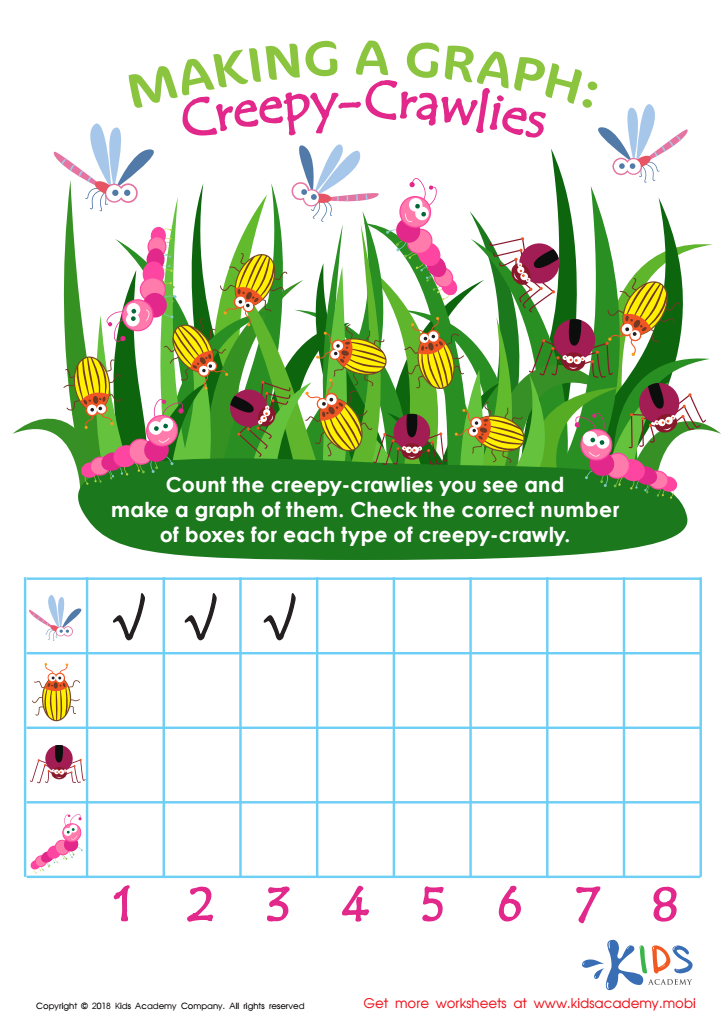
Making a Graph: Creepy Crawlies Worksheet
 Assign to My Students
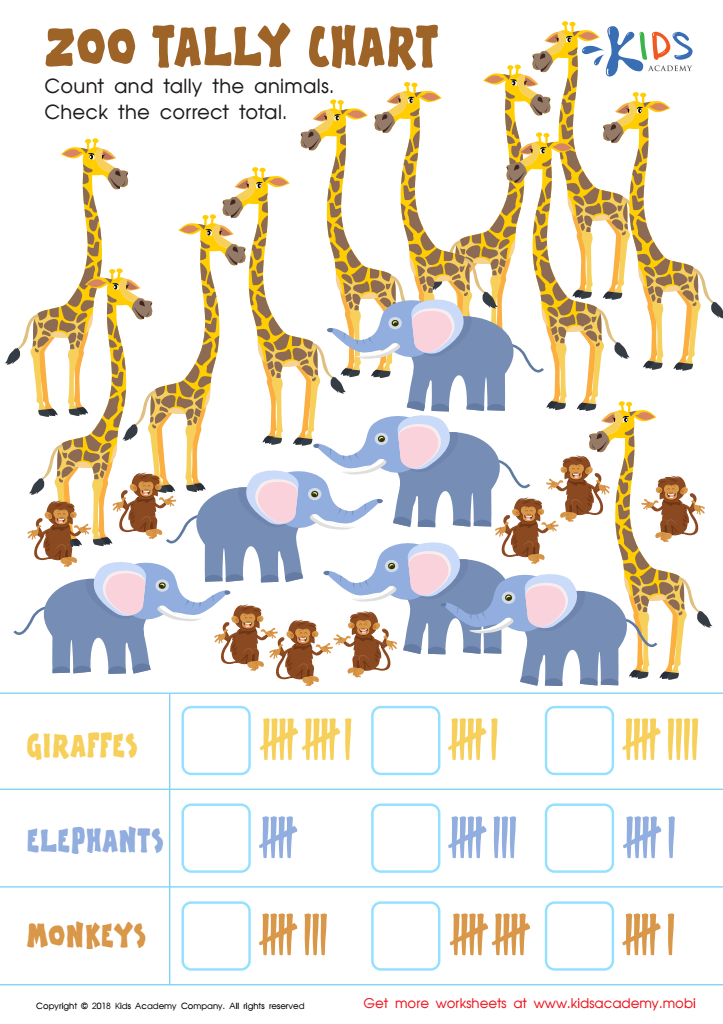
Zoo Tally Chart Worksheet
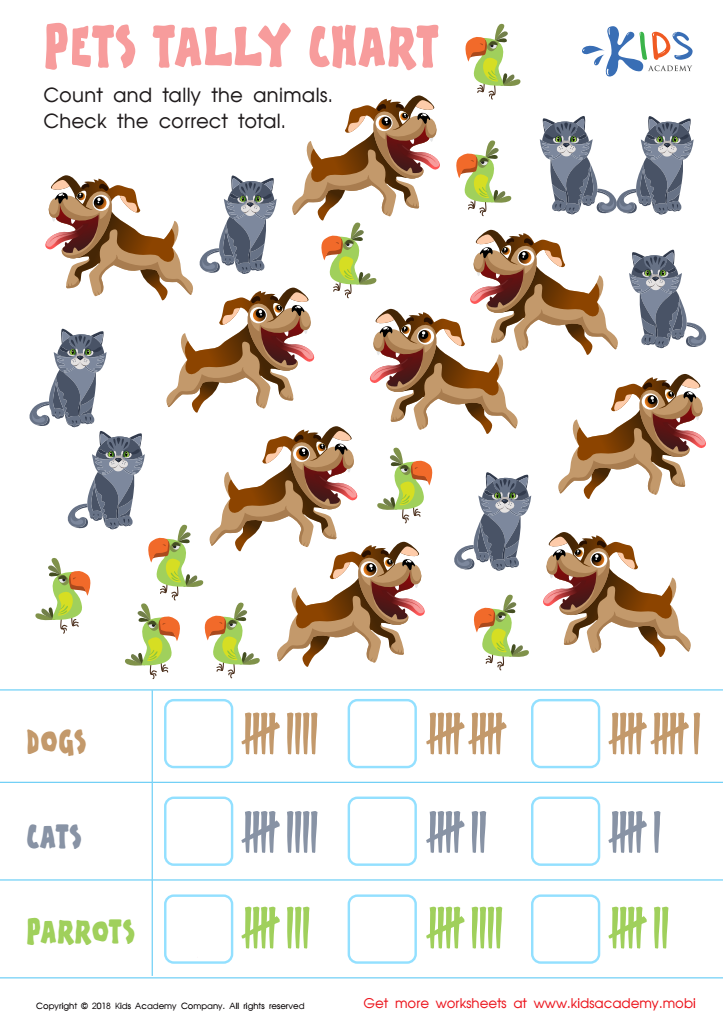
Pets Tally Chart Worksheet
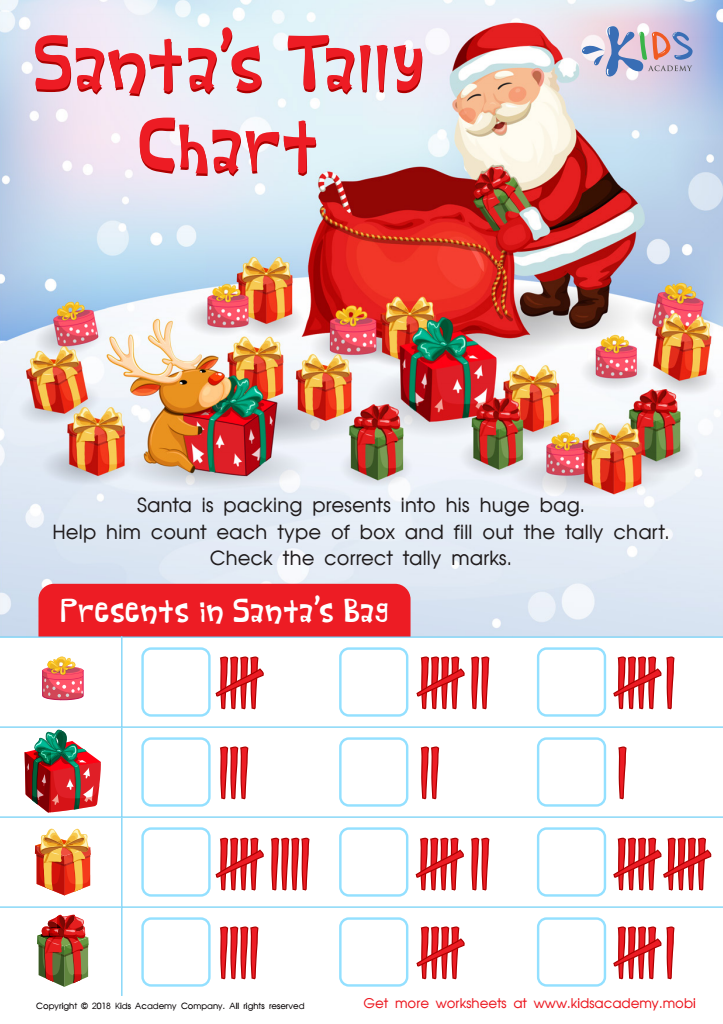
Santa Tally Chart Worksheet





%20(1).jpg)


Parents and teachers should care about data interpretation and numbers for 7-year-olds because these skills lay the foundation for critical thinking and informed decision-making. At this age, children begin to interact with numbers in meaningful ways, enhancing their ability to analyze information from various sources. When kids learn to interpret data, they not only grasp essential math concepts, such as addition, subtraction, and basic graphing, but they also learn to draw conclusions from patterns, understand trends, and make predictions.
Furthermore, data interpretation fosters curiosity and encourages children to ask questions about the world around them. For instance, through simple activities such as counting objects, creating pictographs, or analyzing weather data, children learn to recognize the relevance of math in everyday life. These activities promote problem-solving skills and reinforce a child's ability to communicate findings effectively.
Equipping children with the ability to understand and use data empowers them in their academic journey and beyond. In today's data-driven society, these competencies are crucial for success in future studies and careers. Overall, nurturing these skills in young learners instills confidence and prepares them for a world where quantitative analysis is increasingly essential.








