Fine Motor Skills Numbers Worksheets for 7-Year-Olds - Page 2
32 filtered results
-
From - To
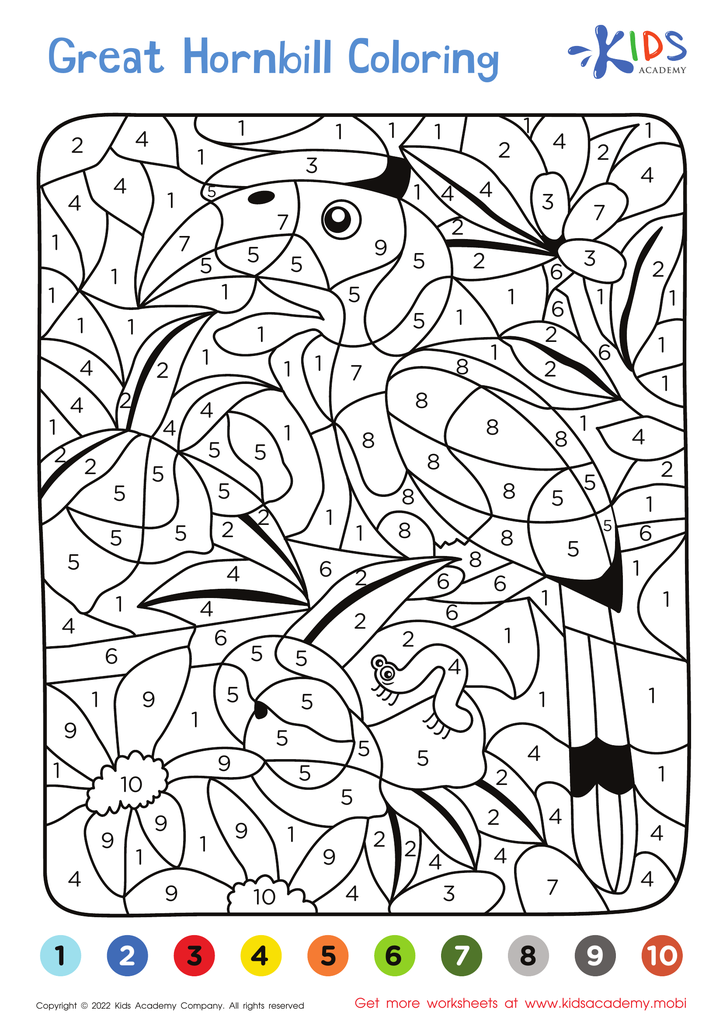
Great Hornbill – Coloring by Numbers

Counting on the City Skyline: Dot-to-Dot Worksheet
 Assign to My Students
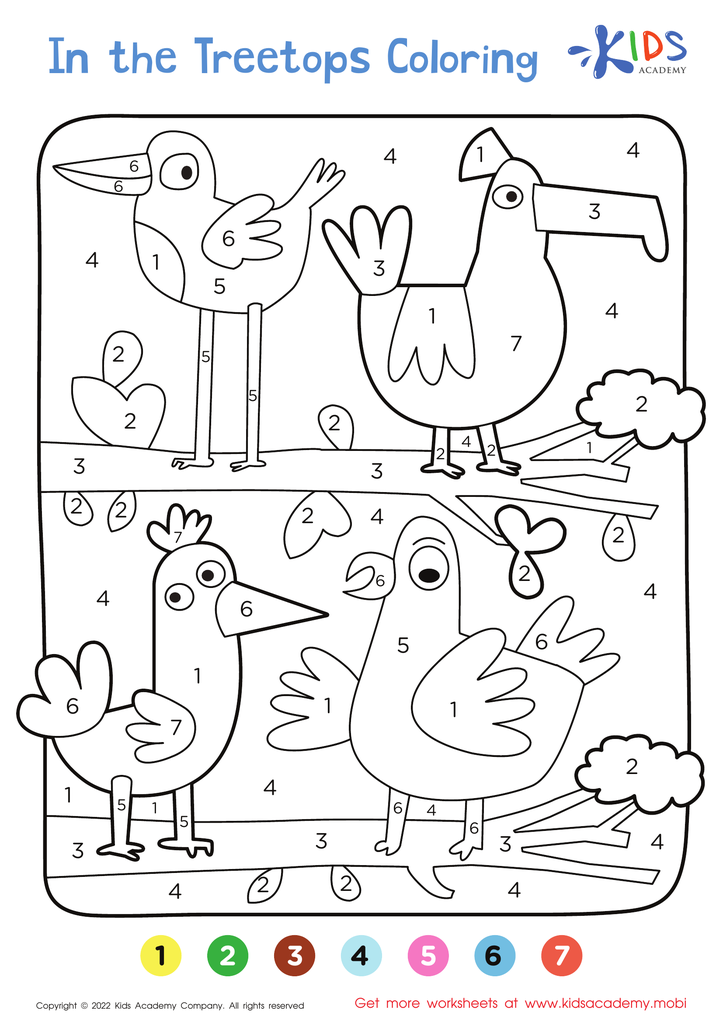
In the Treetops – Coloring Page
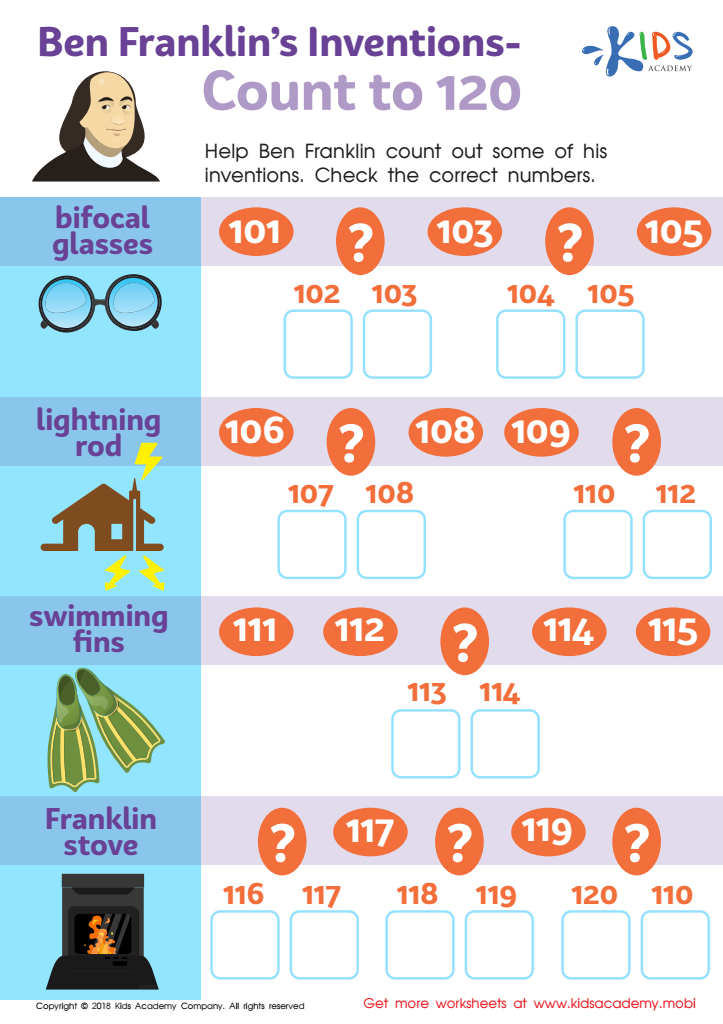
Ben Franklin’s Inventions – Count to 120 Worksheet
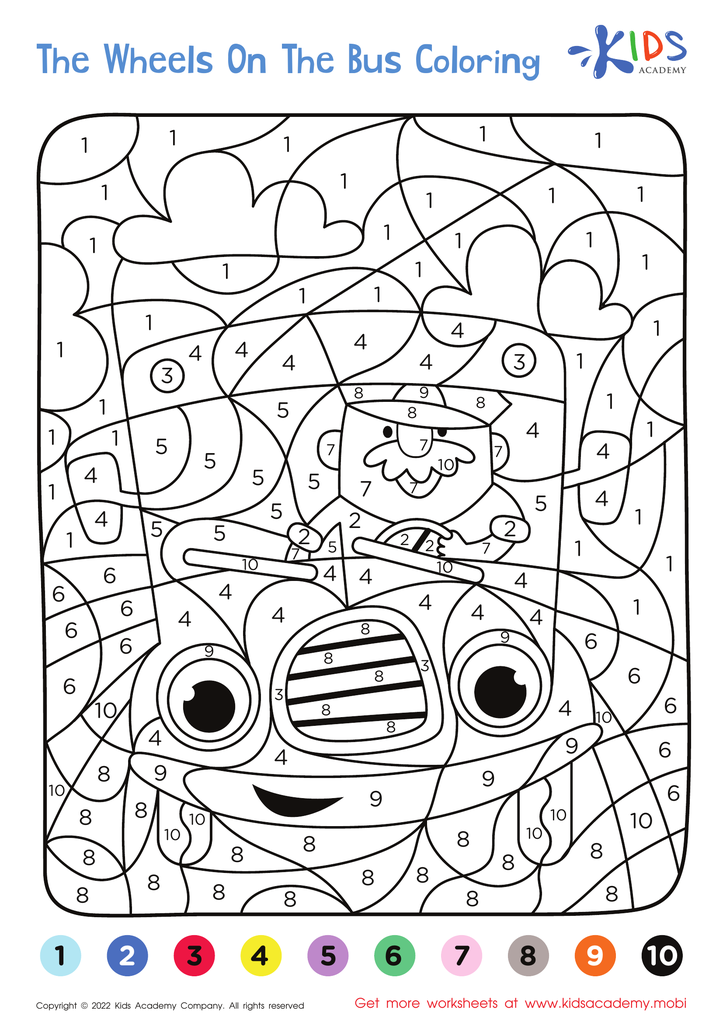
Wheels on the Bus – Coloring by Numbers
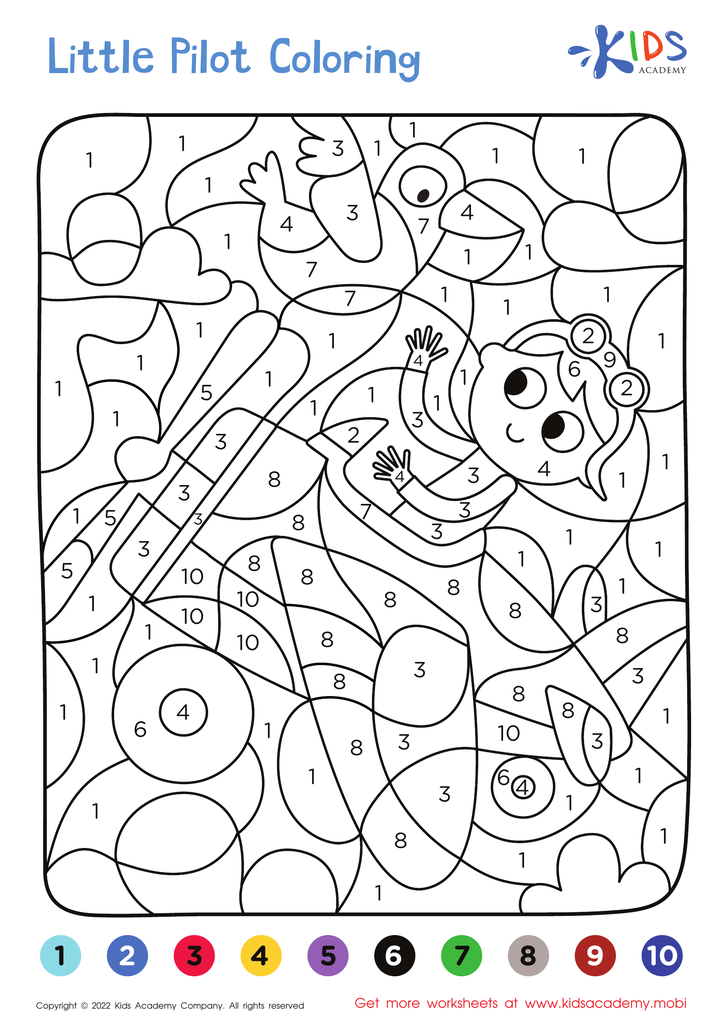
Little Pilot – Coloring by Numbers
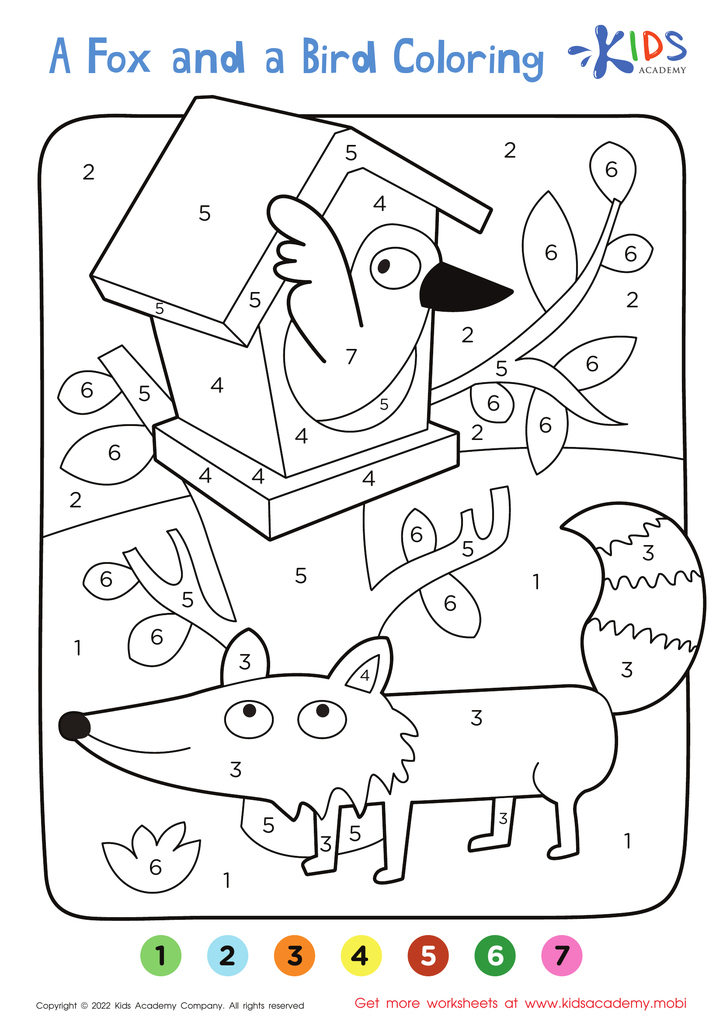
A Fox and a Bird – Coloring by Numbers
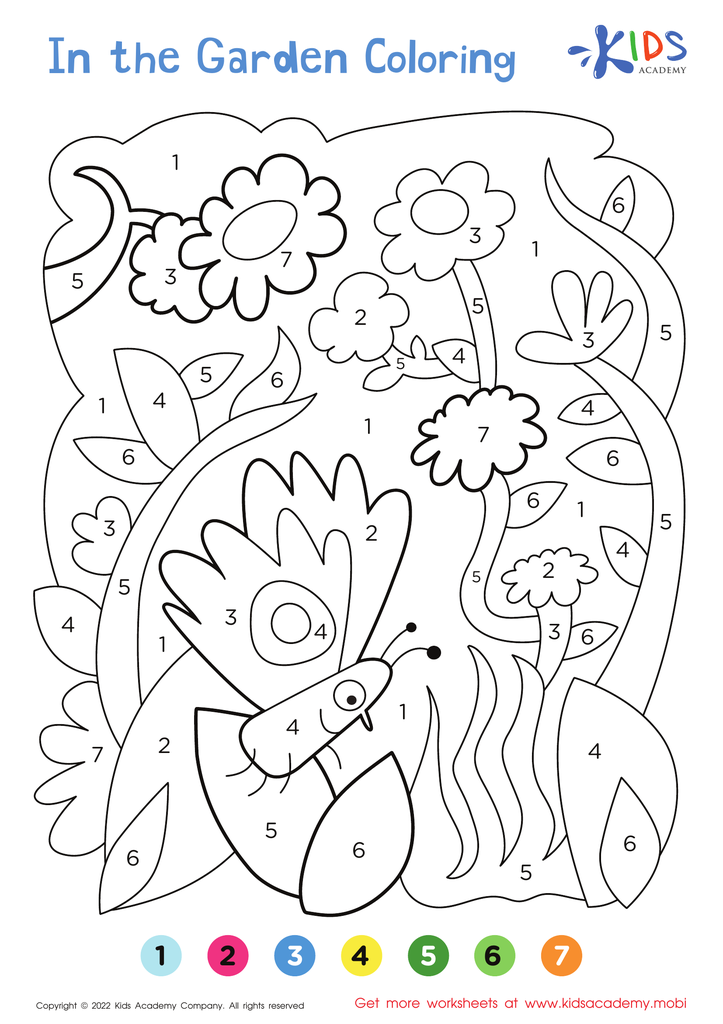
In the Garden – Coloring by Numbers


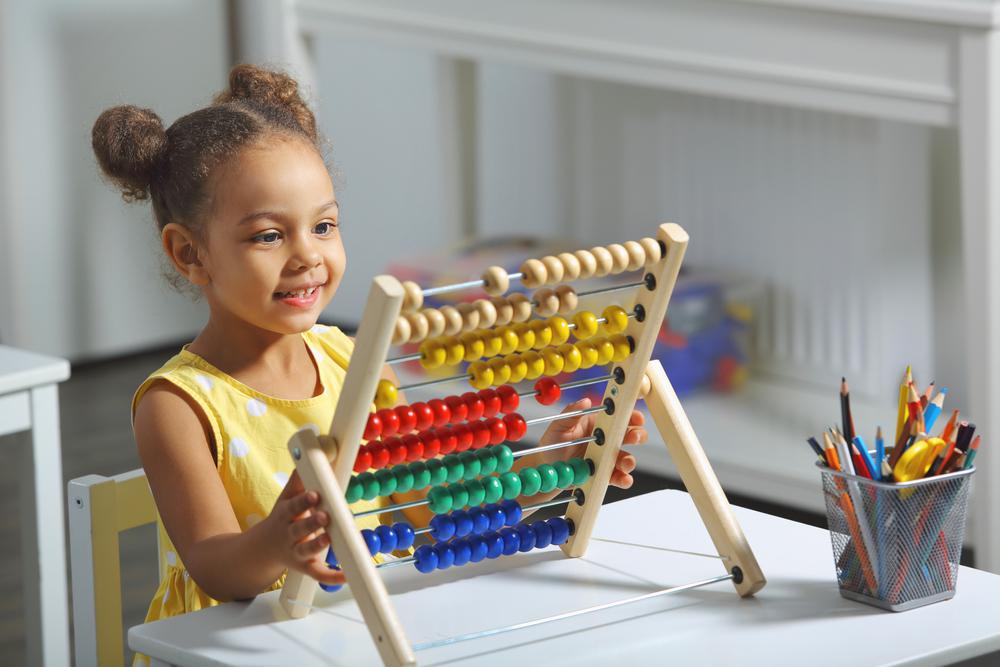





Fine motor skills play a crucial role in the holistic development of 7-year-olds, impacting their academic performance and daily life activities. These skills involve the coordination of small muscles in the hands and fingers, crucial for tasks like writing, cutting with scissors, dressing, and tying shoelaces.
First, for academic success, fine motor skills are essential. Children at this age are refining their handwriting, cutting shapes, and using tools like rulers and glue sticks. Proficiency in these tasks allows them to engage more effectively in classroom activities, leading to better academic outcomes. Diminished fine motor skills can result in frustration, lower self-esteem, and difficulty in keeping up with classwork.
Second, developing fine motor abilities fosters independence. As children begin to manage personal care tasks, such as dressing and eating, proficient motor skills allow them to perform these activities confidently, enhancing their sense of autonomy.
Lastly, fine motor development is linked to cognitive growth. Activities that strengthen these skills—like drawing or building blocks—encourage problem-solving, creativity, and spatial awareness. This intertwined development is key to their overall brain development.
In essence, prioritizing the development of fine motor skills equips 7-year-olds with the necessary tools for academic success, personal independence, and cognitive progression, creating a strong foundation for future growth and learning.








