Artistic Expression Math Worksheets for 7-Year-Olds
3 filtered results
-
From - To
Discover our engaging Artistic Expression Math Worksheets designed specifically for 7-year-olds! These creative worksheets combine the joy of art with foundational math skills, helping young learners enhance their understanding of numbers, shapes, and measurements through fun and hands-on activities. Our worksheets encourage children to express themselves while practicing essential math concepts, fostering both creativity and cognitive development. Perfect for at-home learning or classroom use, these resources promote critical thinking and problem-solving in a visually stimulating way. Explore the world of math through art and watch your child thrive in an enjoyable, creative atmosphere. Download yours today for a fun learning experience!
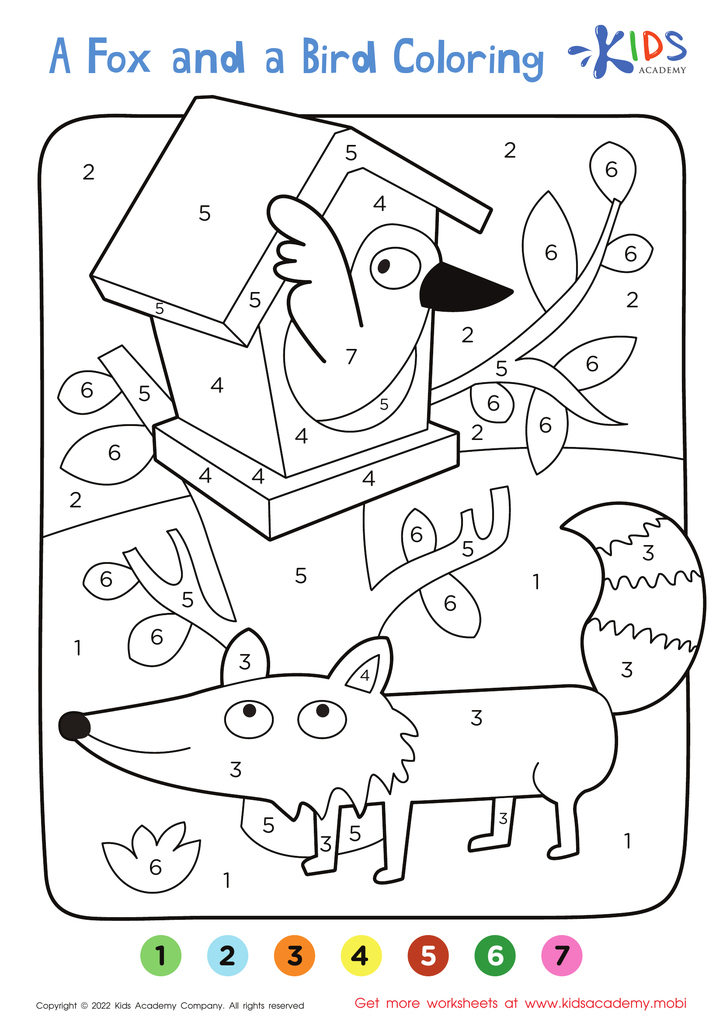
A Fox and a Bird – Coloring by Numbers








Artistic Expression Math combines creativity and mathematics, providing a unique learning experience for 7-year-olds. Engaging in this interdisciplinary approach helps children not only to grasp mathematical concepts but also to express themselves artistically, reinforcing their understanding through visual representation. As children use art to explore math — whether through drawing shapes, creating patterns, or building models — they develop critical thinking skills and enhance their problem-solving abilities.
Moreover, integrating art into math lessons makes learning more enjoyable and memorable. For young learners, structured math can sometimes feel rigid or daunting. Adding artistic elements fosters a playful environment that invites exploration and experimentation, encouraging a love for learning. This method helps cater to diverse learning styles, allowing children to connect with math in a way that feels natural and meaningful.
Additionally, skills gained through Artistic Expression Math can build confidence. When children see relationships between mathematical ideas and their creative outputs, they are more likely to embrace challenges and view mistakes as opportunities for growth. Ultimately, both parents and teachers should champion this enriching approach, as it nurtures well-rounded individuals who can synthesize knowledge across disciplines, preparing them for future academic and personal endeavors.








