Basic Math understanding Math Worksheets for 7-Year-Olds
3 filtered results
-
From - To
Unlock your child's potential with our "Basic Math Understanding Math Worksheets for 7-Year-Olds." Designed to foster a love for math, these printable worksheets cover essential topics like addition, subtraction, multiplication, and division. Each worksheet is crafted to build fundamental math skills through engaging exercises and interactive challenges. Perfect for at-home learning or supplemental classroom activities, our resources ensure your 7-year-old gains confidence and improves their problem-solving abilities. Explore a wide range of skill-building activities and make math an exciting adventure for your young learner with our expertly designed worksheets.
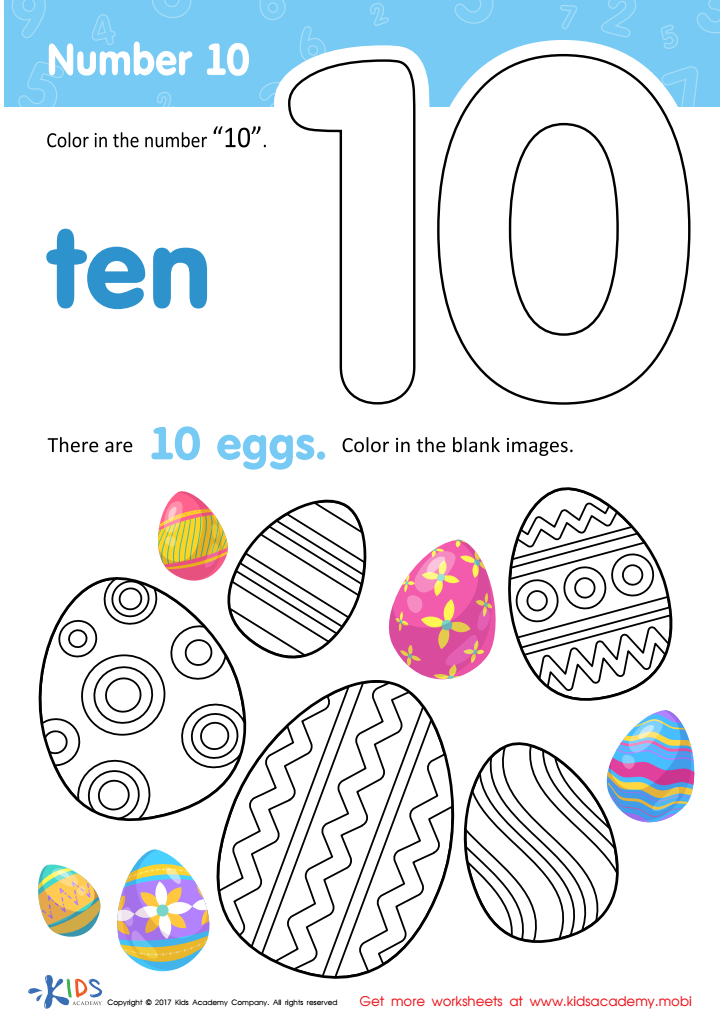
Number 10 Printable
 Assign to My Students
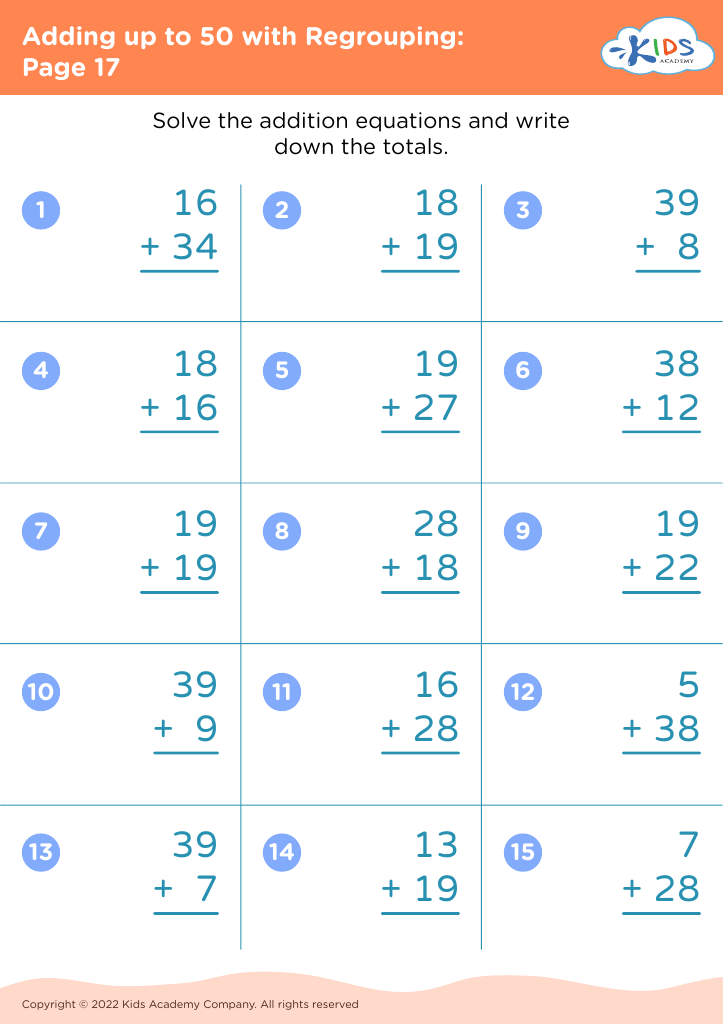
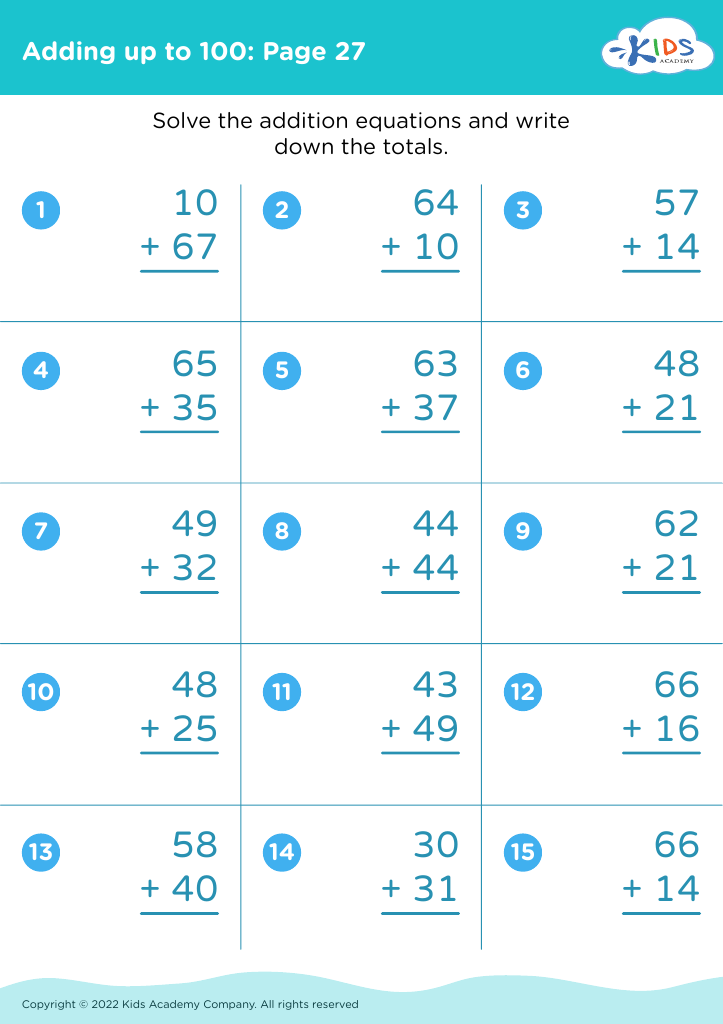






Parents and teachers should care deeply about ensuring a strong understanding of basic math for 7-year-olds as it lays the foundational skills needed for future academic and real-world success. At this early age, children develop critical thinking and problem-solving abilities by learning fundamental concepts such as addition, subtraction, counting, and simple number patterns. These skills are crucial for more advanced topics like multiplication, division, and fractions that they will encounter later.
Early math skills are predictive of later academic achievement across various subjects, not just in mathematics. A solid grounding in math enhances logical reasoning, boosts confidence, and fosters a positive attitude towards learning. This is a critical period for cognitive development; concepts understood now can facilitate a smoother transition to more complex topics.
Furthermore, early math proficiency is linked with better financial literacy and everyday problem-solving. It's not just about academic success; it's about equipping children with tools for everyday decision-making and critical thinking. For these reasons, parents and teachers should collaborate in creating a supportive and engaging learning environment, utilizing playful activities, hands-on experiences, and positive reinforcement to spark an enduring interest and competence in math. This investment in early math skills can open doors to various opportunities and lifelong learning.








