Check out this FREE Trial Lesson on Math for age 7!

My Family

Favorites
With answer key
Interactive
  • 7
  • Comparing Fractions
  • Math
Making Smaller Shares Worksheet

Making Smaller Shares Worksheet

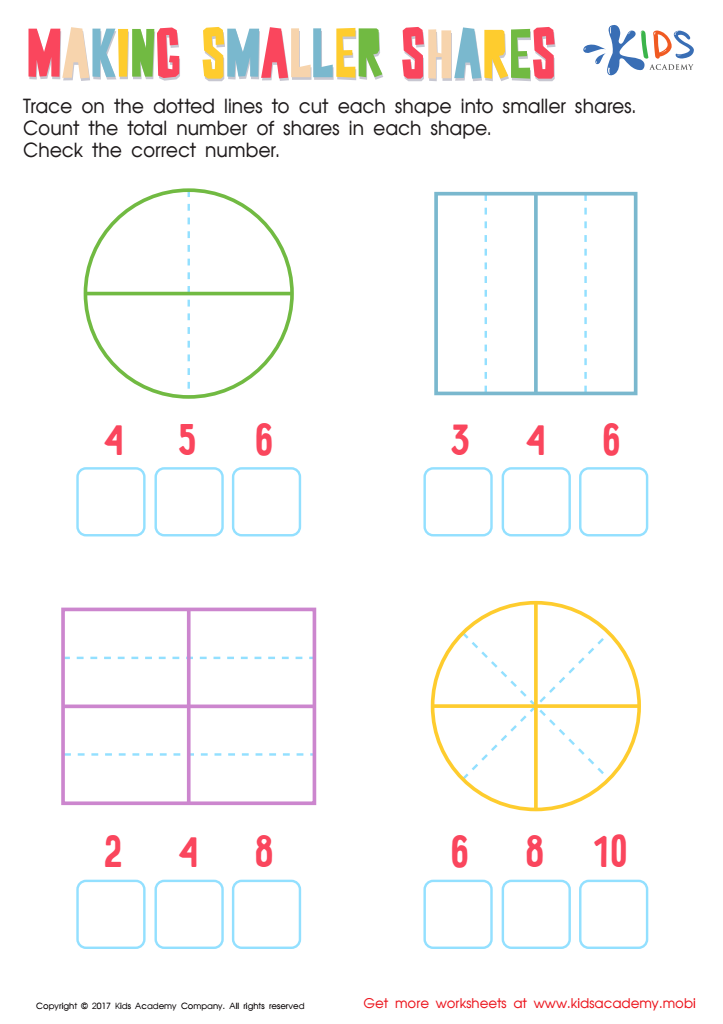
Help your kids learn shapes by having them cut out shapes on this tracing sheet. Point out the dotted lines, then guide their hand as they trace them, breaking shapes into smaller parts. Ask your children to count the number of parts and check the answers given.
Making Smaller Shares Worksheet
Worksheet
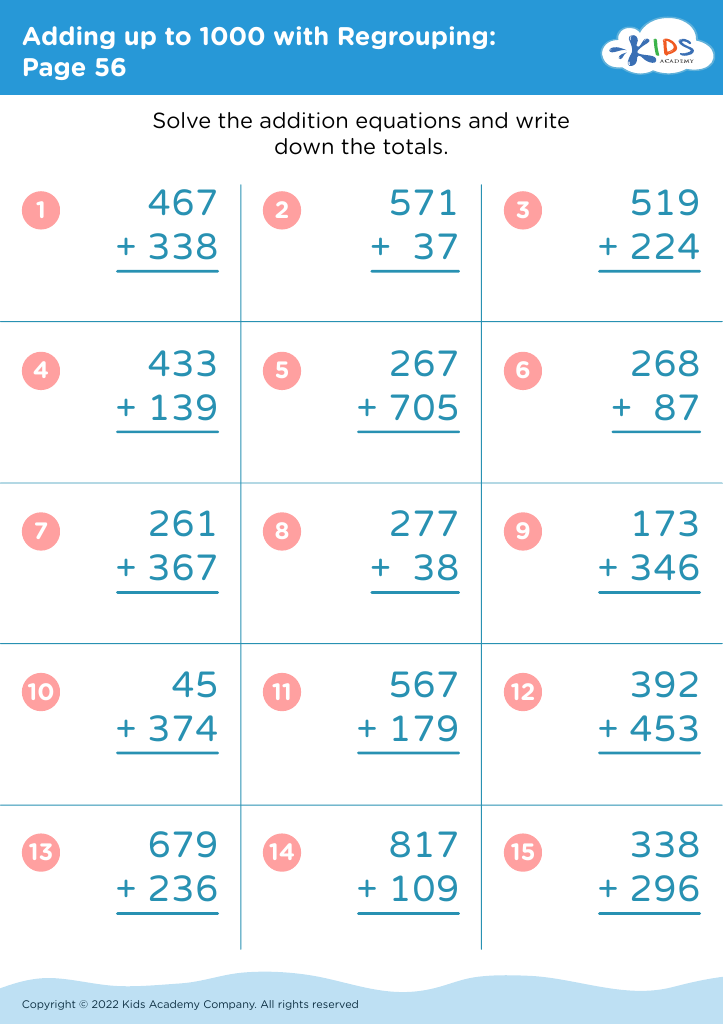
Adding up to 1000 with Regrouping: Page 56
Worksheet
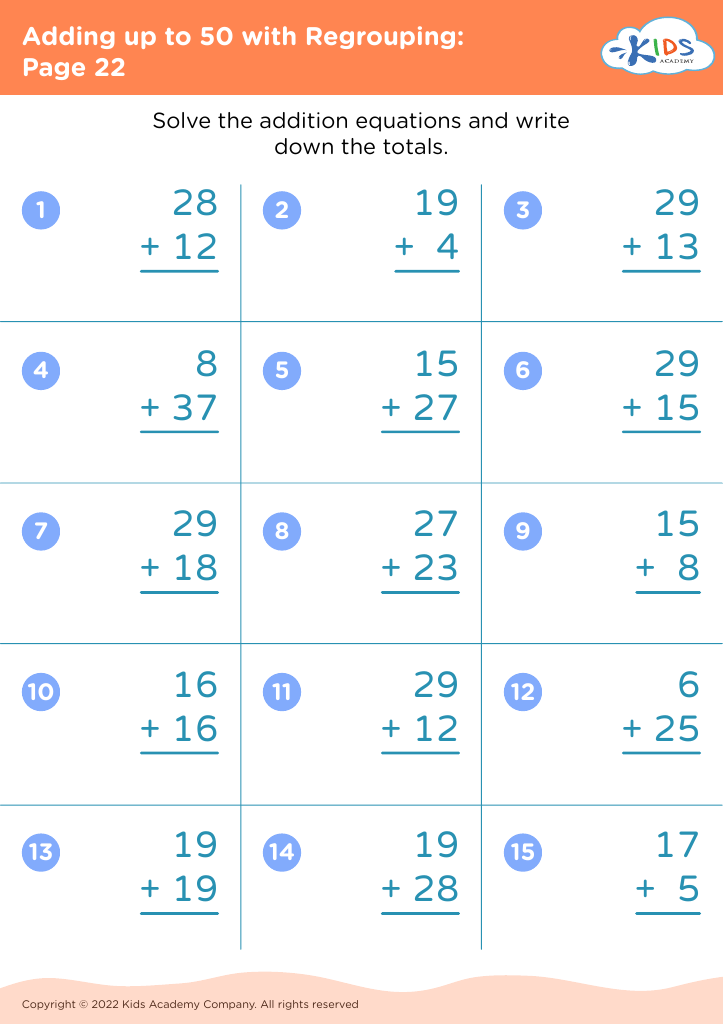
Adding up to 50 with Regrouping: Page 22
Worksheet
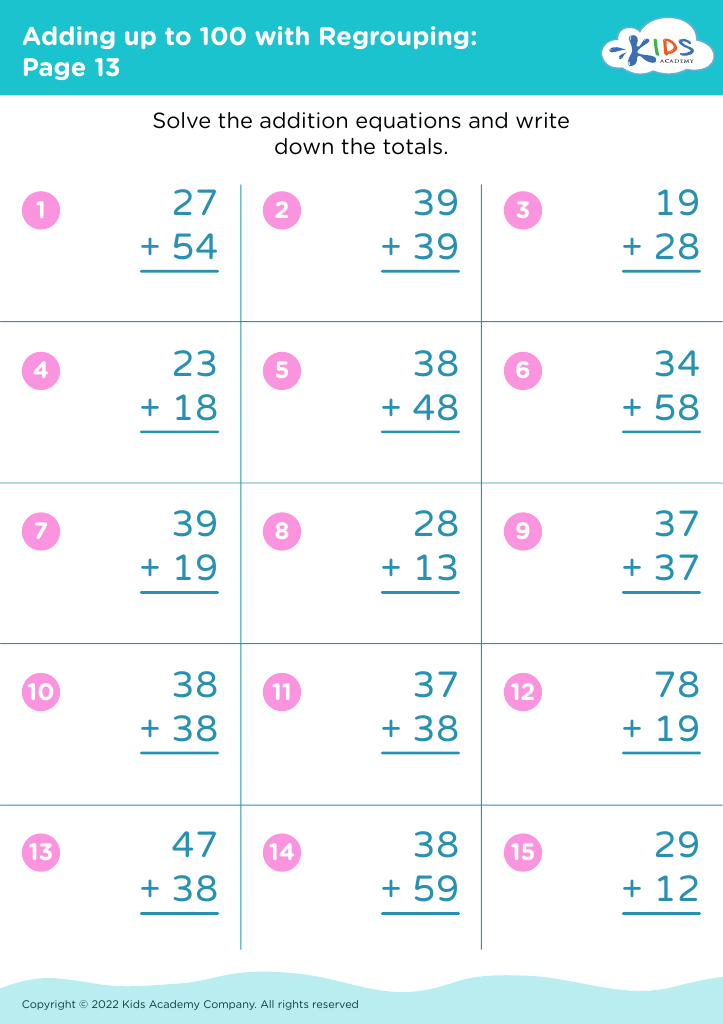
Adding up to 100 with Regrouping: Page 13
Worksheet
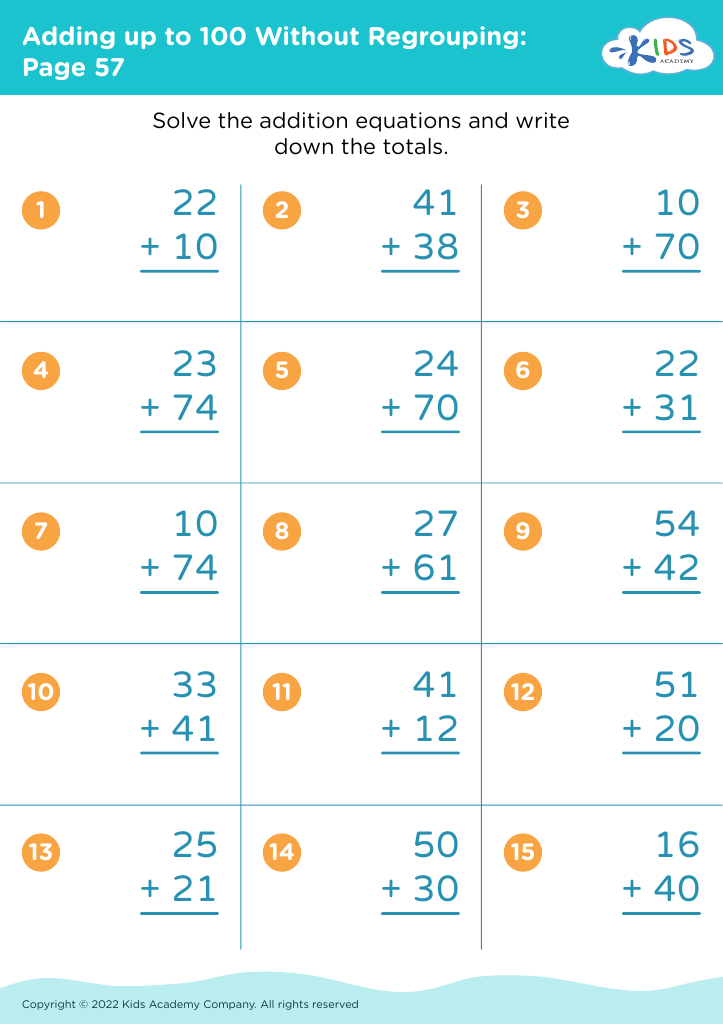
Adding up to 100 Without Regrouping: Page 57
Worksheet
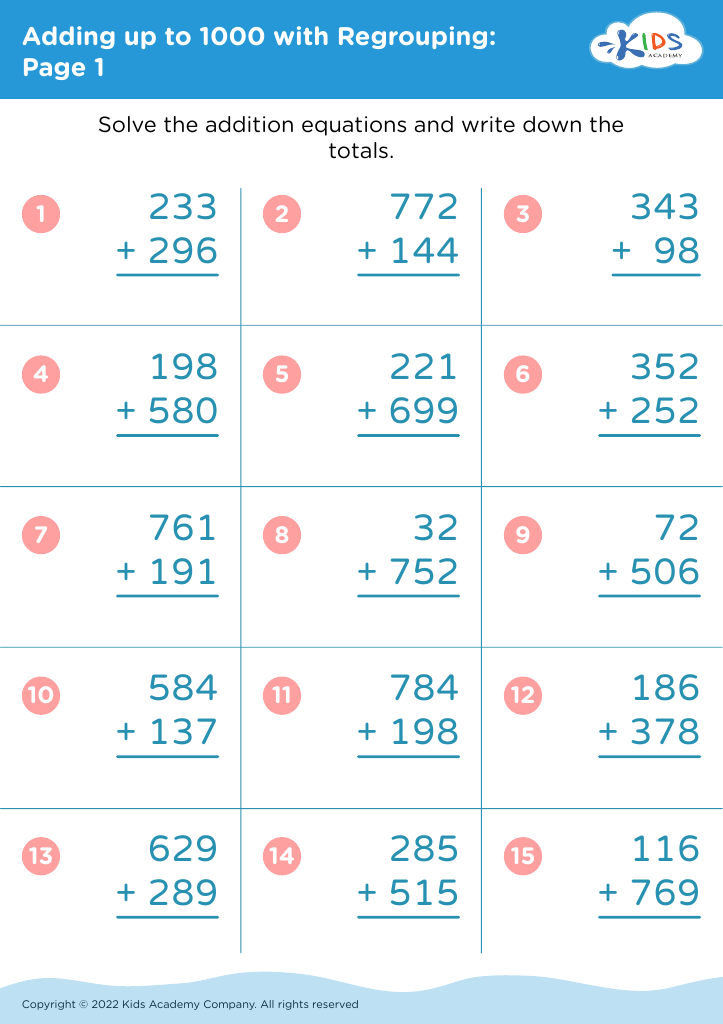
Adding up to 1000 with Regrouping: Page 1
Worksheet
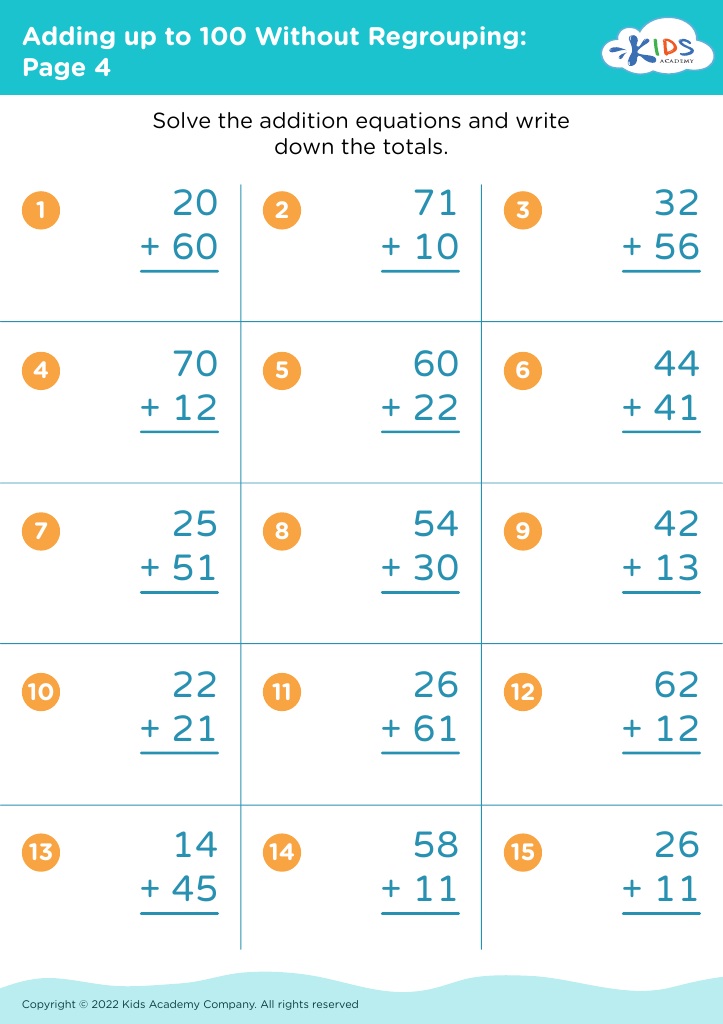
Adding up to 100 Without Regrouping: Page 4
Worksheet
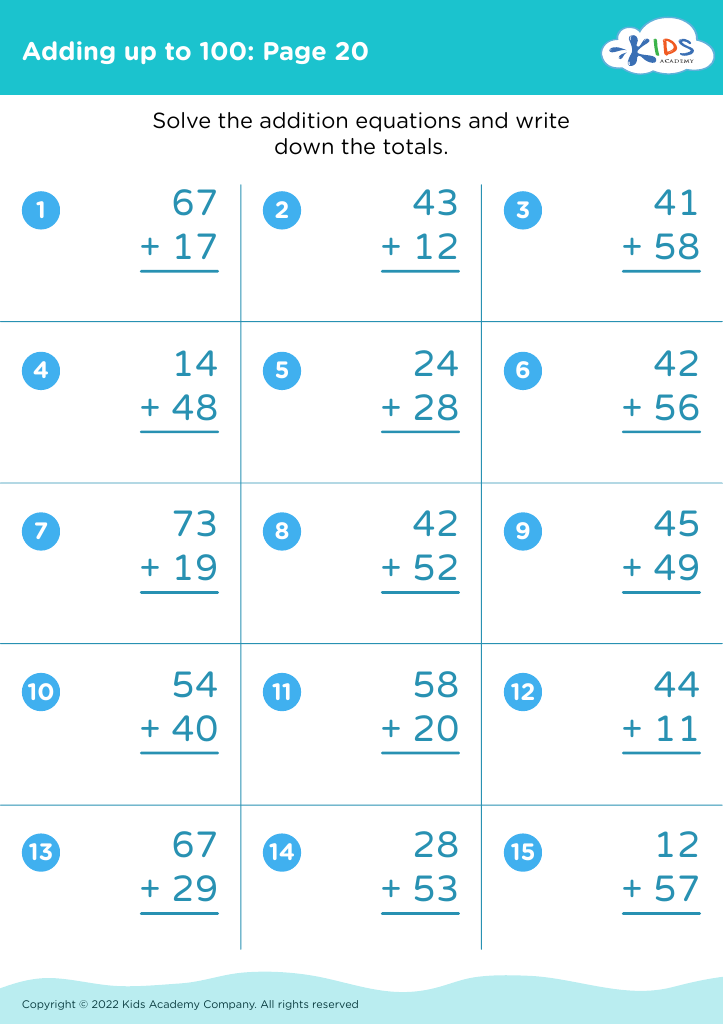
Adding up to 100: Page 20

Adding up to 100: Page 20

Adding up to 100: Page 20
Worksheet
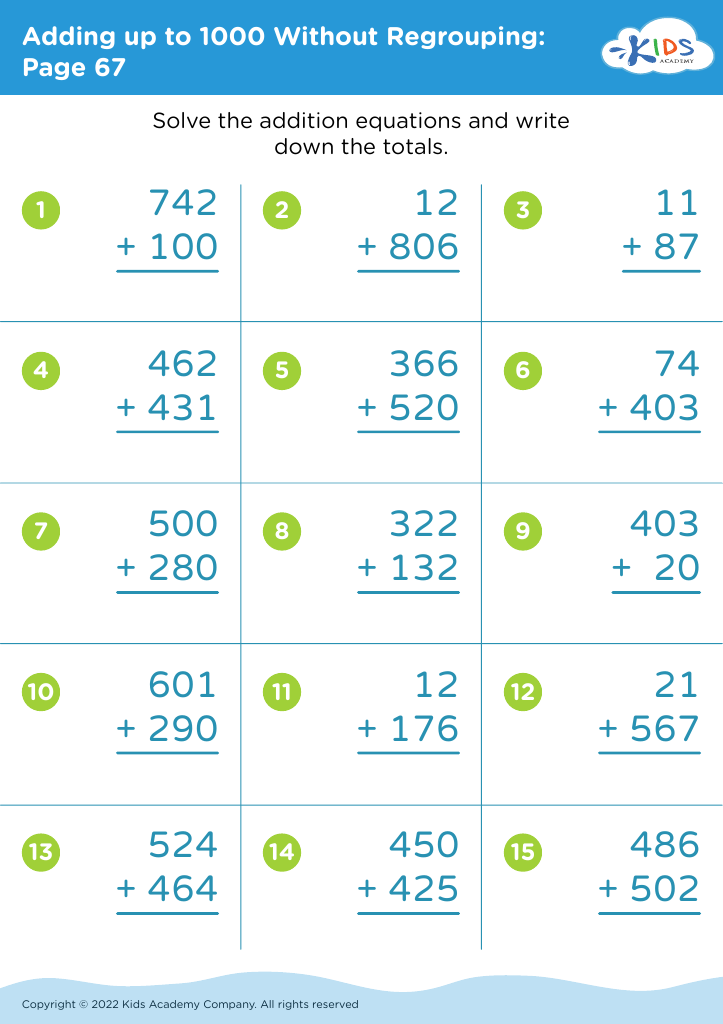
Adding up to 1000 Without Regrouping: Page 67
Worksheet
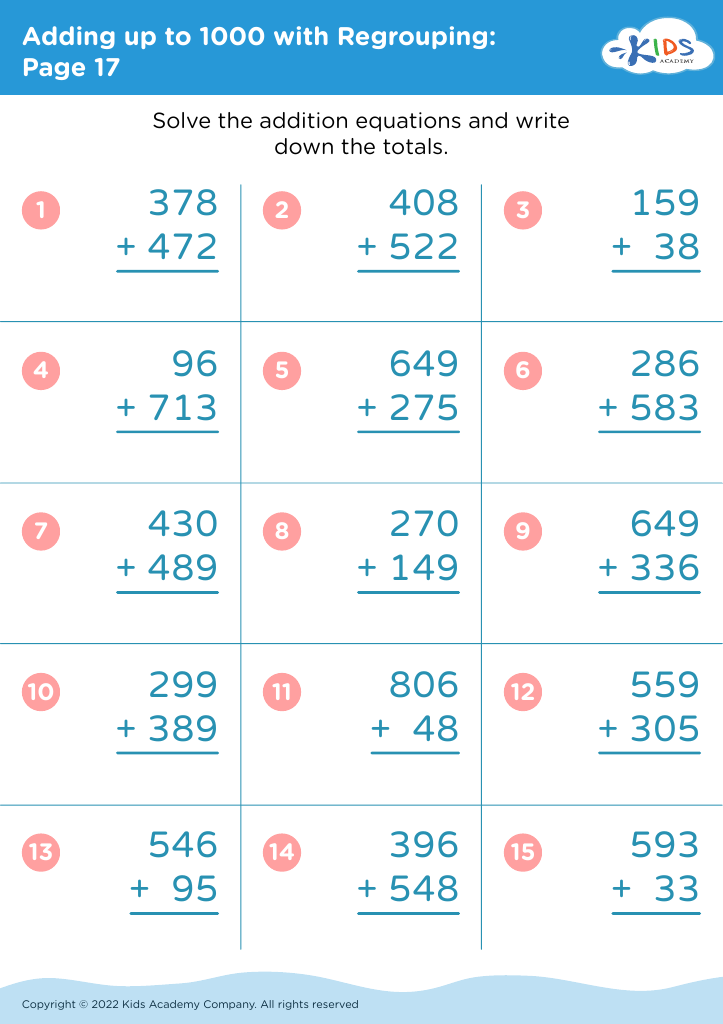
Adding up to 1000 with Regrouping: Page 17
Worksheet
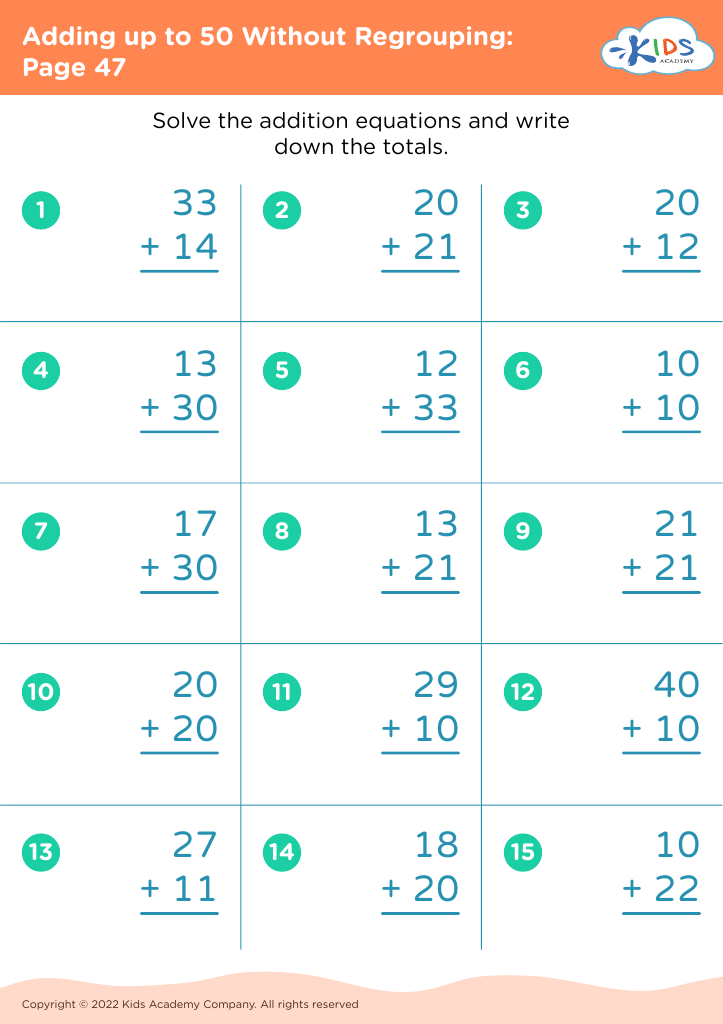
Adding up to 50 Without Regrouping: Page 47
Worksheet
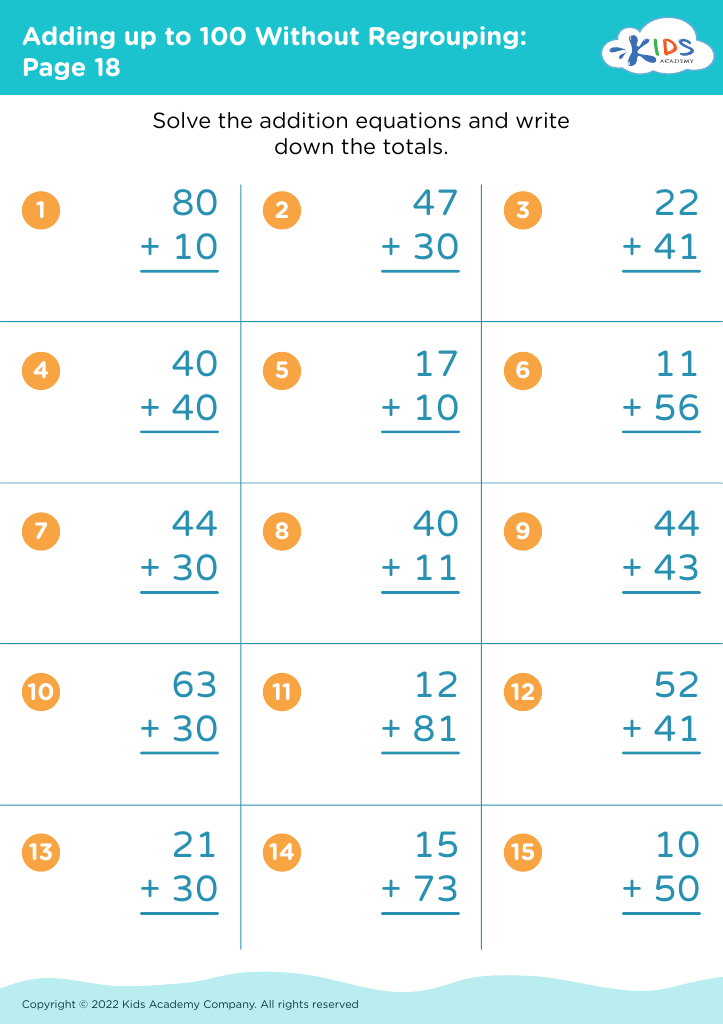
Adding up to 100 Without Regrouping: Page 18
Worksheet
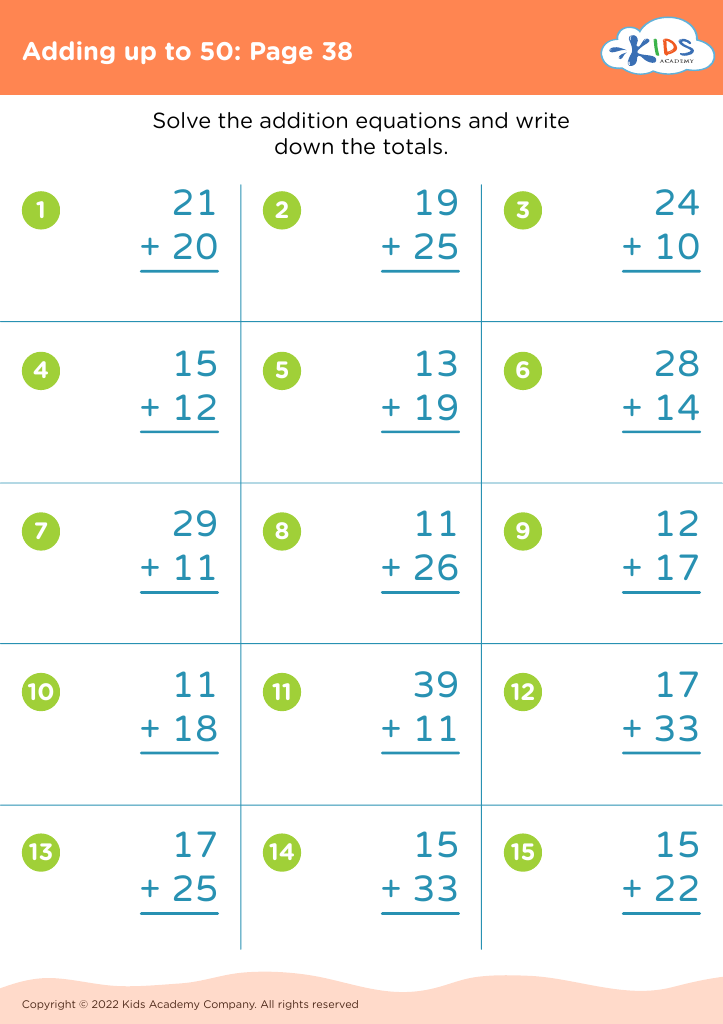
Adding up to 50: Page 38

Adding up to 50: Page 38

Adding up to 50: Page 38
Worksheet
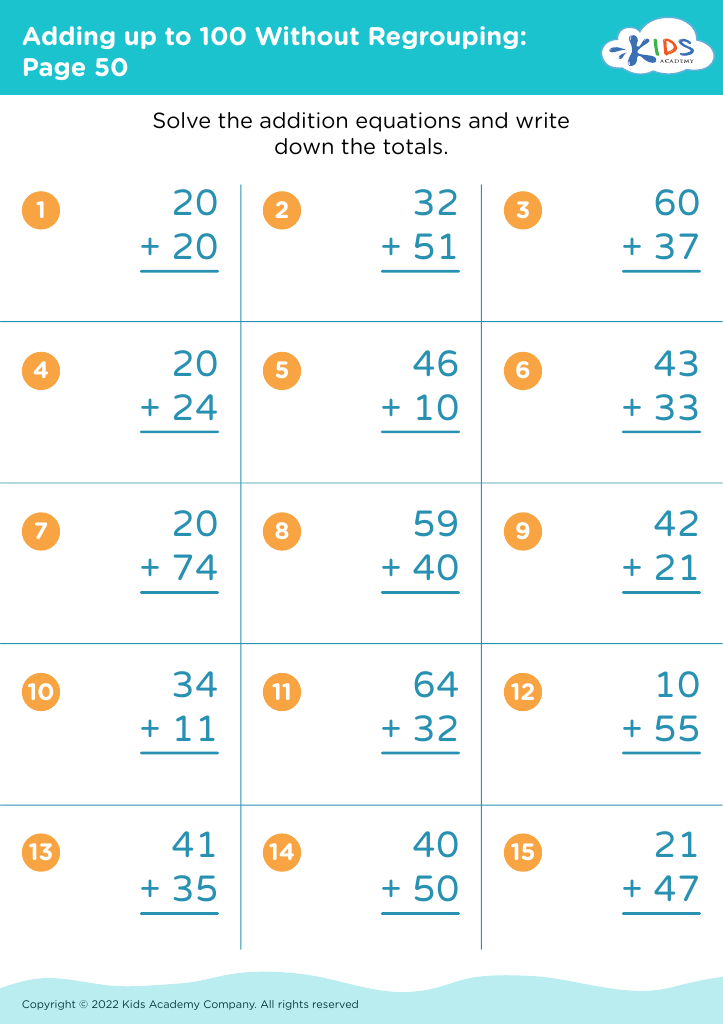
Adding up to 100 Without Regrouping: Page 50
Worksheet
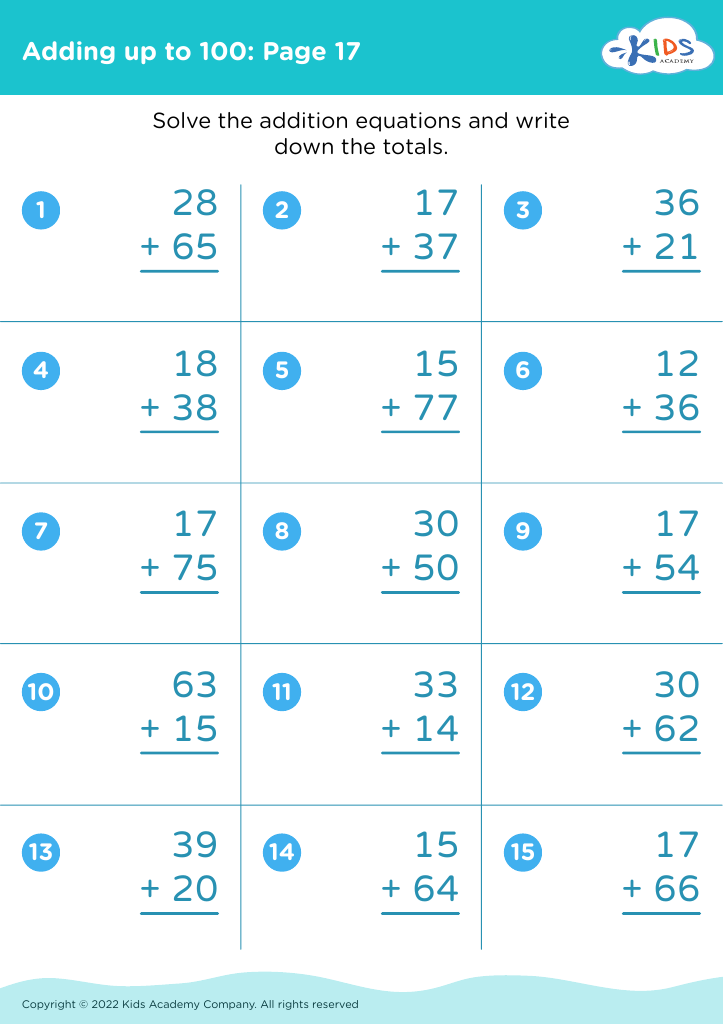
Adding up to 100: Page 17

Adding up to 100: Page 17

Adding up to 100: Page 17
Worksheet
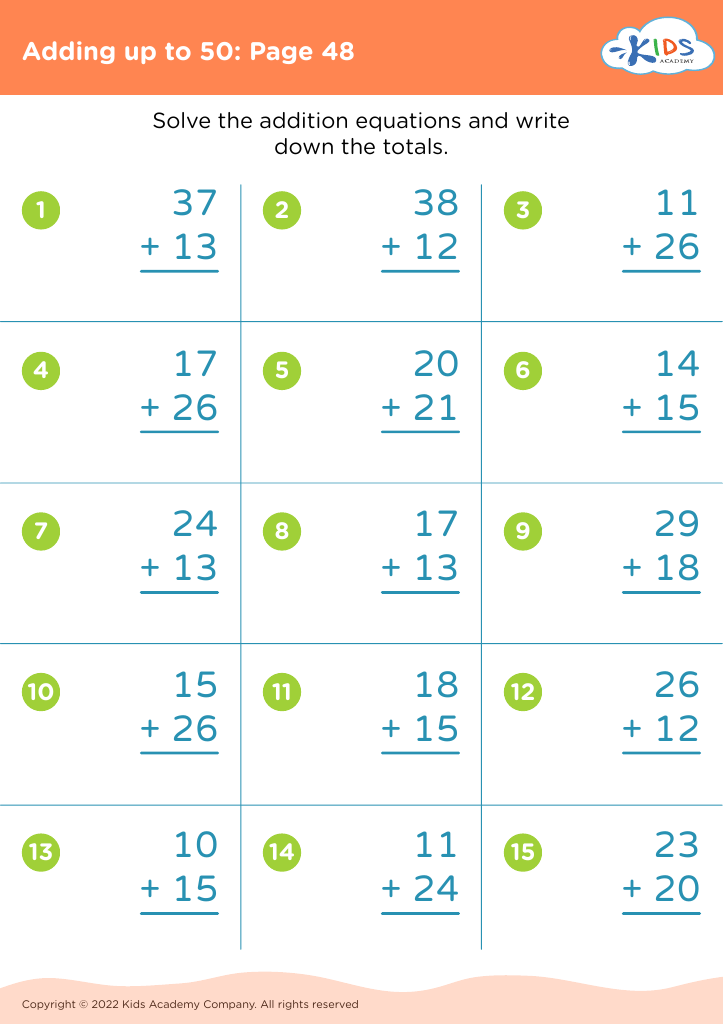
Adding up to 50: Page 48

Adding up to 50: Page 48

Adding up to 50: Page 48
Worksheet
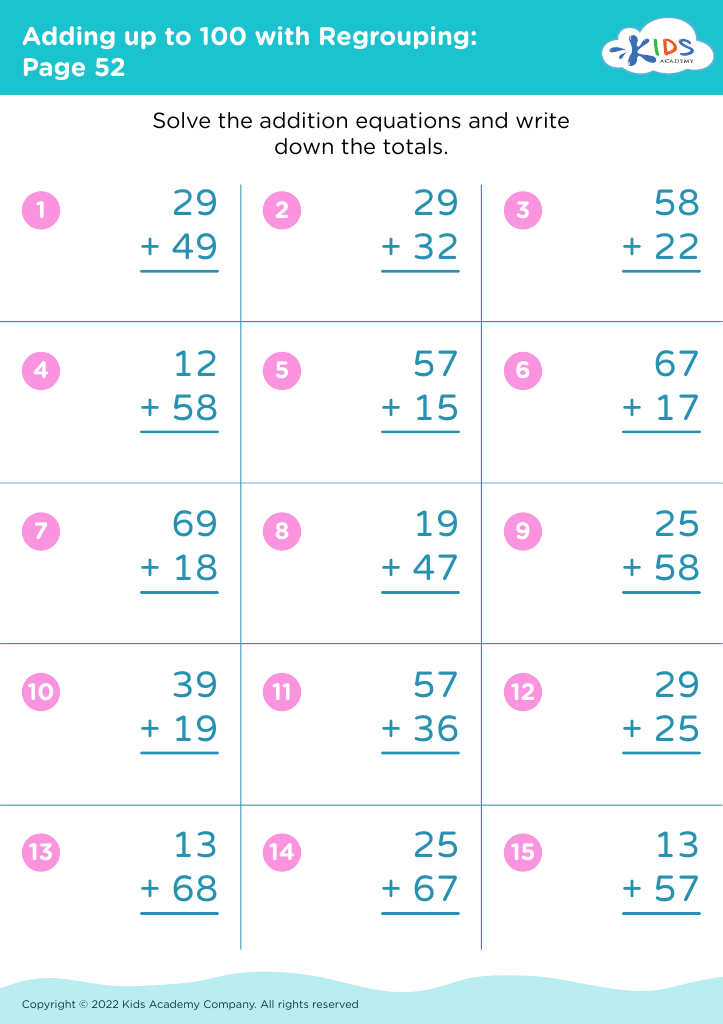
Adding up to 100 with Regrouping: Page 52
Worksheet
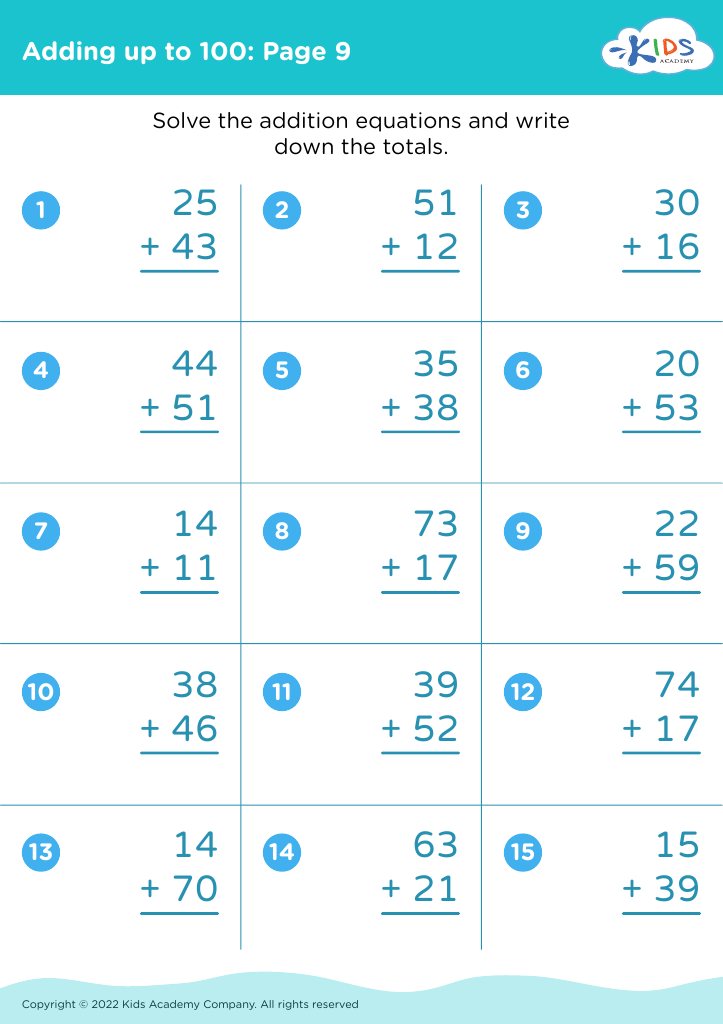
Adding up to 100: Page 9

Adding up to 100: Page 9

Adding up to 100: Page 9
Worksheet
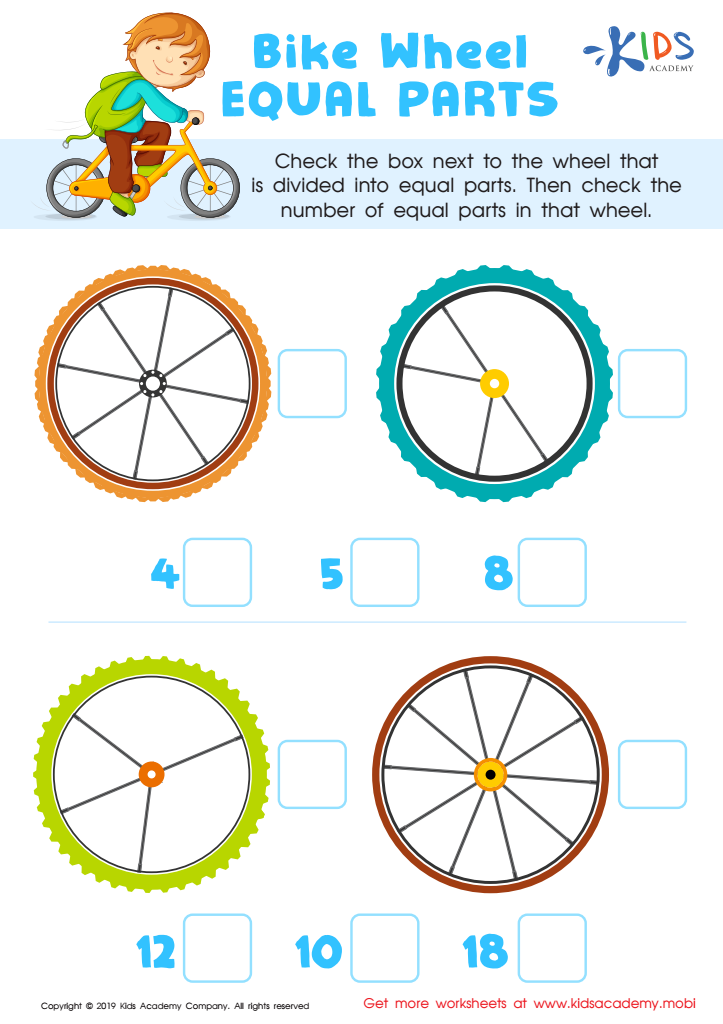
Bike Wheel Equal Parts Worksheet
Bike Wheel Equal Parts Worksheet
Help your kids have fun while they learn! Ask them to identify the object in the picture with four wheels. Guide them to count the spokes, then check the box on the wheel with equal parts. Lastly, check how many equal parts the wheel is divided into.
Bike Wheel Equal Parts Worksheet
Worksheet
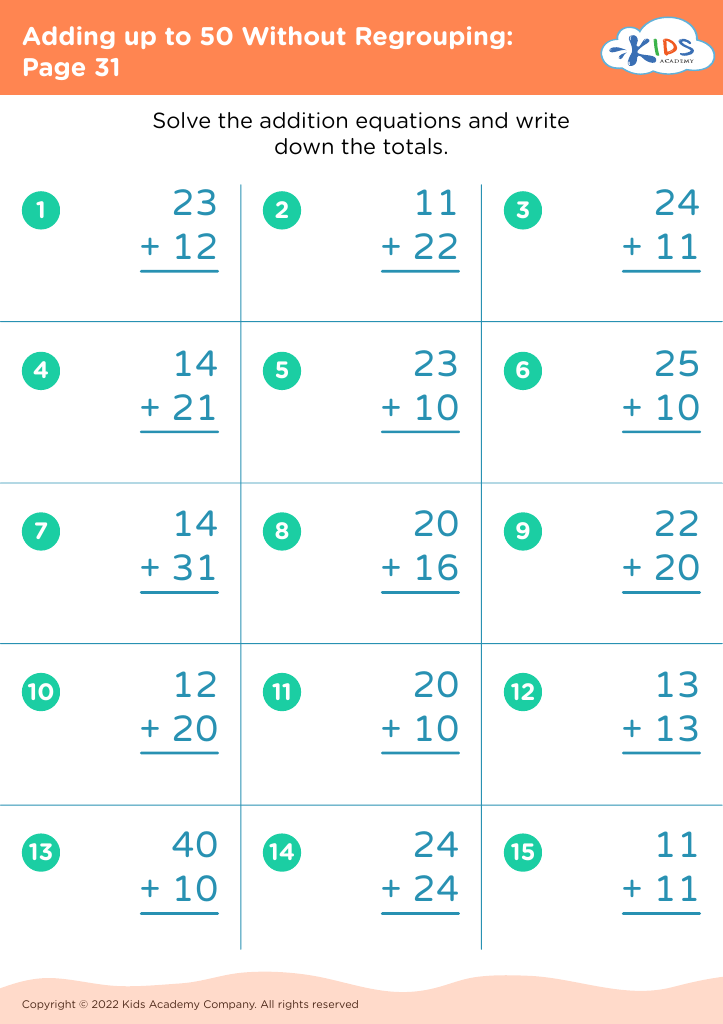
Adding up to 50 Without Regrouping: Page 31
Worksheet
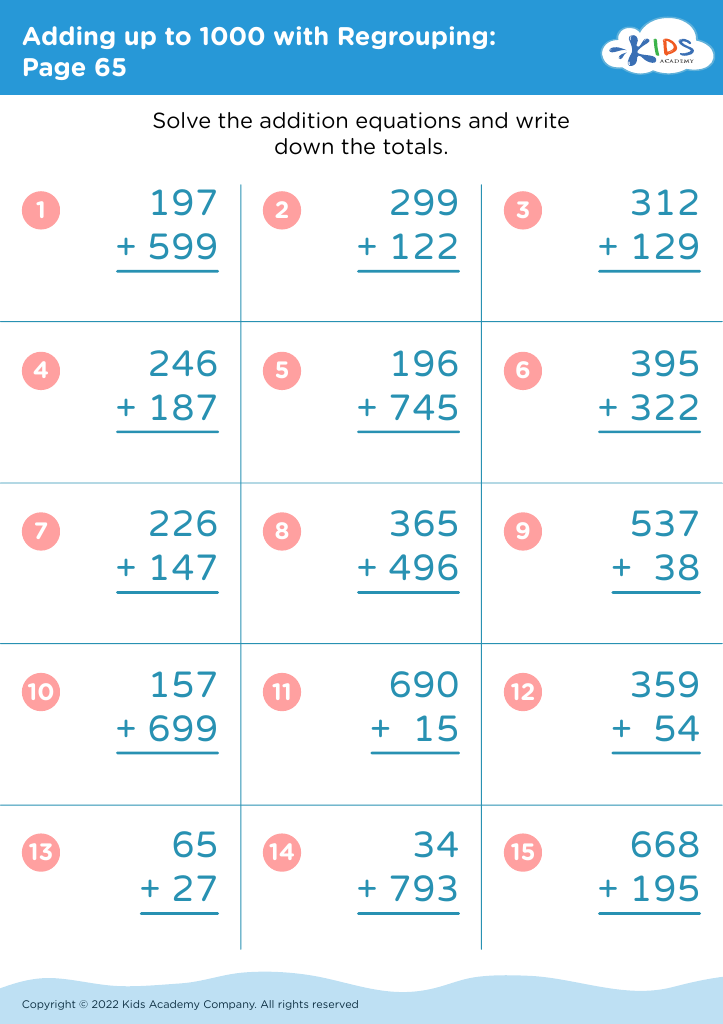
Adding up to 1000 with Regrouping: Page 65
Worksheet
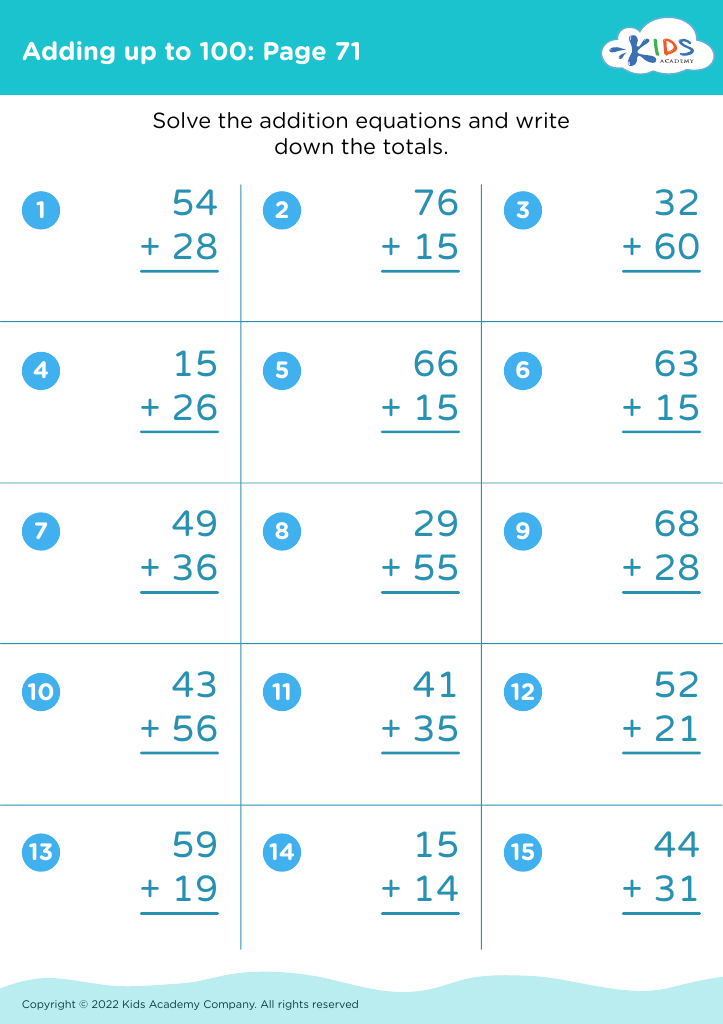
Adding up to 100: Page 71

Adding up to 100: Page 71

Adding up to 100: Page 71
Worksheet
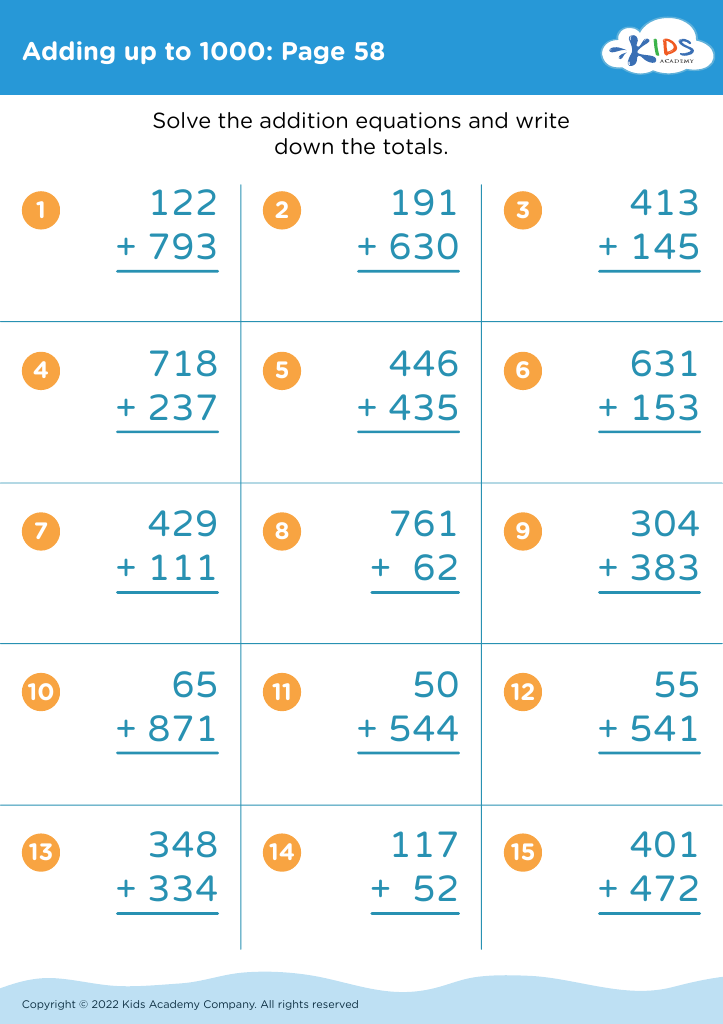
Adding up to 1000: Page 58

Adding up to 1000: Page 58

Adding up to 1000: Page 58
Worksheet
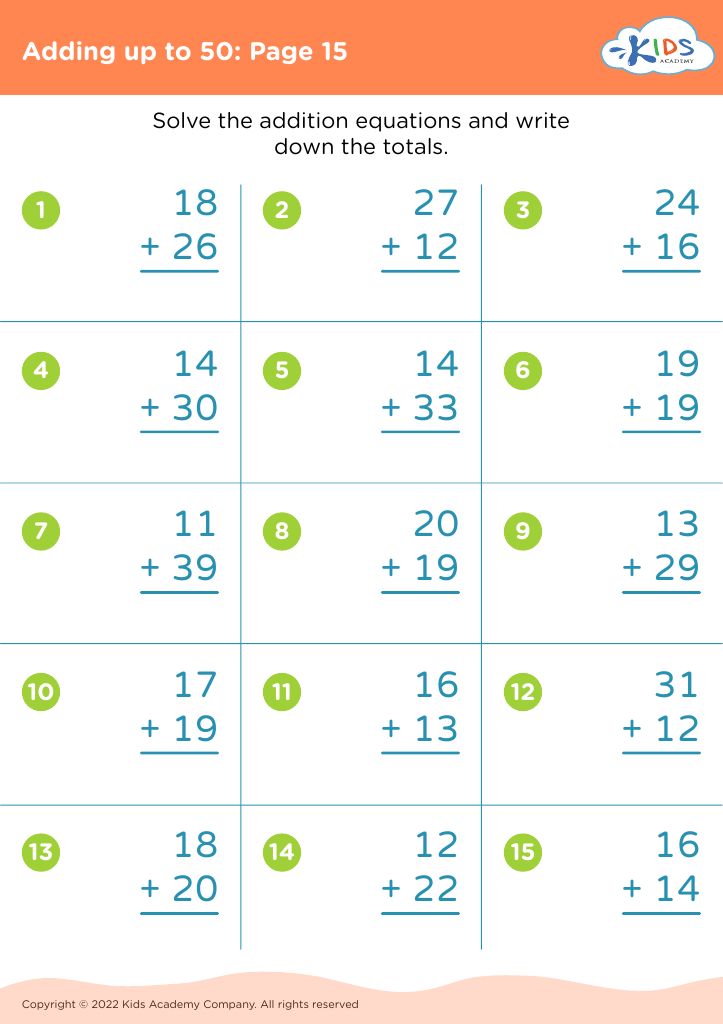
Adding up to 50: Page 15

Adding up to 50: Page 15

Adding up to 50: Page 15
Worksheet


Comparing fractions is a foundational math skill that plays a critical role in a child's cognitive development and understanding of mathematics. For 7-year-olds, mastering this concept lays the groundwork for more complex operations, such as addition, subtraction, and multiplication of fractions later on. Parents and teachers should care about this skill because it promotes essential problem-solving and reasoning abilities in children.

Understanding how to compare fractions helps children make decisions in everyday situations, like sharing snacks or dividing resources equally. It cultivates analytical thinking, as students learn to evaluate quantities and relationships between parts and wholes.

Additionally, mastering fraction comparison boosts confidence and encourages a positive attitude towards math. Young learners who grasp this skill are more likely to engage with future math concepts, reducing anxiety and fostering a growth mindset.

Furthermore, early math skills are linked to future academic success. Research indicates that mathematical understanding in early years correlates with better performance in more advanced topics later on. Therefore, both parents and teachers hold a vested interest in ensuring children develop a strong grasp of comparing fractions to build a solid foundation for lifelong learning in mathematics and beyond.