Fine Motor Skills Math Worksheets for 7-Year-Olds - Page 4
92 filtered results
-
From - To
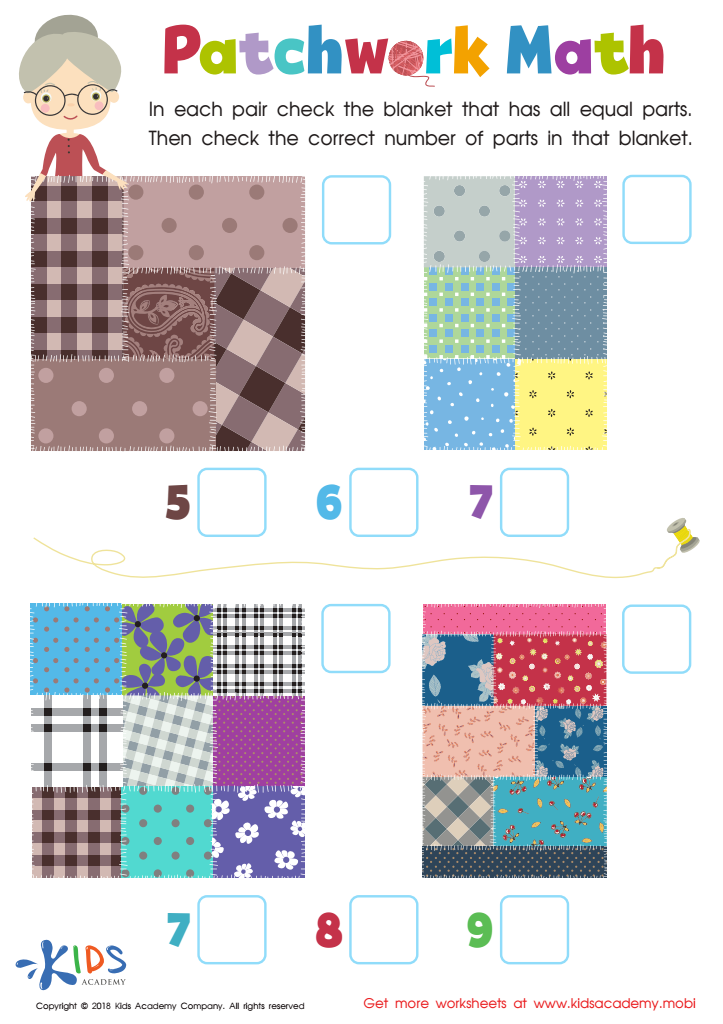
Patchwork Math Worksheet
 Assign to My Students
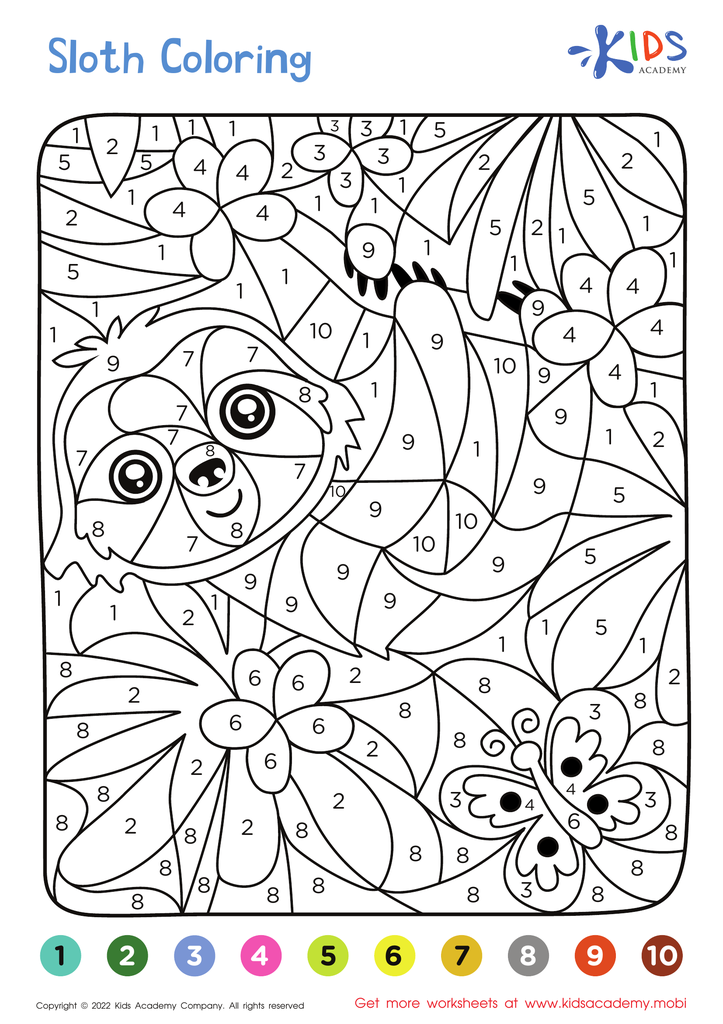
Sloth – Coloring by Numbers
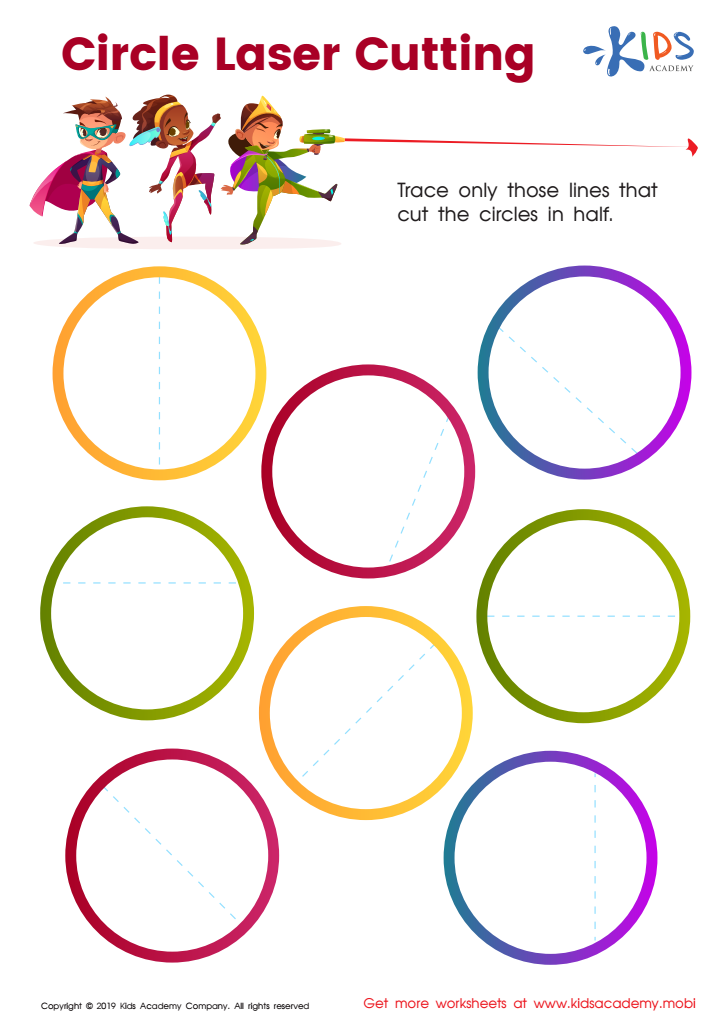
Circle Laser Cutting Worksheet
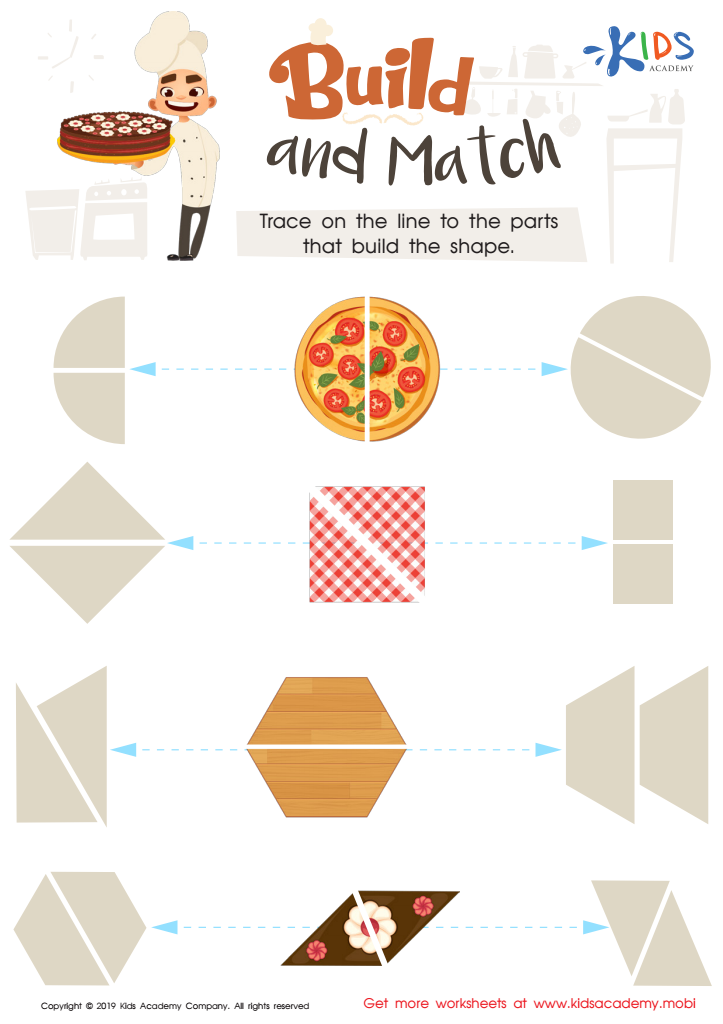
Build and Match Worksheet
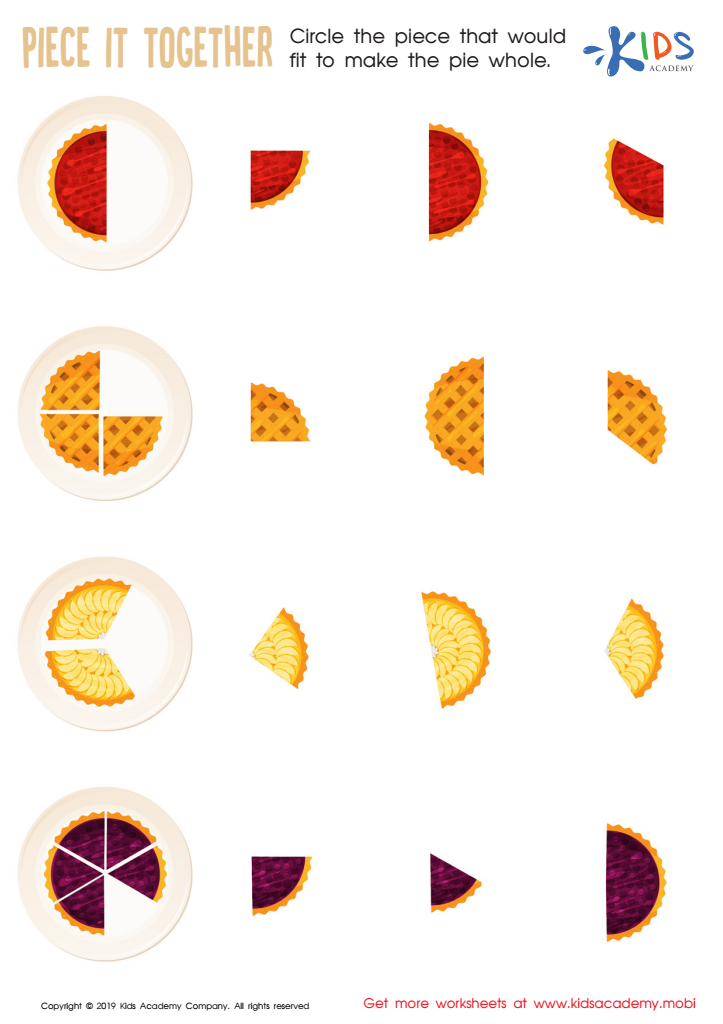
Piece it together Worksheet
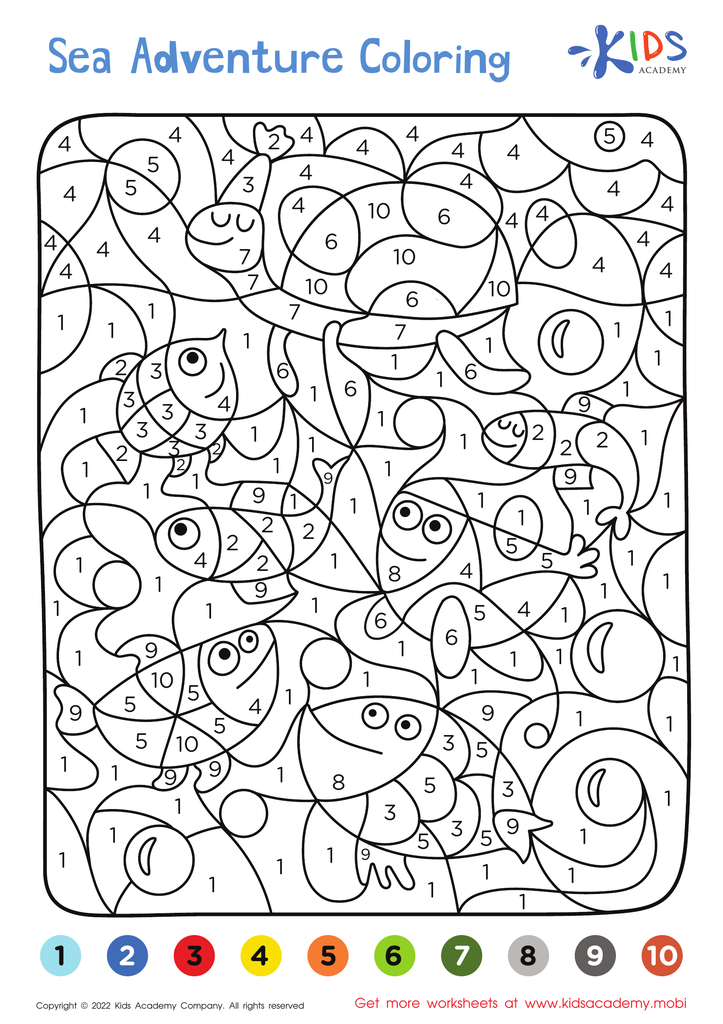
Sea Adventure – Coloring by Numbers
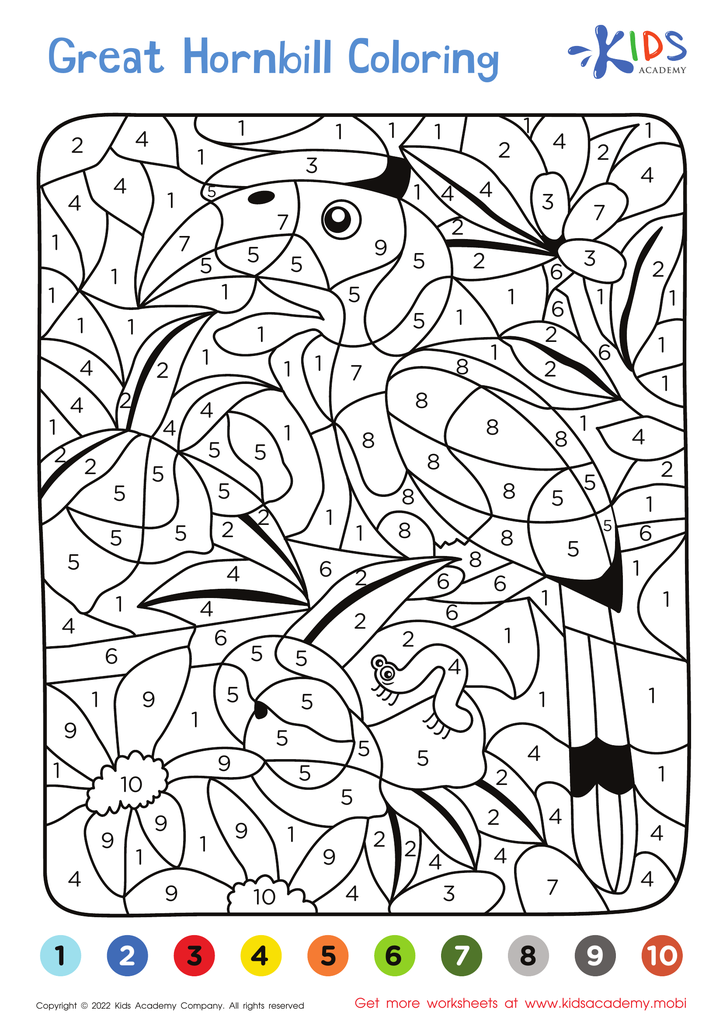
Great Hornbill – Coloring by Numbers

Counting on the City Skyline: Dot-to-Dot Worksheet
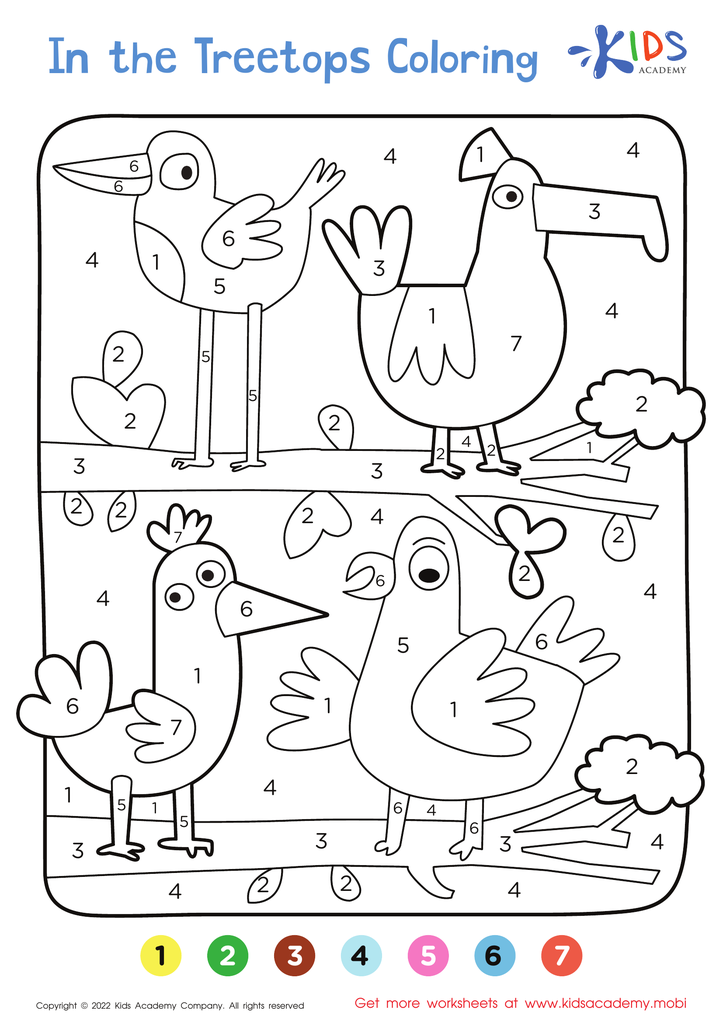
In the Treetops – Coloring Page
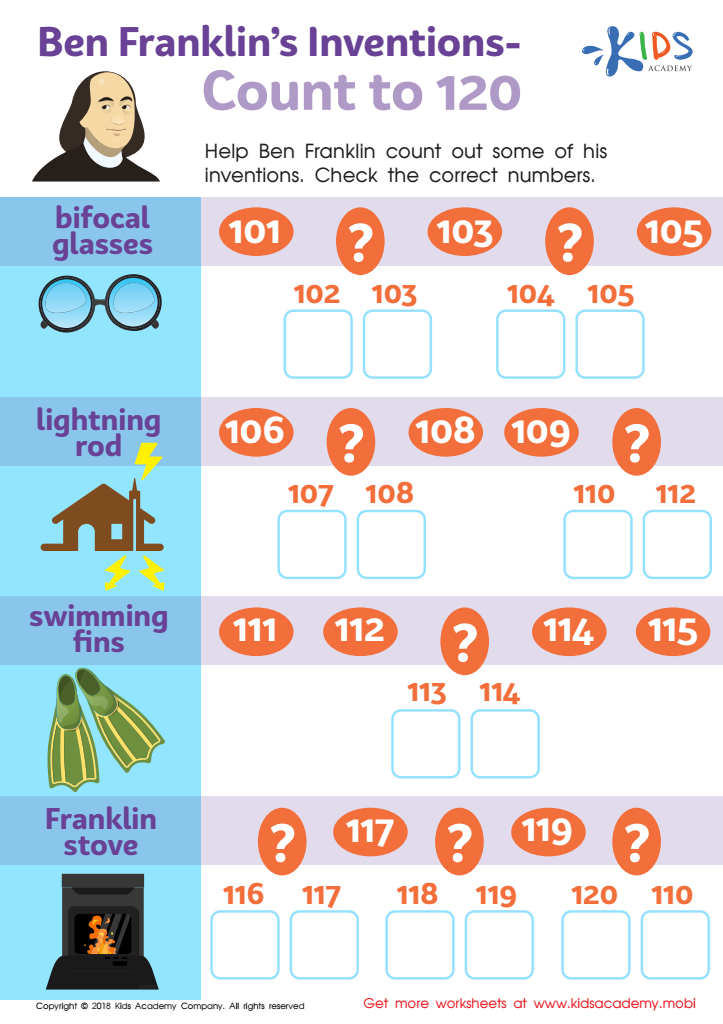
Ben Franklin’s Inventions – Count to 120 Worksheet
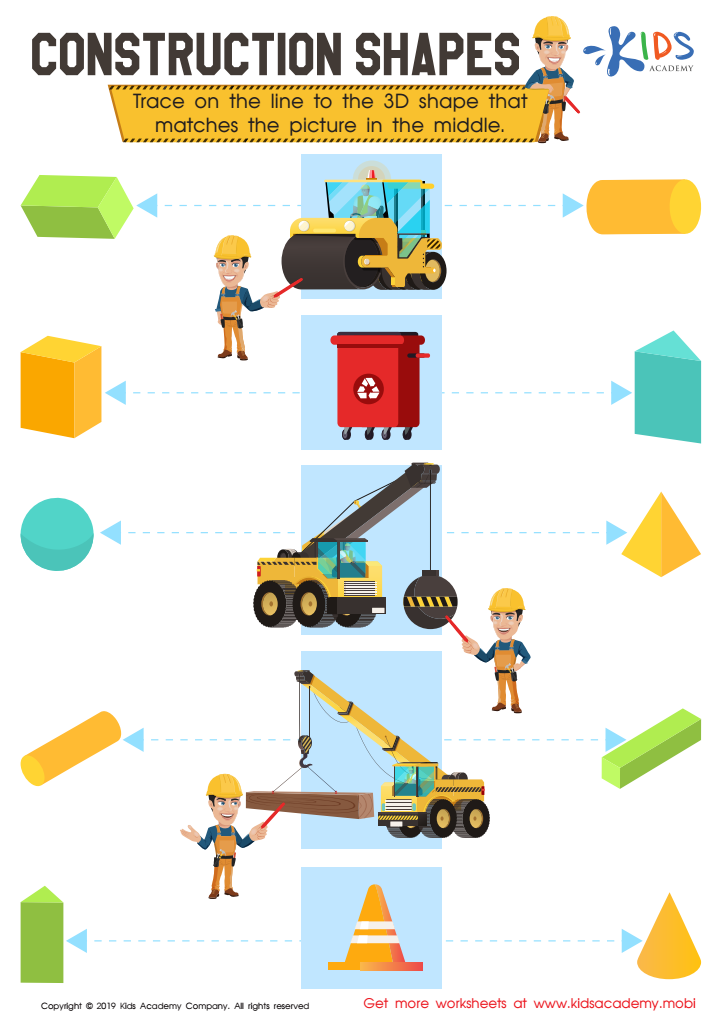
Construction Shapes Worksheet
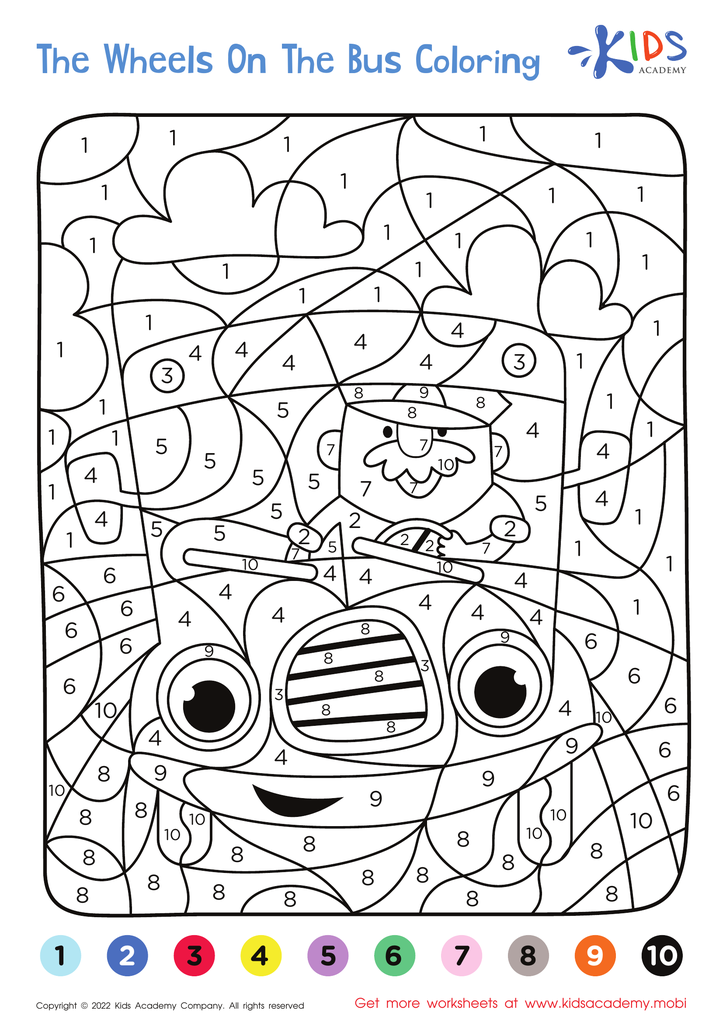
Wheels on the Bus – Coloring by Numbers
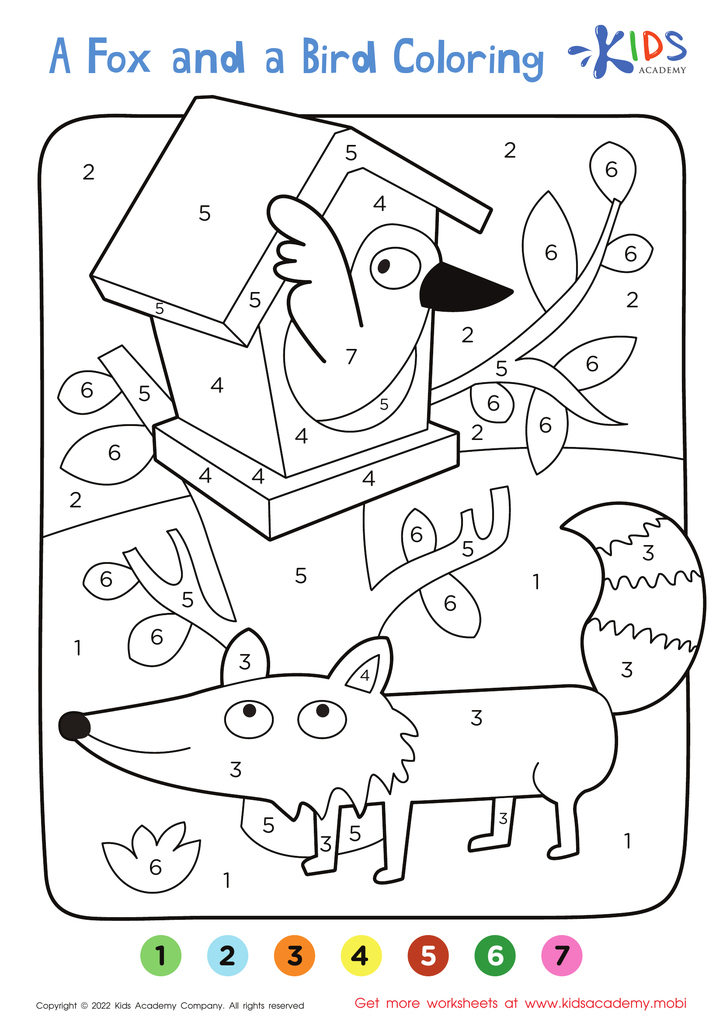
A Fox and a Bird – Coloring by Numbers
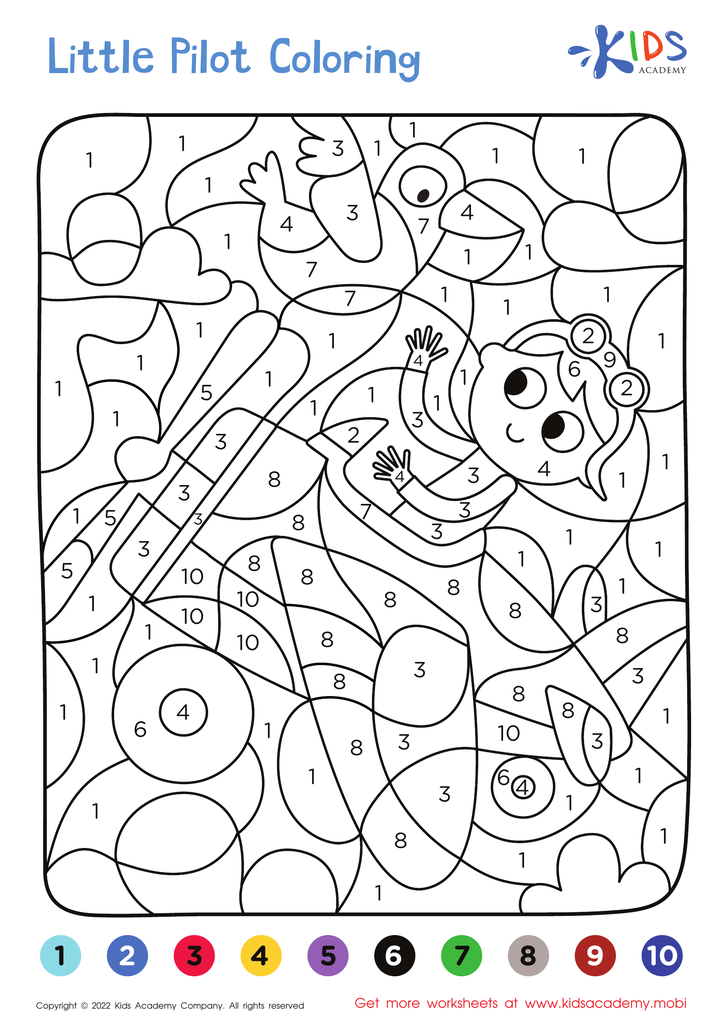
Little Pilot – Coloring by Numbers
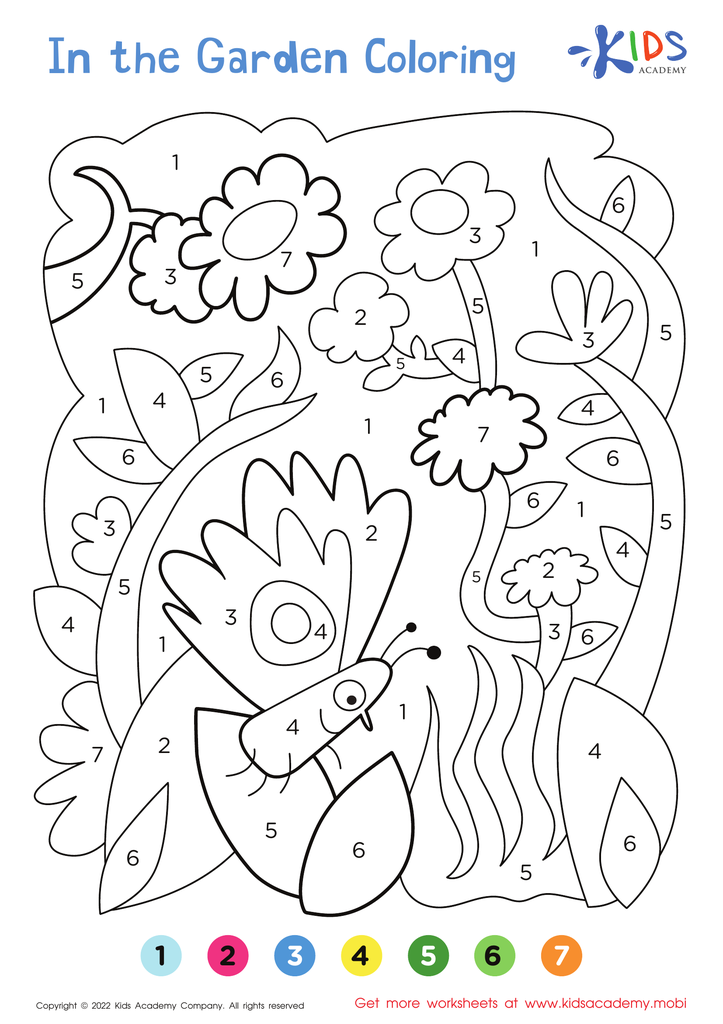
In the Garden – Coloring by Numbers






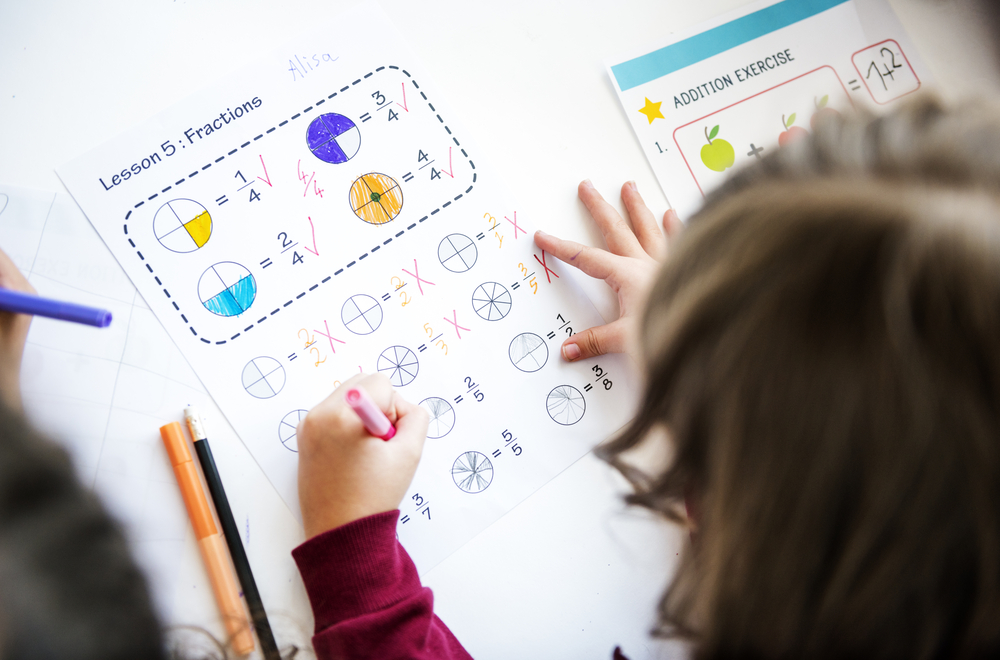

Fine motor skills are crucial for 7-year-olds, especially in the context of math, as they involve the small muscle movements necessary for tasks like writing numbers, cutting shapes, and manipulating objects. These skills are foundational for a child's ability to engage in everyday math activities, such as measuring ingredients for baking or managing expenses in a toy store play scenario. When children develop strong fine motor skills, they gain confidence and independence in handling mathematical tasks.
Parents and teachers should care about this aspect of learning because fine motor skills significantly impact a child's academic progress. For instance, challenges with writing neatly can lead to frustration, affecting a child's willingness to participate in math-related exercises. Additionally, fine motor skills are linked to cognitive processes; as children carry out physical tasks, they enhance their problem-solving abilities and spatial awareness.
Incorporating fine motor skill activities into math lessons—like using manipulatives or threading beads to solve equations—makes learning engaging and interactive. By fostering these skills early, adults can help build a solid foundation for a child's overall development, ultimately promoting greater success in both math and daily life.








