Practice inference skills Math Worksheets for 7-Year-Olds
3 filtered results
-
From - To
Boost your 7-year-old's math abilities with our engaging Practice Inference Skills Math Worksheets! Designed to enhance critical thinking, these worksheets challenge young learners to make logical conclusions from provided data. Each page focuses on various math concepts, ensuring children not only practice their computation skills but also develop the ability to interpret information creatively. With colorful illustrations and fun activities, kids will enjoy making inferences and solving stimulating problems. Ideal for classroom use or homeschooling, our worksheets help build a strong foundation in math while encouraging independent thinking. Start supporting your child's learning journey today with our dynamic resources!
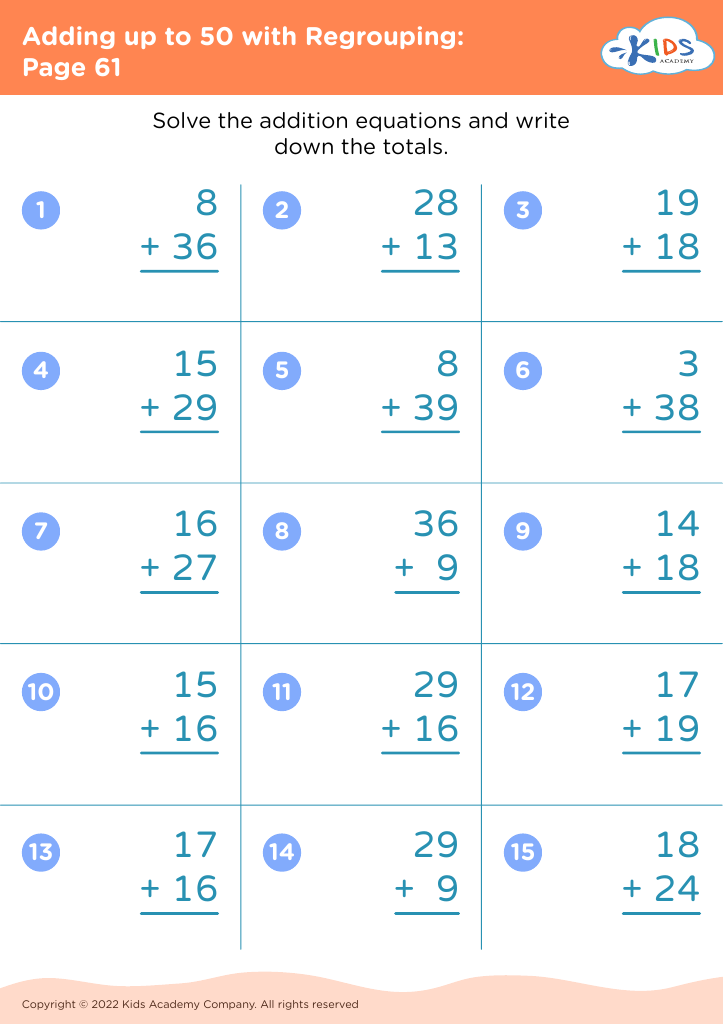
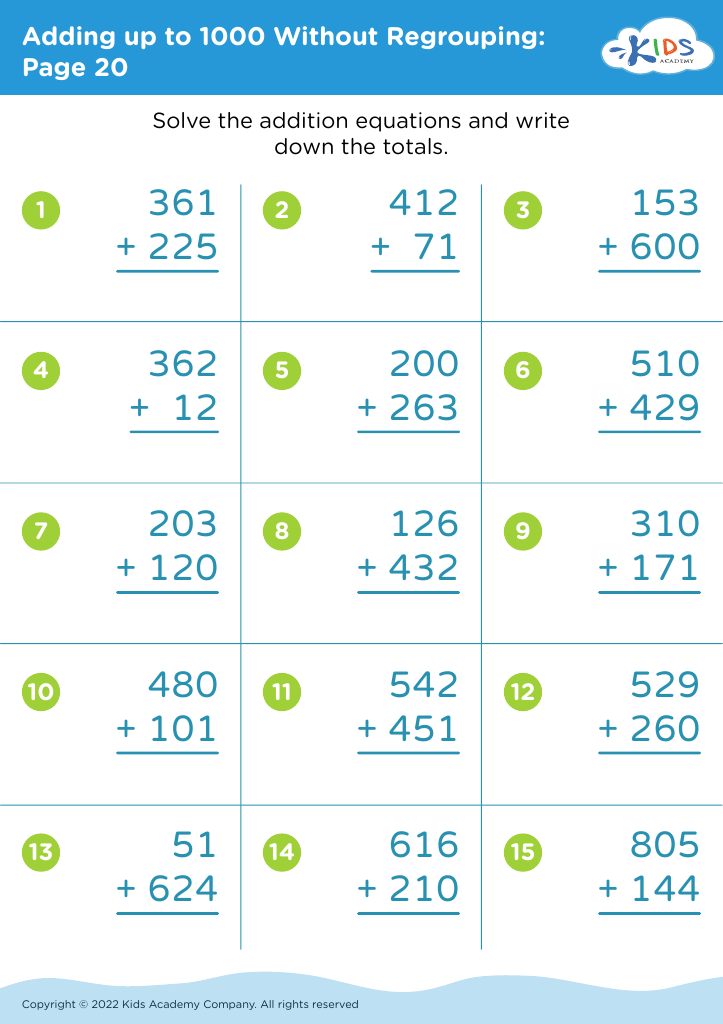
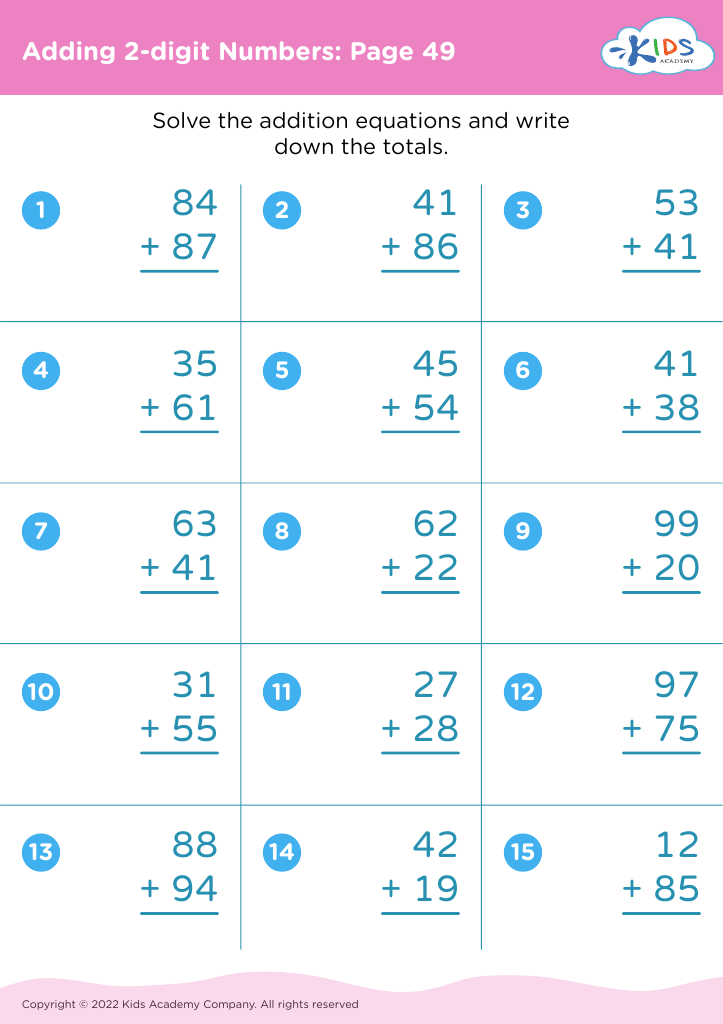








Practice inference skills in math for 7-year-olds is crucial for several reasons. At this developmental stage, children are learning how to think critically and solve problems. Math is not just about numbers; it involves making connections, identifying patterns, and drawing conclusions based on evidence. By focusing on inference skills, parents and teachers help children develop the ability to interpret information and apply their knowledge to new situations.
Additionally, strong inference skills foster independent thinking, allowing children to approach challenges with confidence. This paves the way for deeper comprehension in more complex math concepts as they progress in their education. For example, when students practice interpreting word problems, they learn to analyze the information given and make logical assumptions about how to solve it, honing their reasoning abilities.
Moreover, these skills transcend the math classroom and have applications in everyday life, from budgeting to measuring ingredients in cooking. Ultimately, equipping children with proficient inference skills not only enhances their academic performance but also empowers them to make informed decisions throughout their lives. Therefore, nurturing these skills is an investment in their overall cognitive development and future success.








