Problem-solving abilities Measurement Worksheets for 7-Year-Olds
3 filtered results
-
From - To
Enhance your 7-year-old’s problem-solving skills with our engaging Measurement Abilities Worksheets! These thoughtfully designed resources help young learners tackle real-world measurement challenges, from comparing lengths to understanding volumes. Each worksheet includes age-appropriate problems that encourage critical thinking and logic, fostering a solid foundation in measurement concepts. Kids will love the interactive activities, making learning fun and effective. By practicing these essential skills, young students develop confidence in their abilities while preparing for future math challenges. Explore our collection today and watch your child thrive as they master measurement and improve their overall problem-solving abilities! Perfect for home or classroom use!
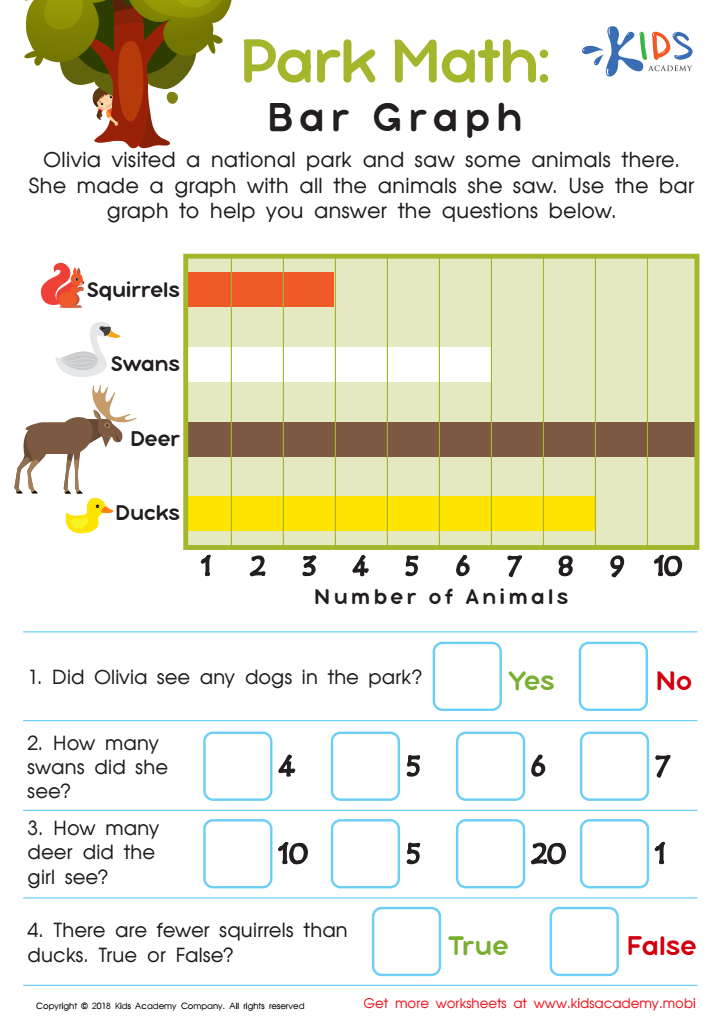
Park Math: Bar Graph Worksheet
 Assign to My Students
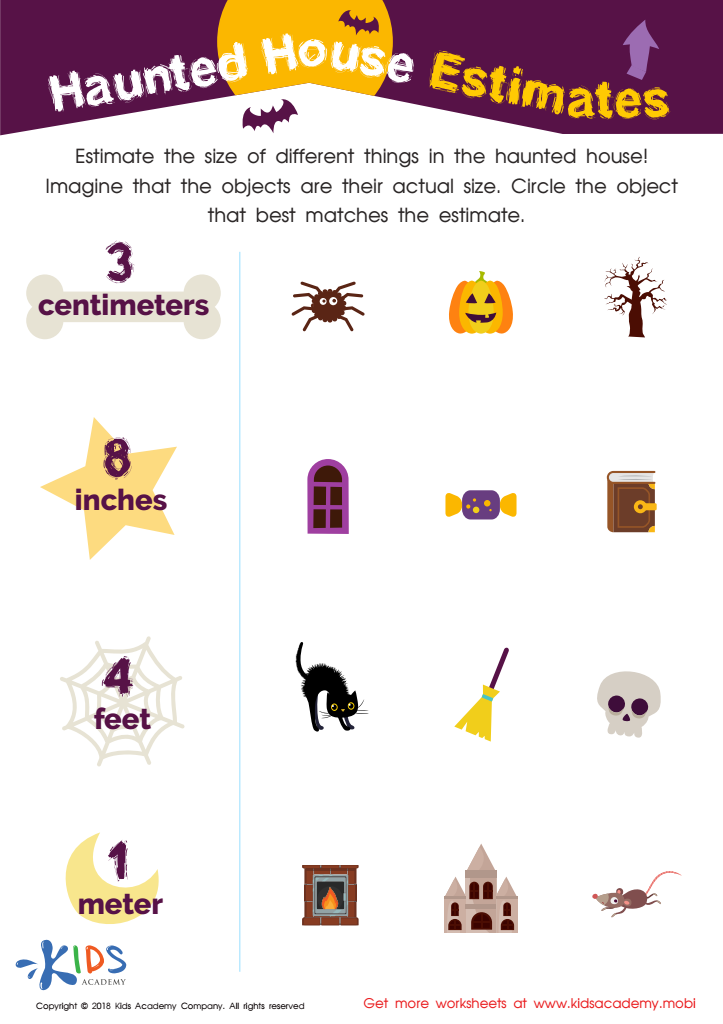
Haunted House Estimates Worksheet
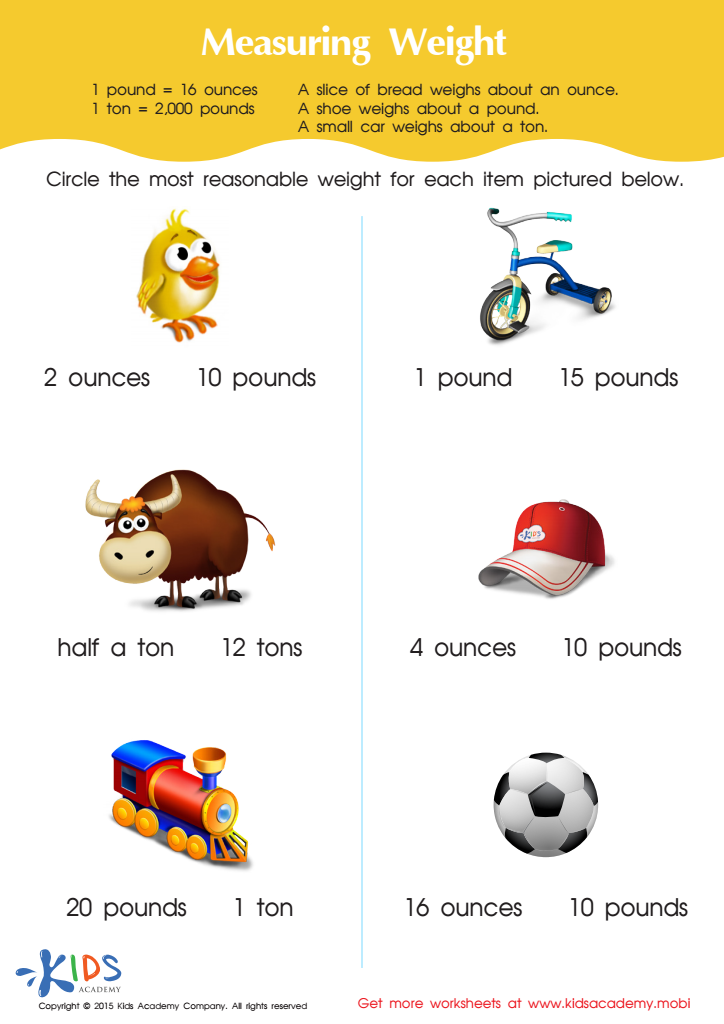
Measuring Weight in Ounces, Pounds and Tons (Part 2) Worksheet








Parents and teachers should care about measuring problem-solving abilities in 7-year-olds because these skills are foundational to a child's overall development and future success. At this age, children are beginning to develop critical thinking skills and the ability to approach challenges creatively. By assessing their problem-solving abilities, educators and parents can identify strengths and areas for improvement, enabling them to tailor support and interventions accordingly.
Furthermore, effective problem-solving skills correlate strongly with academic achievement. Children who can analyze situations, formulate strategies, and engage in logical reasoning are more likely to excel in subjects like math and reading. Additionally, these skills bolster social development; children who can resolve conflicts and navigate social situations are better equipped to build relationships and collaborate with peers.
Measuring problem-solving abilities also fosters a growth mindset. When children see their progress and receive constructive feedback, they become more resilient and motivated to tackle challenges. In a rapidly changing world, equipping children with strong problem-solving skills not only prepares them for academic success but also helps them adapt to complex real-life situations as they grow. Ultimately, prioritizing the measurement and development of these abilities lays a solid foundation for lifelong learning.








