
Recognizing Patterns Building Vocabulary Worksheets for 7-Year-Olds
3 filtered results
Difficulty Level
Grade
Age
-
From - To
Subject
Activity
Standards
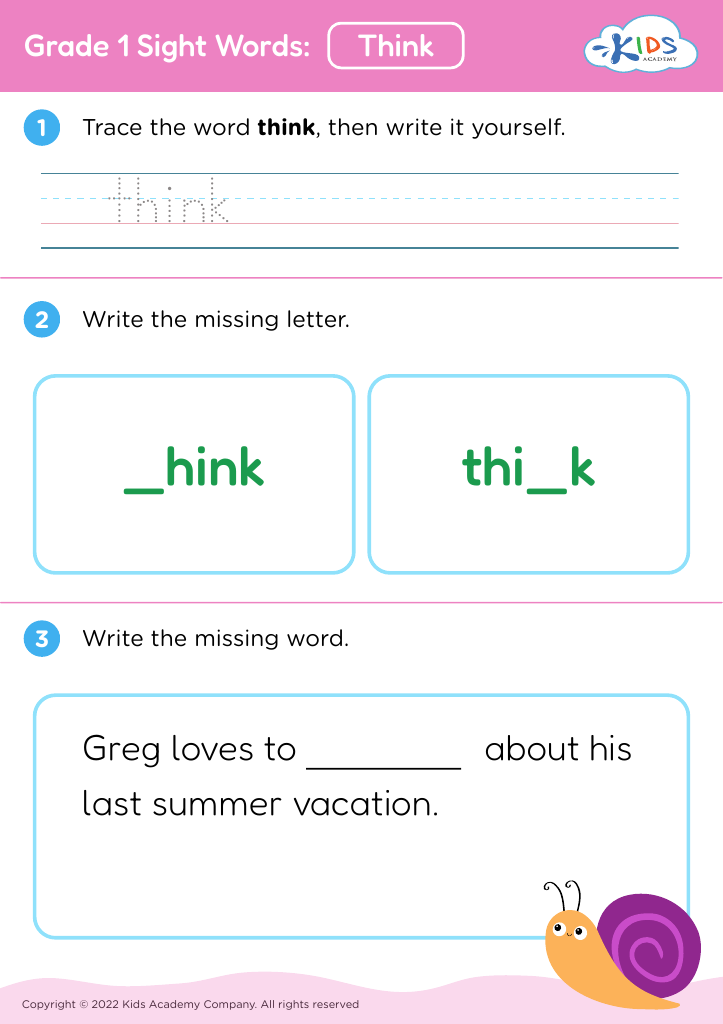
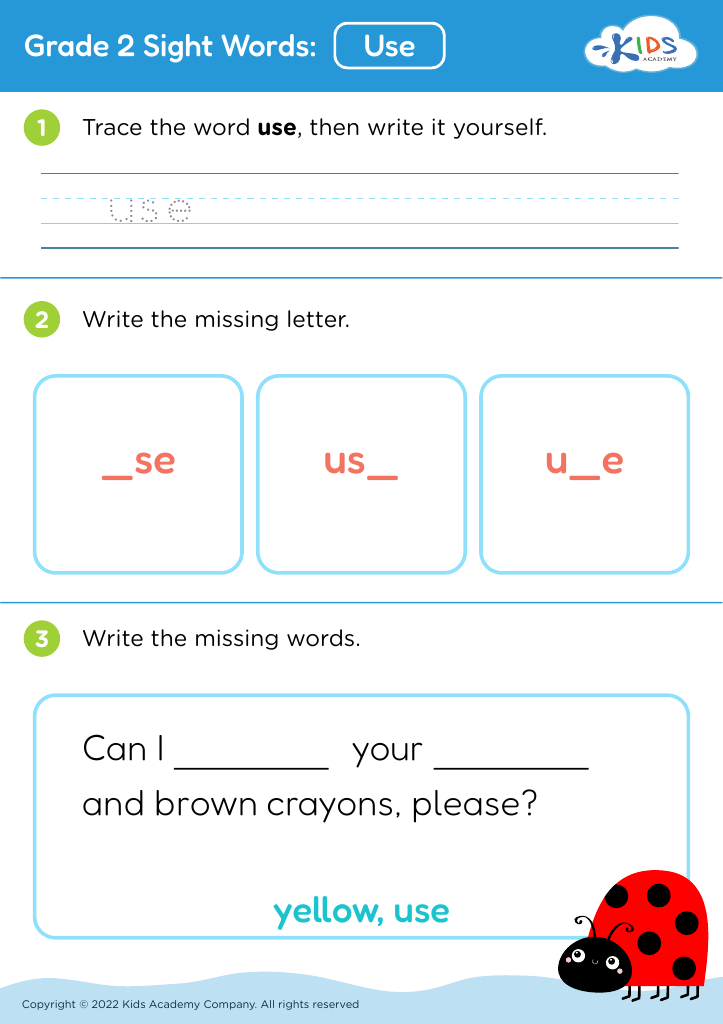
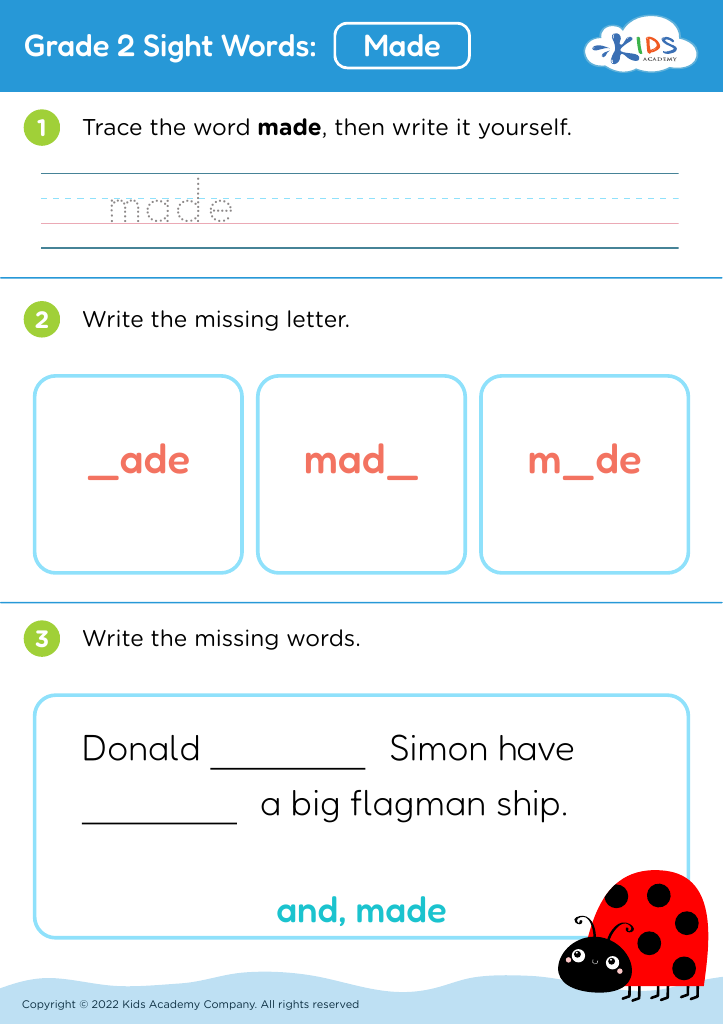
Discover our dynamic "Recognizing Patterns Building Vocabulary Worksheets for 7-Year-Olds" at Kids Academy! These engaging worksheets are designed to help young learners enhance their vocabulary while identifying and understanding patterns in words and sentences. Perfect for making reading fun, each activity combines stimulating exercises with educational play. Children will develop their language skills, learn new words, and improve comprehension through innovative pattern recognition tasks. Ideal for both classroom and at-home learning, our worksheets provide the tools kids need to explore, absorb, and master language essentials. Trial our free resources today and watch your child thrive linguistically!
Favorites
With answer key
Interactive











Join Kids Academy for Free
Who is primarily going to use this learning content?



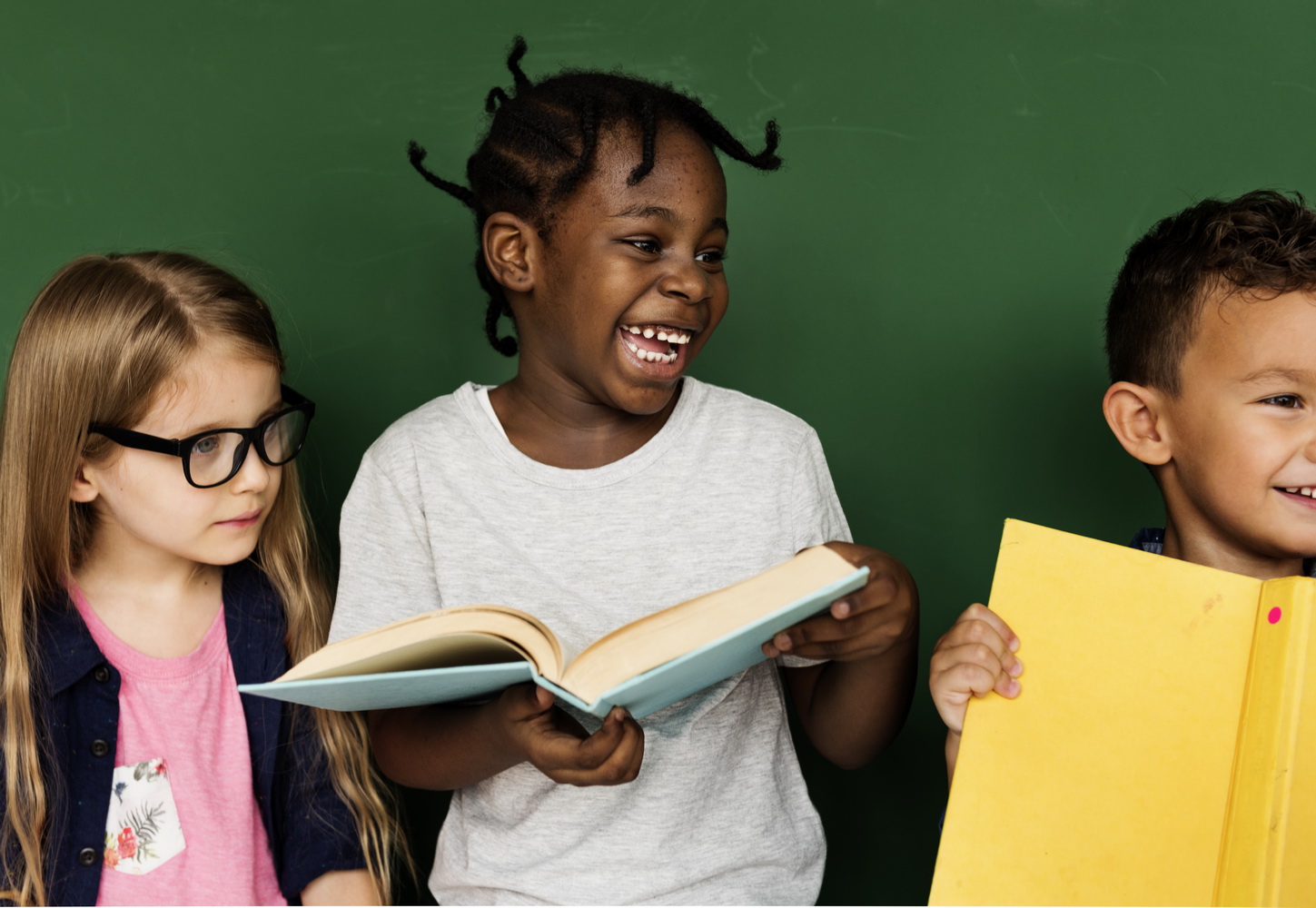




Recognizing patterns and building vocabulary for 7-year-olds are crucial components of early childhood development that parents and teachers should prioritize. At this age, children's brains are like sponges, absorbing information rapidly. Recognizing patterns helps children develop critical thinking and problem-solving skills. Patterns are foundational for understanding mathematical concepts, scientific phenomena, and even musical rhythms. When children learn to identify and predict patterns, they enhance their cognitive abilities, sharpening their logic and reasoning skills.
Building vocabulary, on the other hand, is essential for literacy and communication. A robust vocabulary allows children to express themselves more clearly and understand others more accurately. It paves the way for reading comprehension and academic success across various subjects. The richer a child's vocabulary, the better they'll perform in understanding texts and in oral and written communication. Moreover, it fosters social skills, enabling children to articulate their thoughts and engage in meaningful conversations.
For parents and teachers, focusing on these areas means promoting an environment rich in language and opportunities for pattern recognition. This holistic development supports a child's ability to learn more complex subjects later on, making them more adept learners, thinkers, and communicators. Prioritizing these aspects of learning, therefore, equips students with essential tools for lifelong success.








