Color Identification Reading Worksheets for 7-Year-Olds
6 filtered results
-
From - To
Unlock your child's potential with our Color Identification Reading Worksheets designed specifically for 7-year-olds! These engaging worksheets boost reading comprehension while teaching essential color recognition skills. Through vibrant images and fun exercises, children will learn to identify and associate colors with words, enhancing their vocabulary and cognitive abilities. Perfect for home or classroom use, our worksheets support diverse learning styles, making learning enjoyable. Explore various activities that promote creativity and critical thinking in your young learner. Download our Color Identification Reading Worksheets today and watch your child's confidence flourish as they master reading and color skills simultaneously!
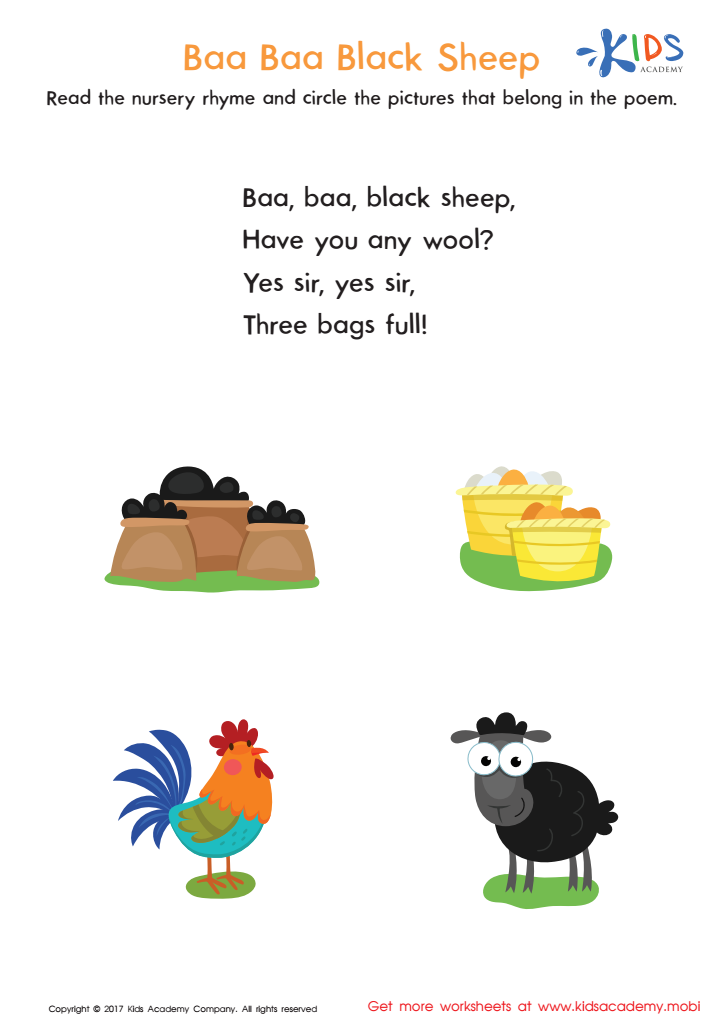
Baa Baa Black Sheep Printable
 Assign to My Students
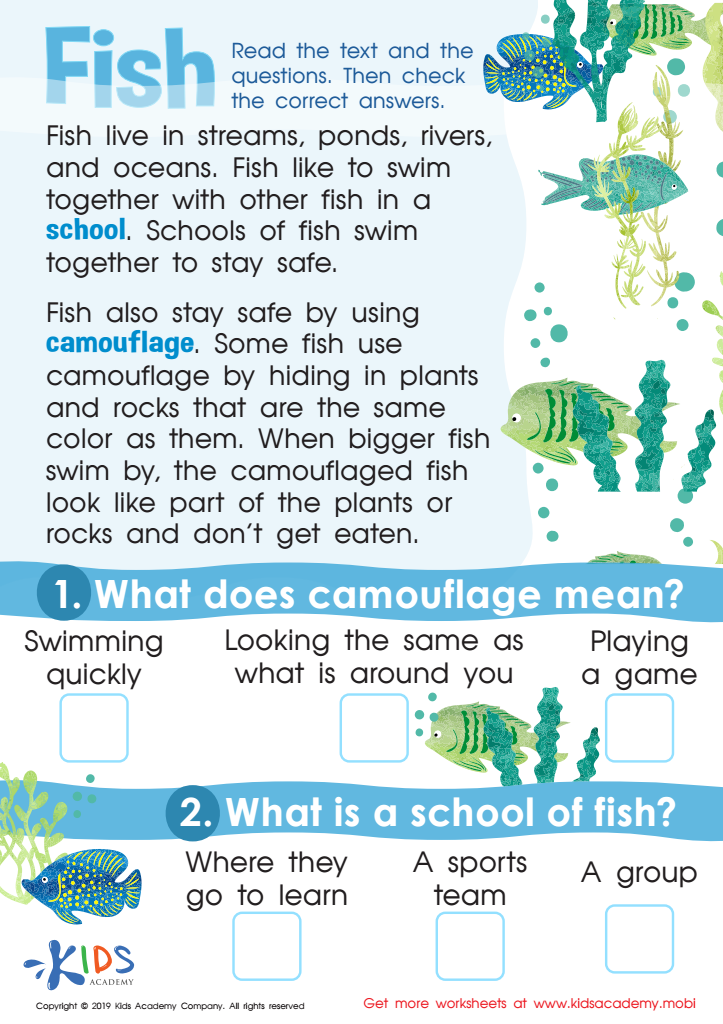
Fish Worksheet
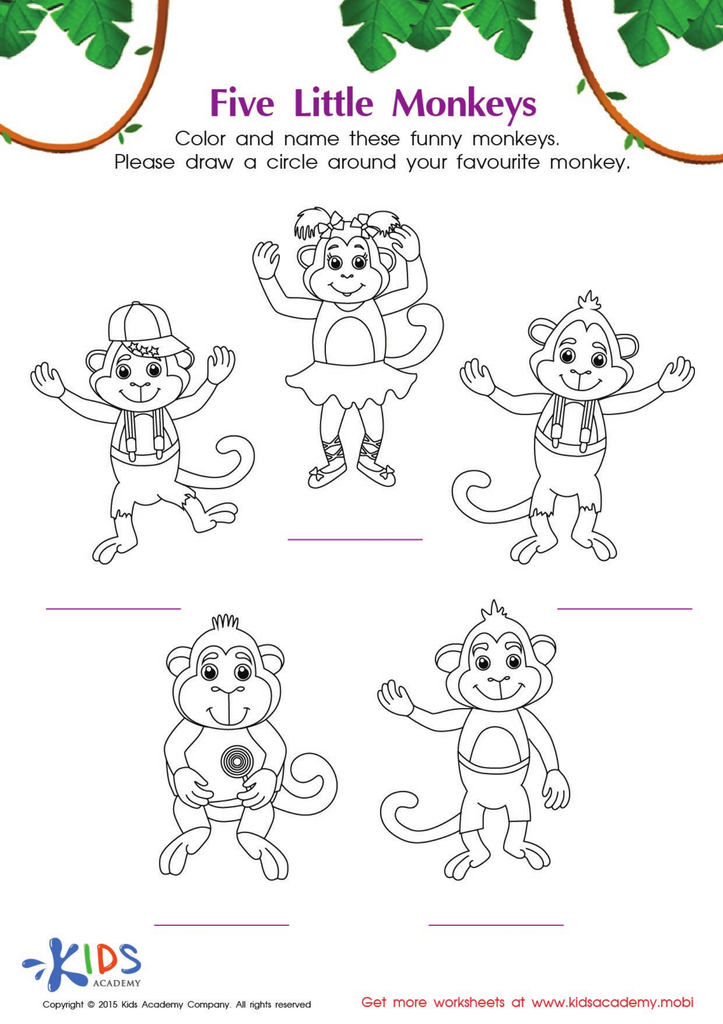
The Five Little Monkeys Coloring Worksheet
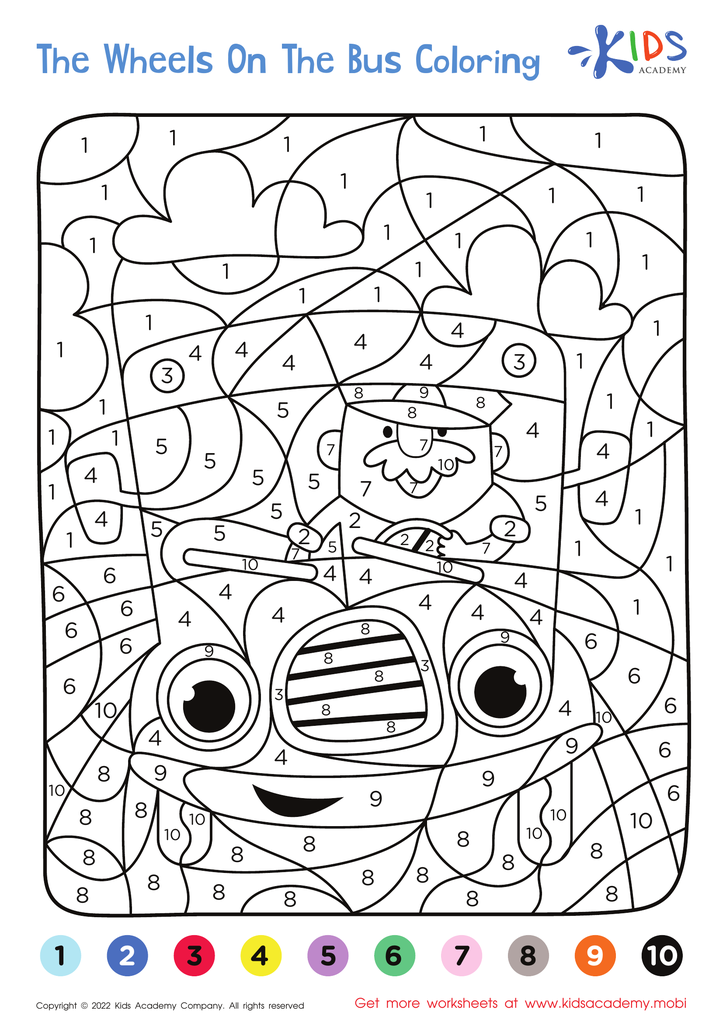
Wheels on the Bus – Coloring by Numbers


.jpg)




Color identification is a foundational skill that significantly impacts a 7-year-old's reading development. Parents and teachers should care about this aspect for several reasons. First, recognizing and naming colors helps young children connect words with meanings, fortifying their vocabulary and comprehension abilities. When children can identify colors, it promotes engagement with illustrations in storybooks, enhancing their understanding of the context and emotions behind characters and settings.
Moreover, color identification aids in developing cognitive skills linked to categorization and organization. It teaches children to notice and differentiate between varied visual stimuli, which is crucial for early literacy as they encounter shaped letters and words. Additionally, incorporating colors into reading activities makes learning more interactive and enjoyable, fostering a love for reading that can last a lifetime.
Lastly, color awareness can foster crucial social and emotional learning. Discussing colors in stories provides opportunities for expressing feelings, creativity, and cultural understanding. An appreciation for colors in literature enriches discussions, making reading a holistic experience. Therefore, focusing on color identification is essential, as it lays the groundwork for broader literacy skills, promotes cognitive abilities, and nurtures emotional intelligence in young readers.








