Counting practice Reading Worksheets for 7-Year-Olds
8 filtered results
-
From - To
Enhance your 7-year-old's counting skills with our exciting Counting Practice Reading Worksheets! Designed to align with elementary learning standards, these engaging worksheets combine the fun of reading with essential math practice, ensuring your child builds confidence in both areas. Each worksheet features captivating stories and illustrations that prompt young learners to count objects, identify numbers, and solve simple math problems. Ideal for classroom use or at-home reinforcement, these worksheets cater to varying skill levels, making learning enjoyable and effective. Visit Kids Academy to access a wide range of printable worksheets that turn counting practice into a delightful adventure!
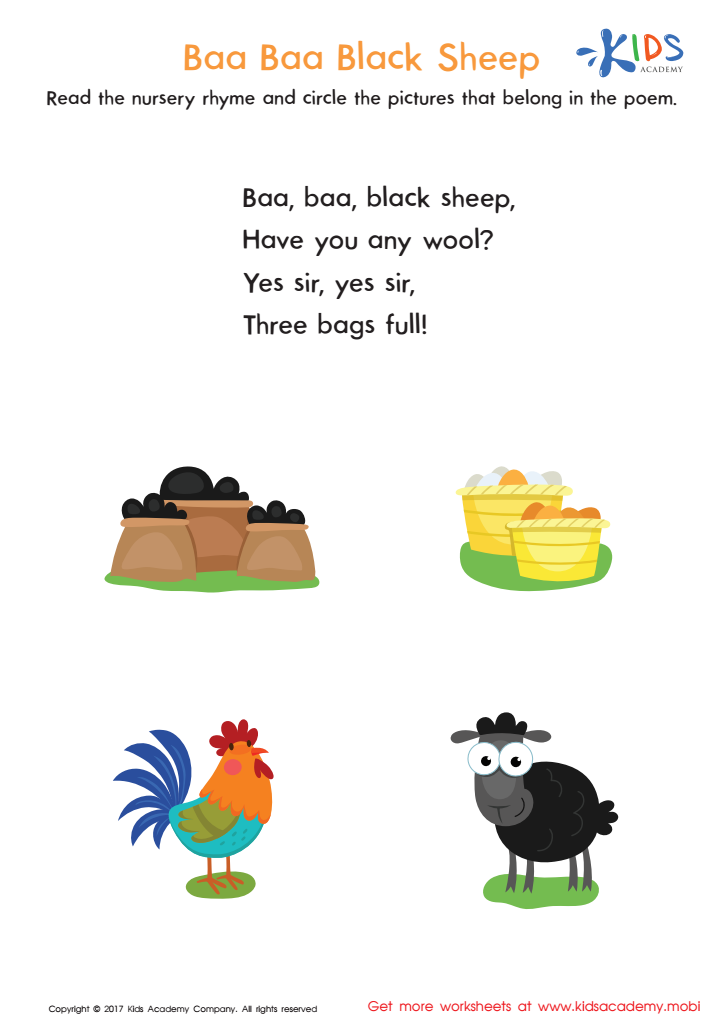
Baa Baa Black Sheep Printable
 Assign to My Students
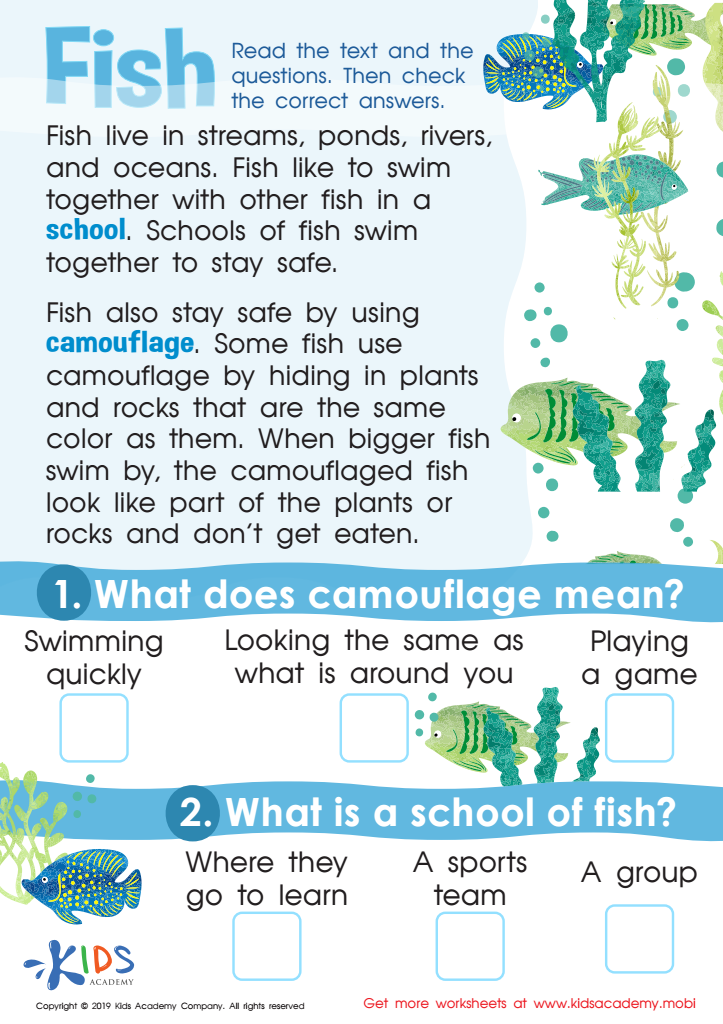
Fish Worksheet
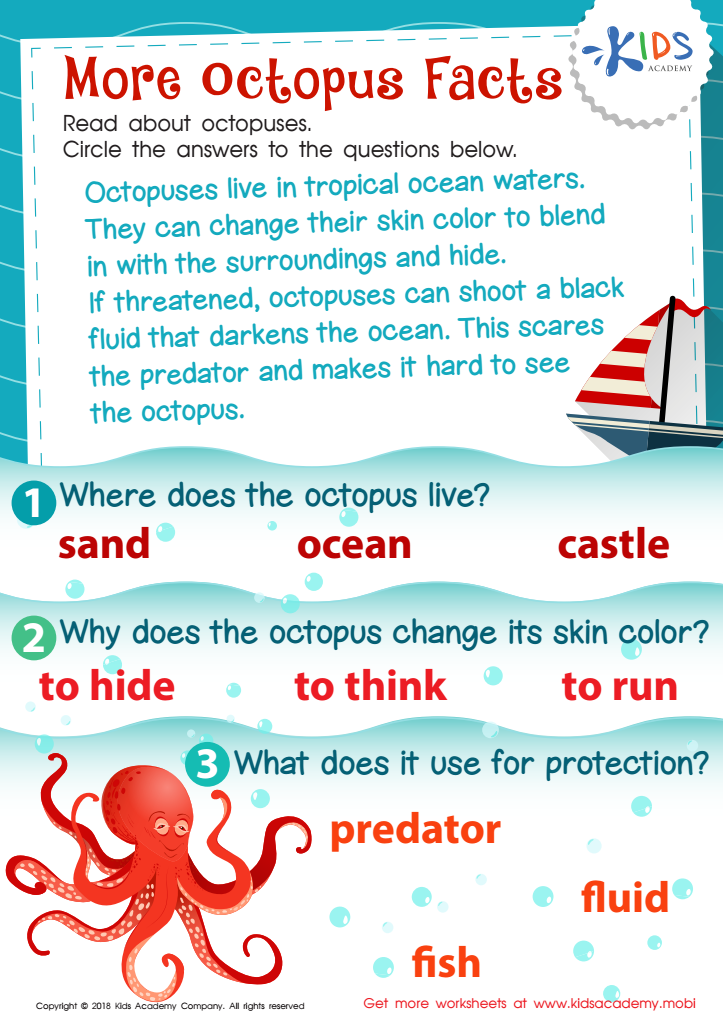
More Octopus Facts Worksheet
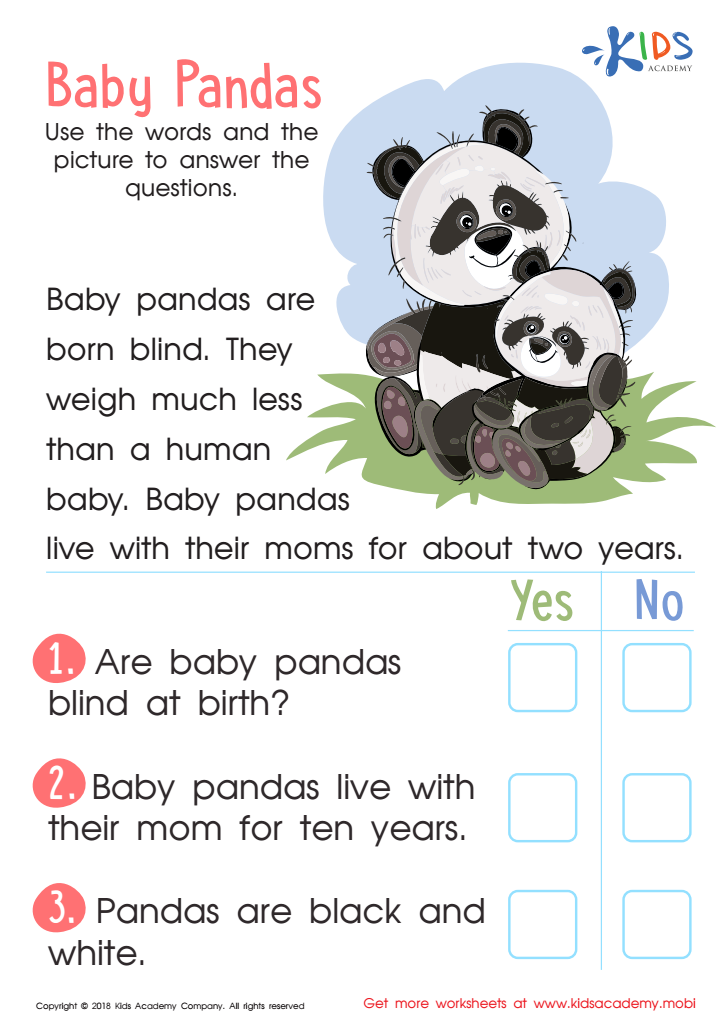
Baby Pandas Worksheet
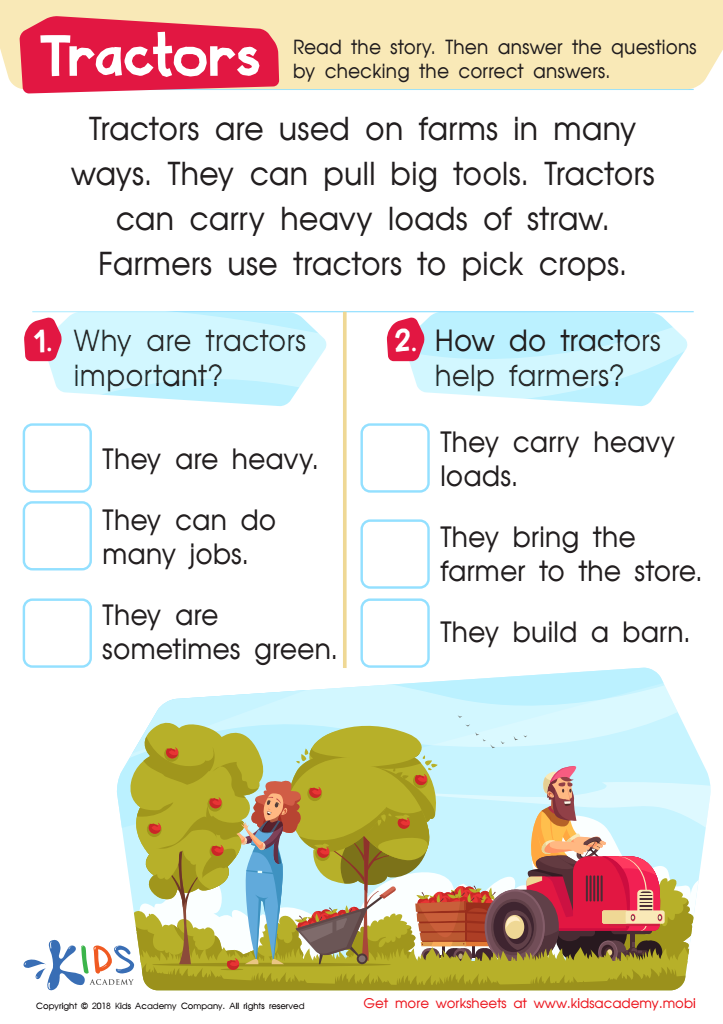
Tractors Worksheet







Counting practice is crucial for 7-year-olds because it fosters numerical literacy and foundational math skills that are essential for their academic success. At this age, children transition from simple counting to more complex arithmetic operations. Regular counting practice enhances their understanding of number sequences, place value, and basic operations like addition and subtraction.
Moreover, proficiency in counting aids in developing problem-solving abilities and logical thinking, laying the groundwork for more advanced mathematical concepts they'll encounter as they grow. It also boosts their confidence and fluency in using numbers, which translates to better performance in various academic areas.
Similarly, reading practice is fundamental for 7-year-olds as it builds strong literacy skills. This period is critical for transitioning from learning to read to reading to learn. Frequent reading encourages vocabulary growth, improves comprehension, and fosters a love for literature. It allows children to explore new ideas, improve their listening skills, and enhance their ability to focus and concentrate.
On a broader scale, both counting and reading are essential life skills that contribute to everyday activities, from shopping and cooking to following instructions and making informed decisions. Parents and teachers should prioritize these practices to ensure holistic development and equip children with the tools they need for future success.








