Moral understanding Reading Fiction Worksheets for 7-Year-Olds
4 filtered results
-
From - To
Explore our engaging Moral Understanding Reading Fiction Worksheets designed for 7-year-olds! These worksheets help young readers connect with key moral lessons found in stories. By analyzing characters, motivations, and conflicts, children develop critical thinking skills and empathy, enhancing their reading experience. Tailored to reinforce comprehension and moral reasoning, these activities encourage discussions about choices, consequences, and values. Perfect for classroom use or at-home learning, our resources aim to inspire thoughtful reflections on right and wrong while fostering a love for reading. Give your child the tools to understand the moral dimensions of fiction and apply these lessons to real-life situations!
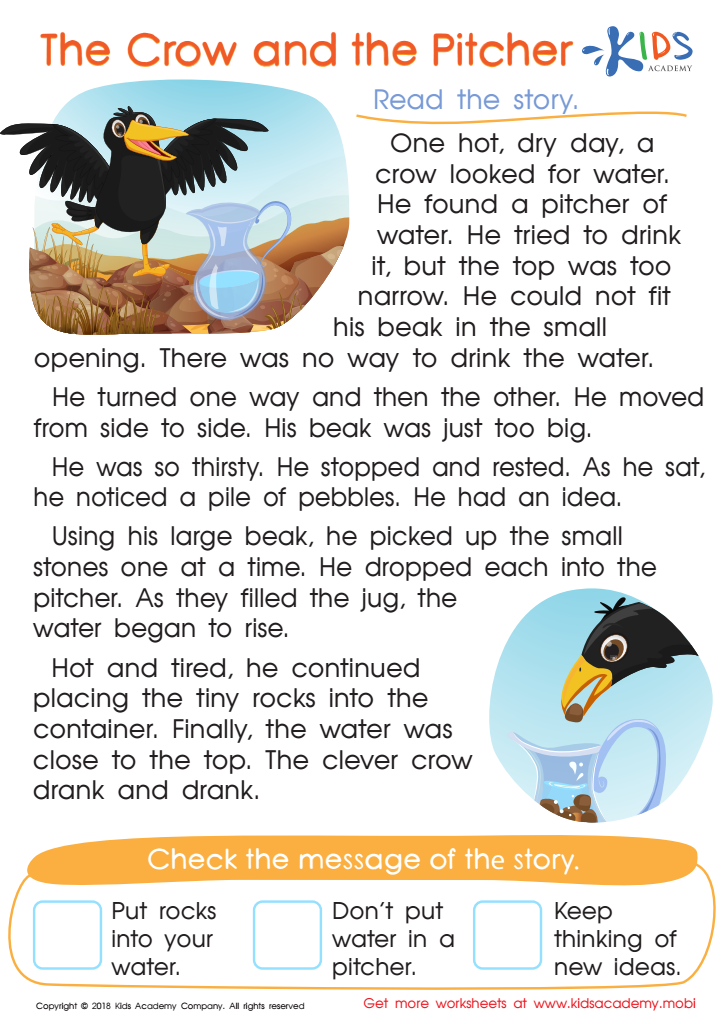
The Crow and the Pitcher Worksheet
 Assign to My Students
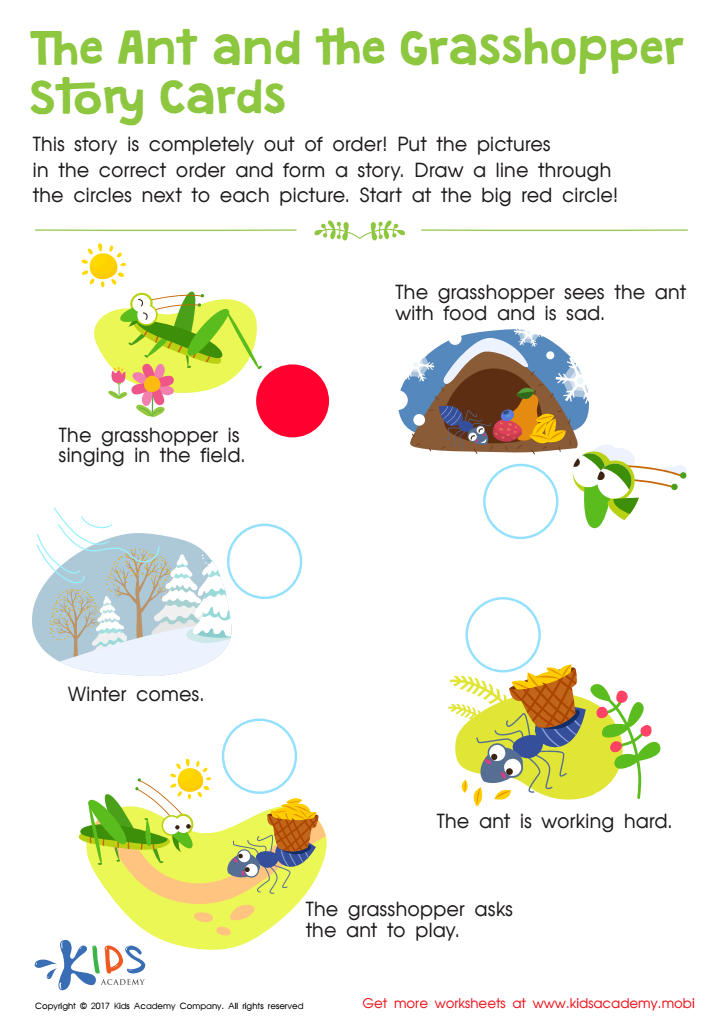
The Ant and The Grasshopper Worksheet
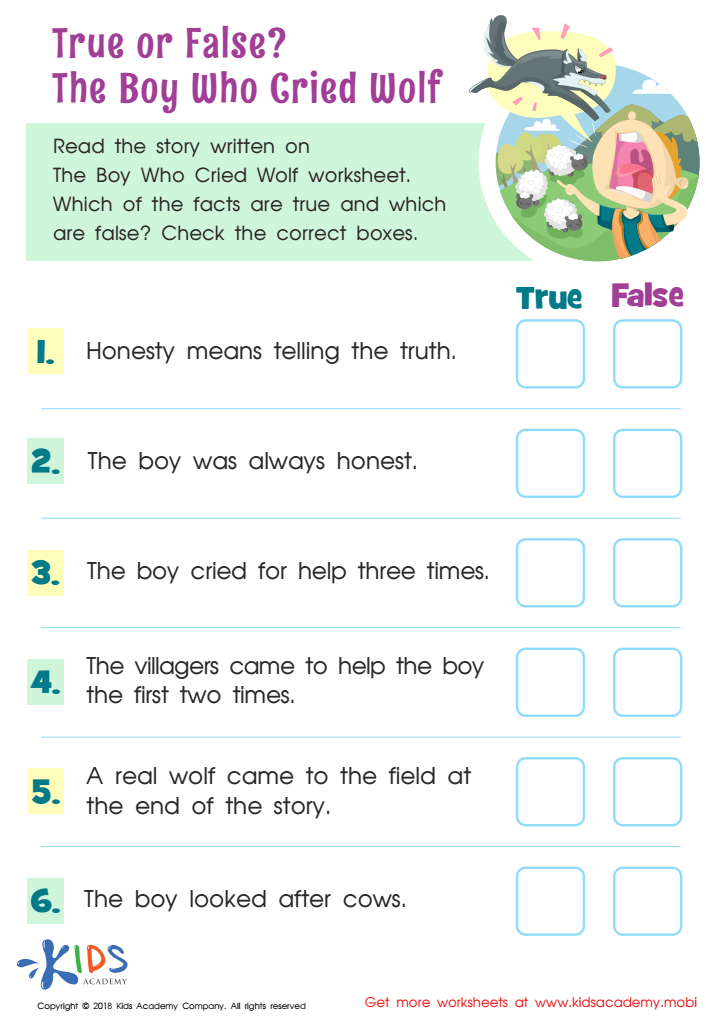
True or False? The Boy Who Cried Wolf Worksheet
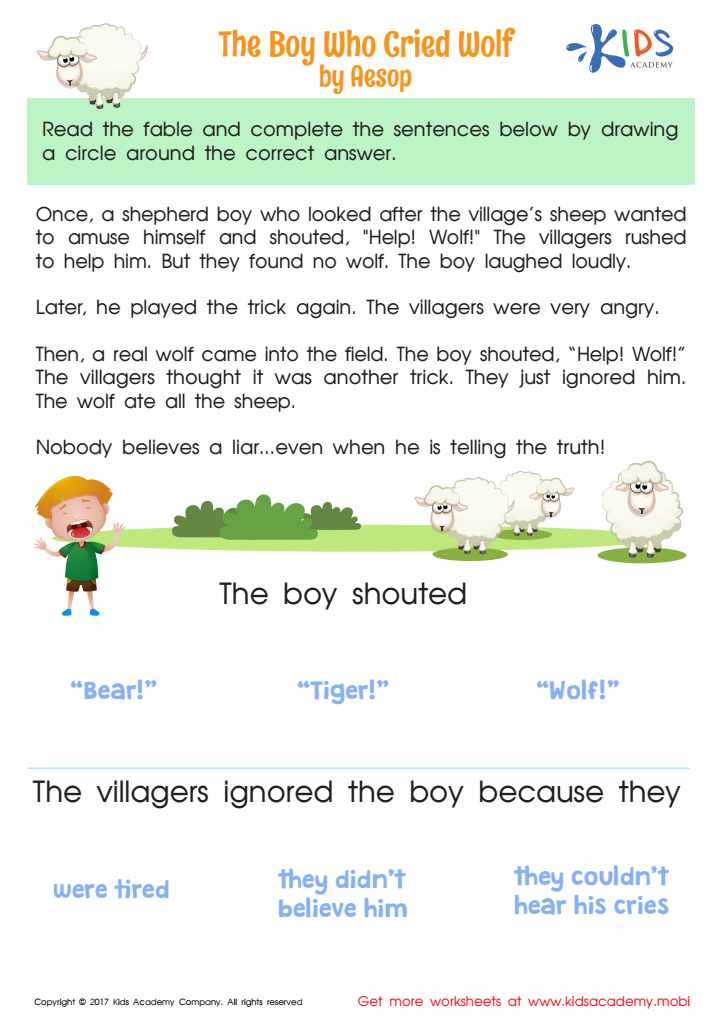
The Boy Who Cried Wolf Worksheet








Parents and teachers should recognize the importance of moral understanding through reading fiction for 7-year-olds, as it lays a vital foundation for empathy, critical thinking, and ethical reasoning. At this age, children are developing their ability to understand complex emotions and social dynamics. Fictional stories introduce relatable characters facing various moral dilemmas, allowing children to explore different perspectives and outcomes.
By engaging with these narratives, kids learn to identify feelings and motivations in themselves and others, fostering empathy. For instance, characters grappling with honesty, friendship, or fairness provide relatable scenarios that stimulate discussions about right and wrong. These conversations can guide children in making thoughtful choices and developing a moral compass.
Moreover, fiction cultivates critical thinking. As children evaluate characters' decisions, they begin to weigh consequences and understand the implications of actions, enhancing their problem-solving skills both socially and academically. The integration of moral lessons through stories also encourages a love for reading, promoting literacy as children become invested in the narrative.
By prioritizing moral understanding in fiction, parents and teachers enhance both emotional intelligence and social skills, better preparing children for complex real-life situations as they grow.








