Critical Thinking Sight Words Worksheets for 7-Year-Olds
3 filtered results
-
From - To
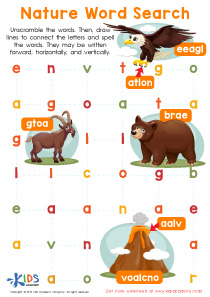
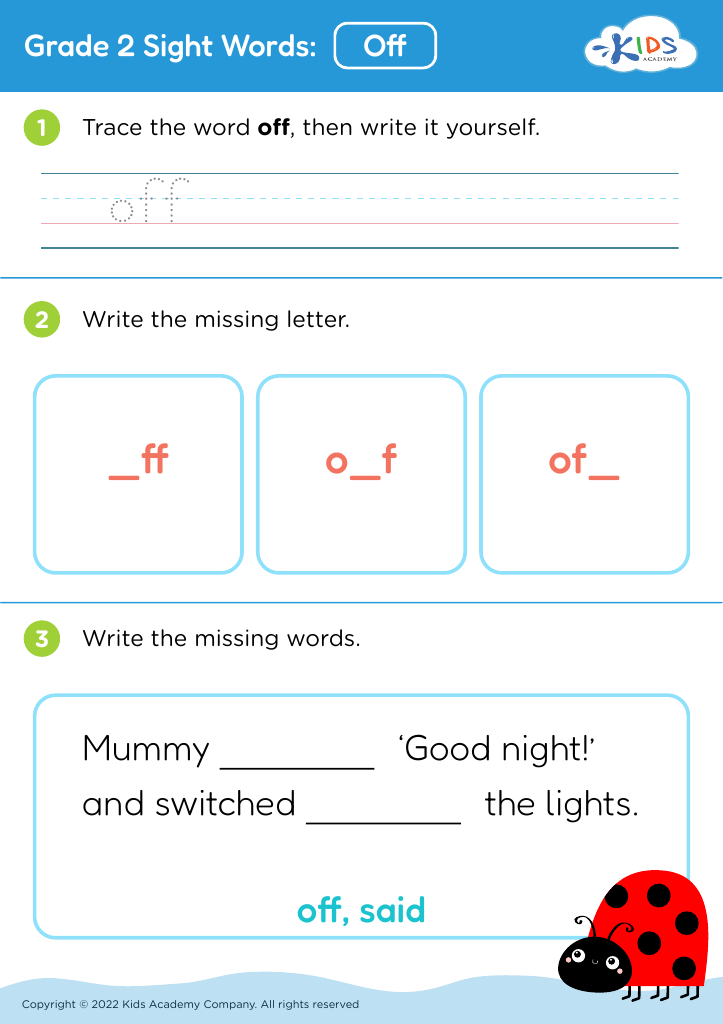
Enhance your child's reading skills with our engaging Critical Thinking Sight Words Worksheets designed specifically for 7-year-olds. These worksheets offer a fun and interactive way to support young learners in recognizing and using essential sight words while developing their critical thinking abilities. By incorporating puzzles, matching exercises, and creative prompts, children will not only improve their vocabulary but also enhance their comprehension skills. Foster independence and curiosity in your little one as they explore language and engage in problem-solving activities. Perfect for home or classroom use, our worksheets will help nurture thoughtful readers ready for academic success. Download now and inspire learning!







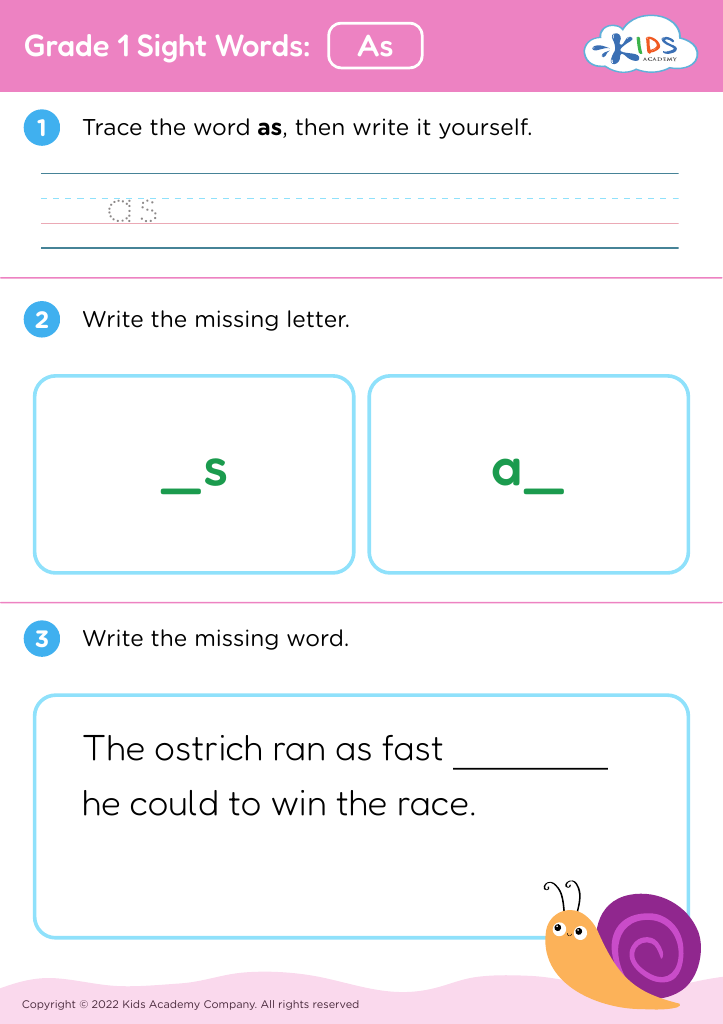
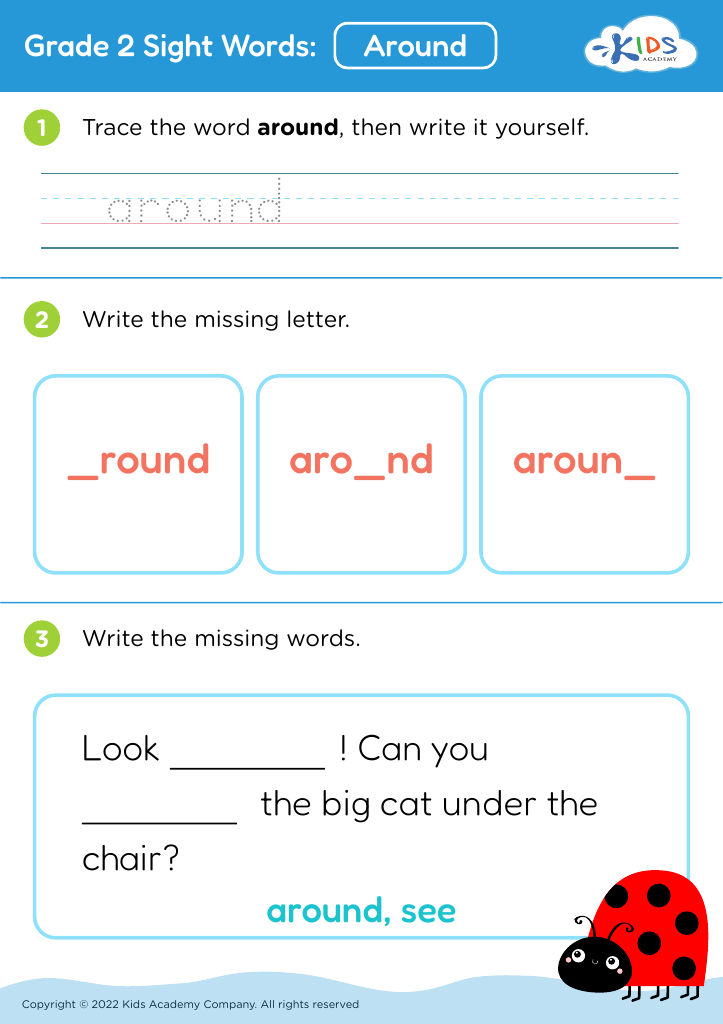








Critical Thinking Sight Words are essential for 7-year-olds as they significantly enhance reading, writing, and cognitive skills. At this age, children are not only learning to read but are also learning to think critically about what they read. Parents and teachers should care about these sight words because they serve as a foundation for a child’s literacy and language development.
Sight words are common words that frequently appear in texts, yet often don't follow standard phonetic rules, which makes them difficult to sound out. By emphasizing the understanding and recognition of these words, children can improve their reading fluency, enabling them to focus on comprehension rather than decoding each word individually. This fluency supports critical thinking because it allows kids to analyze and derive meaning from texts more effectively.
Moreover, incorporating Critical Thinking Sight Words encourages discussions and reflections about the reading material. When children understand not just what a word means but how it fits into a larger context, they can explore themes, make predictions, and ask questions. This nurtures their ability to think independently and engage with texts meaningfully, skills they will rely on throughout their education and in everyday life. For parents and teachers, supporting this learning journey cultivates a love for reading and enhances overall academic success.