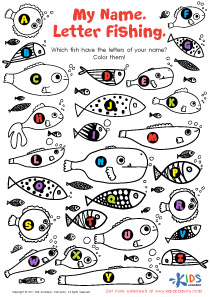
Alphabet Recognition ABC Order Worksheets for Ages 8-9
11 filtered results
-
From - To
Enhance your child's alphabet recognition skills with our engaging ABC Order worksheets tailored specifically for ages 8-9. These interactive and fun worksheets encourage children to familiarize themselves with letter sequences while improving their reading and writing abilities. With a variety of activities including sorting letters, completing words, and playful exercises, your young learners will master the alphabet with confidence. Our comprehensive materials not only support classroom learning but also offer at-home practice that keeps kids motivated. Perfect for building foundational literacy skills, these worksheets make learning the alphabet an enjoyable adventure. Start boosting your child's knowledge today!
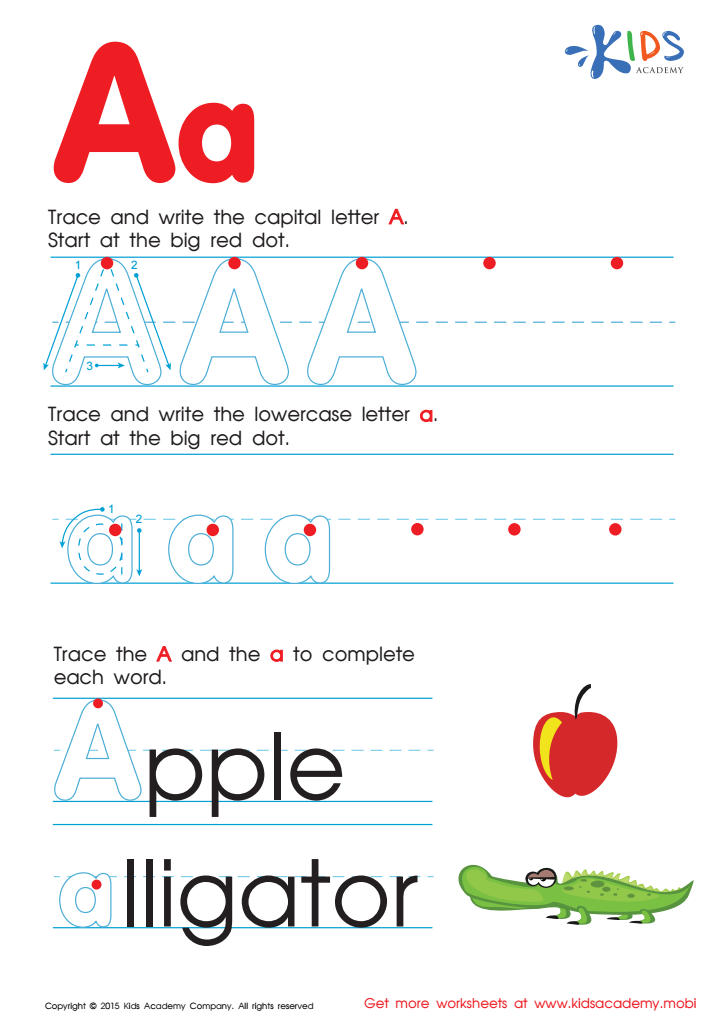
Letter A Tracing Page
 Assign to My Students


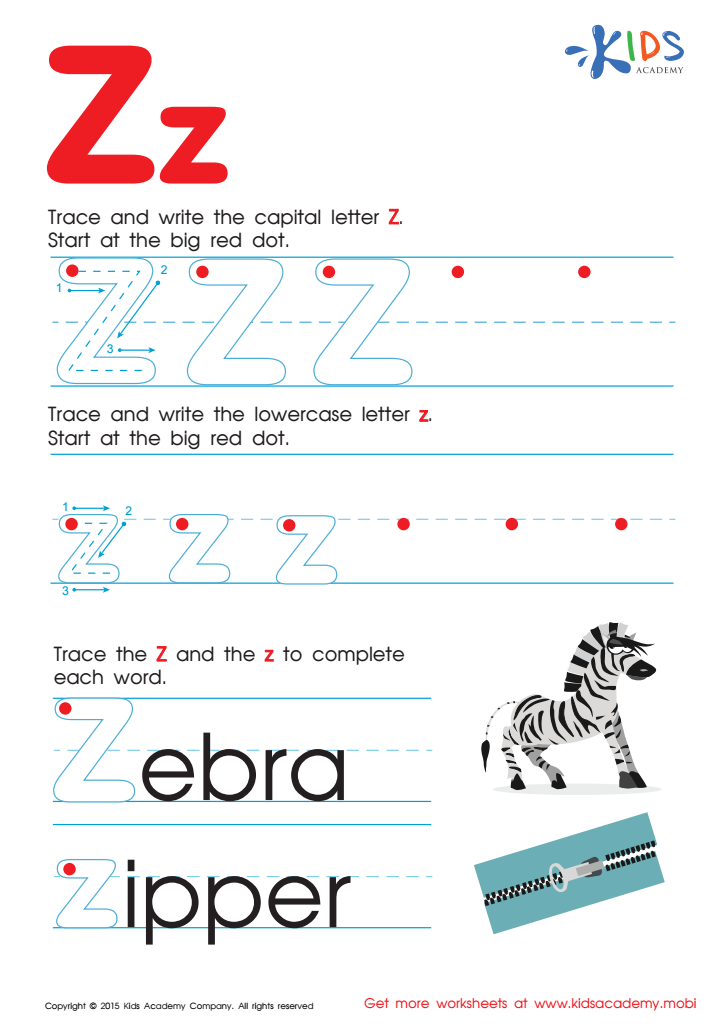
Letter Z Tracing Page
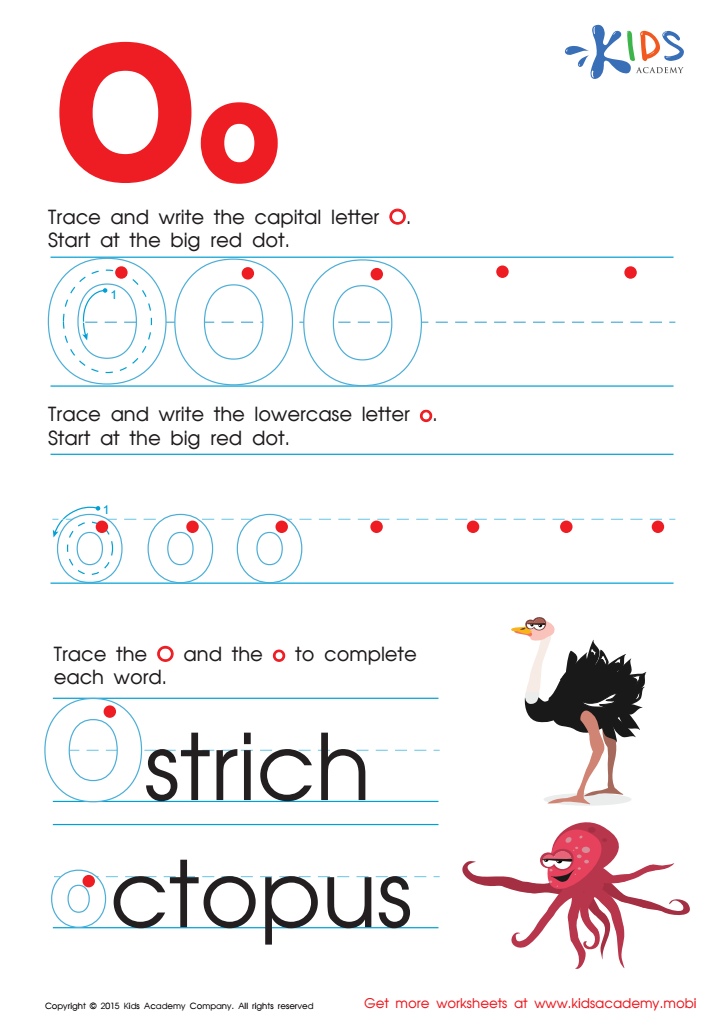
Letter O Tracing Page
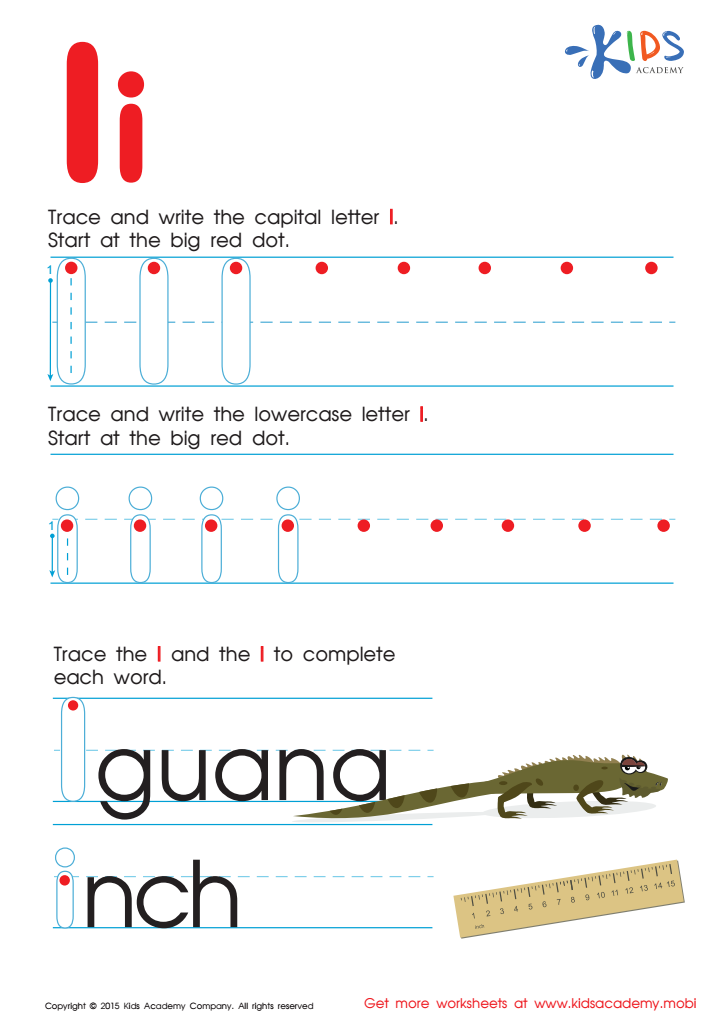
Letter I Tracing Page
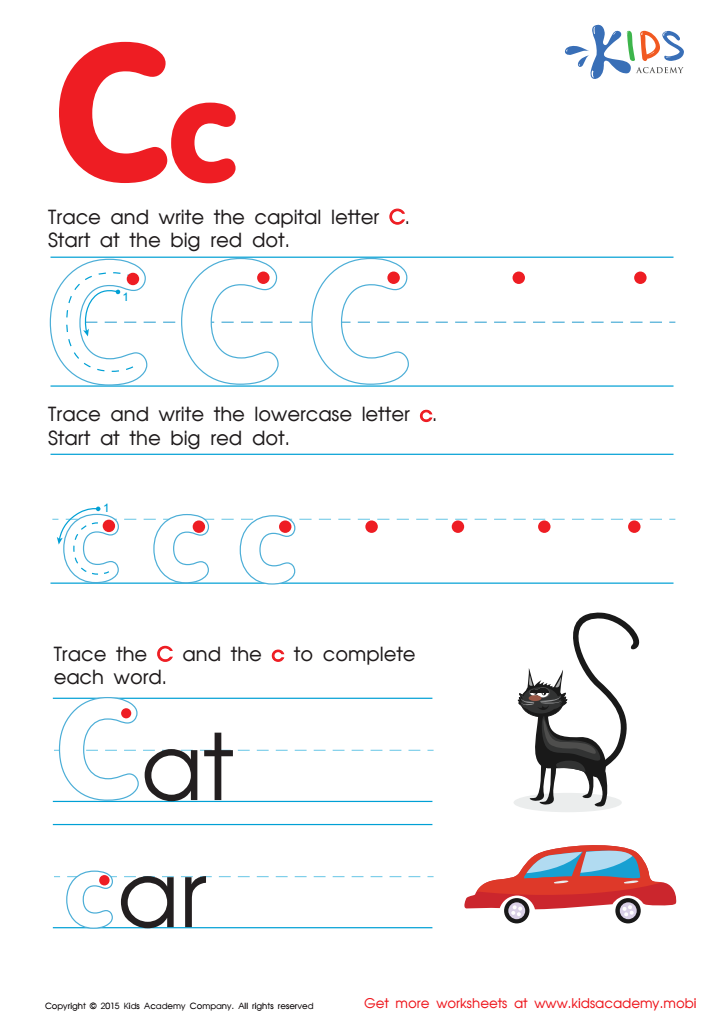
Letter C Tracing Page
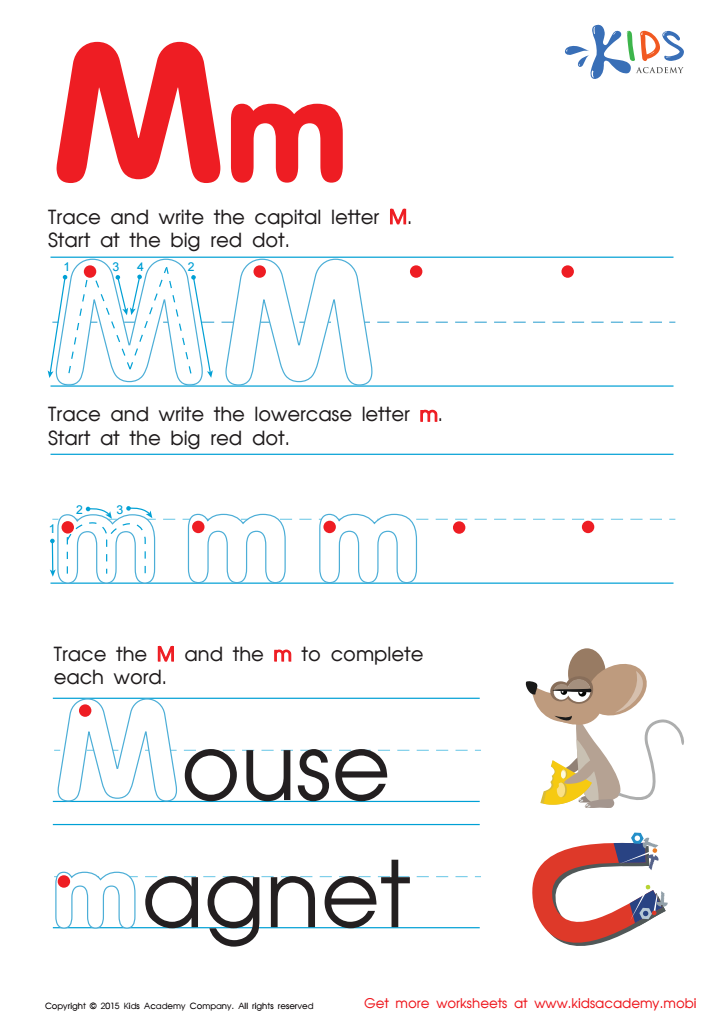
Letter M Tracing Page
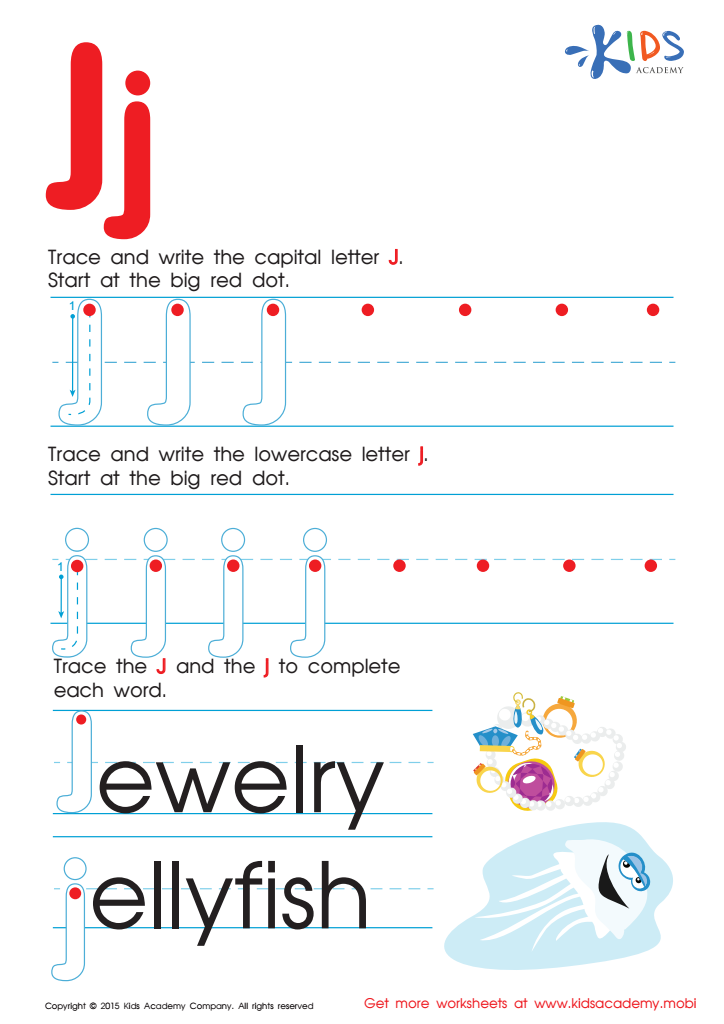
Letter J Tracing Page
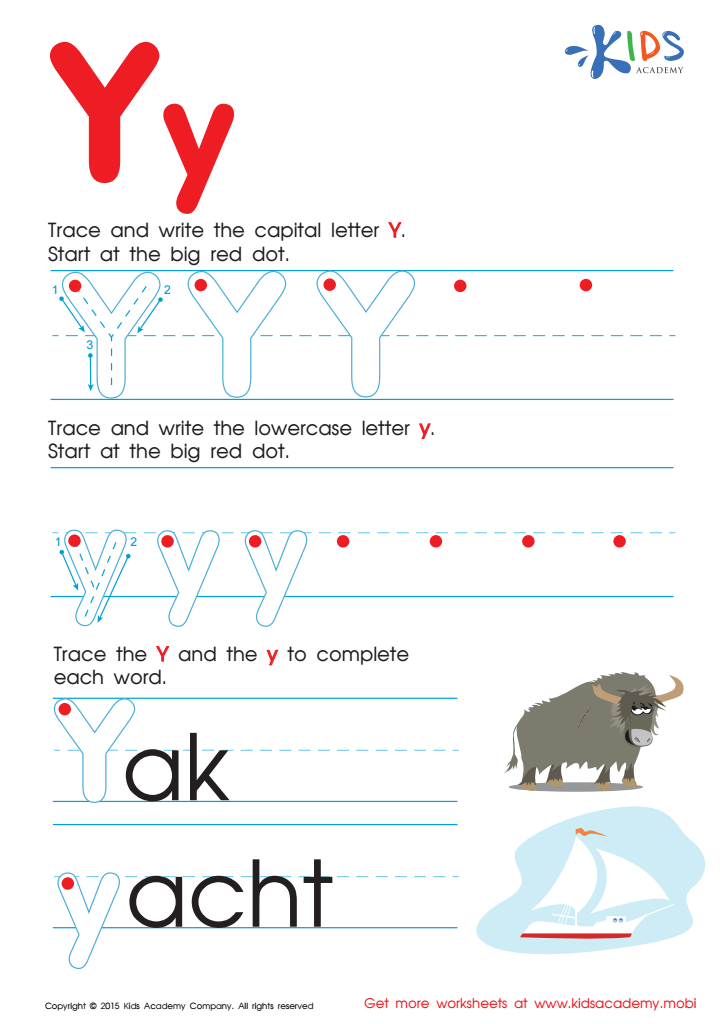
Letter Y Tracing Page
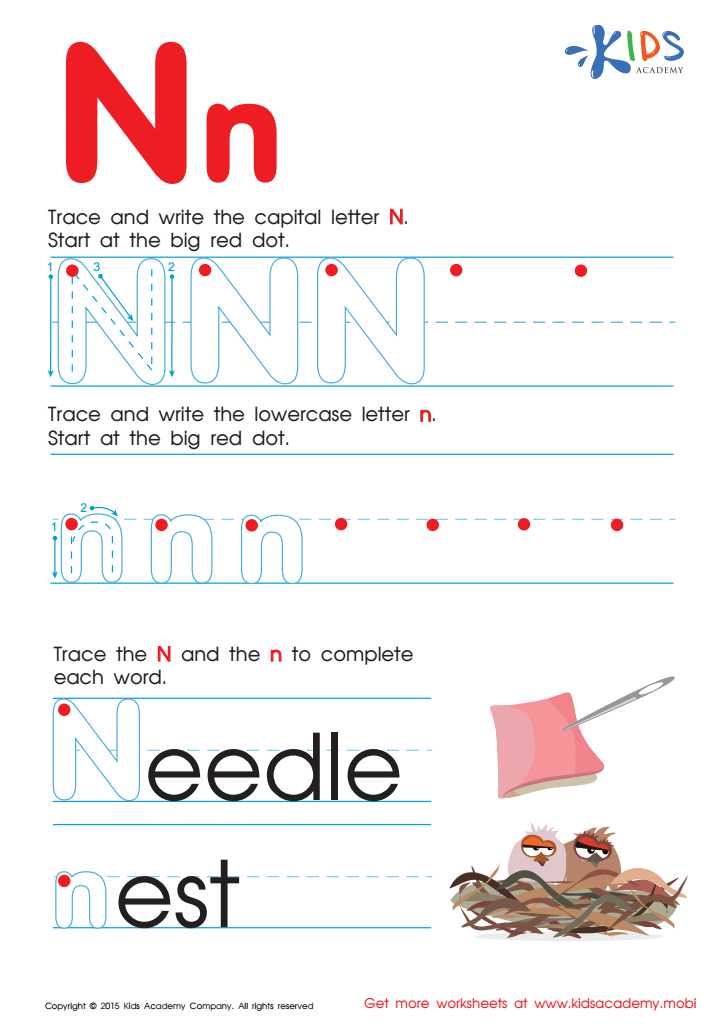
Letter N Tracing Page
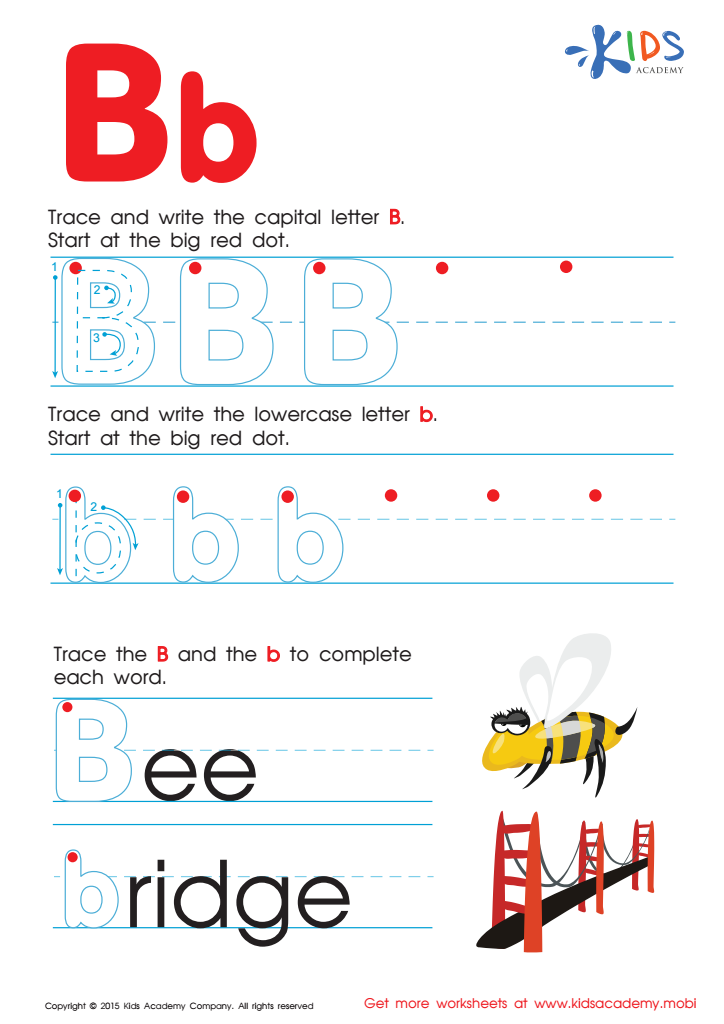
Letter B Tracing Page
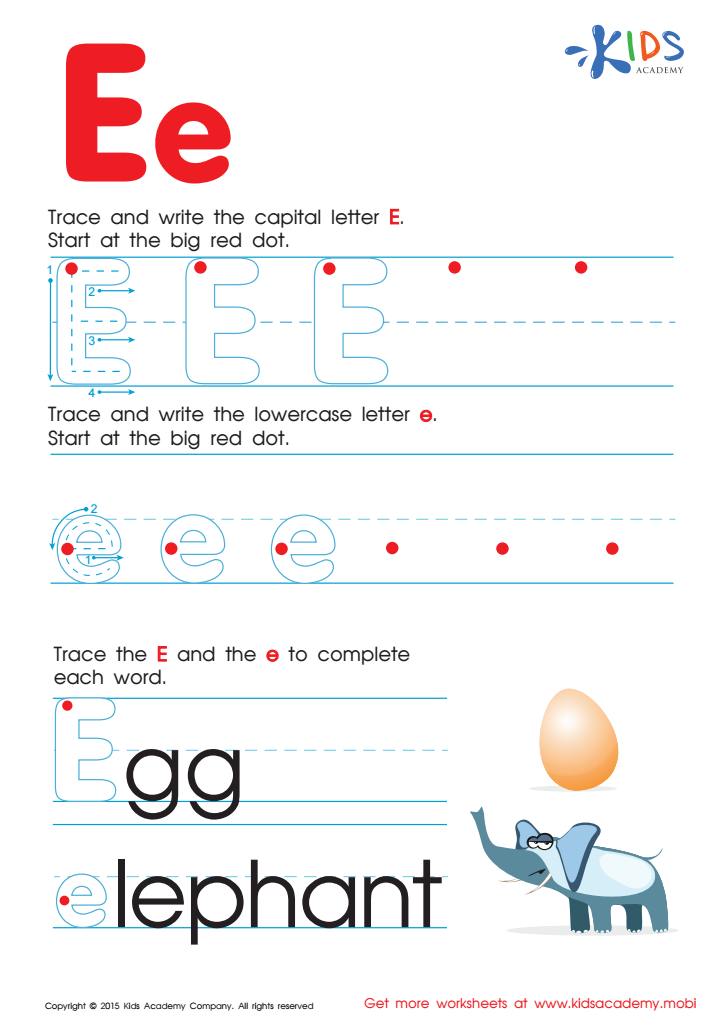
Letter E Tracing Page








Alphabet recognition and understanding ABC order are foundational skills for children aged 8-9 that significantly influence their literacy development. At this stage, children are transitioning from learning to read to reading to learn. Recognizing letters and understanding their sequence enhances reading fluency, which is crucial for comprehension.
When children can quickly identify letters and understand their arrangement in alphabetical order, they can efficiently find words in dictionaries, encyclopedias, and other text resources. This ability boosts their research skills, fostering independence in learning. Furthermore, excellent alphabet recognition aids spelling and writing skills, as children learn to associate sounds with letters, enhancing their communication abilities.
For parents and teachers, encouraging alphabet recognition offers a structured and engaging way to support literacy. Interactive activities, such as alphabet games, songs, and phonics exercises, can make the learning process enjoyable. This engagement can pave the way for a love of reading, critical for lifelong learning. Additionally, reinforcing these skills helps build confidence in children, which is vital for their academic journey. Ultimately, focusing on these competencies not only enriches language acquisition but also prepares children for future academic success, making it a worthwhile component of early education.