Letter formation ABC Order Worksheets for Ages 8-9
3 filtered results
-
From - To
Our "Letter Formation ABC Order Worksheets for Ages 8-9" are designed to boost your child's mastery of both alphabetic order and handwriting skills. Engaging activities challenge young learners to organize letters and words while practicing precise letter formation. With a variety of fun and educational tasks, these worksheets help enhance their cognitive development and dexterity. Ideal for second to third graders, these printables ensure children gain confidence in their writing abilities by offering structured practice in a playful format. Perfect for classroom use or at-home learning, watch as your child writes and organizes letters with ease!
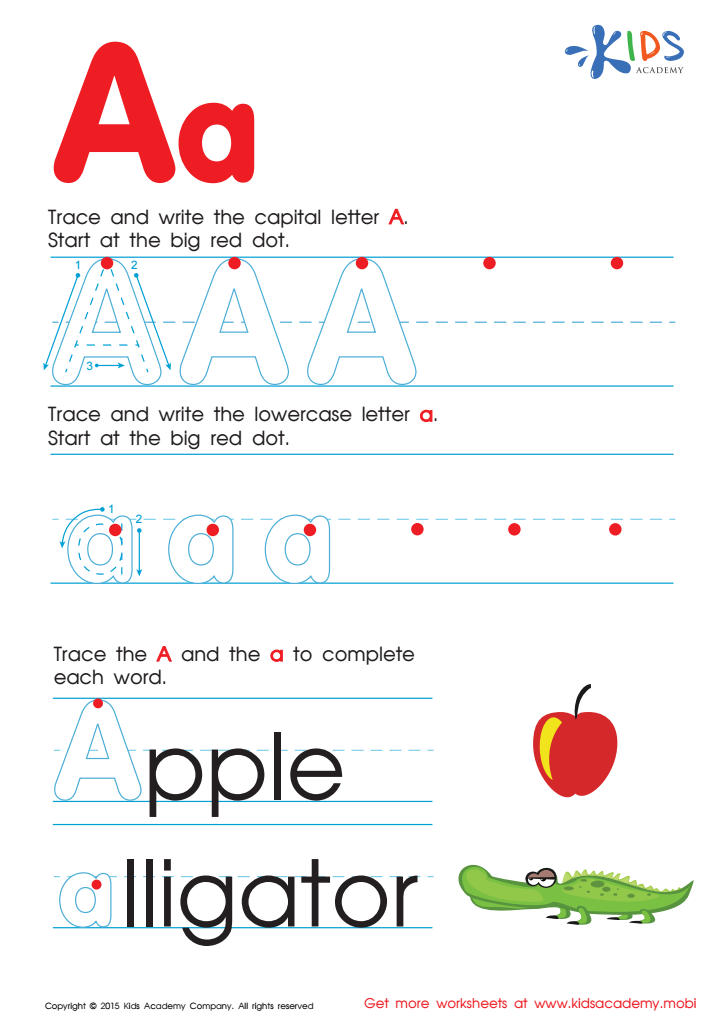
Letter A Tracing Page
 Assign to My Students

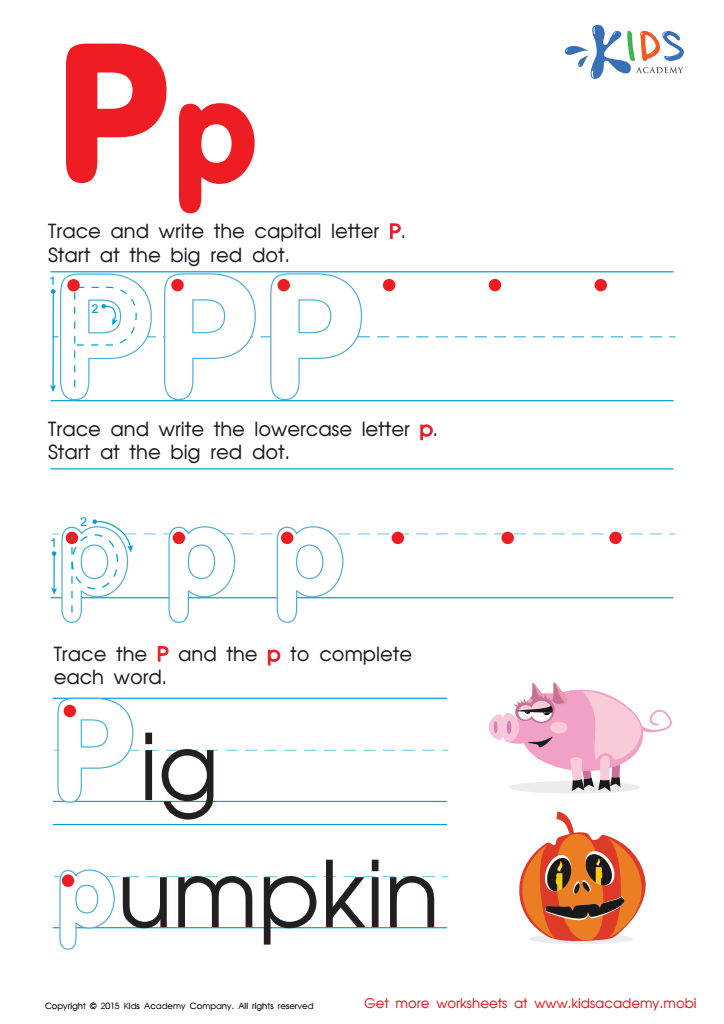
Letter P Tracing Page

Letter G Tracing Page








Caring about letter formation and alphabetic order is crucial for children aged 8-9 as it lays the foundation for effective communication and academic success. At this formative stage, proper letter formation ensures legibility and fluency in writing. When children form letters correctly, they can write more comfortably and quickly, reducing frustration and increasing compositional flow. This skill is not just about neat handwriting; it’s also vital for note-taking, exams, and longer writing tasks in their later academic years.
Understanding alphabetical order is equally important. It aids in a child's cognitive development by enhancing their skills in organizing and categorizing information. Alphabetic proficiency enables them to use dictionaries, indexes, and other reference tools efficiently—critical skills for independent learning. Furthermore, it strengthens their understanding of sequencing, a fundamental math and reading concept.
Teachers and parents need to monitor and support these skills through fun, interactive activities that engage children. Additionally, they can tailor practice to each child's learning style, whether through hands-on activities, digital tools, or traditional worksheets. Ultimately, a solid grasp of letter formation and alphabetic order equips children with the tools they need for literacy development, fostering greater academic confidence and success.