Alphabet Learning ABC Letters Worksheets for Ages 8-9
3 filtered results
-
From - To
Welcome to our Alphabet Learning ABC Letters Worksheets for Ages 8-9! Designed to enhance literacy skills for early learners, these engaging worksheets feature fun activities that captivate and motivate children. Your child will explore letter recognition, phonics, and early writing skills through various creative exercises. Our worksheets include tracing letters, matching activities, and interactive games, all aimed at reinforcing knowledge while keeping the learning experience enjoyable. Perfect for homeschooling or classroom use, these resources will help children build a strong foundation in language arts. Empower your child’s reading journey with our thoughtfully crafted materials that stimulate curiosity and foster a love for learning!
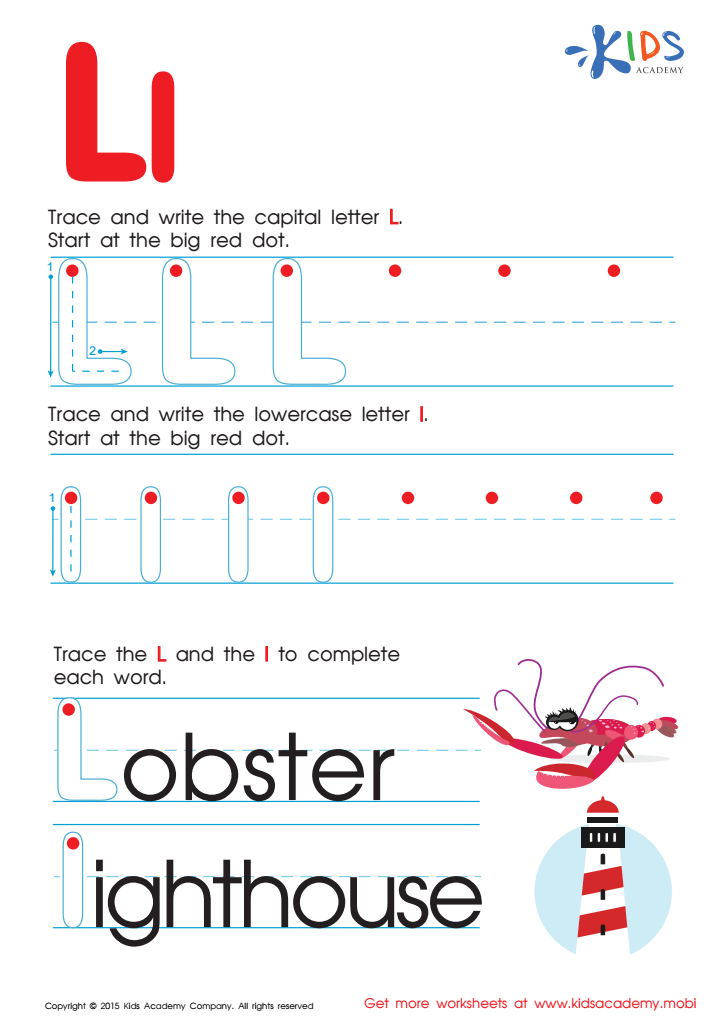
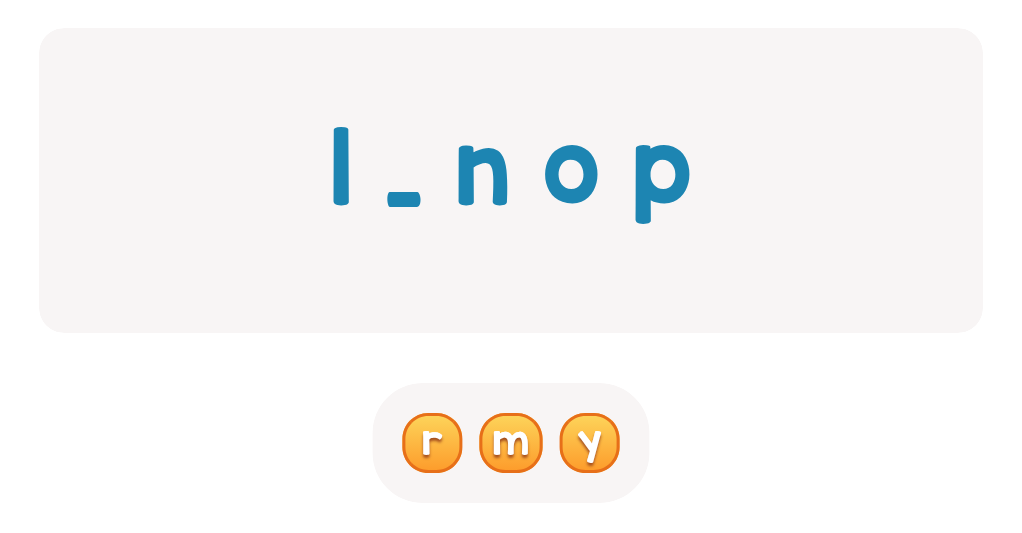
Letter L Tracing Page







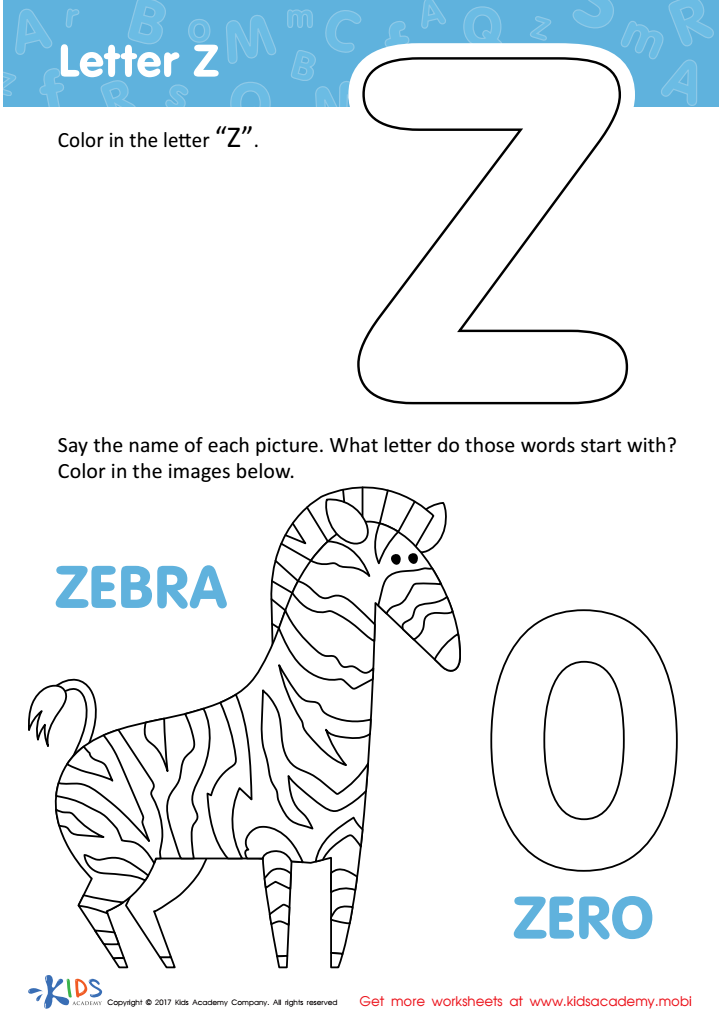
Letter Z Coloring Sheet
 Assign to My Students
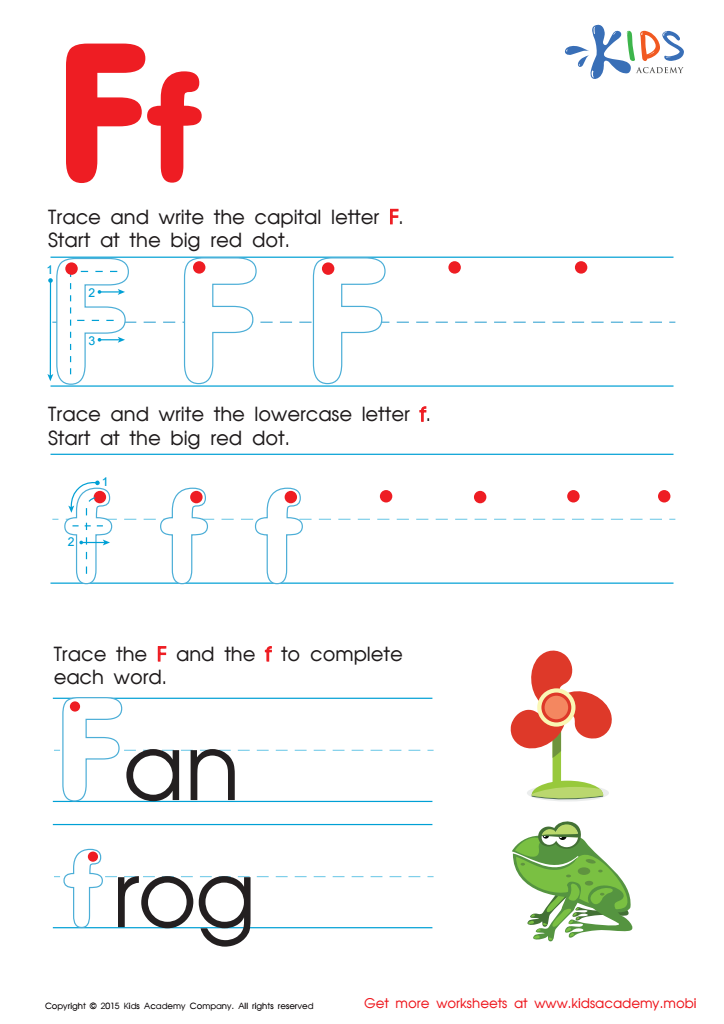
Letter F Tracing Page






Alphabet learning is a foundational aspect of reading and writing development, even for children aged 8-9, who may still be refining these skills. At this age, students are increasingly encountering complex texts that require a solid understanding of letter-sound relationships. Mastery of the ABCs ensures they can decode unfamiliar words, enhancing their reading fluency and comprehension.
For parents and teachers, fostering a strong grasp of alphabet learning promotes confidence in literacy. Students who struggle with letter recognition may experience frustration during reading and writing activities, potentially affecting their overall academic performance. Engaging activities that reinforce alphabet knowledge can reinforce critical cognitive skills such as phonemic awareness, spelling, and vocabulary acquisition.
Moreover, understanding letters forms the basis for more advanced language concepts, such as grammar and syntax. When children are comfortable with the alphabet, they are better equipped to tackle more complex literacy skills, paving the way for academic success across subjects. By prioritizing alphabet learning, parents and teachers play a crucial role in supporting children’s educational journey, ensuring they develop the skills necessary for long-term academic achievement and a lifelong love of reading. Investing in early literacy not only empowers children academically but also nurtures their innate curiosity and creativity.







