Alphabet Recognition ABC Letters Worksheets for Ages 8-9 - Page 2
27 filtered results
-
From - To
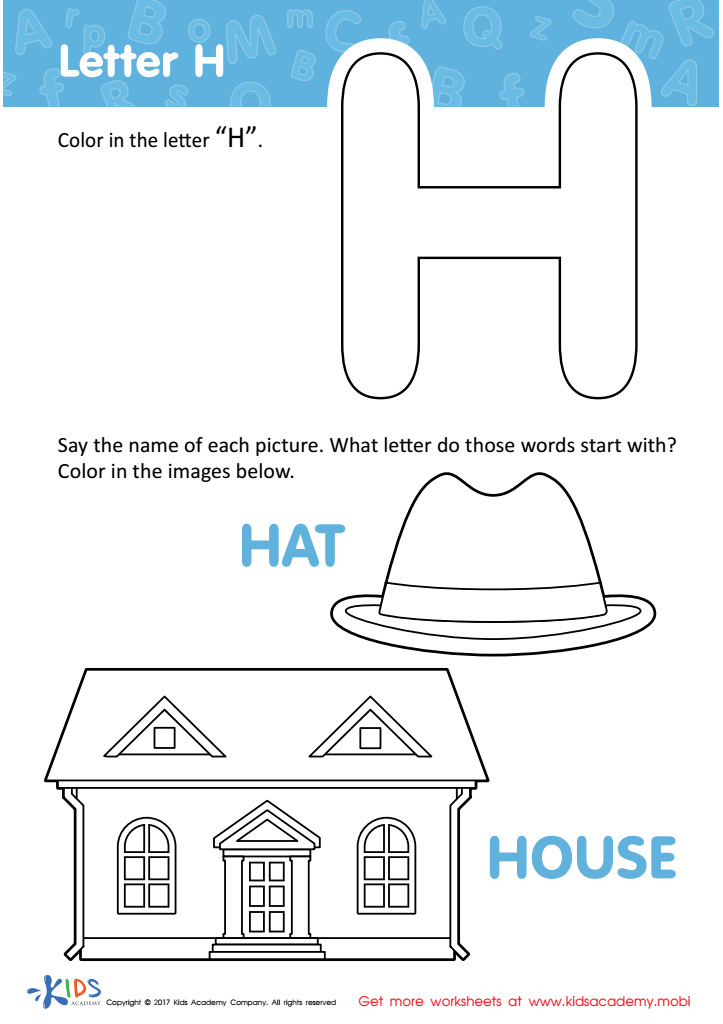
Letter H Coloring Sheet
 Assign to My Students


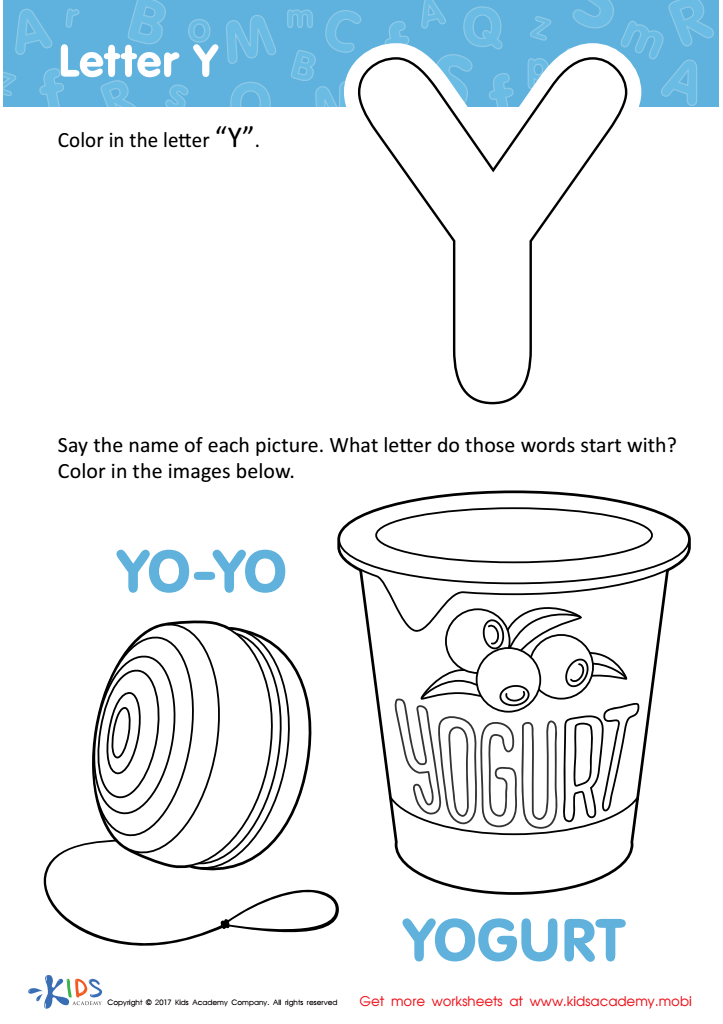
Letter Y Coloring Sheet
Assign to My Students
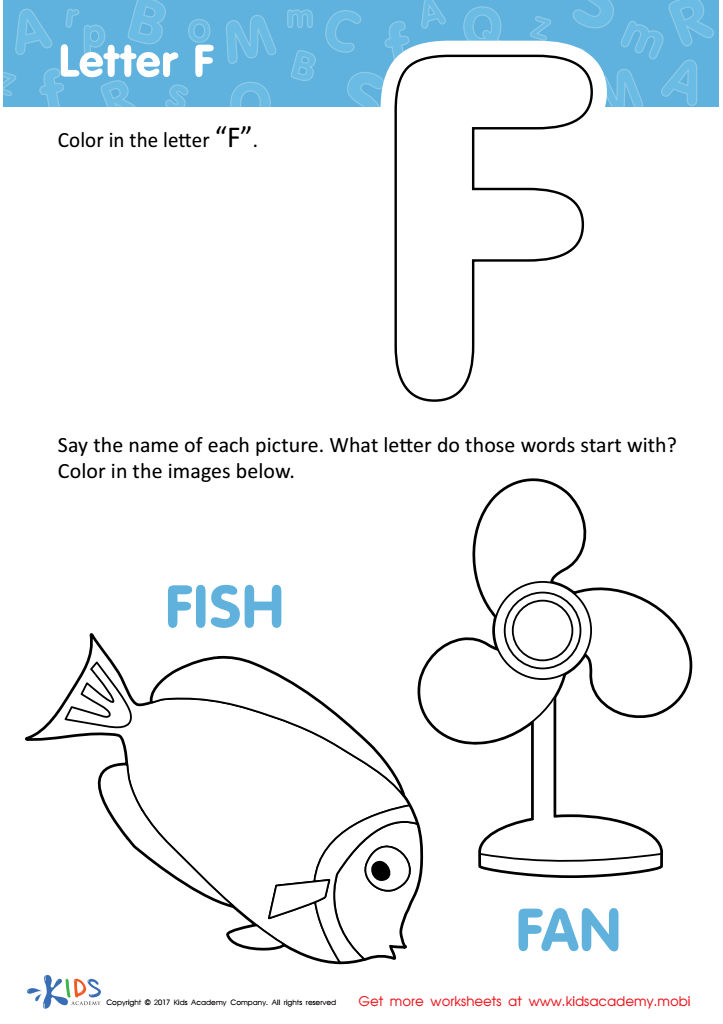
Letter F Coloring Sheet
Assign to My Students







Alphabet recognition is a crucial milestone in early literacy development, especially for children aged 8-9. At this stage, many students are transitioning from learning the alphabet to decoding words and constructing sentences. A solid foundation in recognizing and understanding the alphabet significantly enhances their reading and writing skills, which are essential for academic success across all subjects.
Parents and teachers must emphasize alphabet recognition because it fosters confidence and encourages a positive attitude towards reading. Children who are comfortable with the letters are more likely to engage with books, participate in classroom discussions, and express their ideas effectively. Additionally, recognizing letters aids in developing spelling skills, which are interconnected with vocabulary growth.
Furthermore, when students grapple with letter recognition, it can lead to frustration and disengagement from learning. Identifying and addressing these challenges early can prevent future literacy difficulties. Ultimately, supporting children in mastering the ABCs not only lays the groundwork for reading fluency but also cultivates a lifelong love of learning. In today's competitive world, strong literacy skills are indispensable, making it crucial for parents and teachers to prioritize alphabet recognition in the lives of 8-9-year-olds.







