Alphabetical order understanding ABC Letters Worksheets for Ages 8-9
3 filtered results
-
From - To
Enhance your child's understanding of alphabetical order with our engaging ABC Letters Worksheets, designed specifically for ages 8-9. These thoughtfully crafted worksheets help students develop essential sorting skills by organizing words and letters from A to Z. Through fun activities, such as matching and sequencing, learners gain a deeper comprehension of the alphabet's structure. Using varied exercises, children will strengthen their vocabulary while preparing them for reading and writing success. Perfect for both classroom and home learning, these worksheets make mastering alphabetical order an enjoyable experience. Explore our resources to inspire a love for letters and boost your child's confidence!
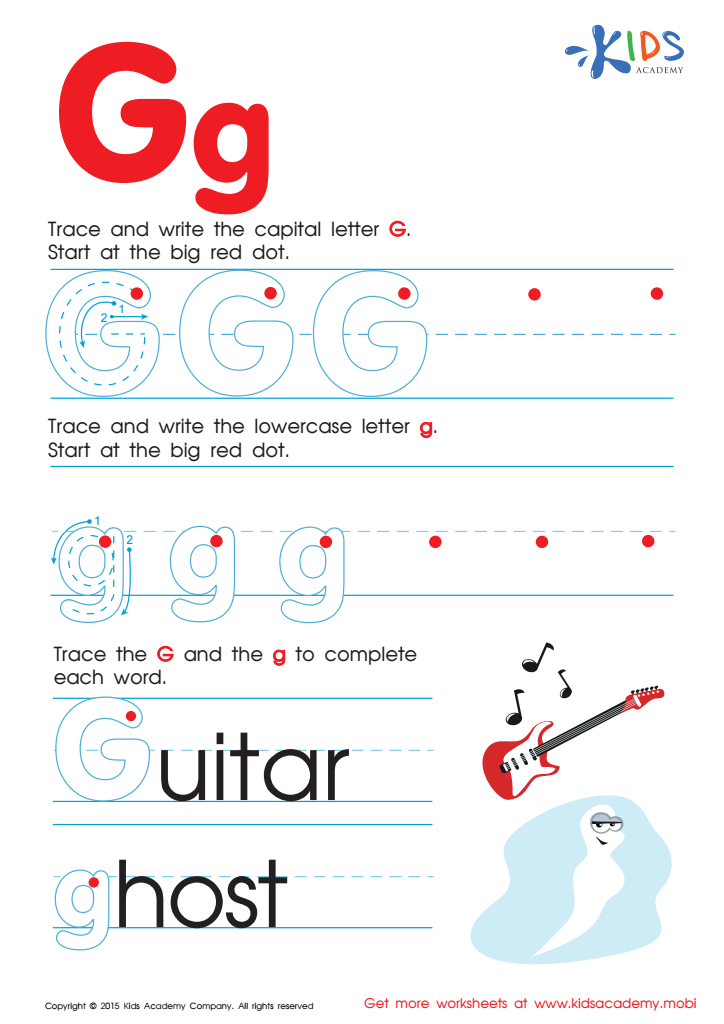
Letter G Tracing Page
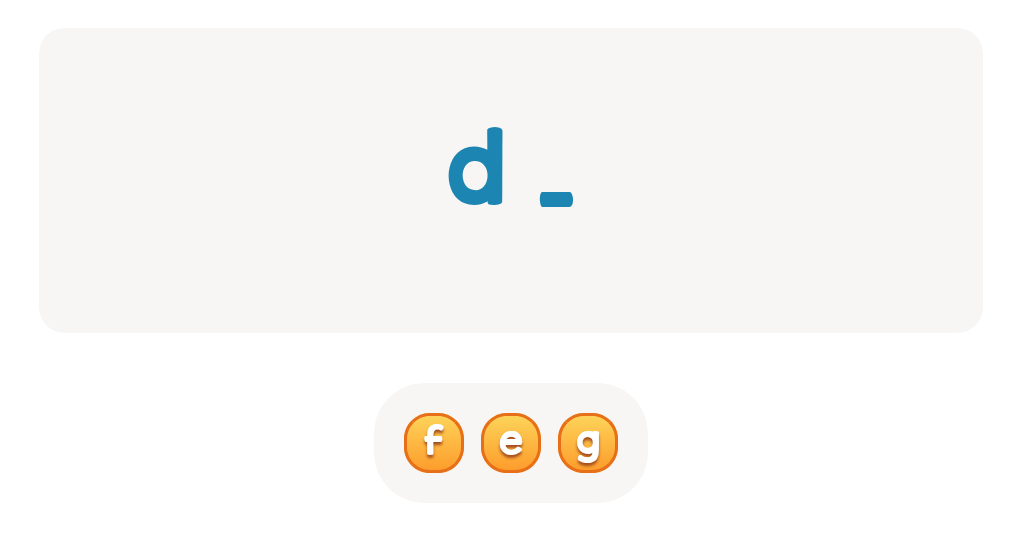

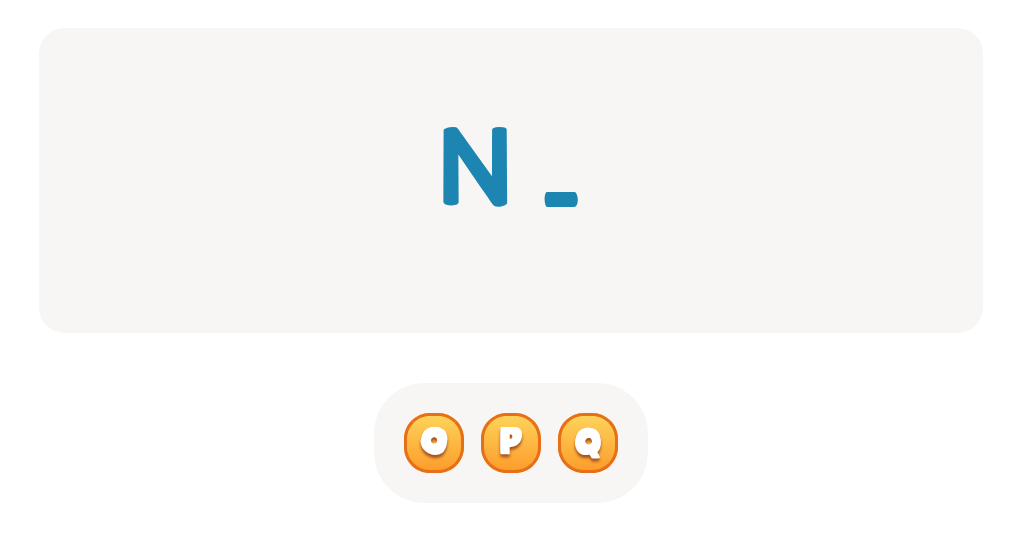
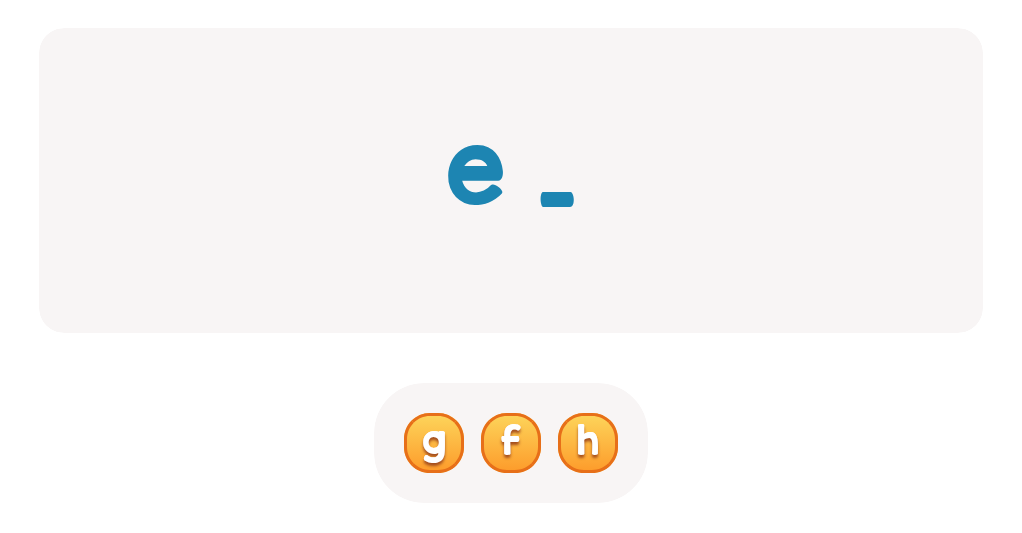
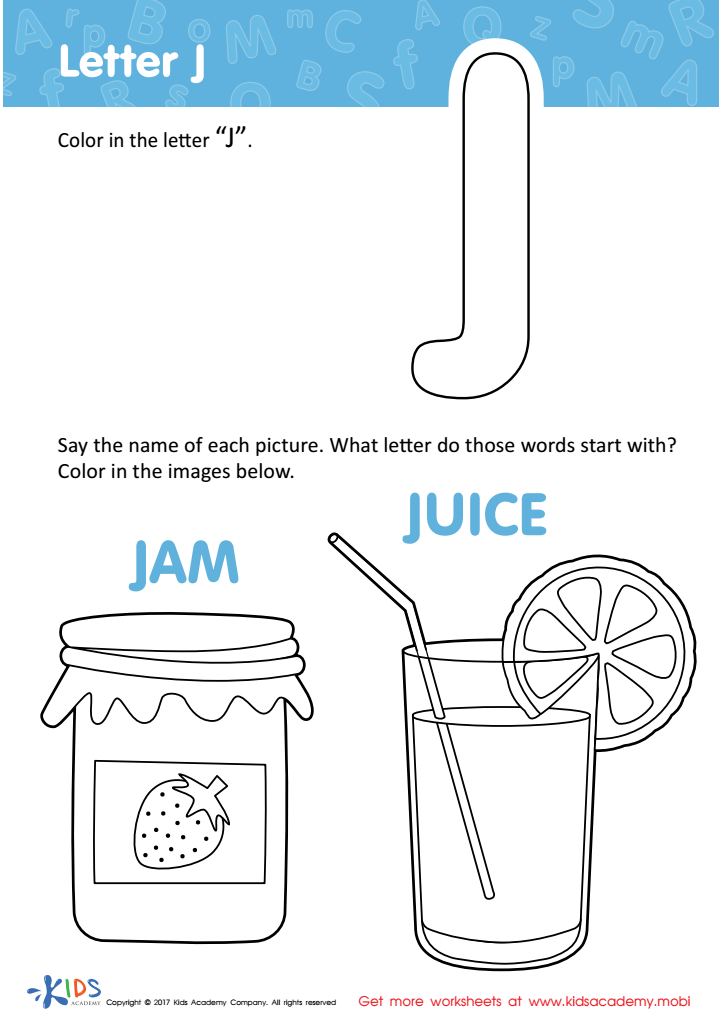
Letter J Coloring Sheet
 Assign to My Students
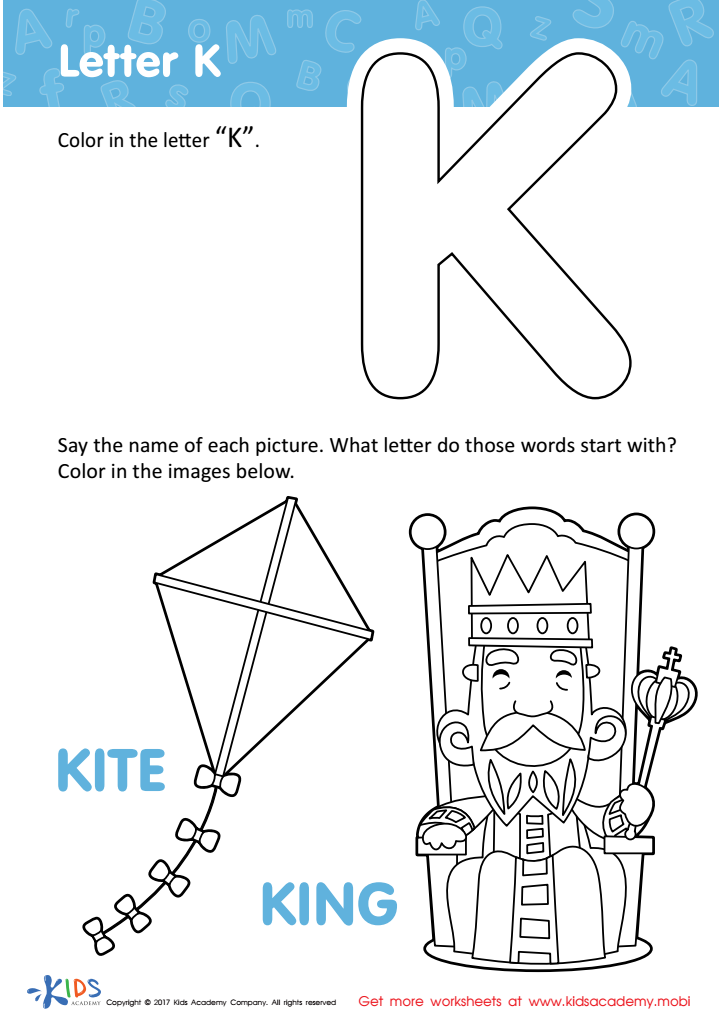
Letter K Coloring Sheet
Assign to My Students








Understanding alphabetical order is crucial for children aged 8-9 as it lays the foundation for essential literacy skills. At this developmental stage, children are refining their reading and writing abilities, and comprehension of alphabetical order enhances these skills. Mastering the sequence of ABC letters helps students organize information, locate references in dictionaries, and improves their ability to spell words correctly.
Moreover, alphabetical order cultivates critical thinking skills. As children learn to categorize, they develop logical reasoning when sorting words and phrases, which benefits their overall academic performance. This skill is not only important in language arts but also in science and social studies, where organization of information is key to understanding concepts.
Encouraging children to engage with alphabetical order through games and activities makes learning enjoyable and effective. It fosters a sense of independence, enabling them to search for information confidently. Teachers and parents should prioritize this skill, as it becomes increasingly relevant in digital literacy, where searching online often requires a grasp of alphabetical organization. In a broader context, understanding alphabetical order supports children’s communication skills, preparing them for future academic and life challenges.







