Handwriting practice Alphabet Worksheets for Ages 8-9 - Page 2
33 filtered results
-
From - To
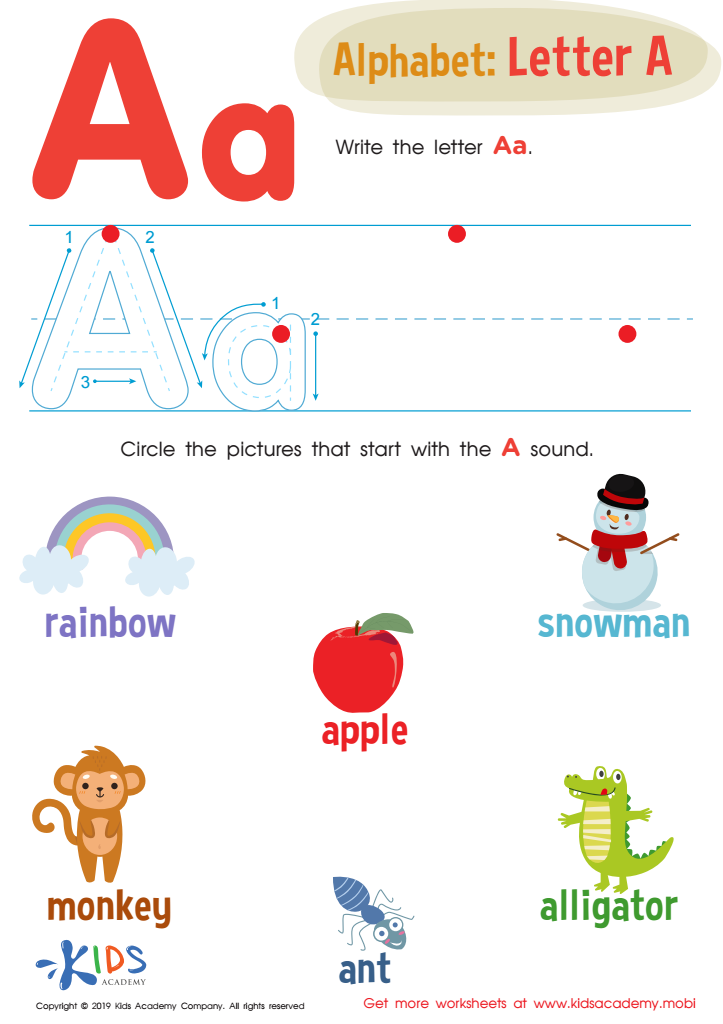
Letter A Tracing Worksheet
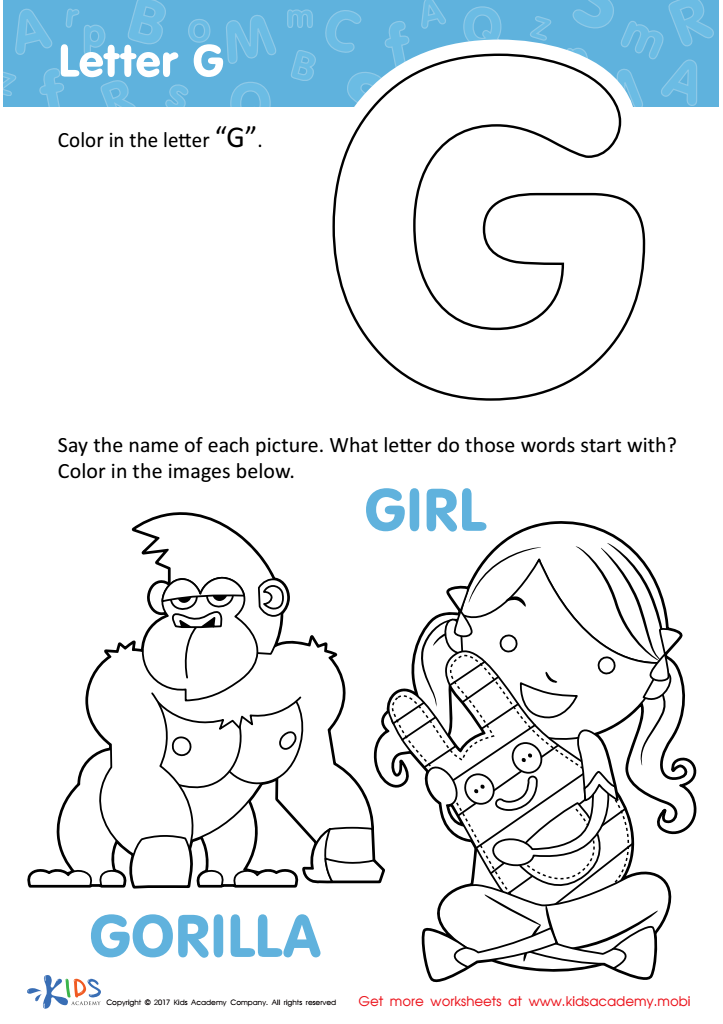
Letter G Coloring Sheet
 Assign to My Students
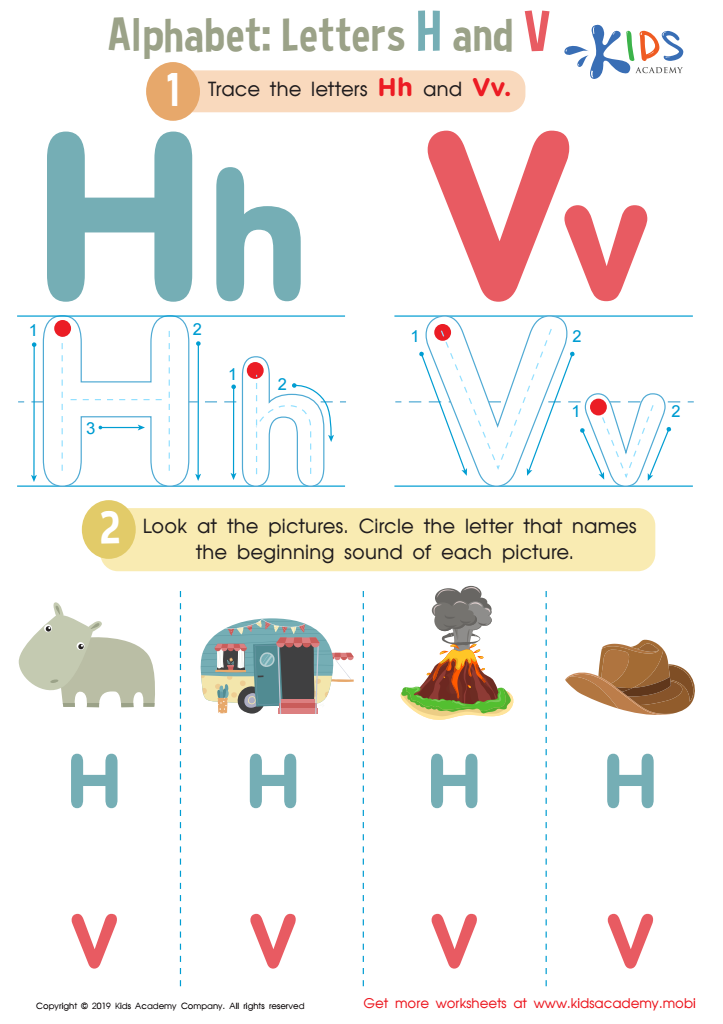
Letters H and V Tracing Worksheet
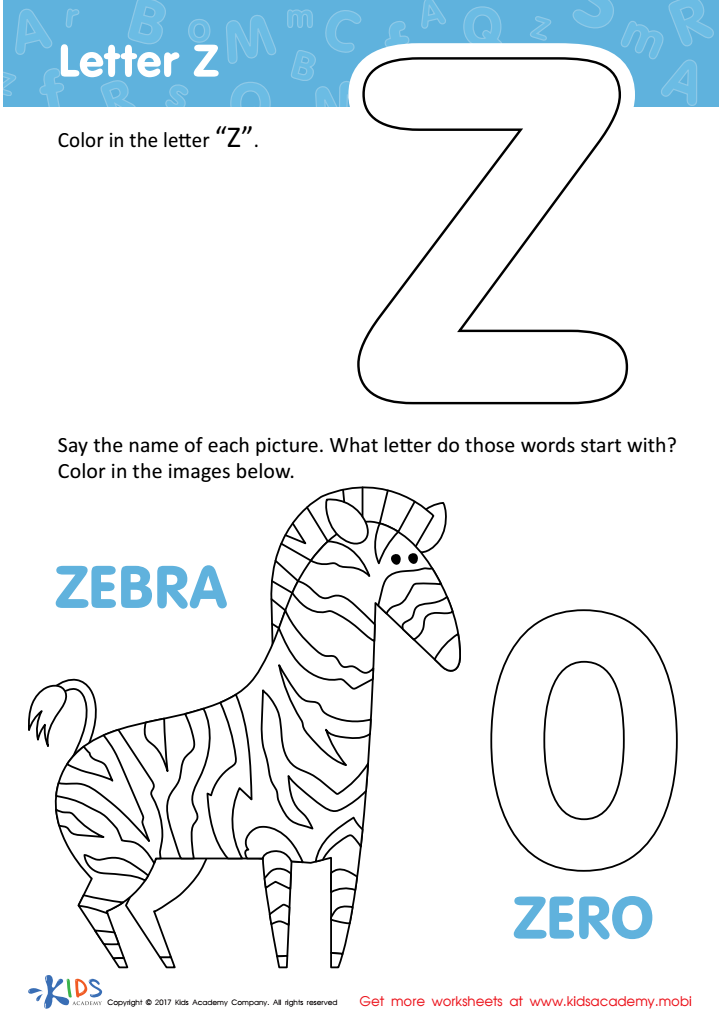
Letter Z Coloring Sheet
Assign to My Students
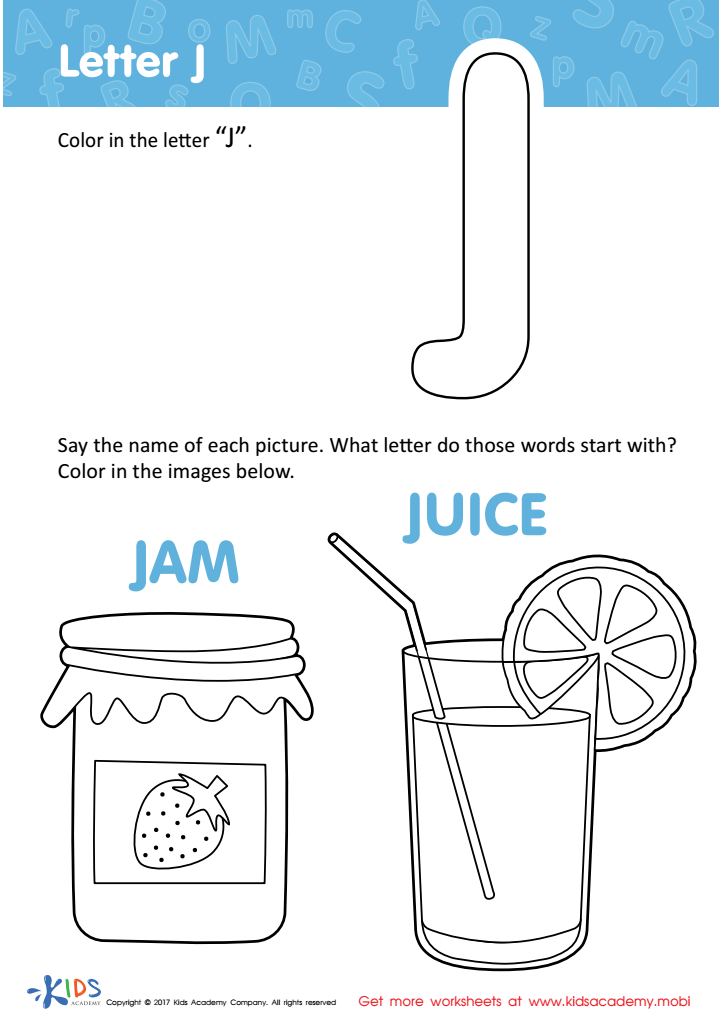
Letter J Coloring Sheet
Assign to My Students
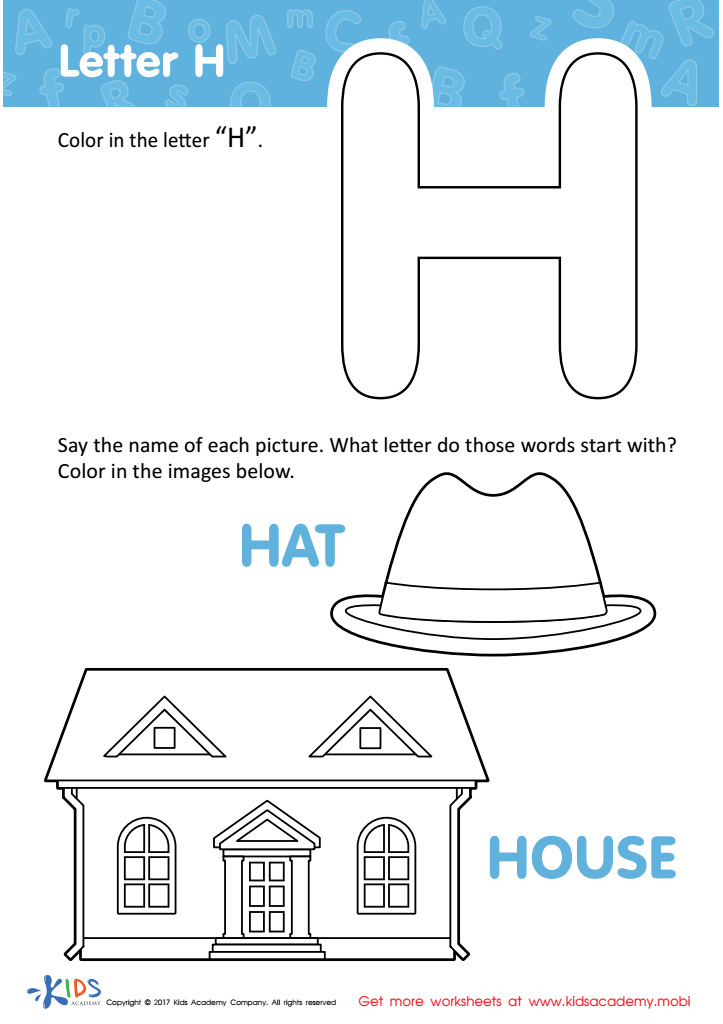
Letter H Coloring Sheet
Assign to My Students
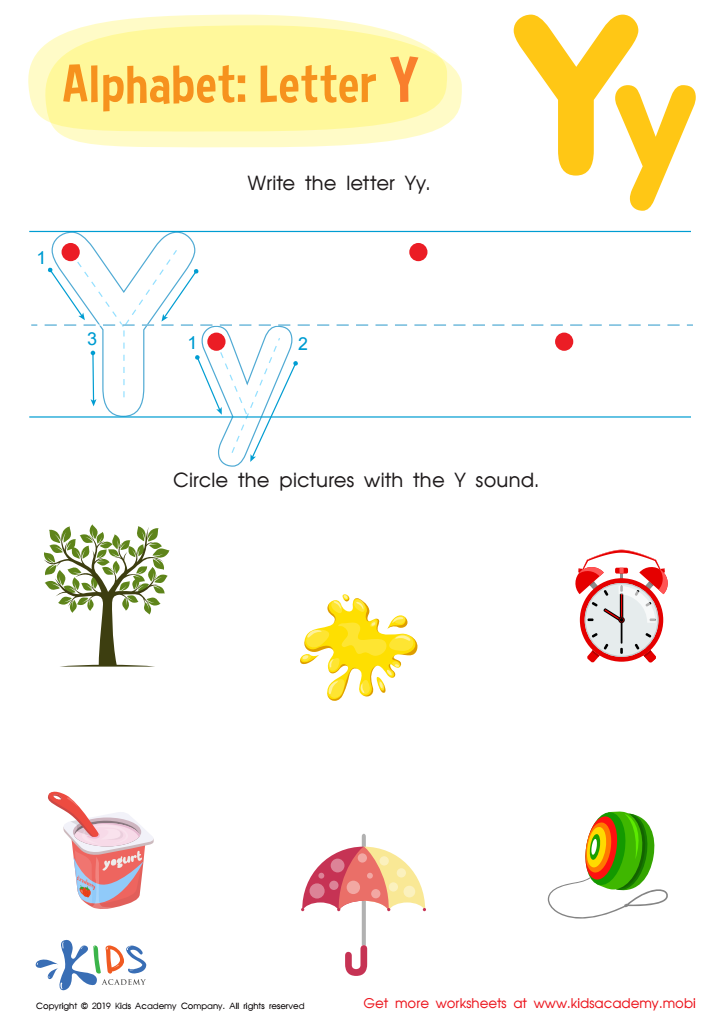
Letter Y Tracing Worksheet
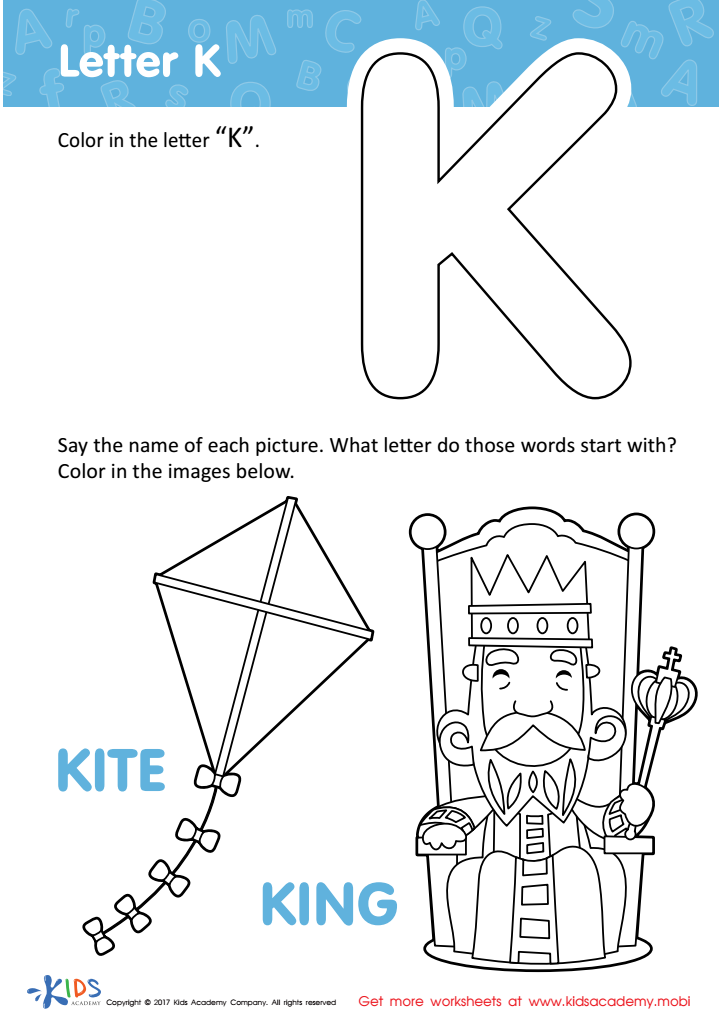
Letter K Coloring Sheet
Assign to My Students
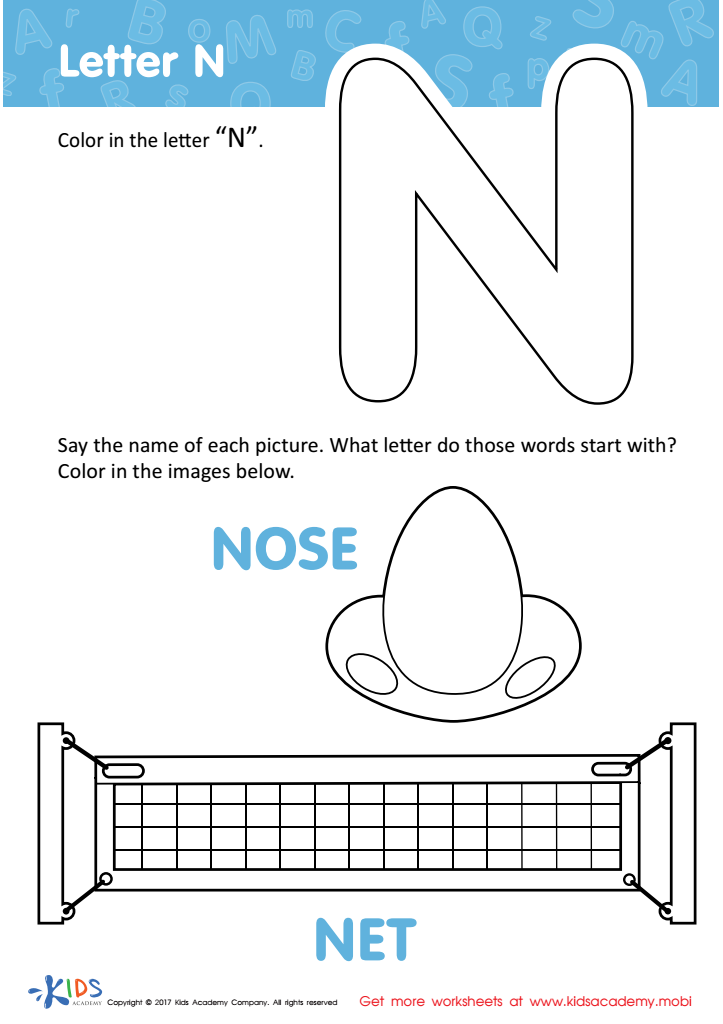
Letter N Coloring Sheet
Assign to My Students







.jpg)
Handwriting practice for children aged 8-9 is essential for several reasons. At this stage in their development, children are building on foundational skills and beginning to express complex thoughts and ideas through writing. Improved handwriting fosters clarity, enabling better communication of their thoughts, whether in essays, reports, or creative writing.
Effective handwriting skills contribute to academic success. Children who write legibly can convey their ideas more effectively, enhancing their performance in assessments. Moreover, good handwriting promotes focus and fine motor development, as controlling the writing instrument strengthens hand-eye coordination.
Additionally, practicing handwriting cultivates a sense of discipline and patience in children. This skill can instill confidence, as students take pride in neat work and see their progress over time. It's also a break from screen time, promoting grounding activities that can improve concentration and cognitive skills.
Finally, teachers and parents play crucial roles in emphasizing the importance of handwriting practice. By encouraging regular drills and creative writing exercises, they can support their child's literacy growth. In a digital age, maintaining handwriting skills is invaluable, allowing children to articulate their thoughts effectively, both on paper and in the modern world.







