Letter recognition Alphabet Worksheets for Ages 8-9 - Page 2
40 filtered results
-
From - To
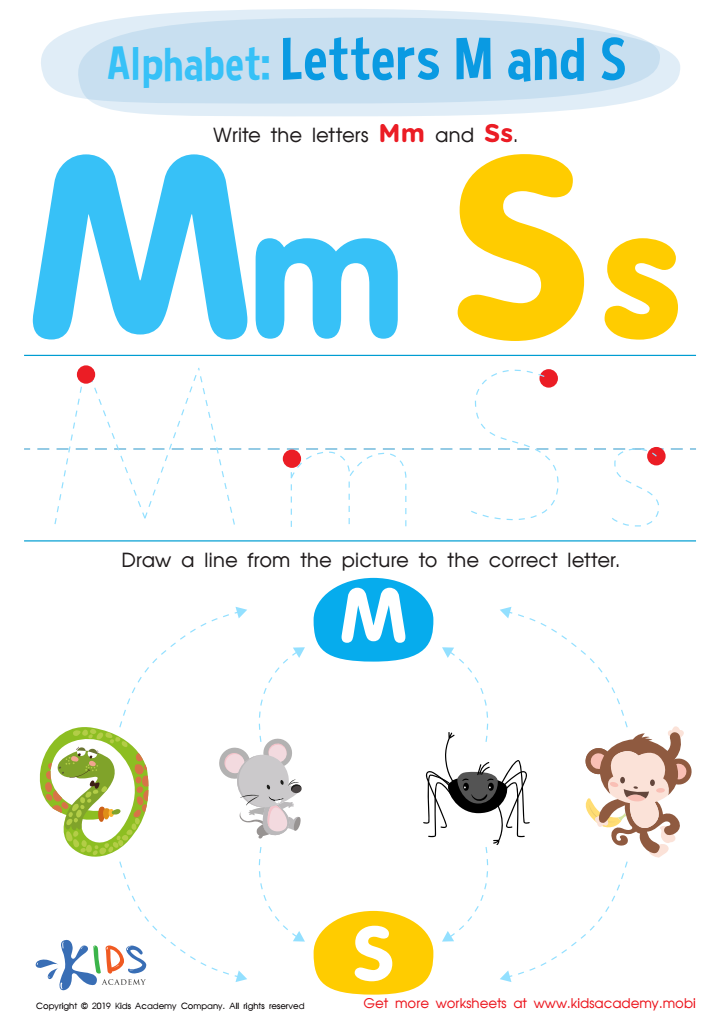
Letters M and S Tracing Worksheet
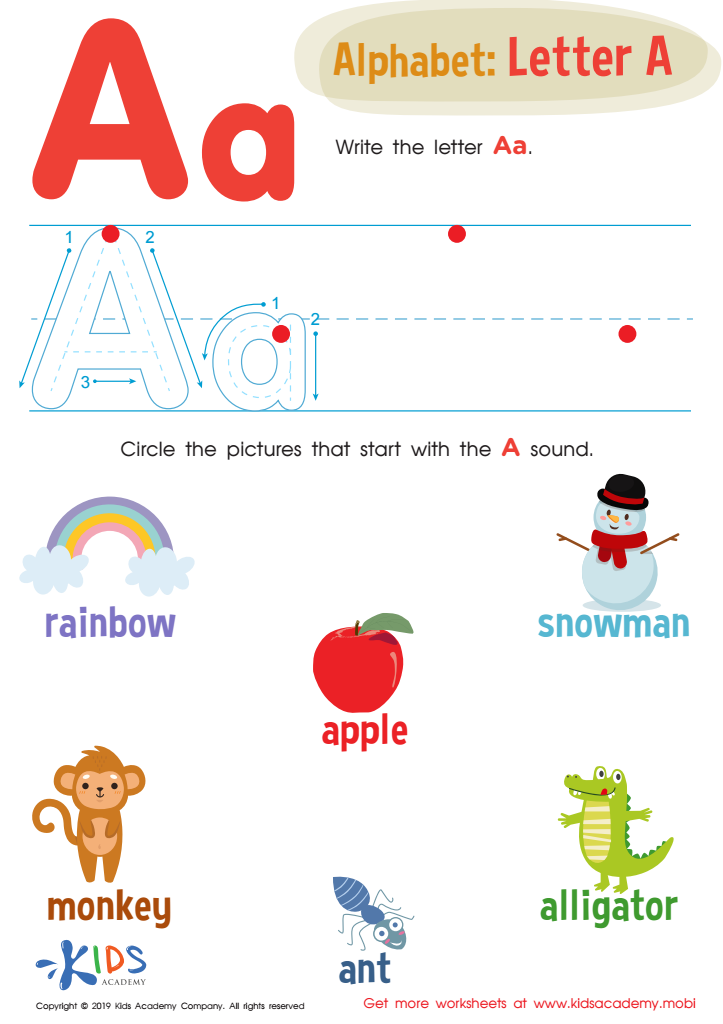
Letter A Tracing Worksheet
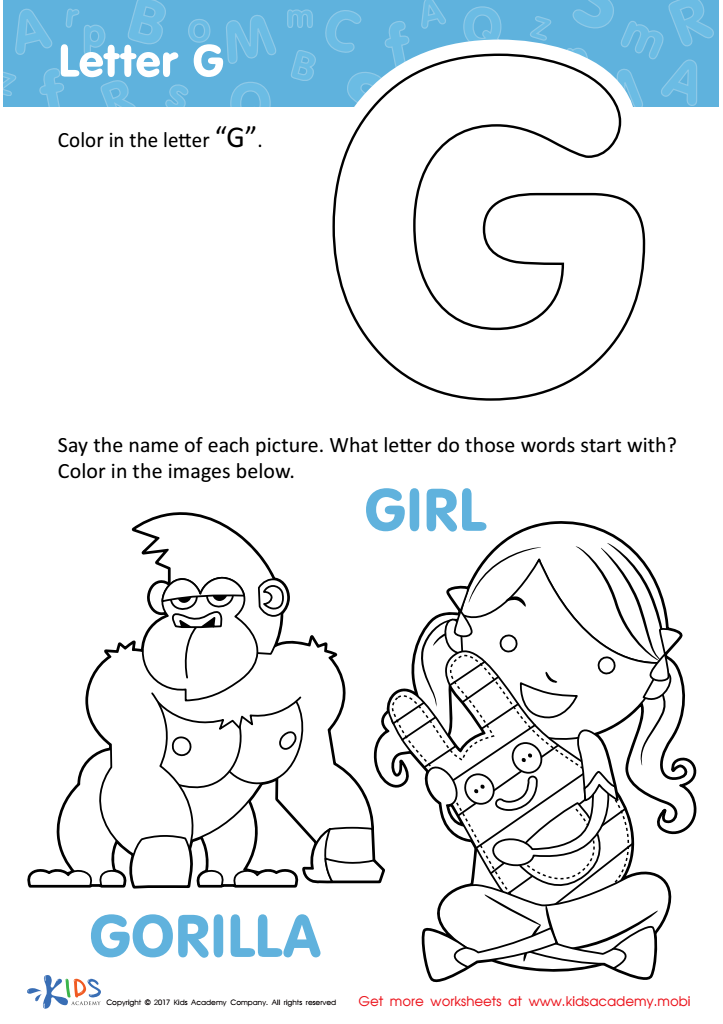
Letter G Coloring Sheet
 Assign to My Students
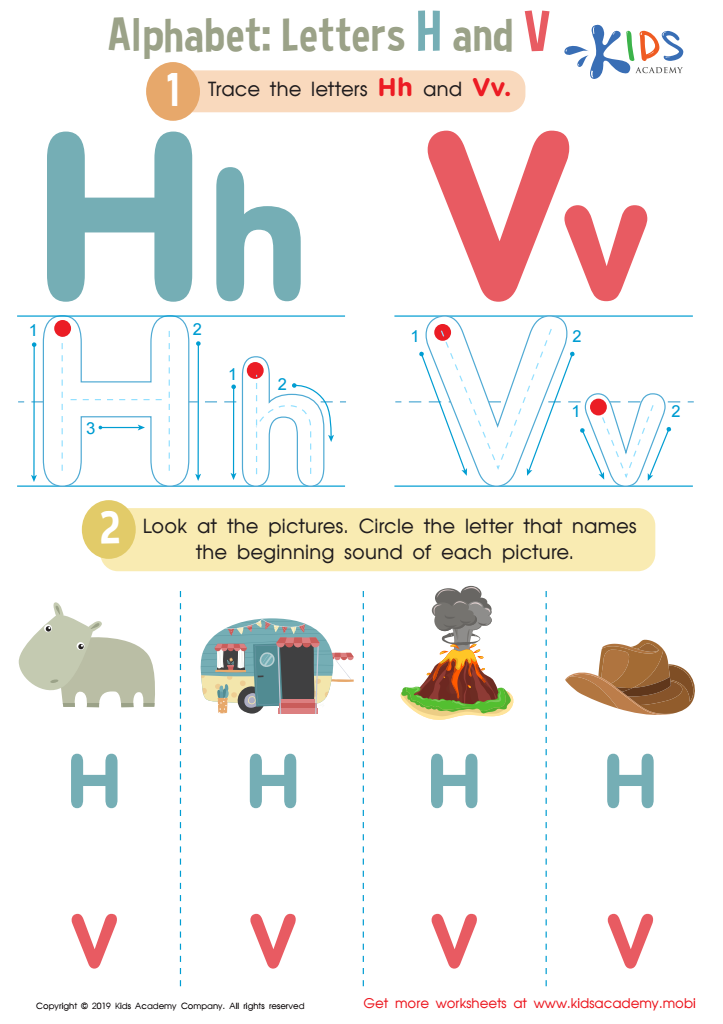
Letters H and V Tracing Worksheet
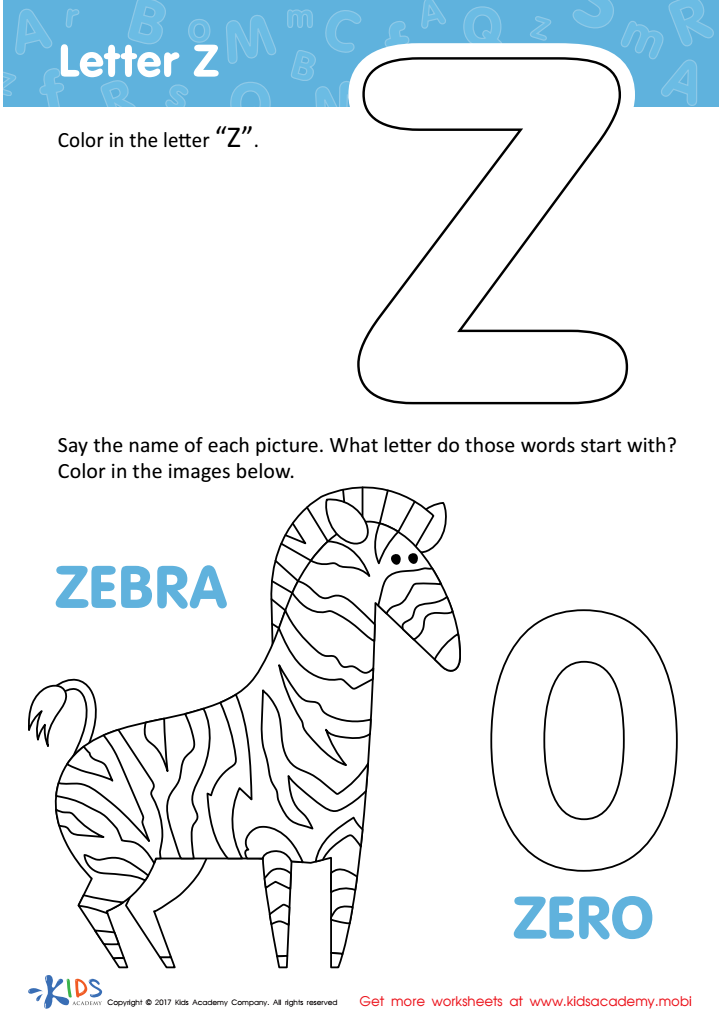
Letter Z Coloring Sheet
Assign to My Students
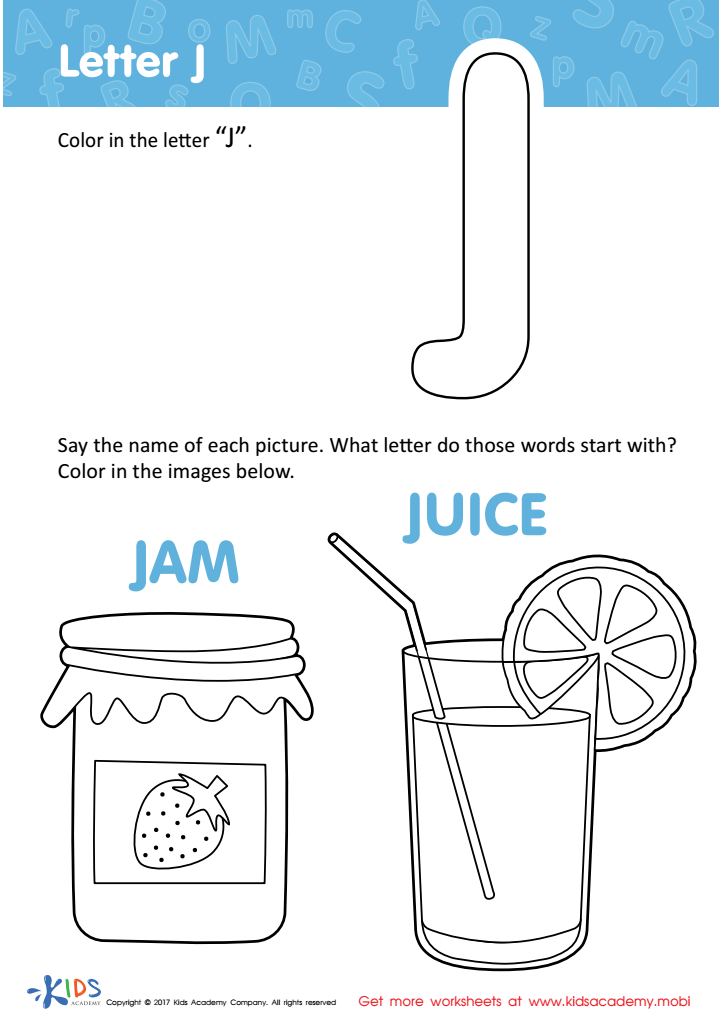
Letter J Coloring Sheet
Assign to My Students
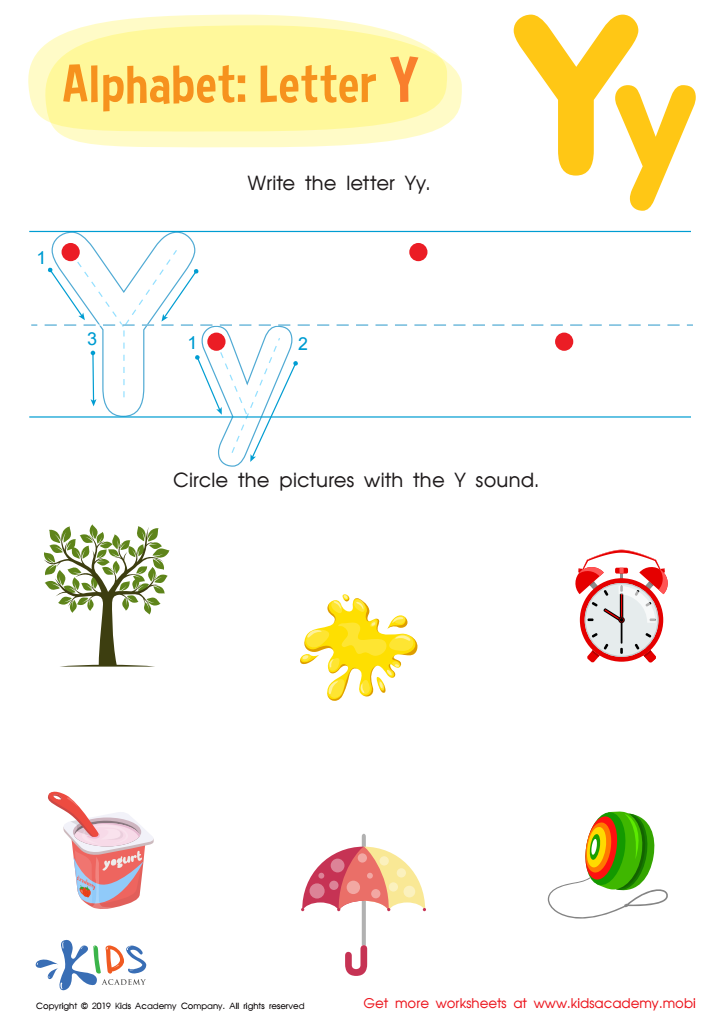
Letter Y Tracing Worksheet
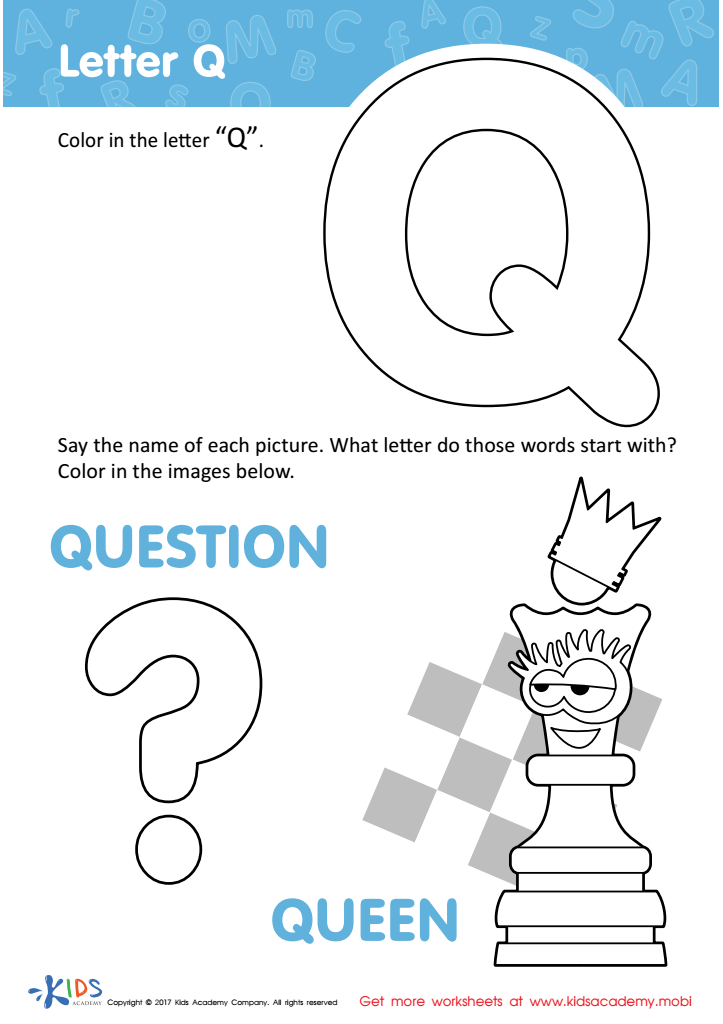
Letter Q Coloring Sheet
Assign to My Students
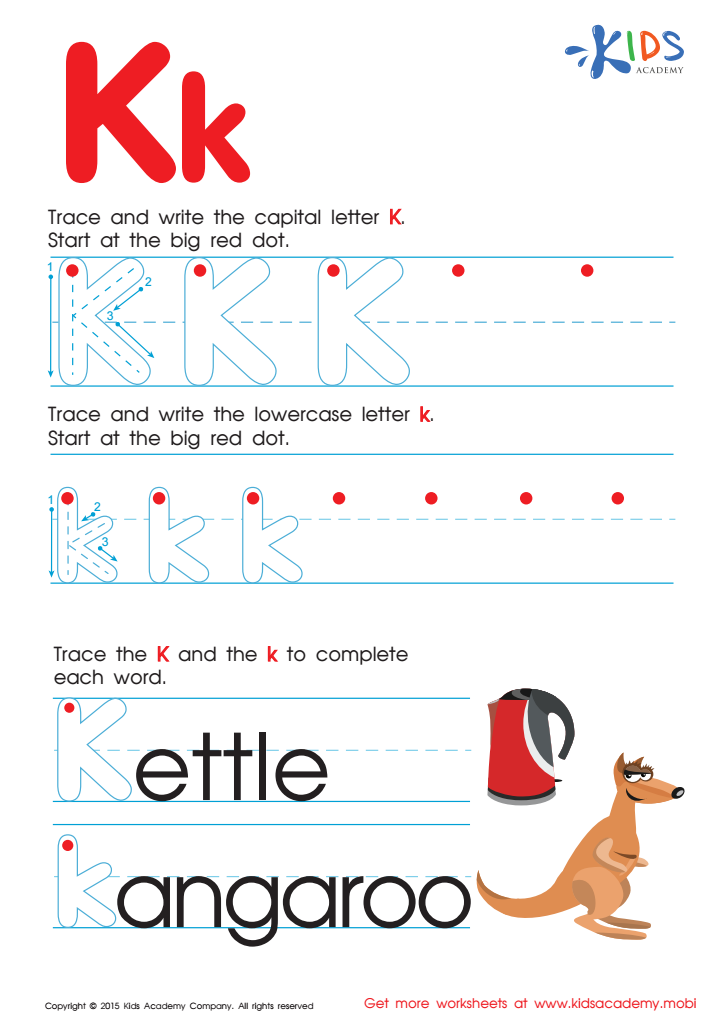
Letter K Tracing Page
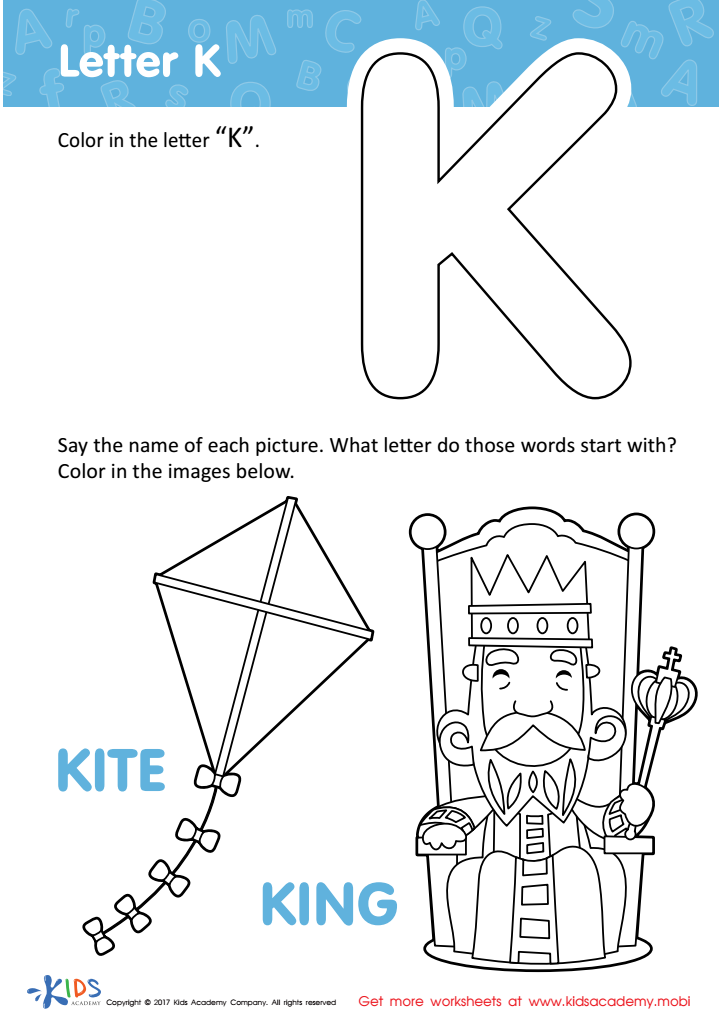
Letter K Coloring Sheet
Assign to My Students
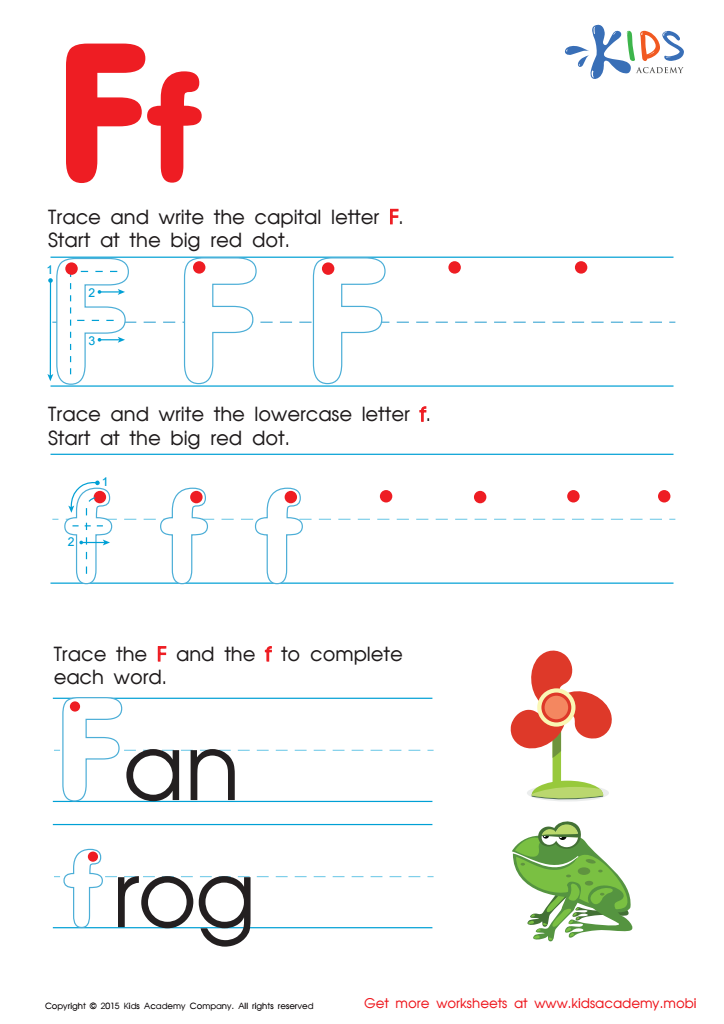
Letter F Tracing Page
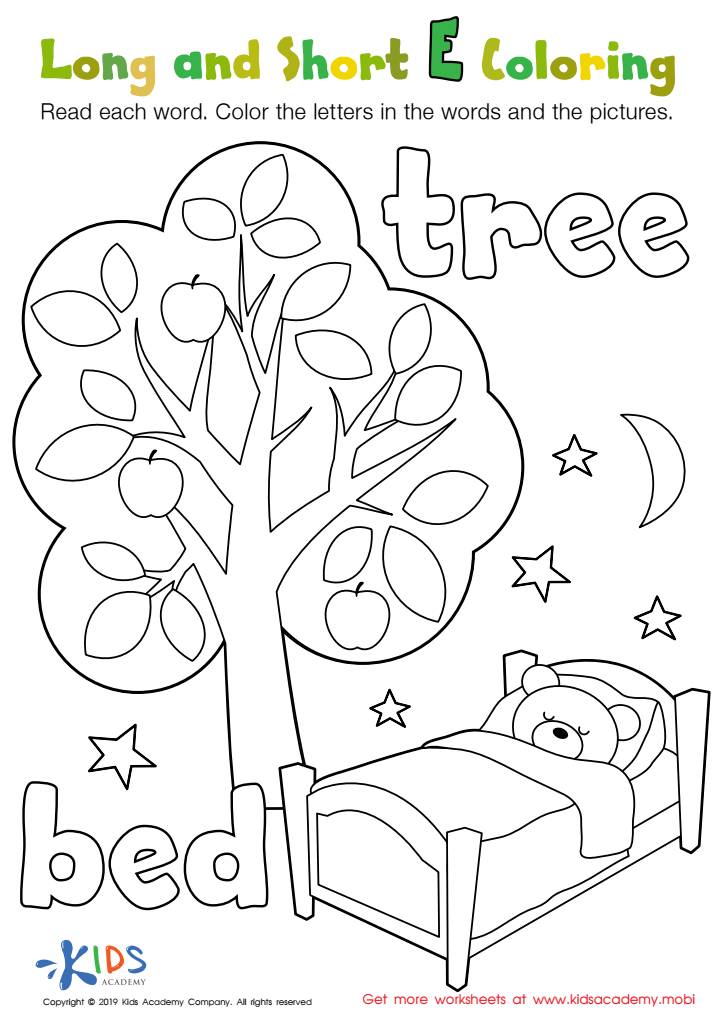
Long and Short E Worksheet
Assign to My Students
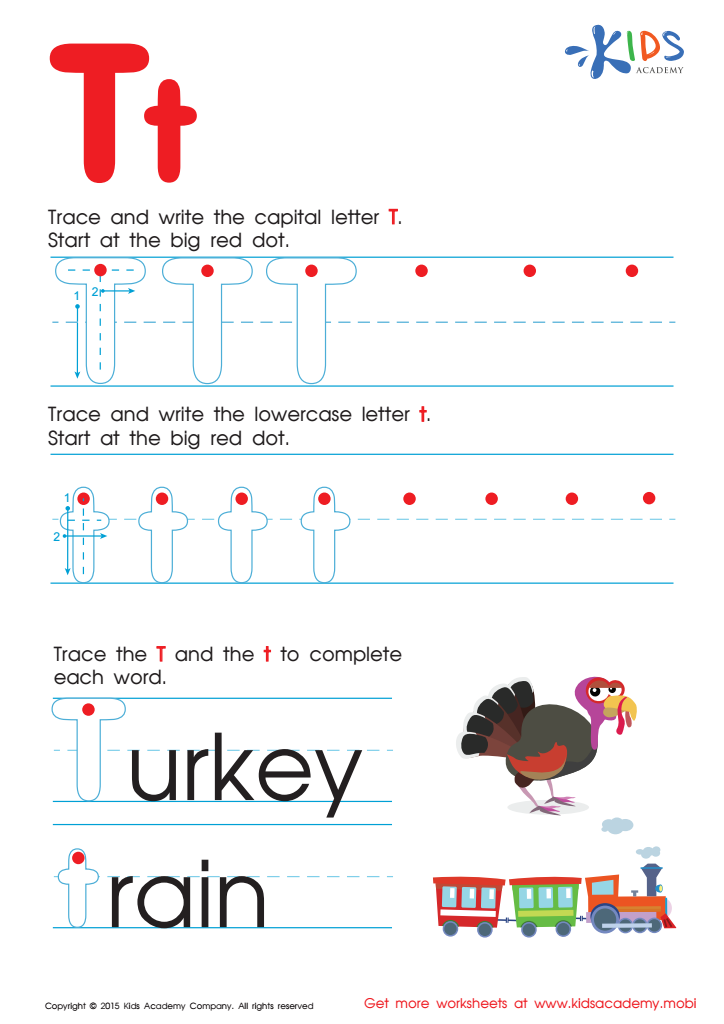
Letter T Tracing Page
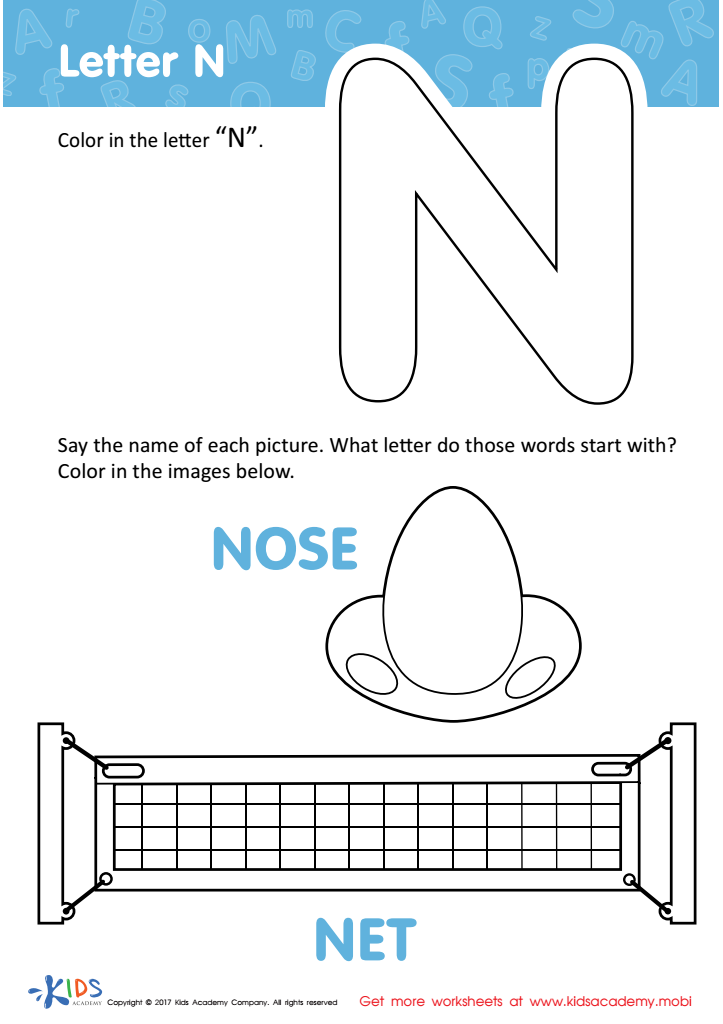
Letter N Coloring Sheet
Assign to My Students
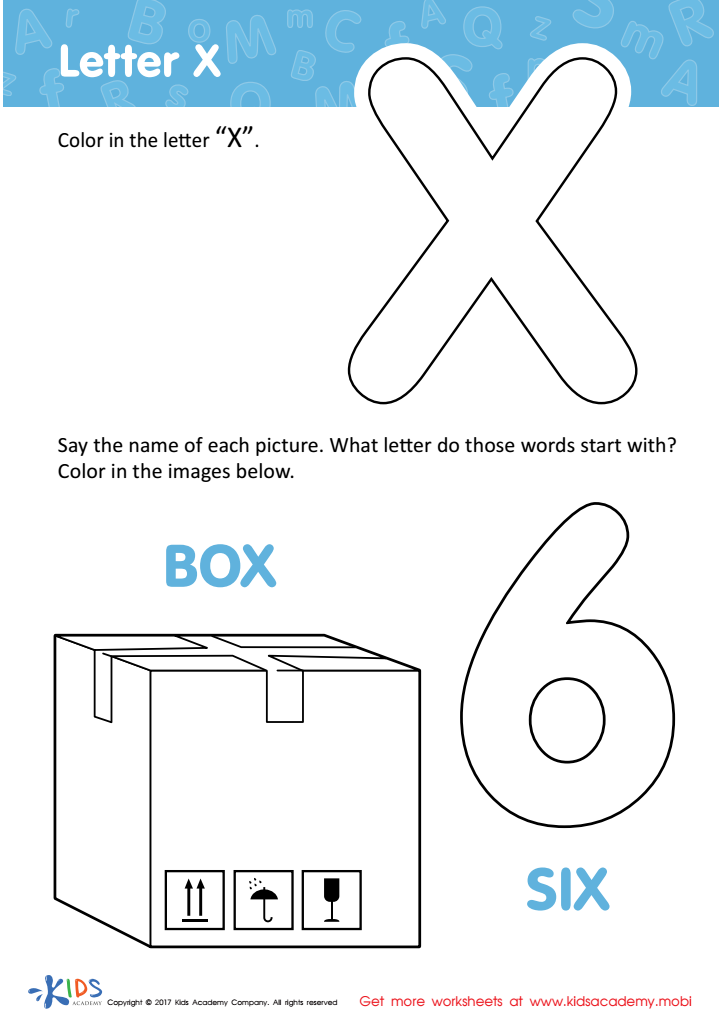
Letter X Coloring Sheet
Assign to My Students

Letter D Tracing Page







Letter recognition is a foundational skill essential for reading and writing mastery, making it crucial for parents and teachers to prioritize in children aged 8-9. During this age, students transition from learning to read to reading to learn, and solidifying their understanding of the alphabet is vital for their literacy development.
Once children can recognize letters, they can decode words, understand their meanings, and enhance their vocabulary. Mastery of letter shapes, sounds, and sequences feeds into overall language skills, critical thinking, and comprehension abilities. At this age, the cognitive ability to understand relationships between letters and sounds paves the way for future academic success.
Moreover, this period is marked by increased academic expectations. Children are required to read more complex texts and follow multi-step instructions. Strong letter recognition allows them to approach these challenges with confidence.
Parental and teacher involvement—through engaging activities, reading together, and creating encouraging learning environments—can significantly impact a child’s achievements. When adults prioritize letter recognition, they foster a love for reading and learning that can benefit children throughout their education and beyond, ultimately laying the groundwork for lifelong learning skills.







