Hand-eye Coordination Letter Recognition Worksheets for Ages 8-9
7 filtered results
-
From - To
Enhance your child's learning experience with our engaging Hand-eye Coordination Letter Recognition Worksheets, specifically designed for 8-9-year-olds. These worksheets seamlessly blend fun and education, helping children develop essential hand-eye coordination skills while recognizing letters of the alphabet. Each activity is crafted to encourage fine motor skills and boost literacy, ensuring that students not only identify letters but also improve their writing abilities. With vibrant illustrations and interactive exercises, your child will stay motivated and excited about learning. Perfect for classroom use or at-home practice, these worksheets provide a comprehensive approach to mastering letter recognition through enjoyable, hands-on activities.
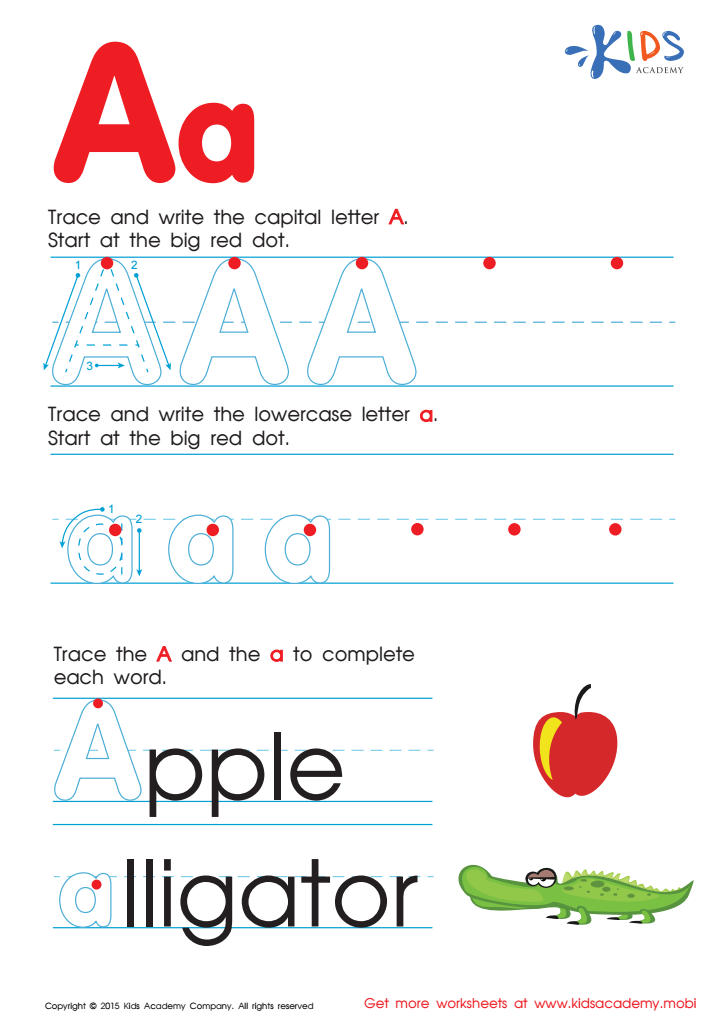
Letter A Tracing Page
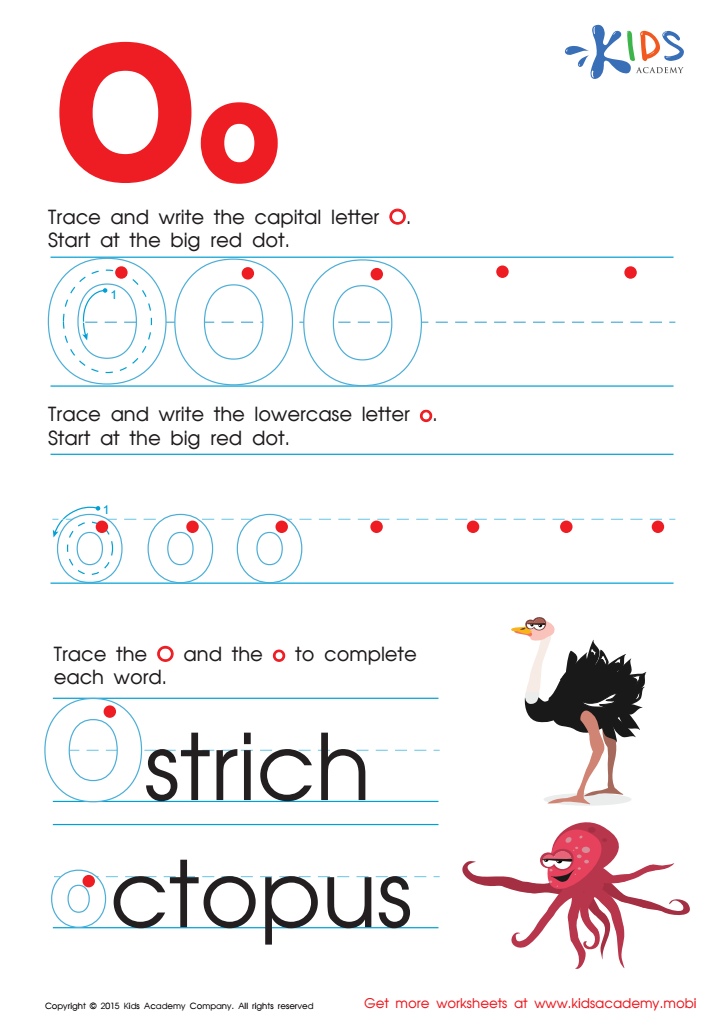
Letter O Tracing Page
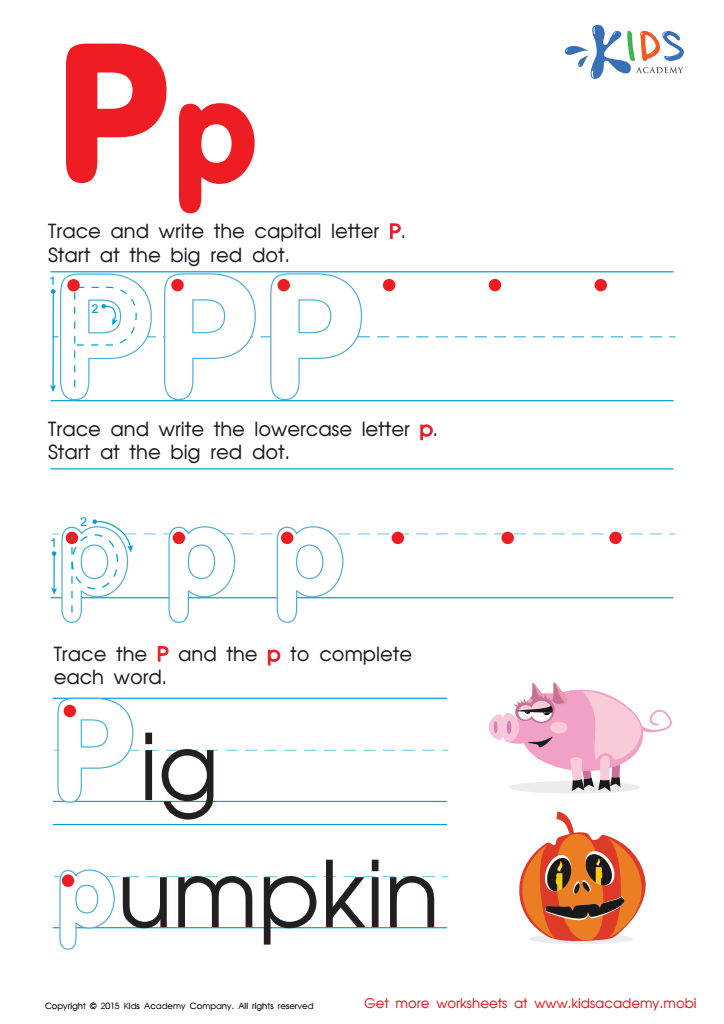
Letter P Tracing Page
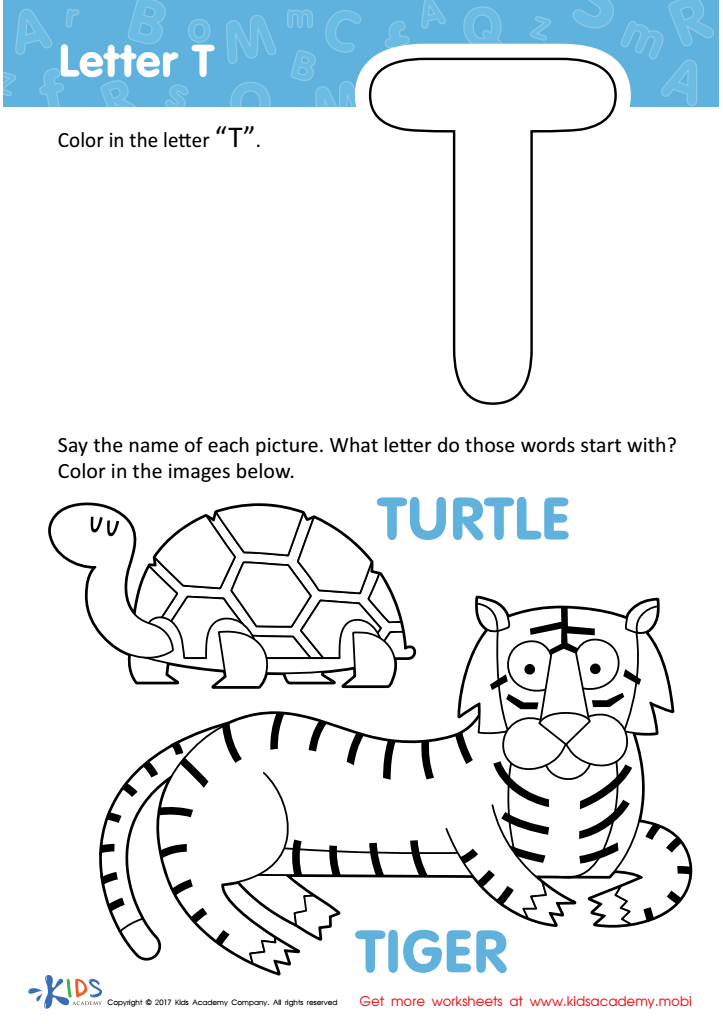
Letter T Coloring Sheet
 Assign to My Students

Letter H Tracing Page
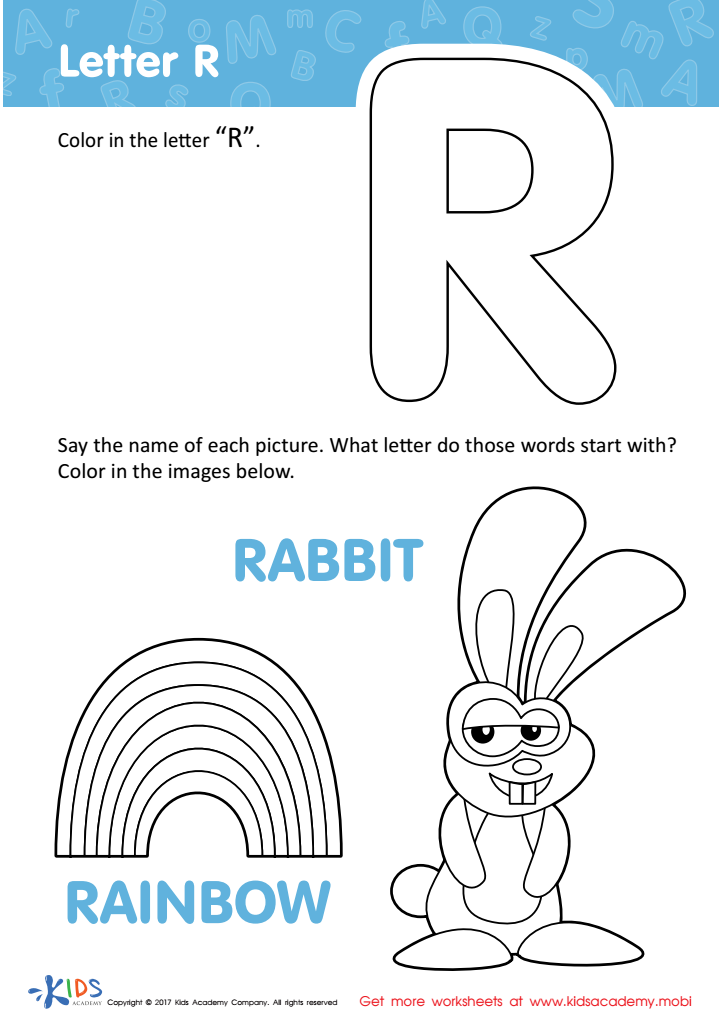
Letter R Coloring Sheet
Assign to My Students
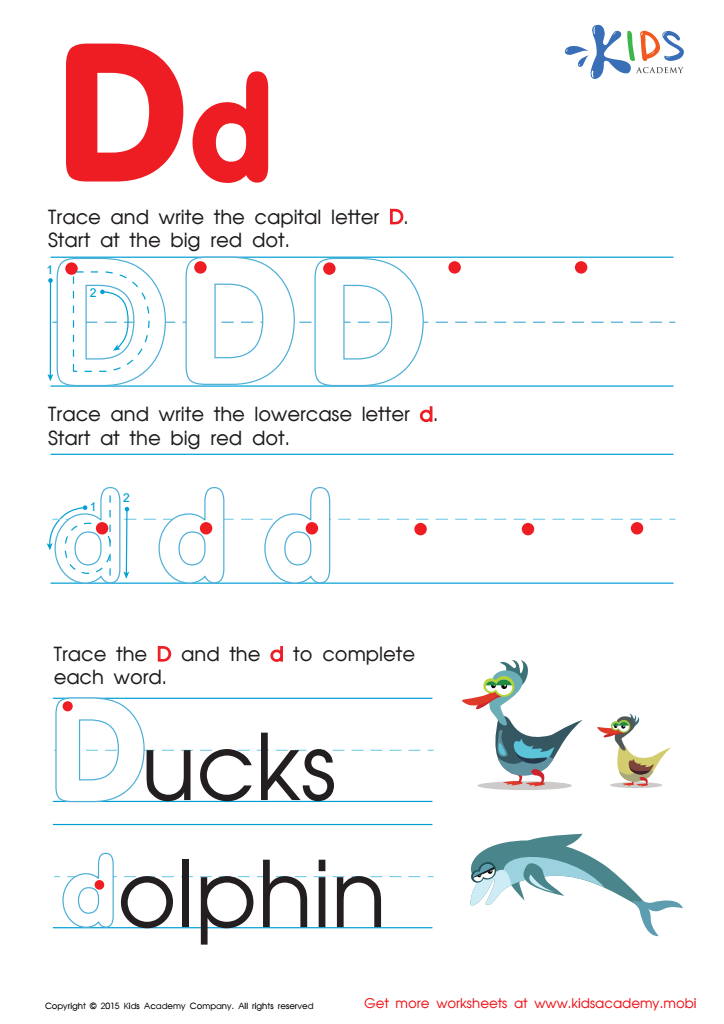
Letter D Tracing Page








Hand-eye coordination and letter recognition are critical skills for children aged 8-9, as they lay the foundation for more complex learning tasks. At this age, children are transitioning from learning to read to reading to learn. Proficient hand-eye coordination is essential for writing, using technology, and engaging in hands-on activities fundamental to cognitive development. Kids must practice aligning their visual input with motor functions, which enhances their ability to concentrate and complete tasks efficiently.
On the other hand, letter recognition is vital for literacy development. As children begin to decode words and form sentences, recognizing letters quickly and accurately contributes significantly to their reading fluency and comprehension. When these skills are well-developed, students can engage more deeply with texts, participate in discussions, and master various subjects.
Moreover, strong hand-eye coordination facilitates participation in sports and other physical activities, promoting overall well-being. For parents and teachers, cultivating these skills can lead to enhanced academic performance, self-confidence, and social opportunities for children. By prioritizing activities that develop hand-eye coordination and letter recognition, caregivers ensure that children are better prepared for the challenges of more advanced literacy and learning experiences, paving the way for future success.







