Improving reading skills Phonics Worksheets for Ages 8-9
3 filtered results
-
From - To
Unlock the full reading potential of your child with our comprehensive collection of phonics worksheets designed specifically for ages 8-9. At Kids Academy, we understand the importance of developing strong reading skills. Our engaging and educational worksheets use a systematic, multisensory approach to reinforce phonemic awareness and decoding skills. From vowel and consonant blends to advanced word formations, our resources cater to different learning styles and boost reading fluency and comprehension. Empower your child to excel in reading with our expertly crafted phonics worksheets, making learning both effective and enjoyable!
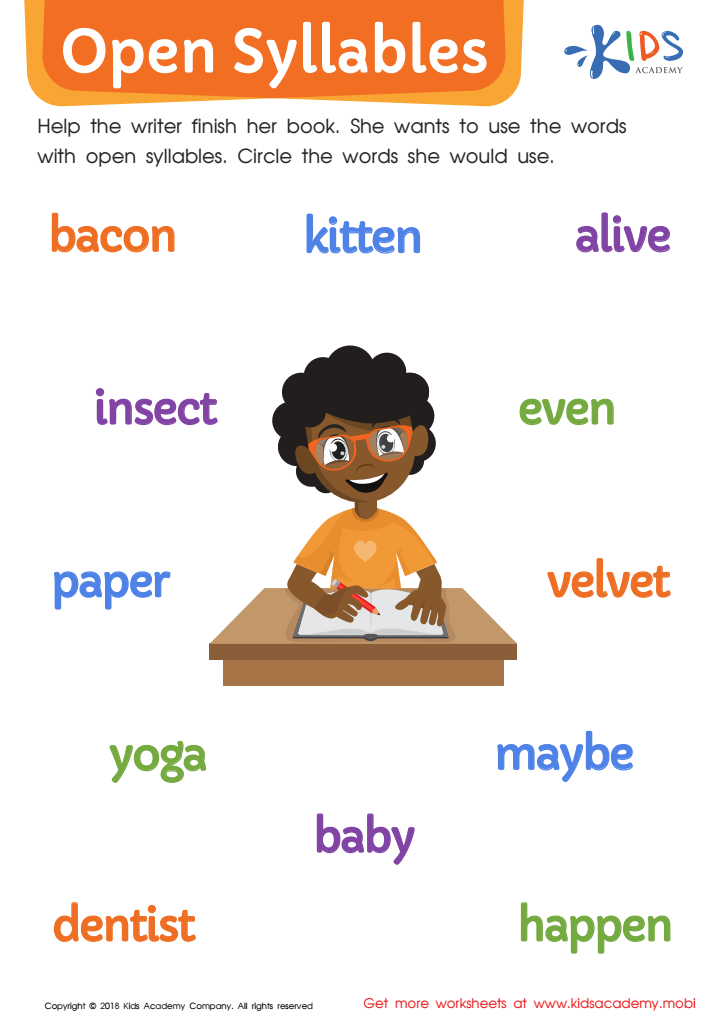
Open Syllables Worksheet
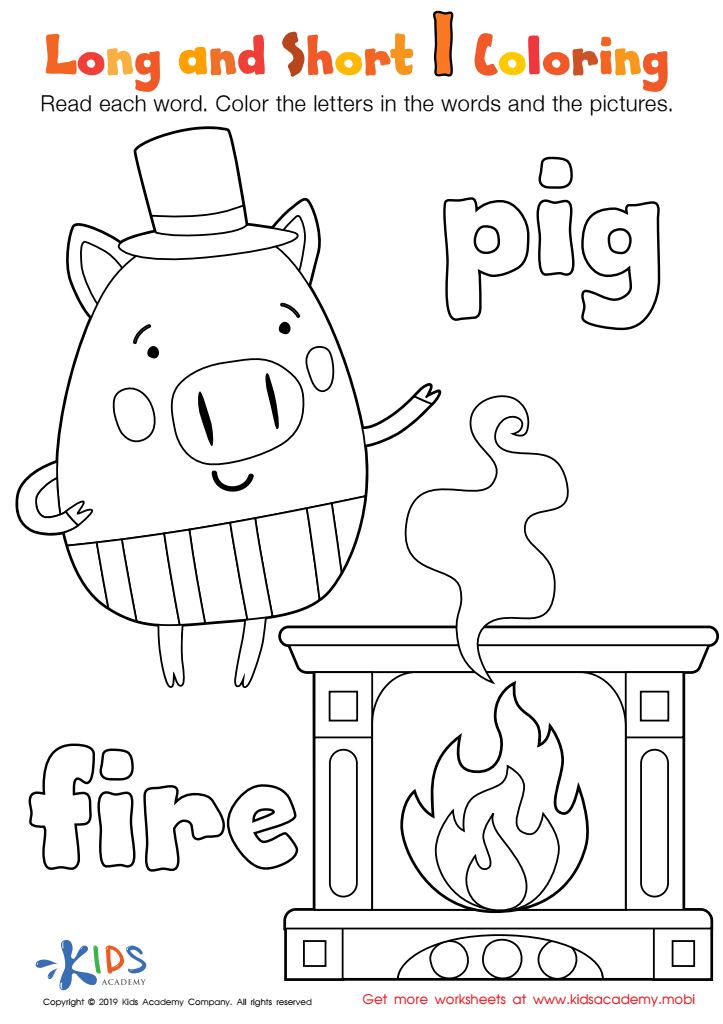
Long and Short I Worksheet
 Assign to My Students
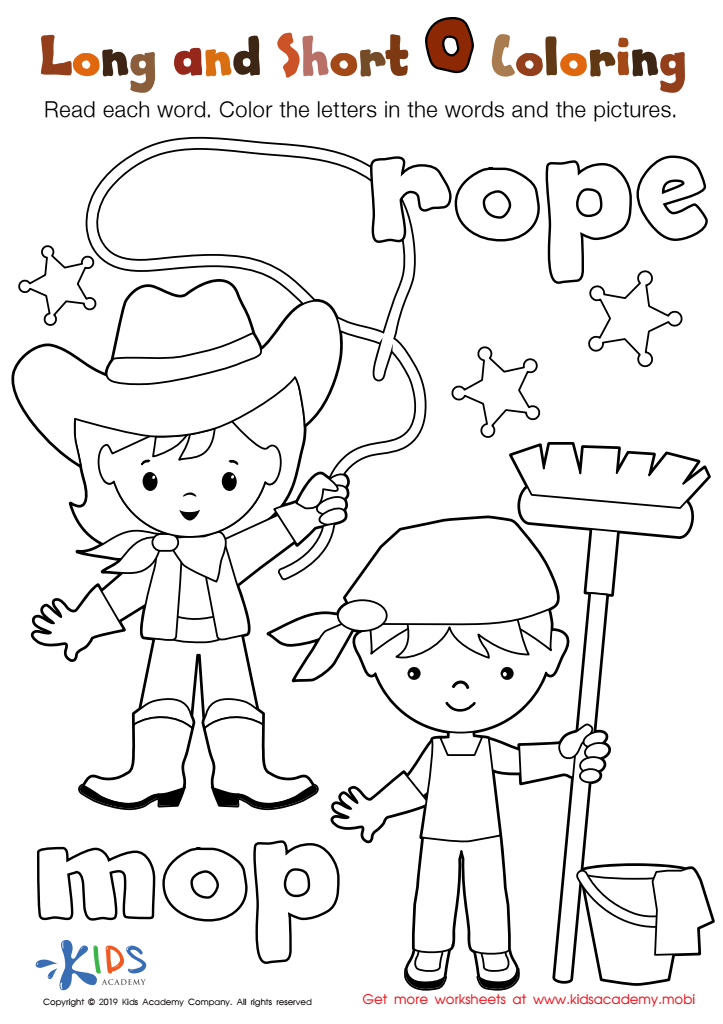
Long and Short O Worksheet
Assign to My Students








Improving reading skills through phonics for children aged 8-9 is pivotal for their academic and personal growth. At this stage, students transition from learning to read to reading to learn. Strong phonics skills ensure they can decode words fluently and accurately, which lays the foundation for better comprehension and a richer vocabulary.
When children master phonics, they become more confident readers. This confidence can translate into a greater enthusiasm for reading, nurturing a lifelong love for books and learning. Phonics training also aids in correct pronunciation and spelling, essential for effective communication.
Moreover, proficient reading skills are closely linked to success in other subjects. For example, a child who reads well can better understand word problems in math or follow instructions in science experiments. Thus, phonics is not just about reading; it's about empowering children with the tools they need for comprehensive academic achievement.
From a socio-emotional perspective, good reading skills can significantly enhance a child's self-esteem, reducing frustration and anxiety that can result from struggling with literacy. This provides them with better social integration and the ability to participate more fully in classroom activities.
In summary, incorporating robust phonics instruction for 8-9-year-olds can be a game-changer, fostering a more holistic development that benefits them academically, socially, and emotionally.







