Phonics skills development Phonics Worksheets for Ages 8-9
4 filtered results
-
From - To
Enhance your child's reading foundation with our comprehensive phonics worksheets designed specifically for ages 8-9. These engaging resources focus on key phonics skills development, helping young learners master the relationships between sounds and letters. Our worksheets cover a variety of essential topics, including word families, vowel sounds, and consonant blends, tailored to spark curiosity and reinforce understanding. Ideal for classroom or homeschooling environments, these phonics materials promote essential literacy skills in a fun and interactive way. Foster your child's confidence and reading proficiency with the expert-created phonics worksheets that ensure enjoyable learning experiences—perfect for kids eager to improve their reading abilities!
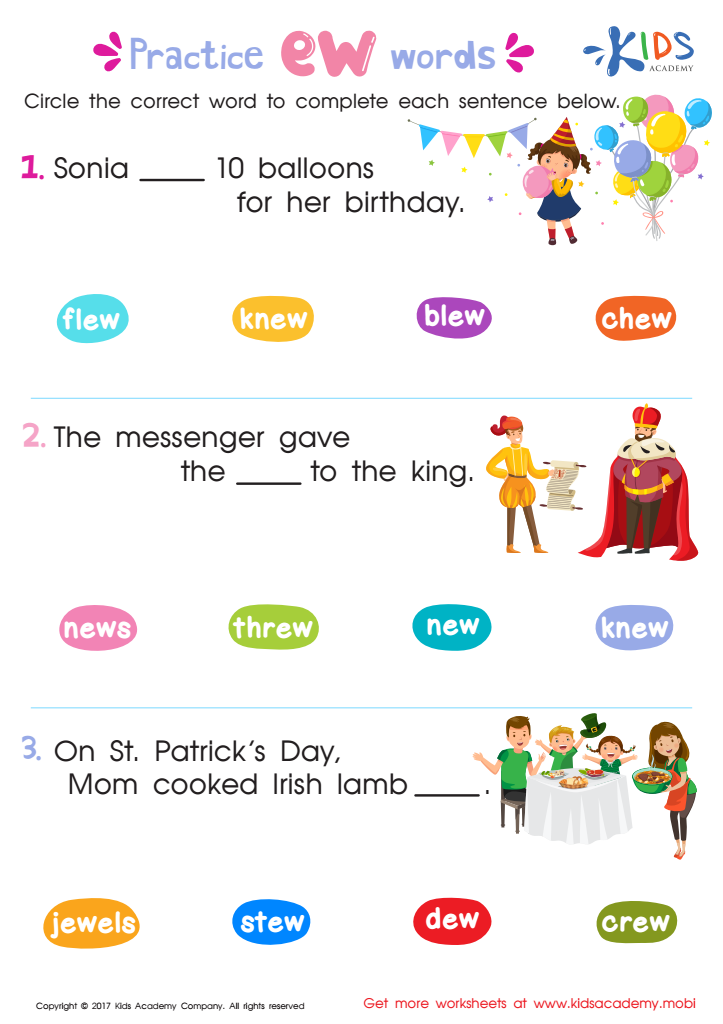
EW Words Worksheet
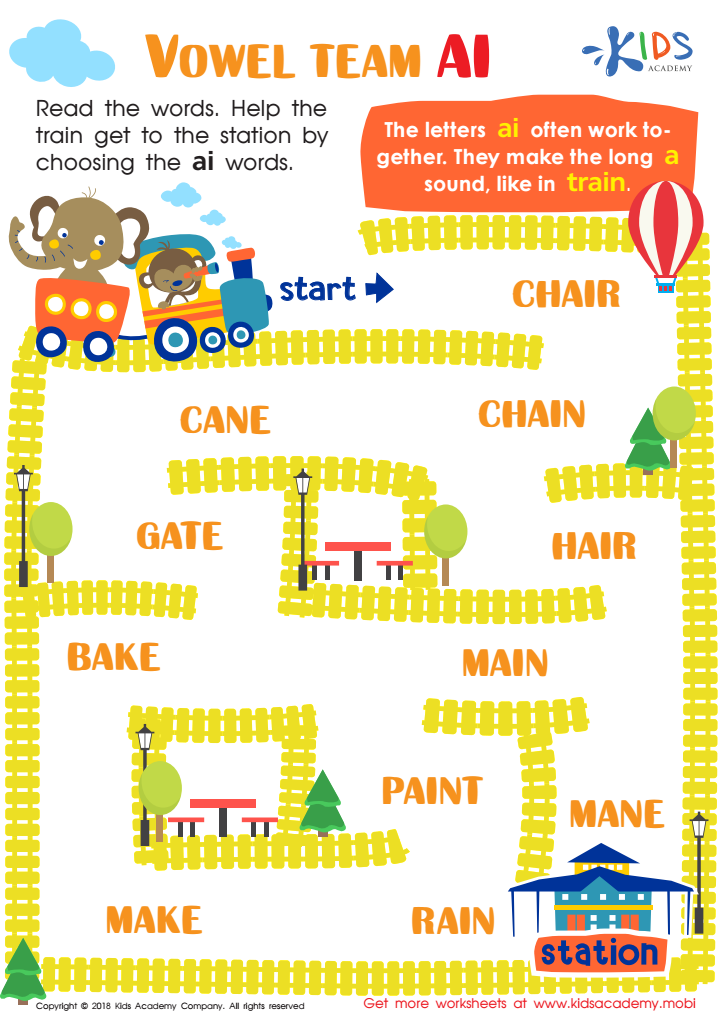
Vowel team ai Worksheet
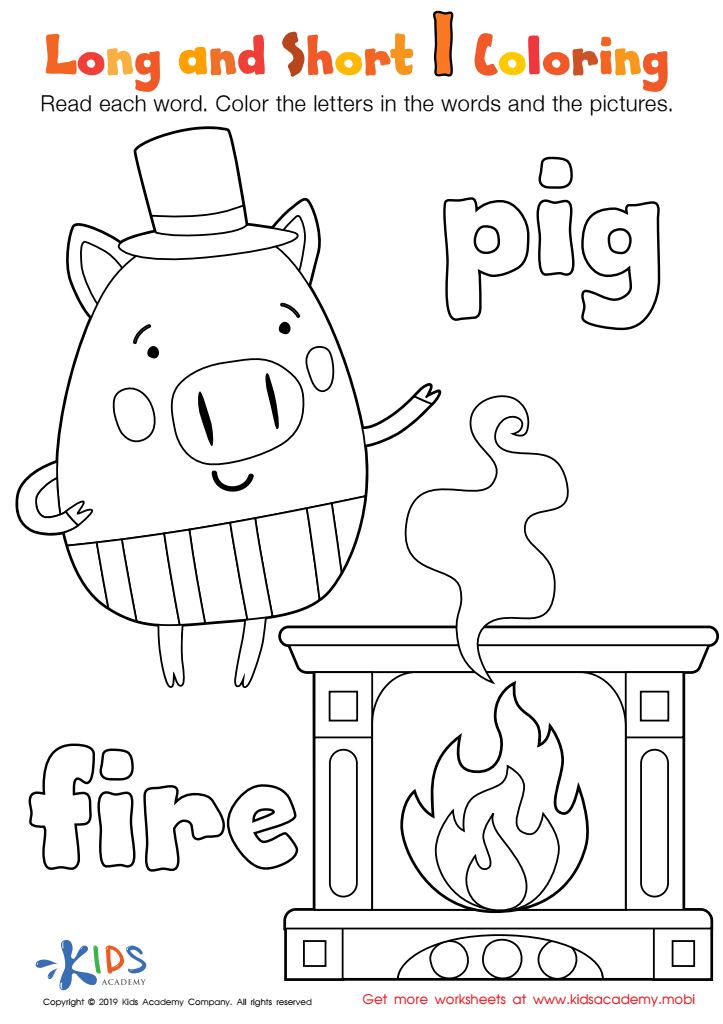
Long and Short I Worksheet
 Assign to My Students
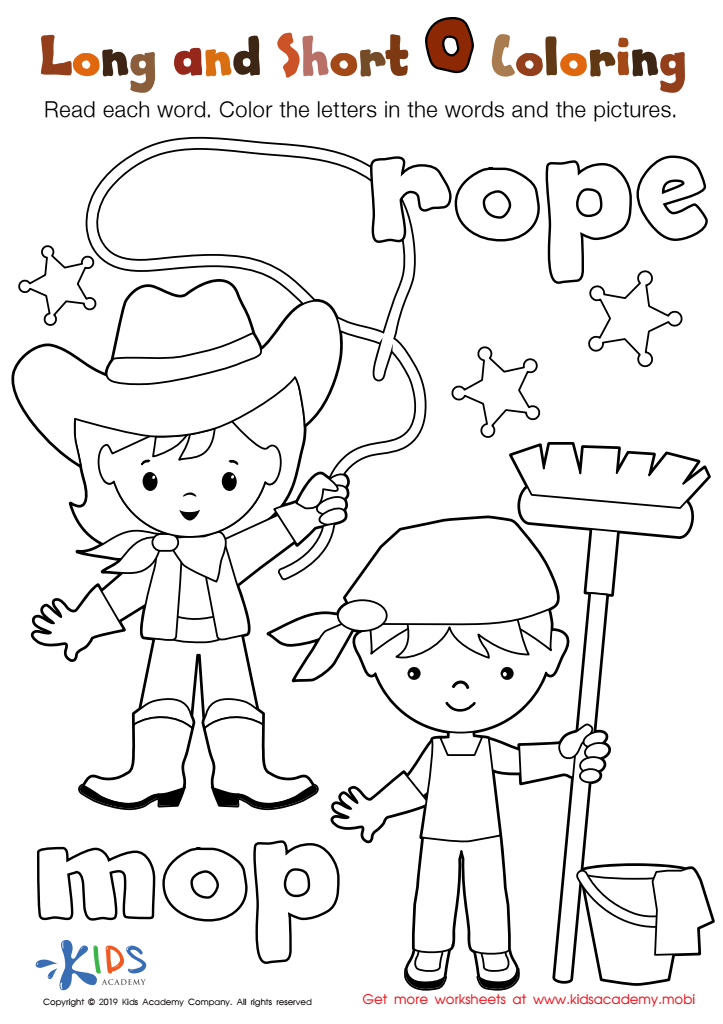
Long and Short O Worksheet
Assign to My Students








Phonics skills development is crucial for children aged 8-9 as it forms the foundation for proficient reading and writing. At this age, children are transitioning from basic decoding to fluently reading more complex texts. Strong phonics abilities help them recognize how letters correspond to sounds, enabling them to decode unfamiliar words independently. This is especially important, as reading widely enhances vocabulary development, comprehension, and academic performance across subjects.
Parents and teachers should prioritize phonics instruction to ensure that children are not only able to read but can critically engage with texts. This skill set lays the groundwork for improved communication skills and boosts self-confidence in literacy. Moreover, effective phonics skills can help mitigate reading difficulties and prevent future academic challenges.
Involving parents in phonics activities—such as reading together, using phonics games, or encouraging writing—reinforces the importance of these skills at home. Teachers can use targeted instruction and assessments to tailor support for each child, ensuring they are equipped to succeed. Ultimately, fostering phonics skills in 8- to 9-year-olds is vital for their literacy development and lifelong learning, making it a shared responsibility for both parents and educators.







