Vocabulary expansion Short Vowels Worksheets for Ages 8-9
5 filtered results
-
From - To
Boost your child’s vocabulary with our engaging short vowels worksheets designed for kids aged 8-9! These printable resources focus on expanding vocabulary while reinforcing essential phonics skills. Each worksheet offers a variety of fun activities, games, and exercises that help students identify and use short vowel sounds effectively in their reading and writing. Tailored to enhance literacy development, our worksheets encourage critical thinking and creativity, making learning enjoyable. Perfect for classroom use or at-home practice, these engaging activities will support your child's language growth while building a strong foundation for future literacy success. Explore our collection today and watch your child flourish!
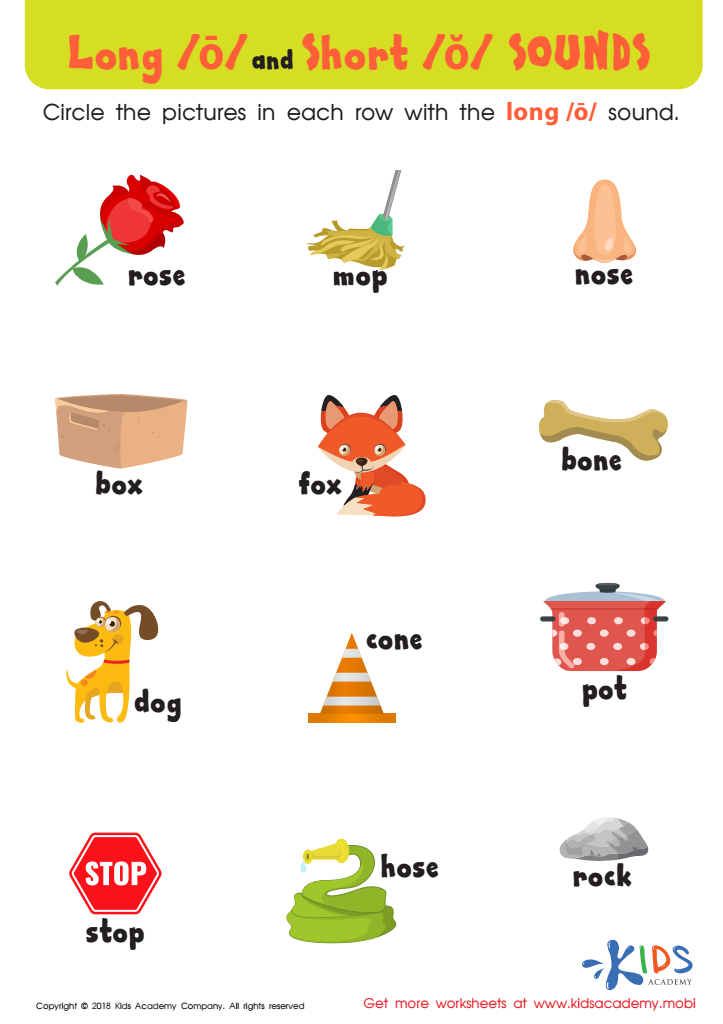
Reading: Long O and Short O Sounds Worksheet

Long and Short U Worksheet
 Assign to My Students
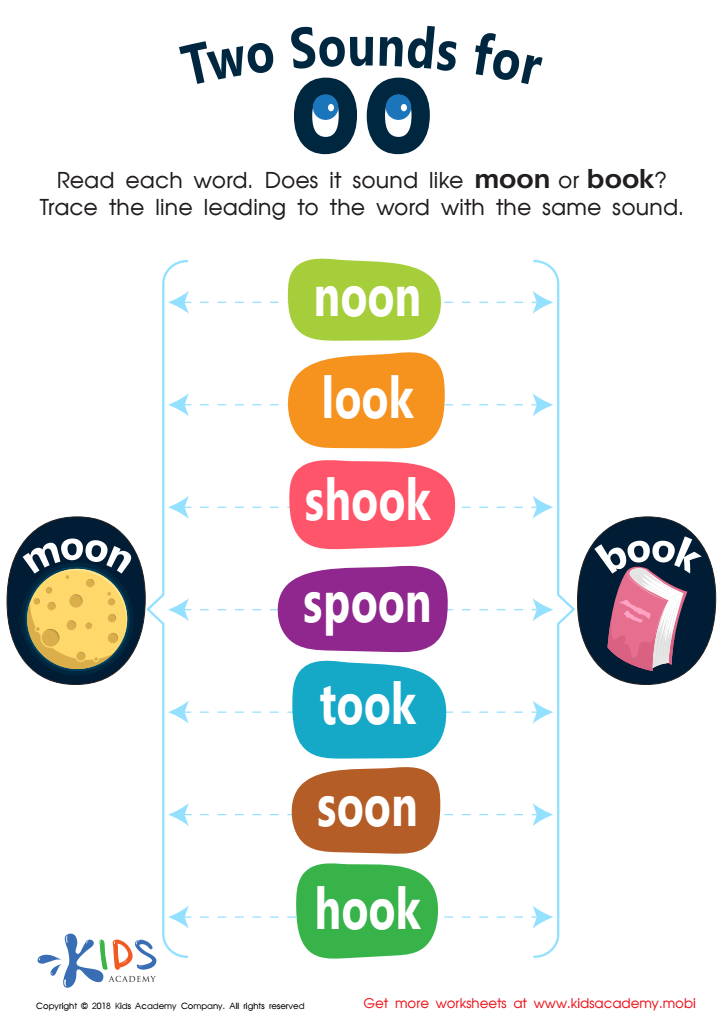
Two Sounds for OO Worksheet
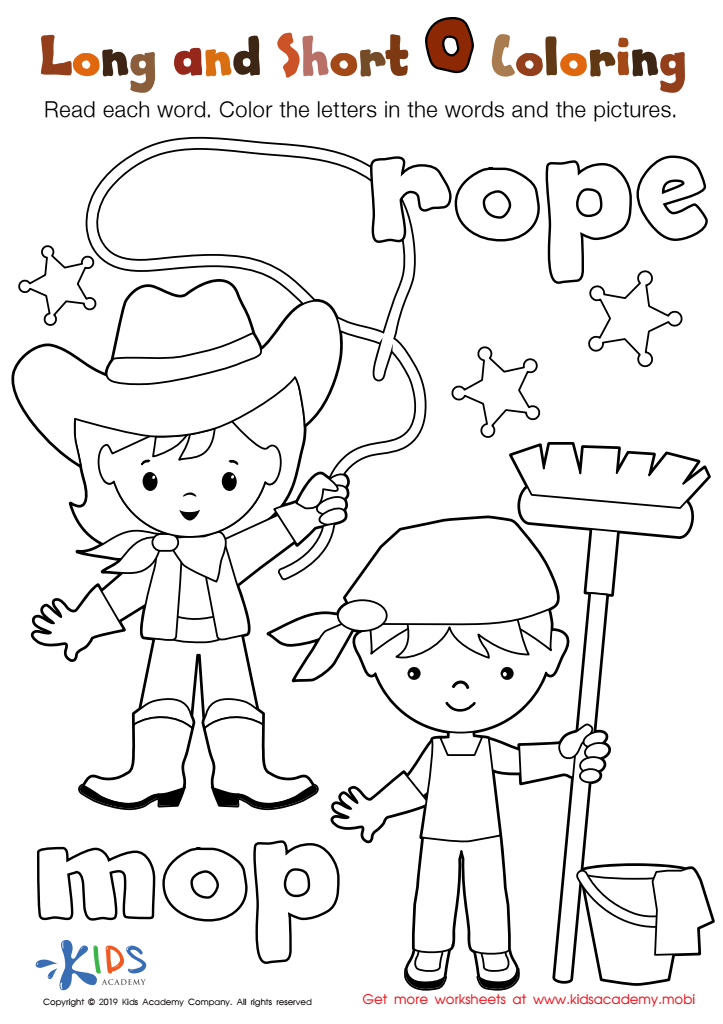
Long and Short O Worksheet
Assign to My Students
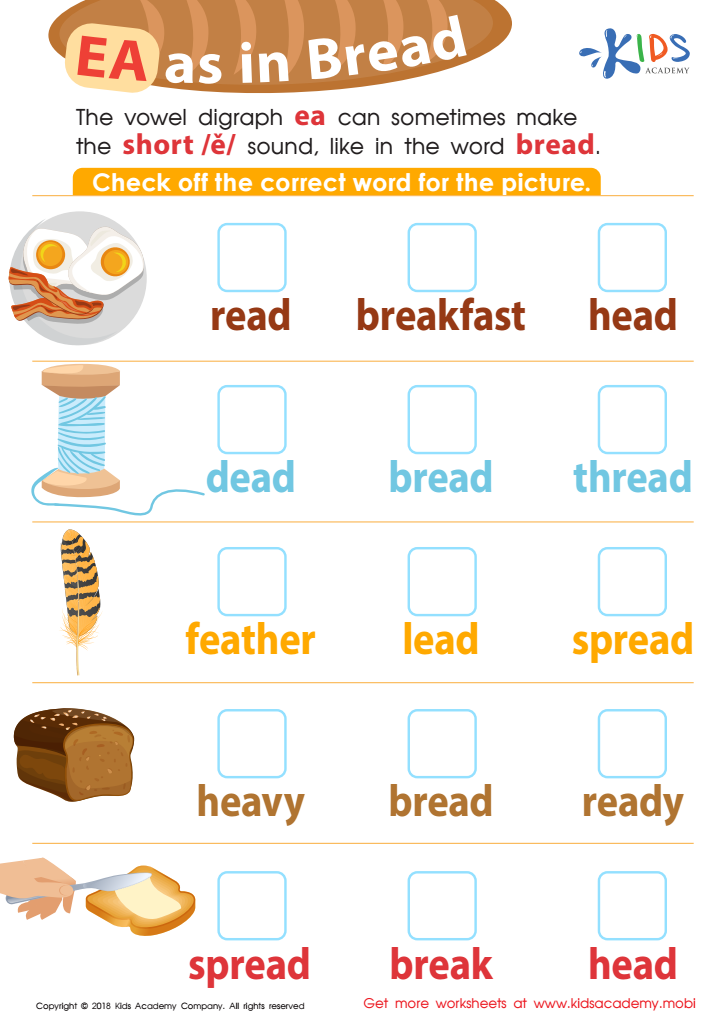
Reading: EA as in Bread Worksheet



Vocabulary expansion, particularly focused on short vowels, is crucial for children aged 8-9 as it lays the foundation for effective communication and academic success. During this developmental stage, children are enhancing their reading and writing skills, and a robust vocabulary is essential for literacy. Short vowels play a pivotal role in many foundational words, influencing reading fluency and comprehension. When children master these sounds, they become more proficient readers, allowing them to engage with diverse texts and enhance their overall understanding of content across subjects.
Furthermore, a strong vocabulary enhances critical thinking and expression. At ages 8-9, children are beginning to formulate their thoughts more complexly; a rich vocabulary enables them to articulate ideas and emotions better, fostering confidence in spoken and written communication. Engaging with short vowels unlocks the ability to decode and understand new words, facilitating lifelong learning.
Parents and teachers should regard vocabulary expansion as a collective effort. Through games, reading together, and interactive activities, they can create a positive learning environment that emphasizes the importance of language development. This commitment will not only help children in their immediate academic journey but also equip them with essential skills for future success in communication and learning.








