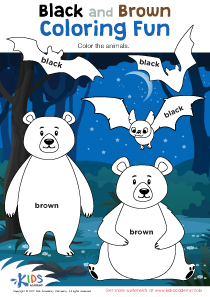
Letter tracing skills English for Beginners Worksheets for Ages 8-9
3 filtered results
-
From - To
Discover essential letter tracing skills tailored for beginners aged 8-9 with our engaging worksheets! Designed to enhance literacy, these resources cultivate fine motor skills and reinforce letter recognition in a fun and interactive way. Each worksheet provides children with the opportunity to practice their letter formation through easy-to-follow tracing activities, promoting confidence and proficiency in writing. Perfect for ESL learners, our worksheets include a variety of letters and related vocabulary, ensuring a comprehensive learning experience. Explore our collection and support your child's journey in mastering the English alphabet through enjoyable and educational exercises that make learning a delight!
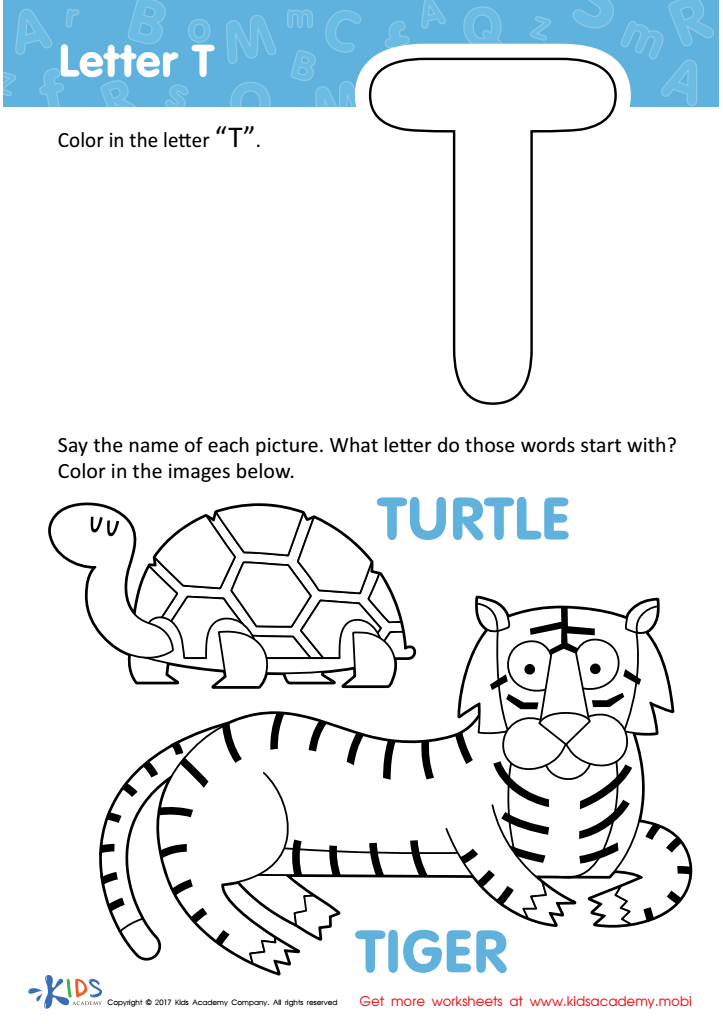
Letter T Coloring Sheet
 Assign to My Students
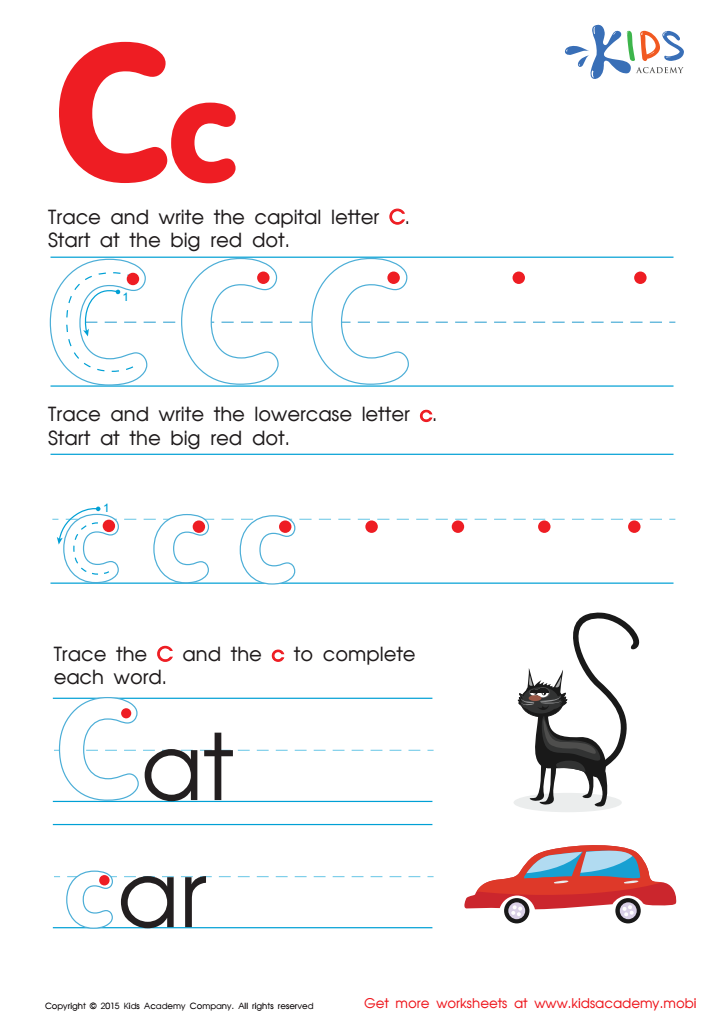
Letter C Tracing Page
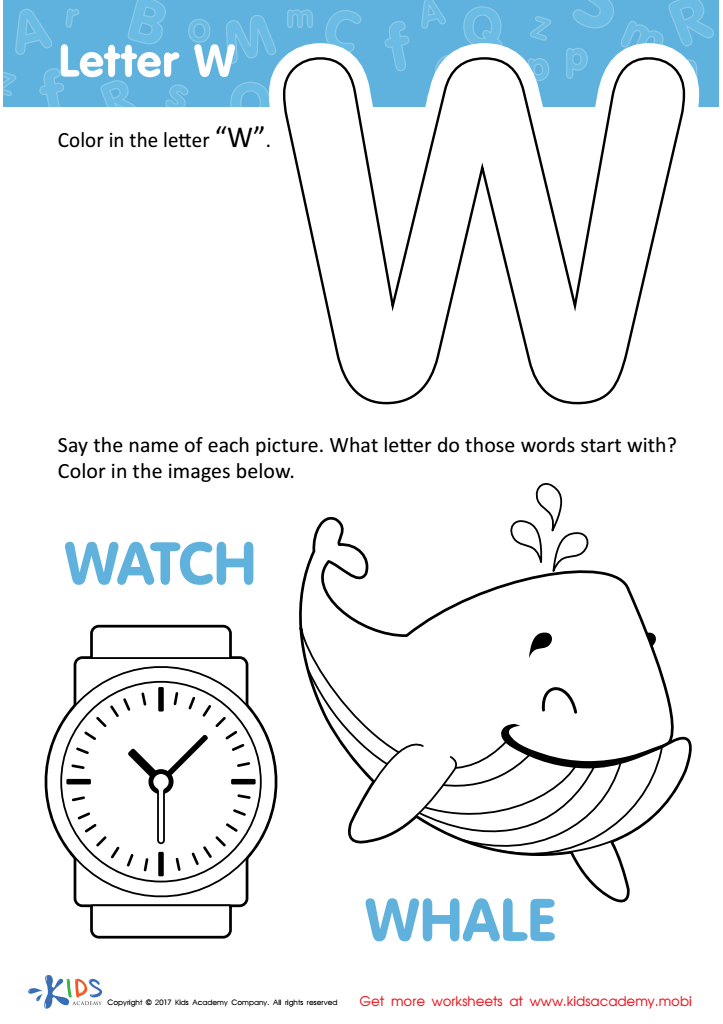
Letter W Coloring Sheet
Assign to My Students




Letter tracing skills are crucial for children aged 8-9 as they serve as a foundational step in their literacy development. At this age, students begin to solidify their understanding of the alphabet and start to connect letters with sounds, which enhances their reading and writing capabilities. Mastery of letter tracing helps improve fine motor skills, hand-eye coordination, and spatial awareness, laying the groundwork for future handwriting proficiency.
Additionally, practicing letter tracing aids in letter recognition and assists children in understanding proper letter formation, which is essential for developing a neat and readable writing style. This skill is particularly important as students advance to more complex writing tasks in the curriculum.
Moreover, activities like letter tracing can foster a sense of accomplishment and boost confidence, motivating learners to engage more openly with their reading and writing tasks. For parents and teachers, integrating letter tracing activities into learning plans not only supports academic growth but also encourages creativity and self-expression. Ultimately, when children develop strong letter tracing skills, they build a solid foundation for their literacy journey, paving the way for successful communication in the future.