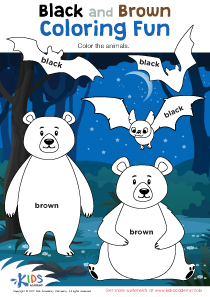
Reading Skills English for Beginners Worksheets for Ages 8-9
3 filtered results
-
From - To
Welcome to our collection of "Reading Skills English for Beginners Worksheets" designed specifically for kids aged 8 to 9! These engaging worksheets are tailored to help young learners develop essential reading skills in a fun and interactive way. Each activity focuses on vocabulary building, comprehension, and critical thinking, allowing students to practice English language concepts effectively. The worksheets feature colorful illustrations and relatable contexts to keep learners motivated. Perfect for classroom use or at-home practice, our resources make learning enjoyable and encourage a lifelong love of reading. Explore our expertly crafted materials to support your child's English language journey today!
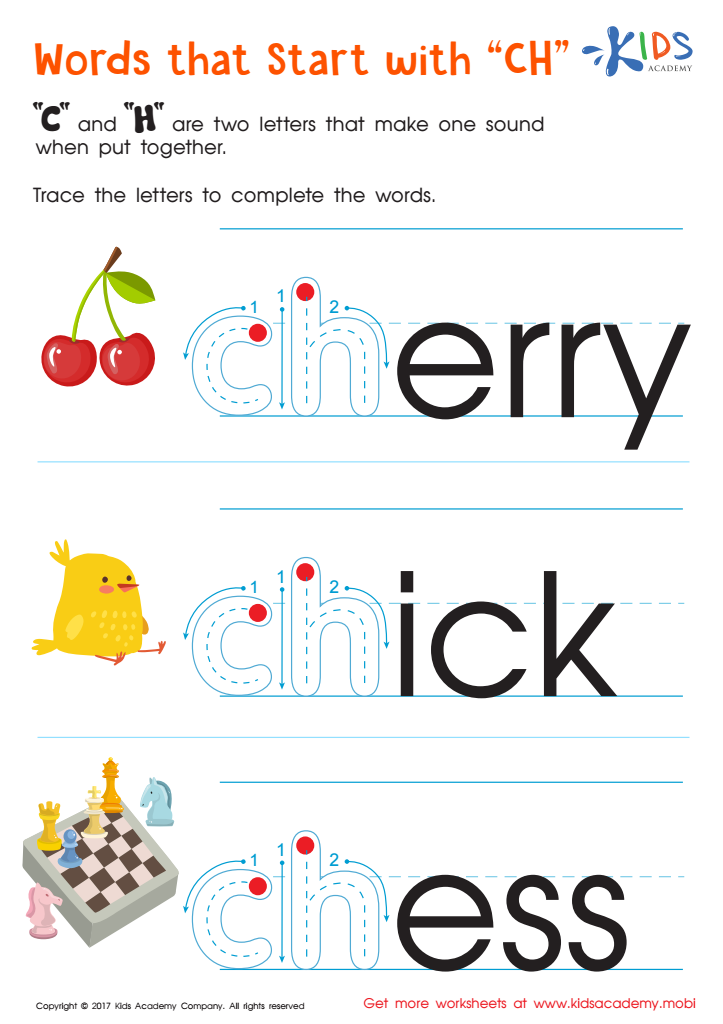
Words That Start with "ch" Spelling Worksheet
 Assign to My Students
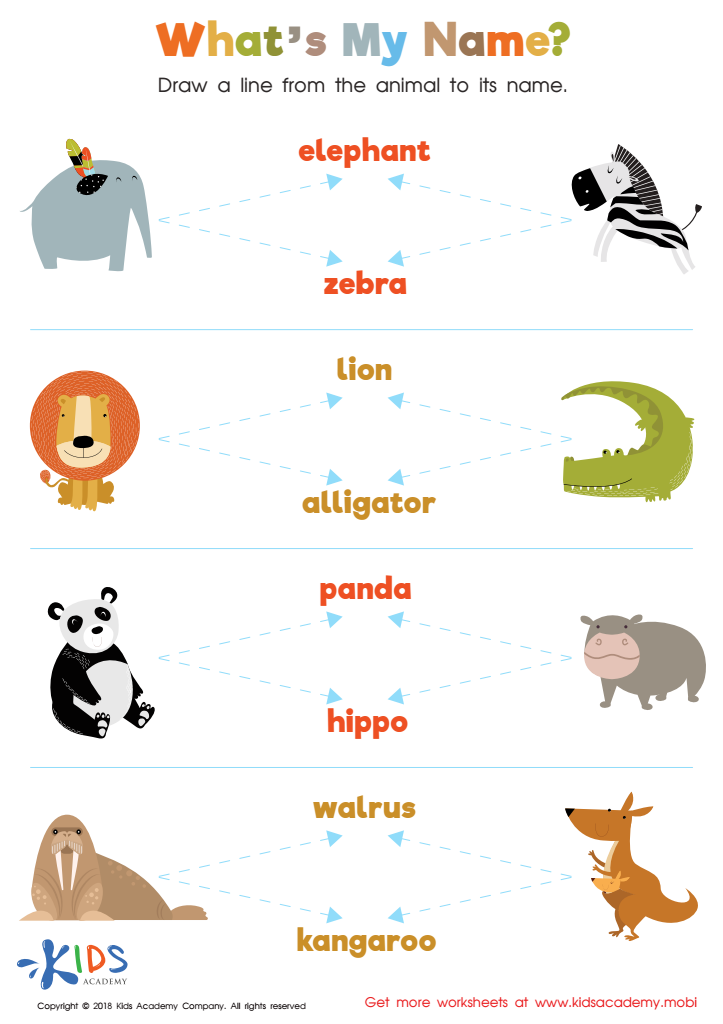
Animals and Their Names Worksheet
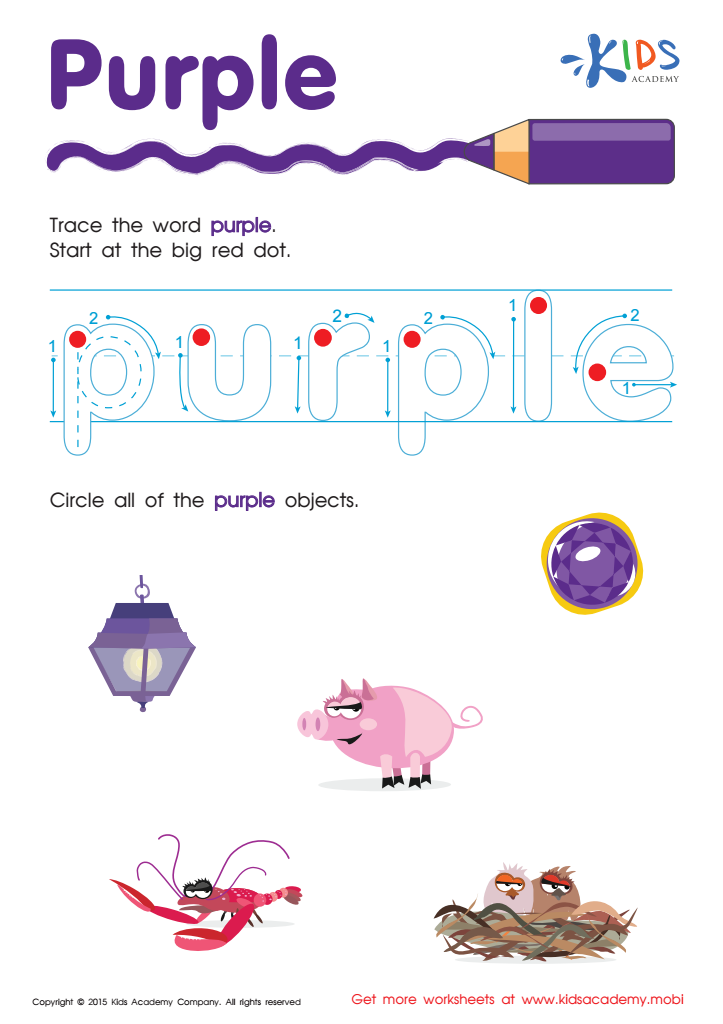
Purple Tracing Color Words Worksheet




Parents and teachers should prioritize reading skills for children aged 8-9 because this critical period sets the foundation for future academic success. At this age, children are transitioning from learning to read to reading to learn, making reading proficiency essential for their overall educational development. Strong reading skills enhance comprehension, vocabulary, and critical thinking, all of which are crucial for understanding various subjects.
Additionally, reading proficiency fosters a love for literature and learning. Conversely, children who struggle with reading may experience frustration, lower self-esteem, and disinterest in academics. By nurturing their reading skills, parents and teachers can help children build confidence and curiosity, encouraging them to explore new ideas and information.
Furthermore, good reading habits extend beyond academics; they contribute to better communication skills and social interactions. Engaging actively with reading materials develops empathy and broader worldviews, enriching children's emotional intelligence and cultural insights.
Ultimately, investing time and resources in developing reading skills for 8-9-year-olds prepares them for lifelong learning and empowers them to become informed, thoughtful adults. Therefore, parents and teachers should collaborate to create supportive reading environments that cater to the child’s interests and capabilities.