Categorization skills Worksheets for Ages 8-9
6 filtered results
-
From - To
Enhance your child's categorization skills with our engaging worksheets designed for ages 8-9! These fun and interactive printable resources facilitate critical thinking and cognitive development by encouraging kids to group objects, words, and ideas based on shared characteristics. Perfect for classroom use or at-home learning, our worksheets cater to various learning styles, ensuring that every child can benefit. As they practice sorting and classifying, students will improve their reasoning abilities while enjoying colorful illustrations and stimulating exercises. Visit our page for a collection of categorized worksheets that make learning both enjoyable and effective! Empower your child's journey to becoming a skilled learner today!
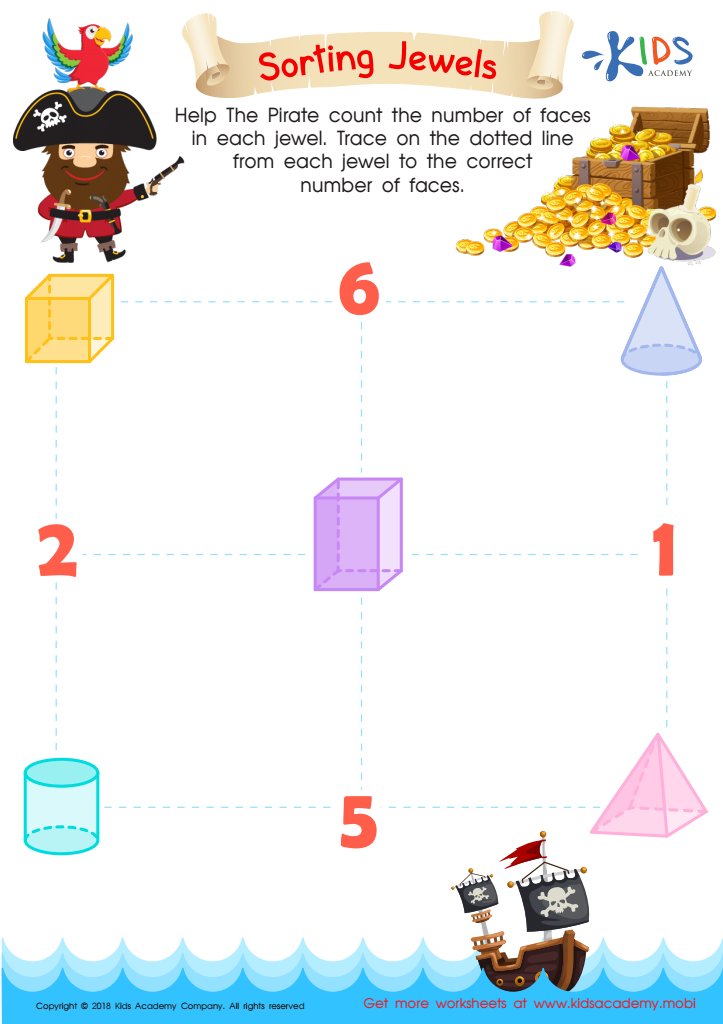
Sorting Jewels Worksheet
 Assign to My Students
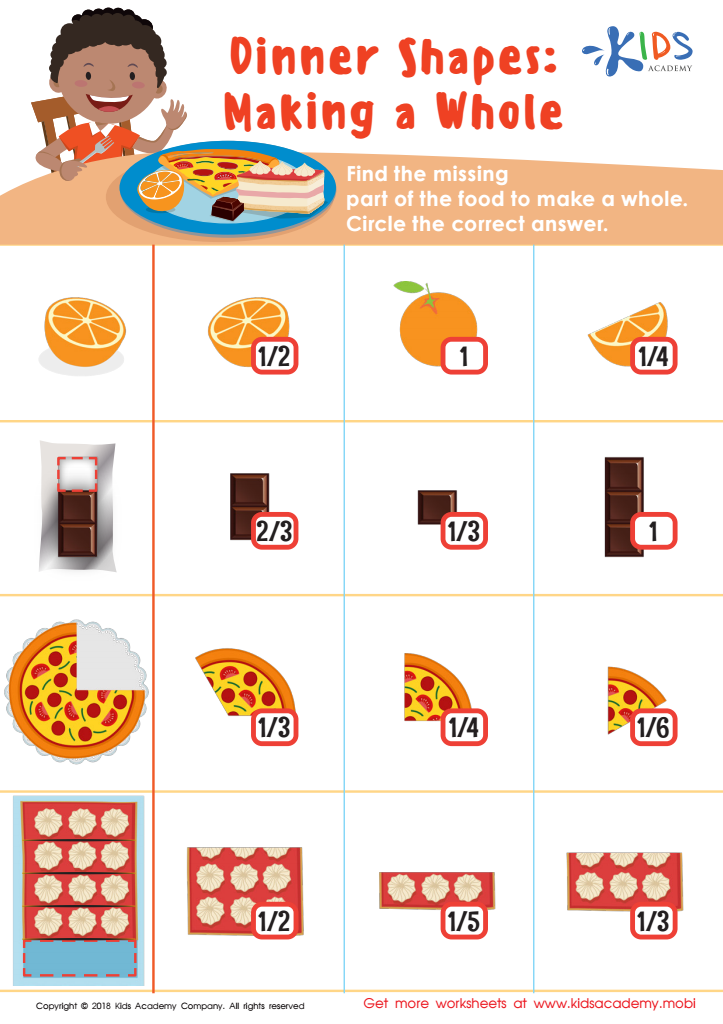
Dinner Shapes: Making a Whole Worksheet
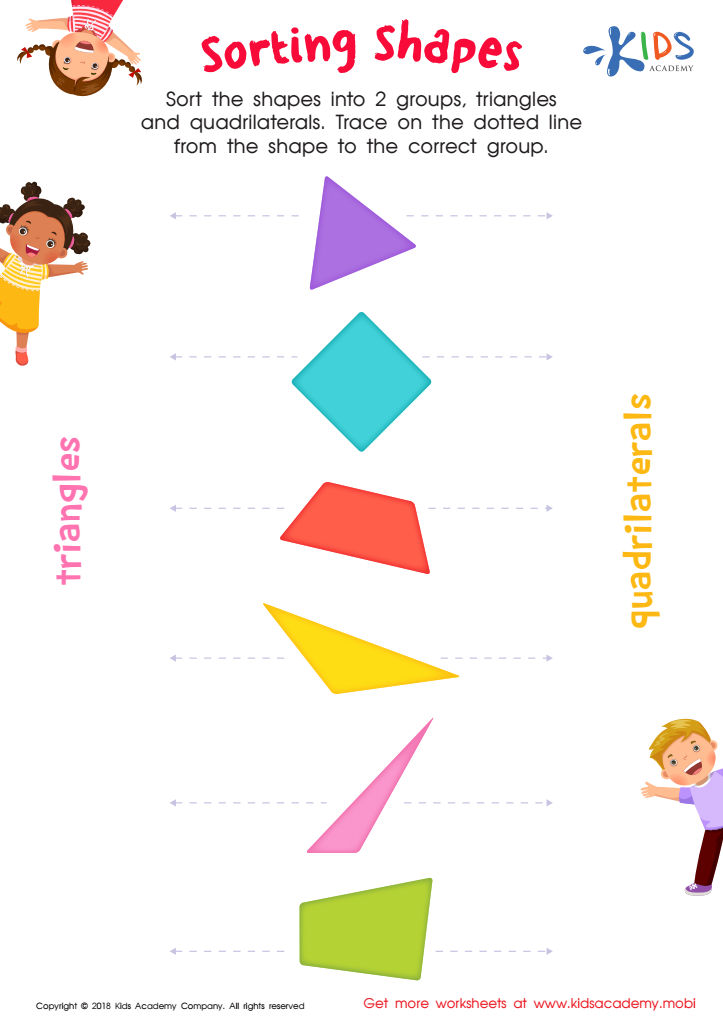
Sorting Shapes Worksheet
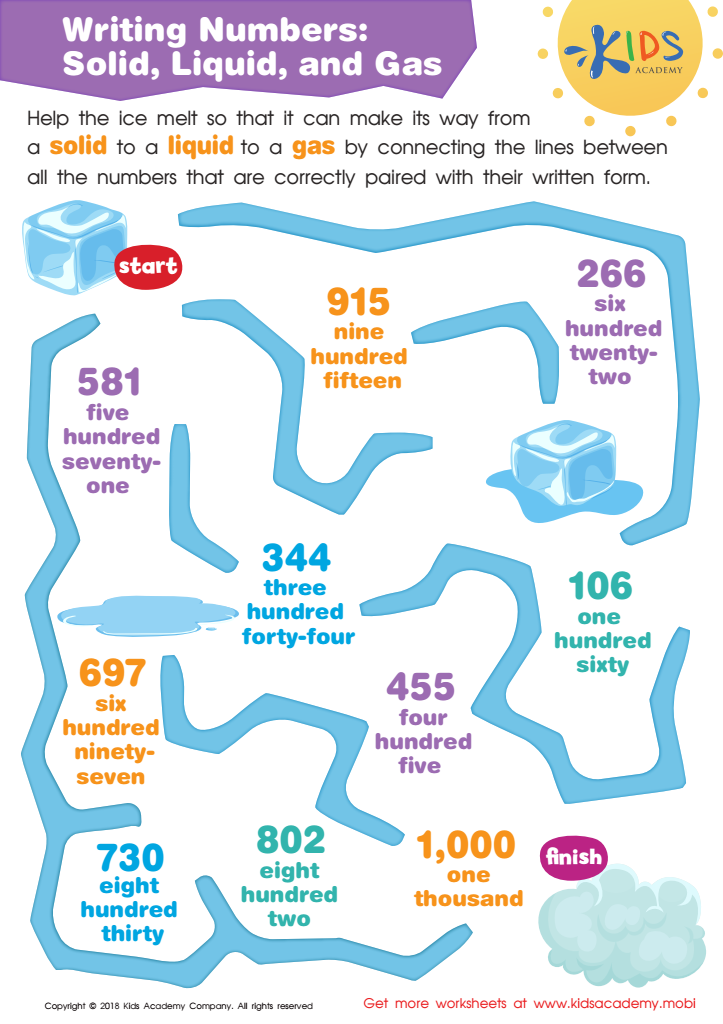
Solid, Liquid, and Gas Writing Numbers Worksheet
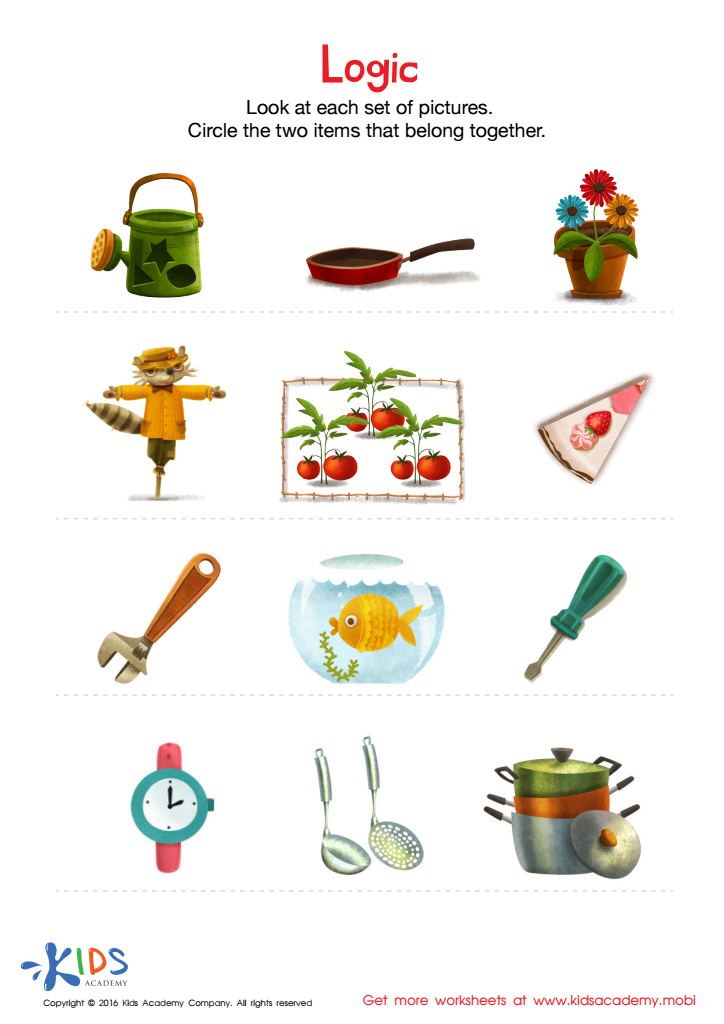
Logic Game Sorting Worksheet








Categorization skills are critical for children aged 8-9, as they lay the foundation for effective learning, problem-solving, and social interactions. At this age, children increasingly encounter complex information across subjects, and the ability to classify objects, ideas, and information into groups helps them make sense of their world. Developing these skills fosters critical thinking and strengthens cognitive abilities by encouraging children to analyze and draw connections across various domains.
Moreover, categorization aids in language development. As children learn to group words, concepts, and categories, they build richer vocabularies and improve their communication skills. For example, categorizing vocabulary words into themes or topics enhances comprehension and retention.
From a social viewpoint, categorization plays a role in how children understand and relate to their peers. It helps them navigate social dynamics by recognizing similarities and differences in others, promoting empathy and inclusivity.
Lastly, strong categorization skills are important for academic success. They enable children to organize information effectively, aiding in study skills and overall achievement. As such, parents and teachers should actively support activities that encourage categorization, ensuring children are equipped for lifelong learning and social competence.








