Developing logical thinking Worksheets for Ages 8-9
7 filtered results
-
From - To
Discover our engaging Developing Logical Thinking Worksheets designed for children ages 8-9! These expertly crafted resources help young learners enhance their critical thinking and problem-solving skills through fun activities. Our worksheets incorporate puzzles, patterns, and reasoning tasks that encourage students to analyze, deduce, and draw conclusions. With vibrant graphics and age-appropriate challenges, children will find joy in honing their logical abilities, laying a strong foundation for future academic success. Ideal for classroom use or at-home learning, these worksheets promote a seamless blend of focus and creativity, making logical reasoning an exciting adventure. Start your child’s journey to becoming a logical thinker today!
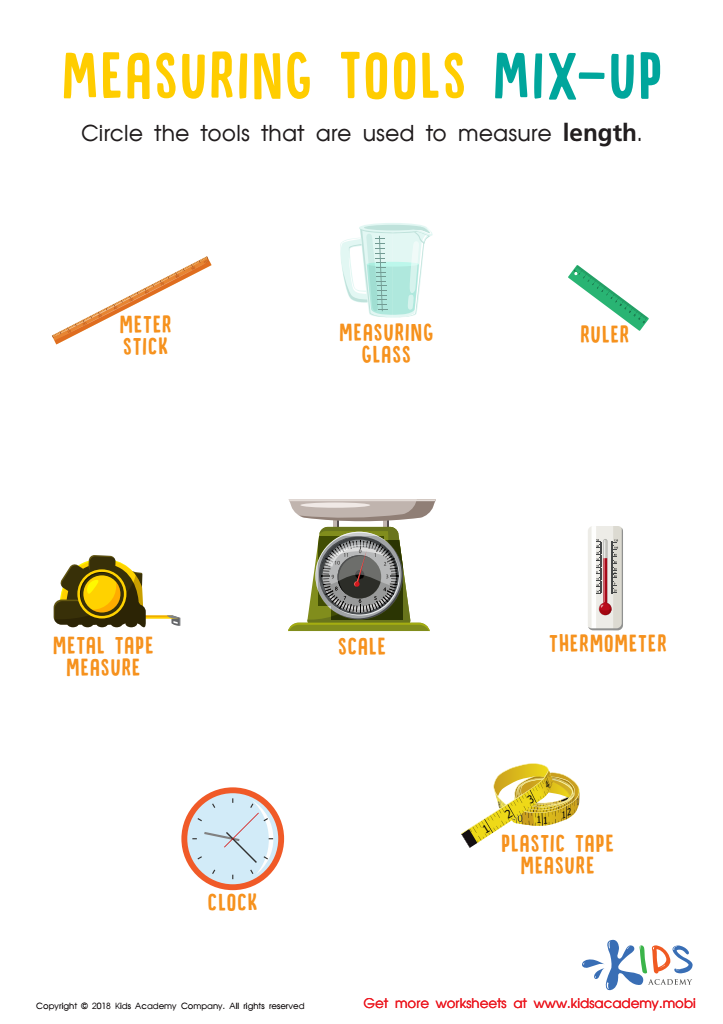
Measuring Tools Mix–up Worksheet
 Assign to My Students
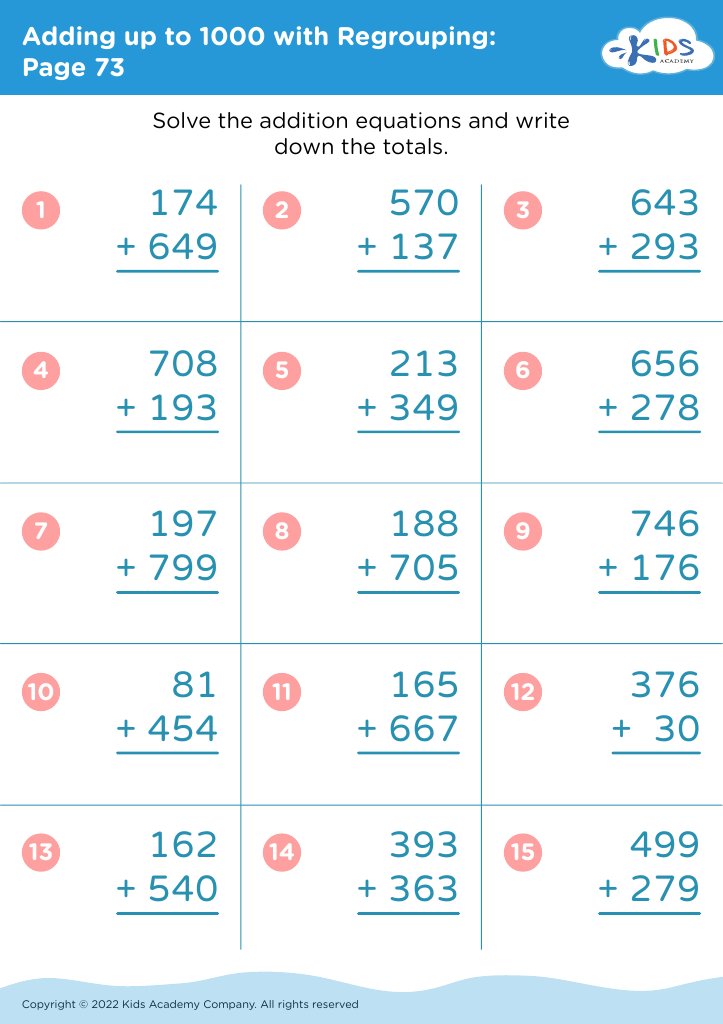
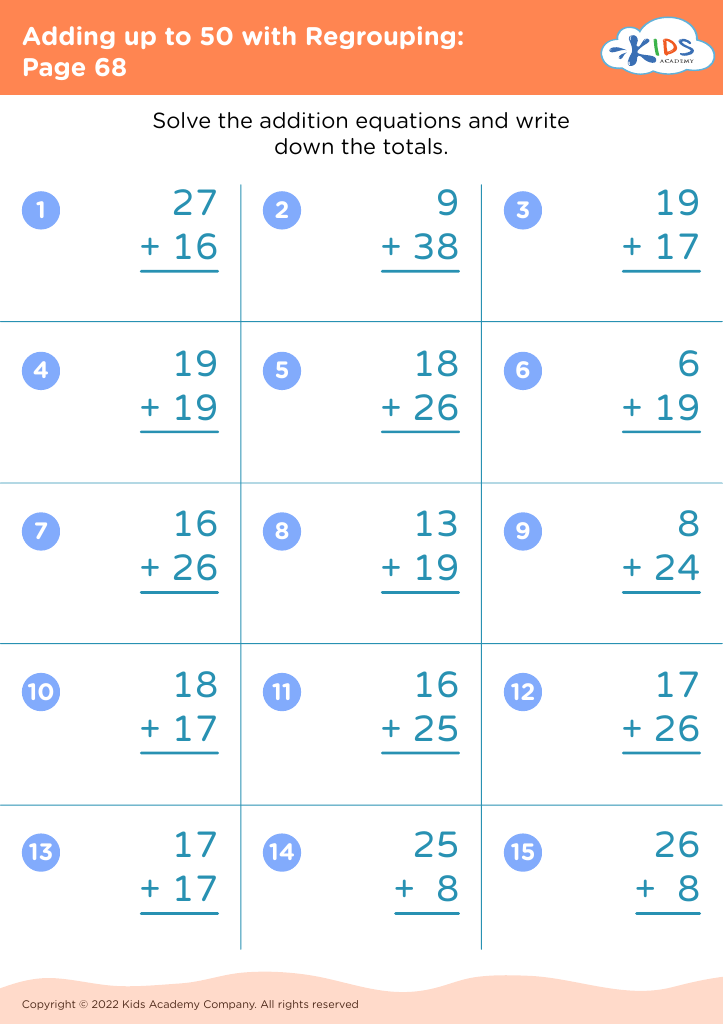

Quadrilateral Maze Worksheet
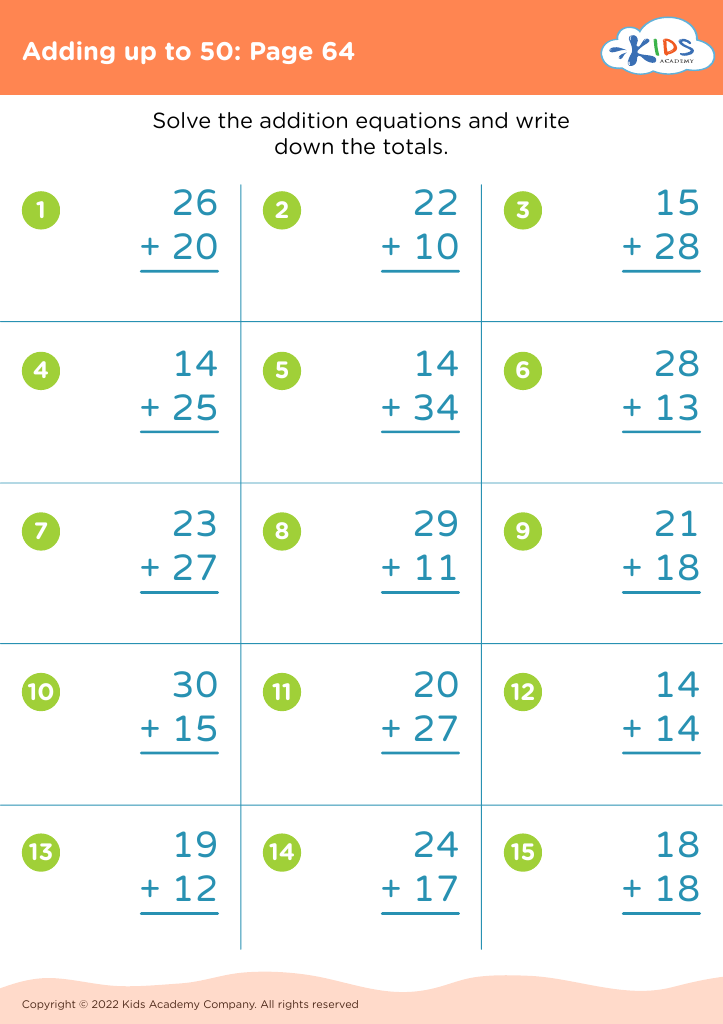
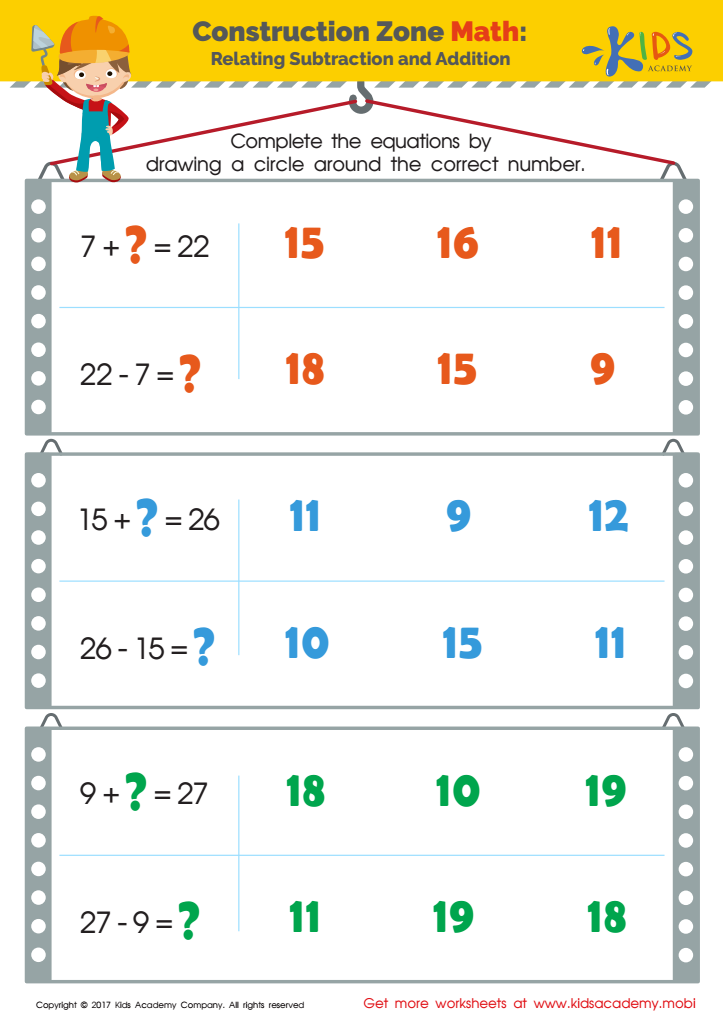
Related Addition and Subtraction Facts Worksheet
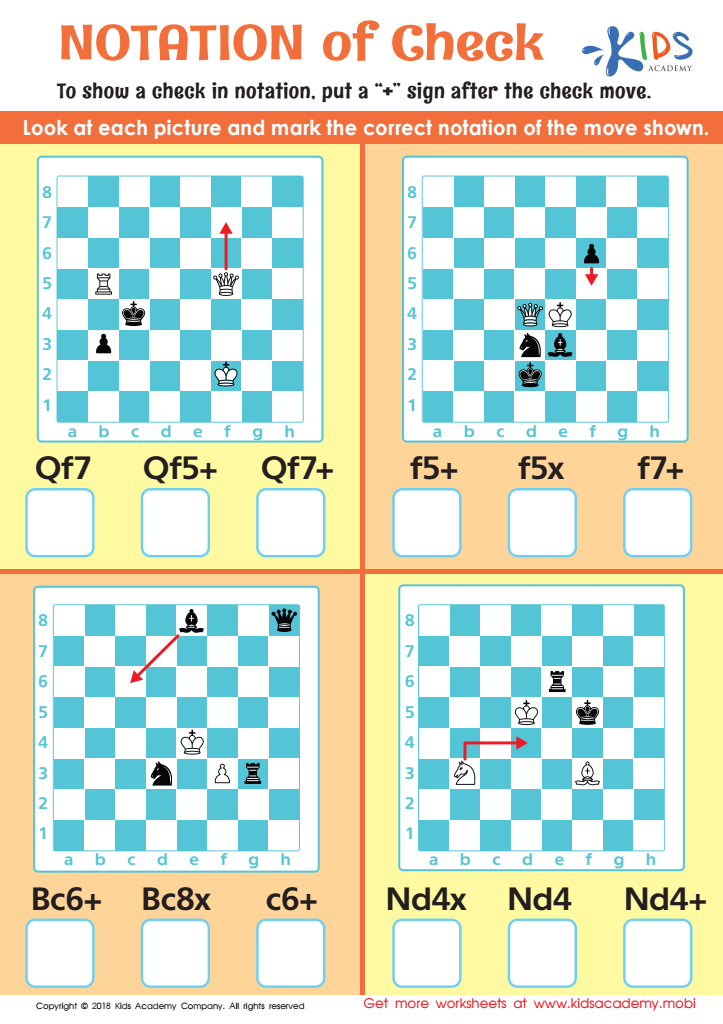
Notation of Check Worksheet








Developing logical thinking in children aged 8-9 is crucial for their cognitive growth and overall academic success. At this age, children are transitioning from concrete thinking to more abstract reasoning. This means they can begin to understand more complex concepts and relationships, making it essential for parents and teachers to nurture logical thinking skills.
Logical thinking fosters problem-solving abilities, allowing children to approach challenges methodically. It encourages them to analyze situations, weigh evidence, and make reasoned decisions, skills that are not only vital for their education but also for real-life scenarios. Moreover, logical thinking is foundational for subjects such as mathematics and science, where understanding relationships and patterns is key.
Furthermore, cultivating these skills can enhance children's communication abilities. They learn to articulate their thoughts clearly, justify their reasoning, and engage in meaningful discussions. This builds confidence and encourages a love for learning.
Ultimately, by prioritizing logical thinking, parents and teachers equip children with essential tools for future learning and everyday decision-making, promoting independence, critical thinking, and resilience in an increasingly complex world. Ensuring that children develop strong logical thinking skills at this age lays the groundwork for lifelong learning.








