
Fraction representation Worksheets for Ages 8-9
5 filtered results
Difficulty Level
Grade
Age
-
From - To
Subject
Activity
Standards
Explore our engaging fraction representation worksheets designed for children ages 8-9! These worksheets offer interactive and fun activities that make learning about fractions exciting and accessible. Young learners can practice identifying, comparing, and representing fractions using visual aids and practical exercises. Each worksheet encourages critical thinking and problem-solving skills, helping students build a solid foundation in fractions essential for their mathematical development. Ideal for classroom initiatives or at-home practice, our resources cater to diverse learning styles and are perfect for reinforcing concepts taught in school. Dive into the world of fractions and watch your child's confidence soar with our comprehensive worksheets!
Favorites
With answer key
Interactive
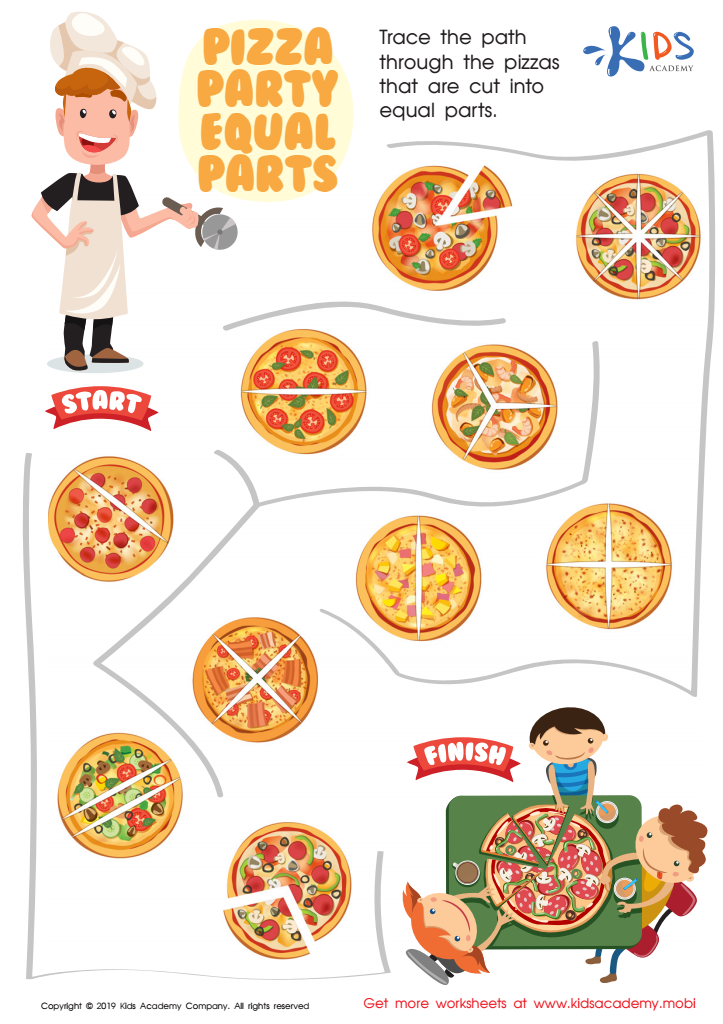
Pizza Party Equal Parts Worksheet
Love pizza? This printout is a great way to help kids learn about equal parts! Kids must identify pizzas cut into equal parts, then trace the path through the pizzas. It's an exciting maze - and a great way to help kids learn! Get the traceable pdf today and let the fun begin!
 Assign to My Students
Pizza Party Equal Parts Worksheet
Worksheet
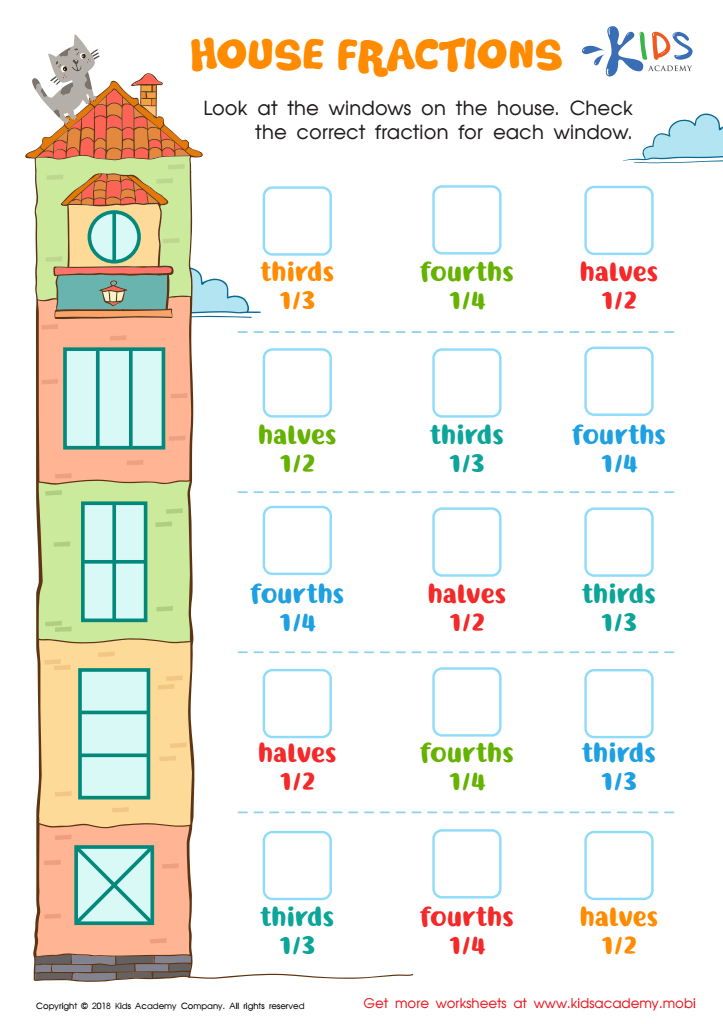
House Fractions Worksheet
Test your child's knowledge of fractions with this worksheet! Have them examine the windows of a house and select the correct fraction from the options given. This is a great way to see how much they understand about wholes, fractions, halves, one thirds, and one fourths.
House Fractions Worksheet
Worksheet
Join Kids Academy for Free
Who is primarily going to use this learning content?


.jpg)



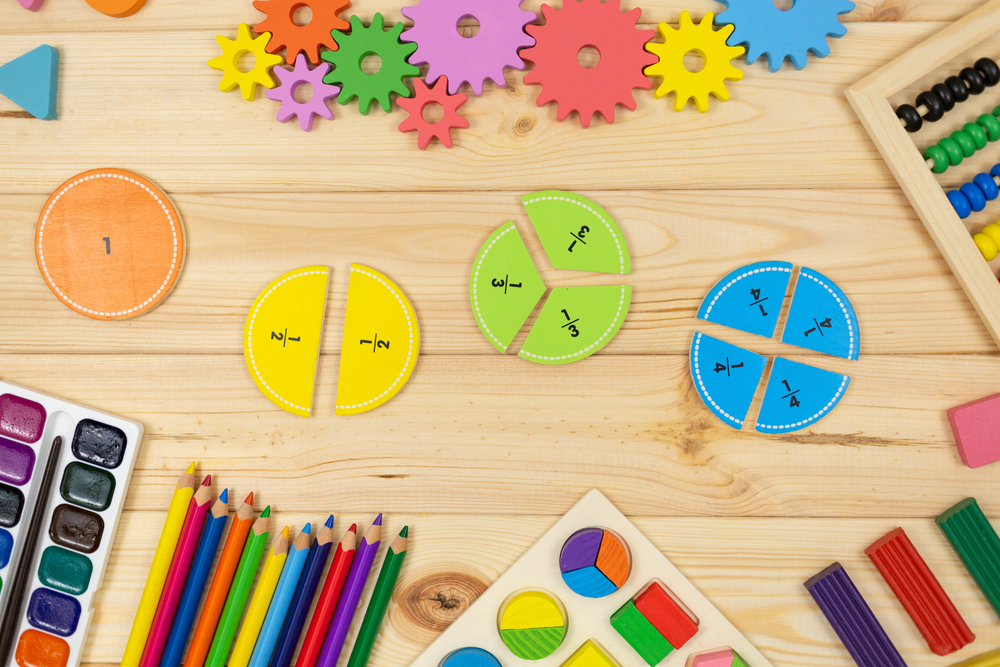
Fraction representation is crucial for children aged 8-9 as it lays the foundation for their understanding of more complex mathematical concepts. At this age, children are transitioning from concrete to more abstract thinking, and grasping fractions helps them develop critical problem-solving skills. Understanding fractions enables kids to see relationships between numbers, enhances their ability to divide and calculate, and prepares them for more advanced topics such as ratios and proportions in later grades.
Moreover, mastering fraction representation promotes confidence in their mathematical abilities. It fosters a sense of accomplishment when they can visualize and manipulate fractions through shapes, number lines, or visual models. Engaging with these concepts using relatable, everyday examples, such as sharing pizza or dividing a cake, makes learning relevant and enjoyable.
Parents and teachers play a vital role by providing varied representations, such as pie charts, bar models, and set models, which cater to different learning styles. Celebrating children’s successes with fractions encourages a positive attitude towards math, which can last a lifetime. Fostering a strong understanding of fractions not only helps children excel academically but also promotes mathematical literacy in real-world situations, ensuring they are well-equipped for future challenges.








