Identify numbers Worksheets for Ages 8-9
3 filtered results
-
From - To
Our "Identify Numbers Worksheets for Ages 8-9" are crafted to enhance your child's numeracy skills through fun and engaging activities. Each worksheet is designed to challenge young learners while making the process enjoyable. Students will practice recognizing, writing, and comparing numbers, helping to solidify their understanding of numerical concepts. The vibrant illustrations and creative exercises keep kids motivated, ensuring they develop confidence in their math abilities. Perfect for homeschoolers or supplementary practice at school, these worksheets support diverse learning styles, making math education accessible and exciting. Dive into the world of numbers and watch your child thrive with our interactive resources!
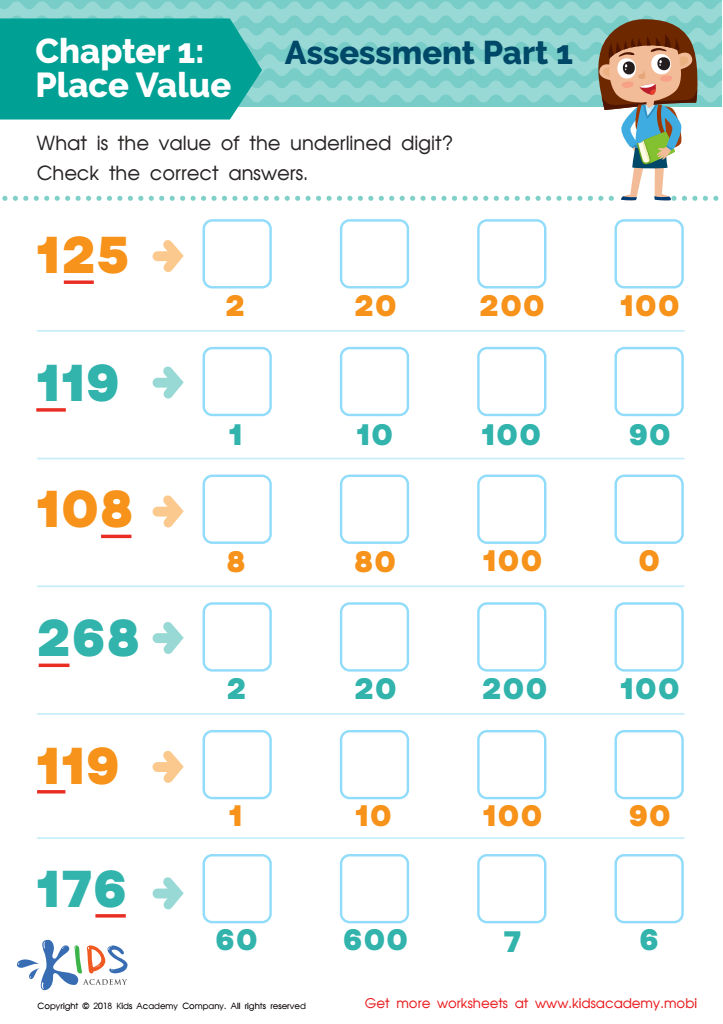
Place Value: Chapter 1 Worksheet
 Assign to My Students
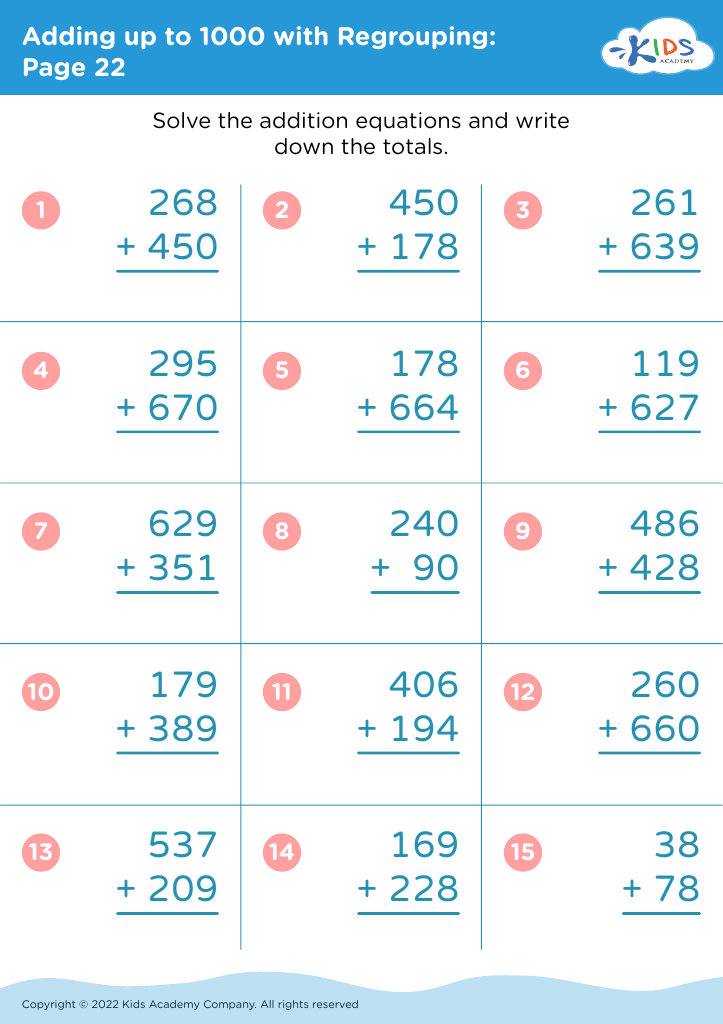
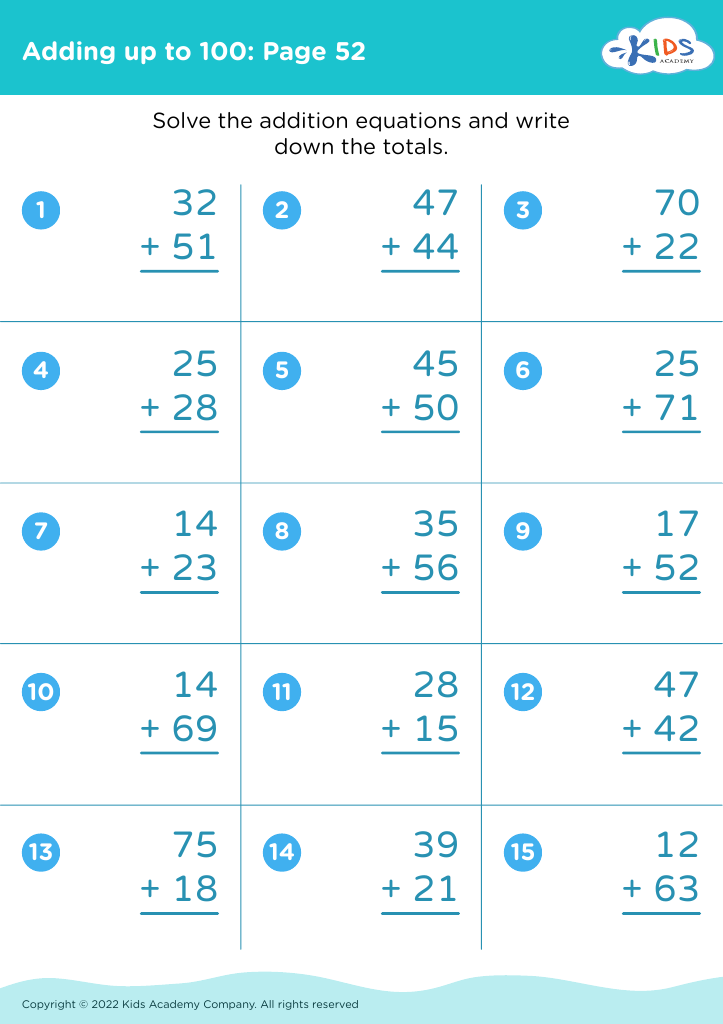








For children aged 8-9, the ability to identify and understand numbers is crucial for their cognitive development and daily life skills. This foundational skill supports their proficiency in mathematics, which is a critical component of their overall education. Mastery of number identification paves the way for more advanced concepts such as addition, subtraction, and basic problem-solving, which they will encounter in higher grades.
Furthermore, being able to recognize and work with numbers enhances children's confidence and motivation in engaging with math. This age is pivotal for developing a positive attitude towards mathematics, as negative experiences can lead to math anxiety later in life. Parents and teachers should also consider the practical applications of number identification, such as telling time, understanding money, and measuring ingredients in cooking, which are important life skills.
Additionally, incorporating fun activities that reinforce number identification, such as games and real-world connections, can foster a love for learning. In conclusion, by supporting and prioritizing number recognition at this stage, parents and teachers can help foster a strong mathematical foundation, encouraging a growth mindset and greater academic success in the future.








