
Improve fine motor skills Worksheets for Ages 8-9
3 filtered results
Difficulty Level
Grade
Age
-
From - To
Subject
Activity
Standards
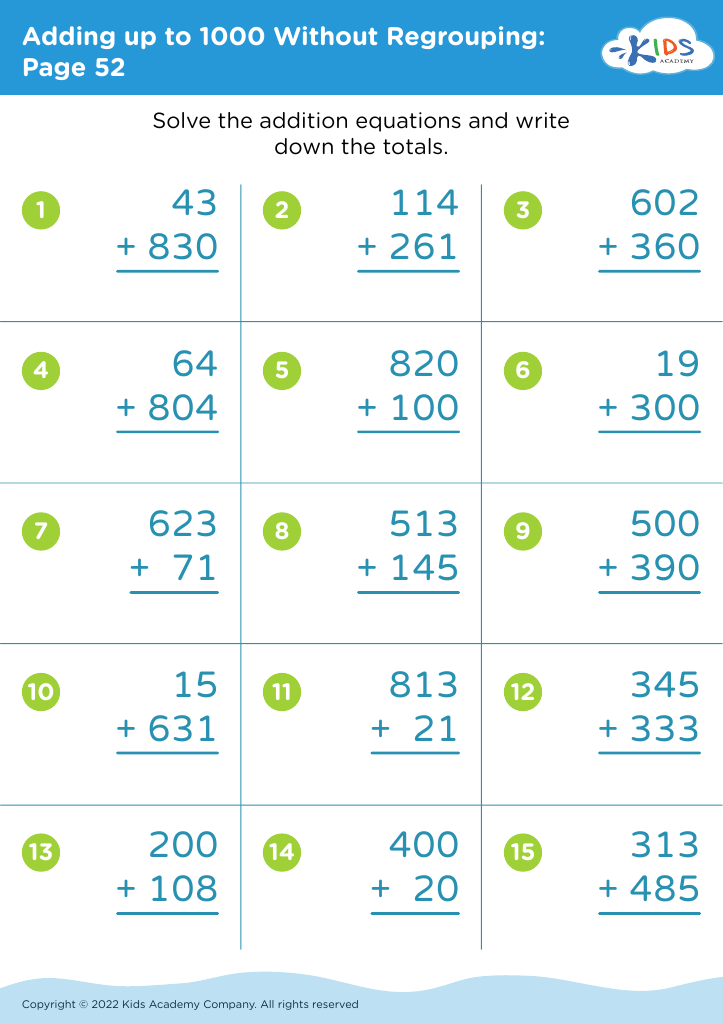
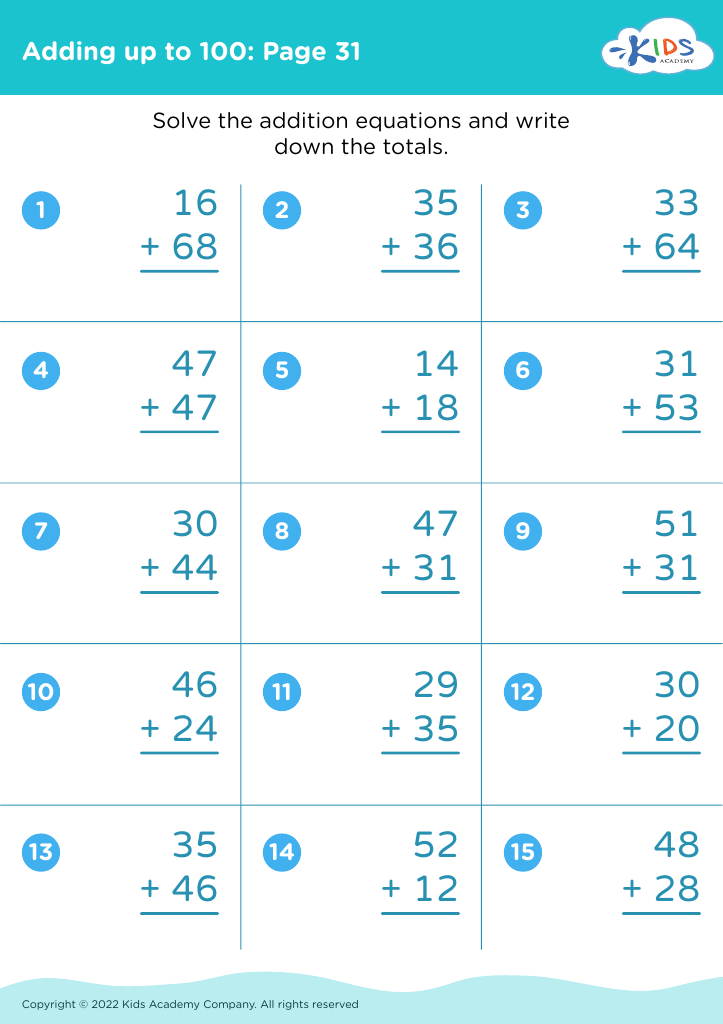
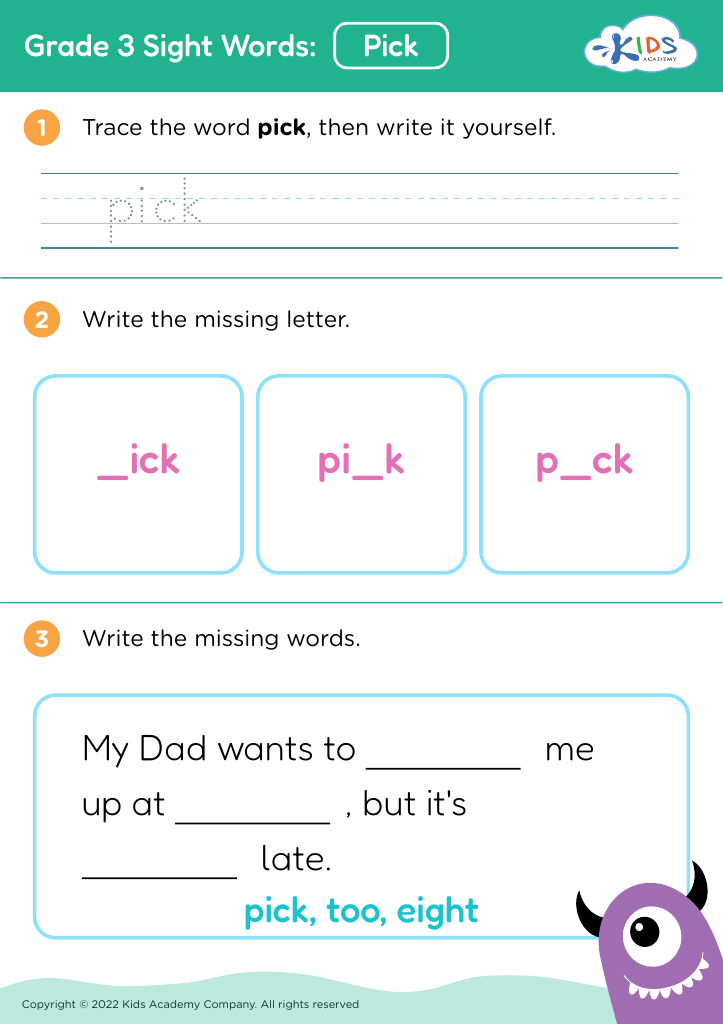
Discover our "Improve Fine Motor Skills Worksheets for Ages 8-9" designed to enhance your child’s dexterity and precision through engaging activities. Crafted by professional educators, these worksheets help develop muscle control, hand-eye coordination, and handwriting proficiency. Suitable for both learning at home and in the classroom, they integrate fun, skill-building exercises, including tracing, cutting, and drawing. Boost your child's confidence and independence while making learning enjoyable. Dive into our collection to lay a strong foundation for essential academic skills and promote creative exploration. Empower your young learner today with these interactive, educational worksheets!
Favorites
With answer key
Interactive
Join Kids Academy for Free
Who is primarily going to use this learning content?



.jpg)

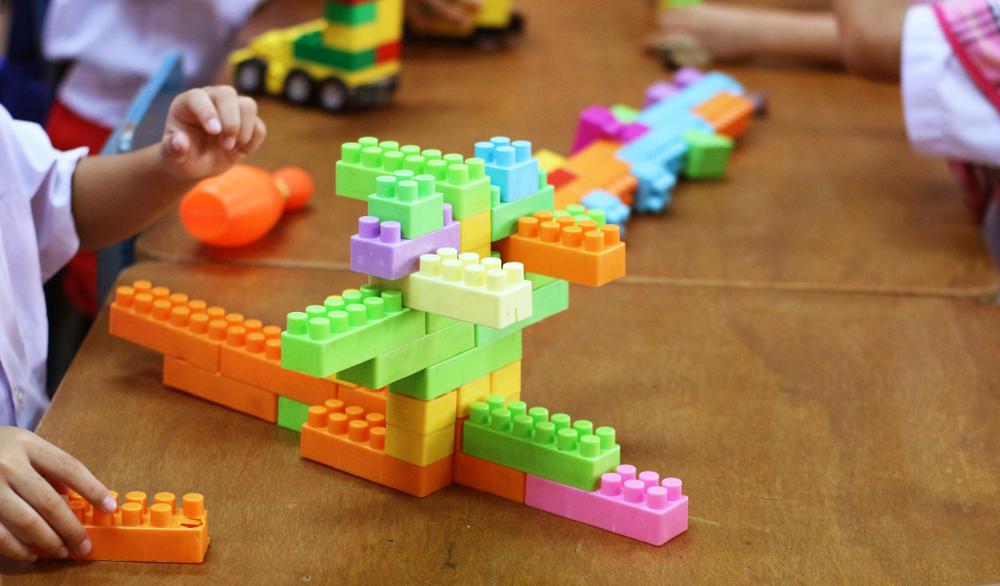


At ages 8-9, children are entering critical stages of development where fine motor skills—small muscle movements typically in the hands and fingers—play a significant role in their daily lives and academic success. Strengthening these skills allows children to perform essential tasks such as writing legibly, cutting shapes accurately with scissors, or manipulating small objects. These tasks are vital for their educational development, particularly in areas like handwriting where neatness and speed contribute to effective written communication and overall academic confidence.
Moreover, improved fine motor skills contribute to independence in self-care tasks such as buttoning clothes, tying shoelaces, and feeding themselves effectively. This fosters a sense of autonomy and self-confidence, which is fundamental to their emotional and social development.
From a neurological perspective, fine motor activities also encourage brain development. Activities like drawing, crafting, or playing musical instruments strengthen hand-eye coordination and enhance neural connections in the brain. This can benefit cognitive functions such as problem-solving, memory, and critical thinking.
In conclusion, parents and teachers should prioritize fine motor skill development in 8-9-year-olds, as it supports their academic success, fosters independence, enhances self-esteem, and promotes overall cognitive development, setting a solid foundation for future learning and everyday tasks.








