
Improve problem-solving skills Worksheets for Ages 8-9
6 filtered results
Difficulty Level
Grade
Age
-
From - To
Subject
Activity
Standards
Enhance your child's critical thinking and reasoning with our "Improve Problem-Solving Skills Worksheets for Ages 8-9." These engaging, fun-filled worksheets are thoughtfully designed to challenge young minds and promote logical reasoning. Each activity encourages creativity while developing essential problem-solving techniques through puzzles, riddles, and real-life scenarios. Ideal for home learning or classroom use, our worksheets cater to varied learning styles, ensuring that each child can grasp complex concepts at their own pace. Empower your 8-9-year-olds with the skills they need to tackle challenges confidently—download our resources today and watch their problem-solving abilities soar!
Favorites
With answer key
Interactive
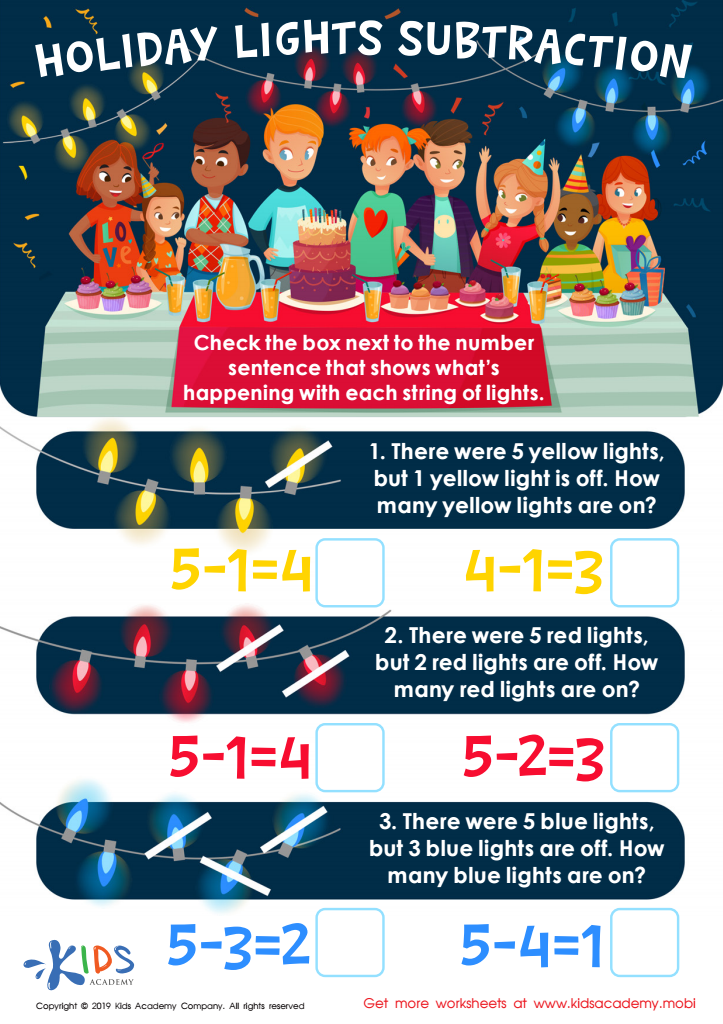
Holiday Lights Subtraction Worksheet
Before tackling the math problem, get your kids ready by asking them to share their favorite holiday and why. Then, look at the picture on the worksheet with them. Help them examine the numbers and problems, and select the number sentence that shows what's happening with each string of light. 80 words.
 Assign to My Students
Holiday Lights Subtraction Worksheet
Worksheet
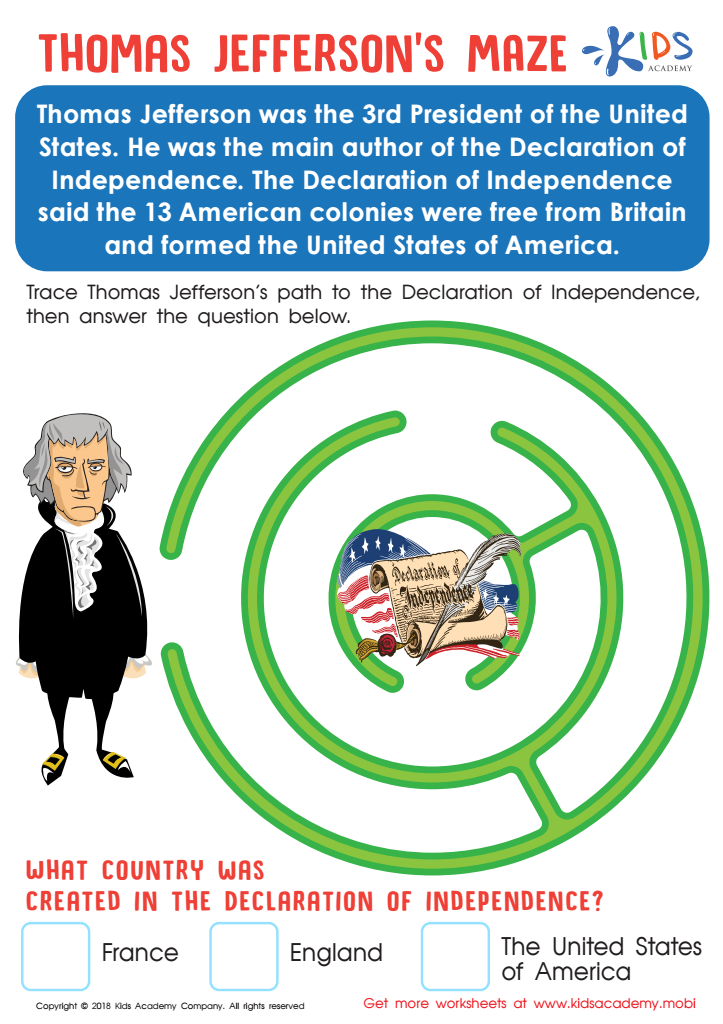
Thomas Jefferson's Maze Worksheet
Do your students know who Thomas Jefferson was? He was the 3rd US president and wrote the Declaration of Independence, setting the 13 Original Colonies free from British rule. This momentous act shaped American history and helped build the nation we know today.
Thomas Jefferson's Maze Worksheet
Worksheet
Join Kids Academy for Free
Who is primarily going to use this learning content?


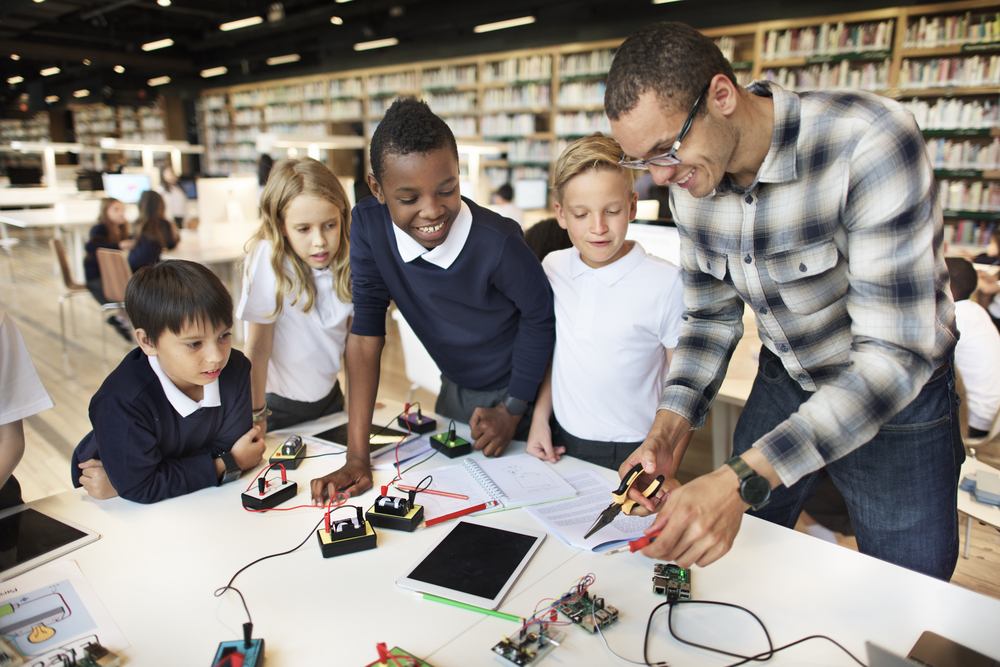




Improving problem-solving skills in children aged 8-9 is crucial for their overall development and future success. At this age, children are starting to think more critically and can tackle more complex challenges. Educators and parents should be particularly concerned with fostering these skills because problem-solving is essential for academic achievement and everyday life. It encourages children to approach issues methodically, promotes independence, and builds confidence in their abilities.
In the classroom, strong problem-solving capabilities enable students to engage actively with subject matter, whether in math, science, or social studies. They learn to analyze situations, devise strategies, and implement solutions, creating a strong foundation for higher-level thinking later on. Similarly, these skills help children navigate social interactions, allowing them to handle conflicts and collaborate effectively with peers.
Beyond academics, problem-solving skills contribute to resilience and adaptability, traits vital for success in increasingly complex environments. As children learn to embrace challenges and view mistakes as learning opportunities, they develop a growth mindset, fostering lifelong learning. By prioritizing the enhancement of problem-solving skills at this formative age, parents and teachers ensure that they are equipping children with the critical tools needed for both personal and academic growth.








