Moral understanding Worksheets for Ages 8-9
4 filtered results
-
From - To
Explore our engaging Moral Understanding Worksheets designed specifically for children ages 8-9. These thoughtfully crafted resources help young learners develop essential social skills and empathy by tackling real-world scenarios. Activities encourage kids to think critically about right and wrong while fostering a sense of responsibility and community awareness. Each worksheet features age-appropriate narratives and practical exercises that make learning enjoyable and relatable. Perfect for classroom use or at-home learning, our worksheets promote open discussions about values, ethics, and decision-making. Help your child cultivate a strong moral compass and an understanding of ethical behavior with our interactive and fun-filled worksheets!
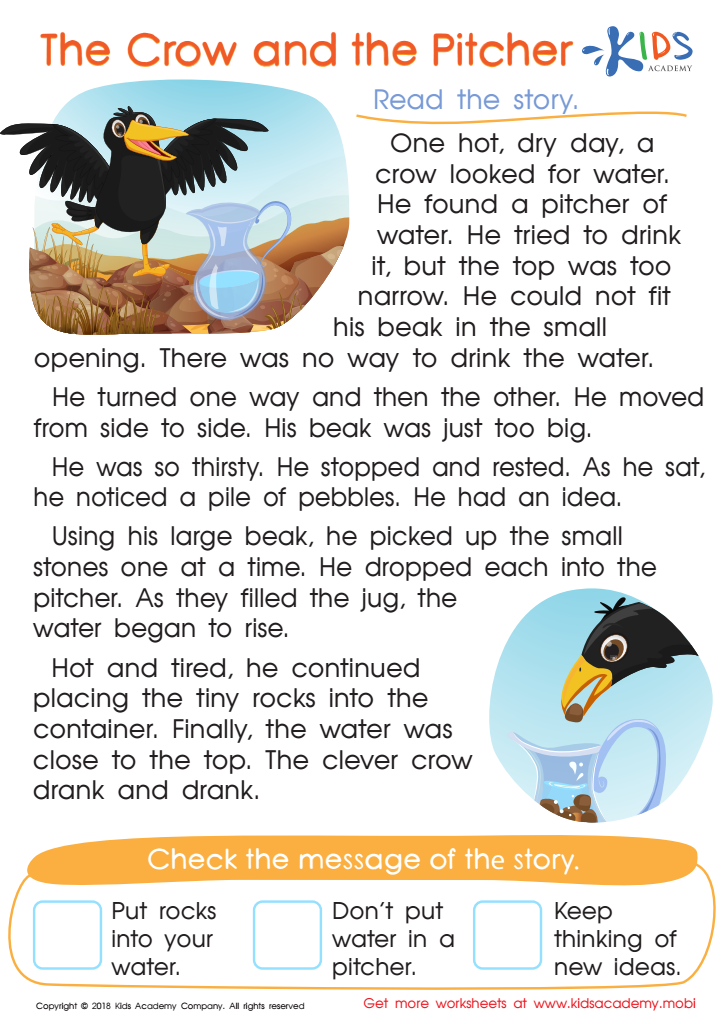
The Crow and the Pitcher Worksheet
 Assign to My Students
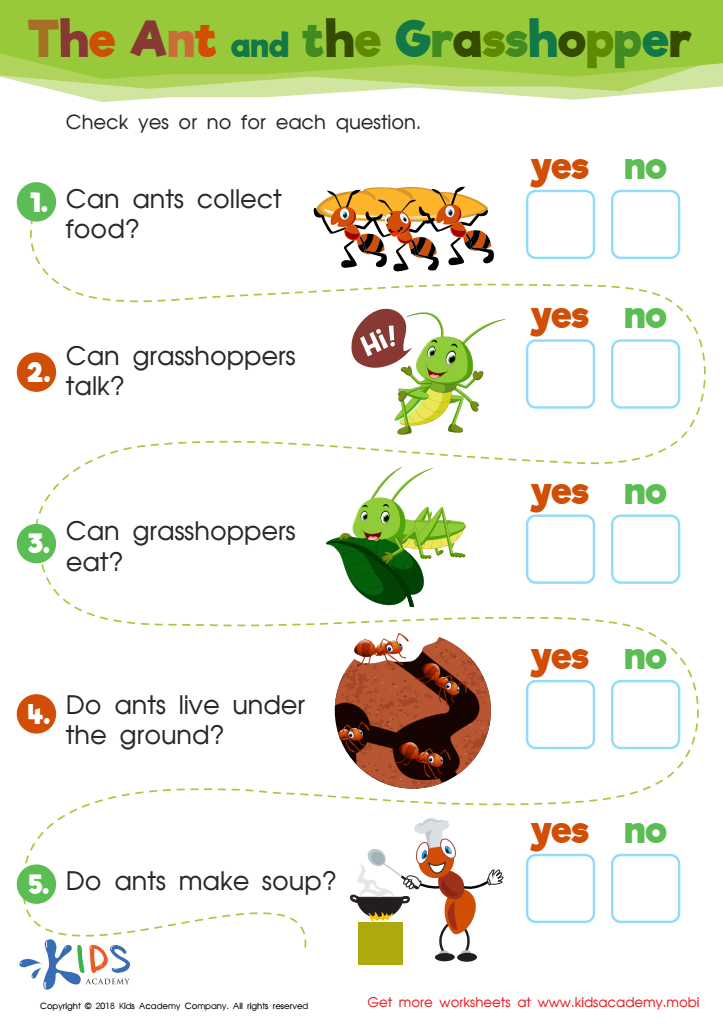
The Ant and The Grasshopper Worksheet
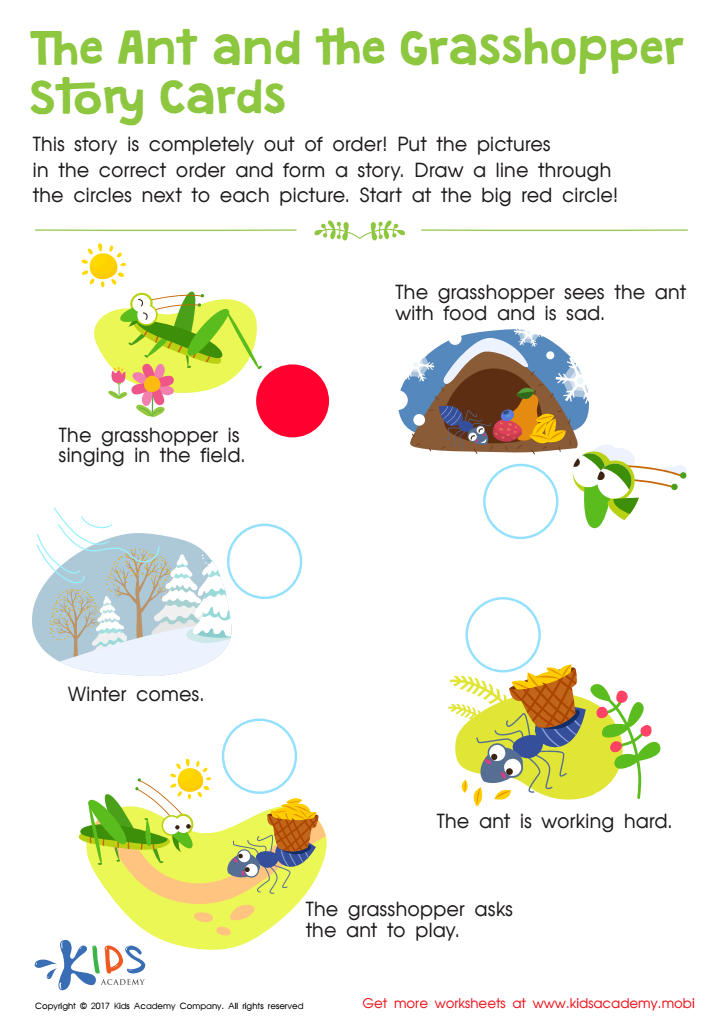
The Ant and The Grasshopper Worksheet
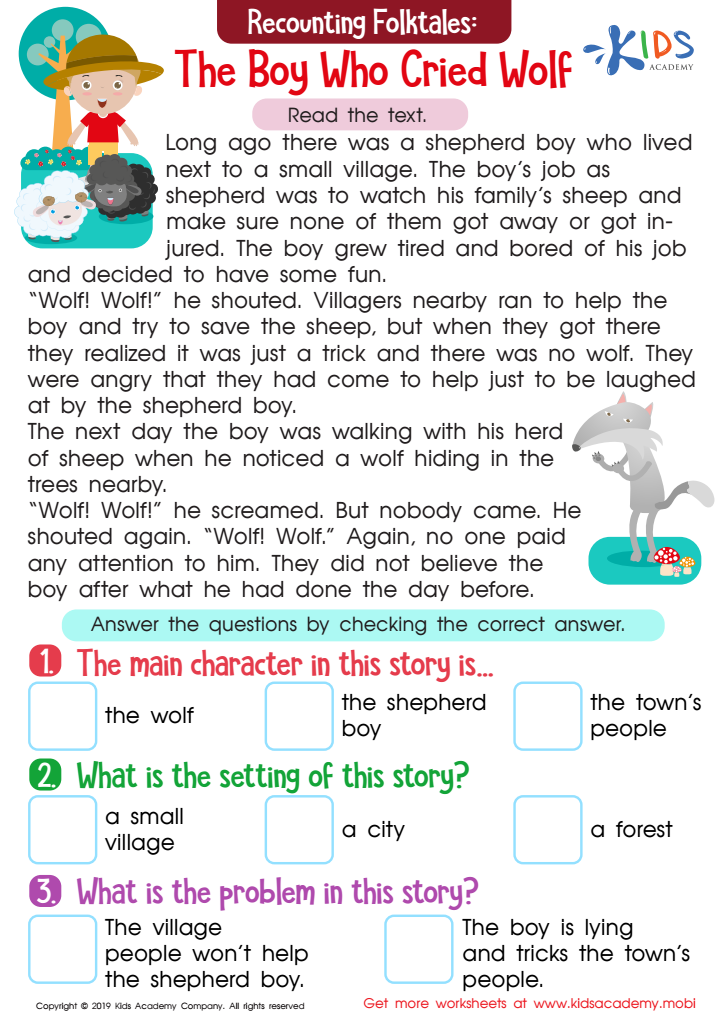
The Boy Who Cried Wolf Part 1 Worksheet





.jpg)
Moral understanding is critical for children aged 8-9 as it lays the foundation for their social interaction and personal development. At this age, children begin to grasp complex moral concepts such as empathy, fairness, and justice, which significantly influence their relationships with peers and adults. Parents and teachers play a vital role in nurturing this understanding, which helps children navigate various social situations and dilemmas.
Fostering moral understanding encourages children to make informed choices and develop a strong sense of right and wrong. It aids in cultivating empathy, allowing them to recognize and consider the feelings of others. By engaging in discussions about moral dilemmas and ethical behavior, adults can guide children in evaluating their actions and the consequences that follow.
Moreover, a strong moral compass contributes to a positive classroom and home environment, reducing conflicts and promoting cooperation. Children who understand moral principles are more likely to exhibit kindness and respect, creating a supportive community. Ultimately, enhancing moral understanding equips children with the essential skills necessary for healthy relationships and responsible citizenship, preparing them for the complexities of the world as they grow older.








