
Practice problem-solving Worksheets for Ages 8-9
4 filtered results
Difficulty Level
Grade
Age
-
From - To
Subject
Activity
Standards
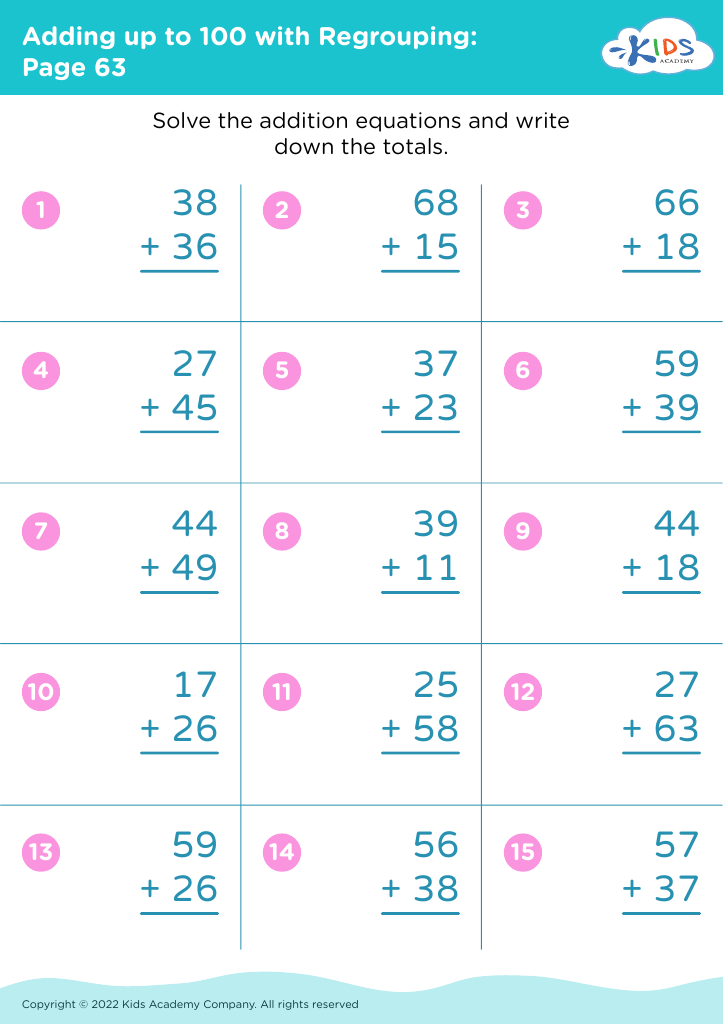
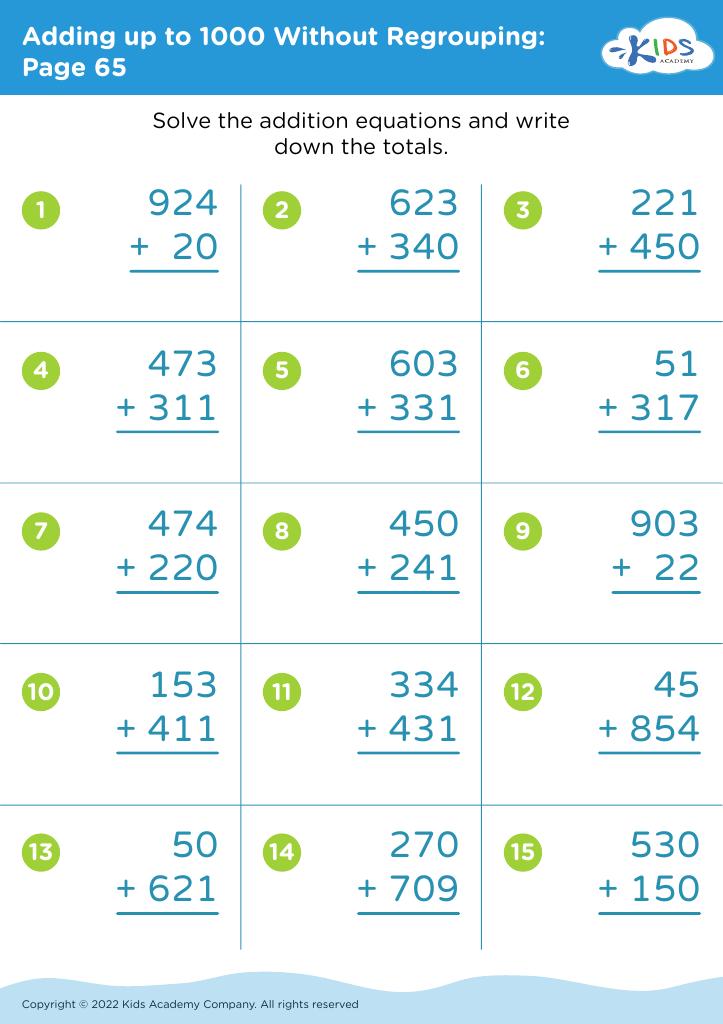
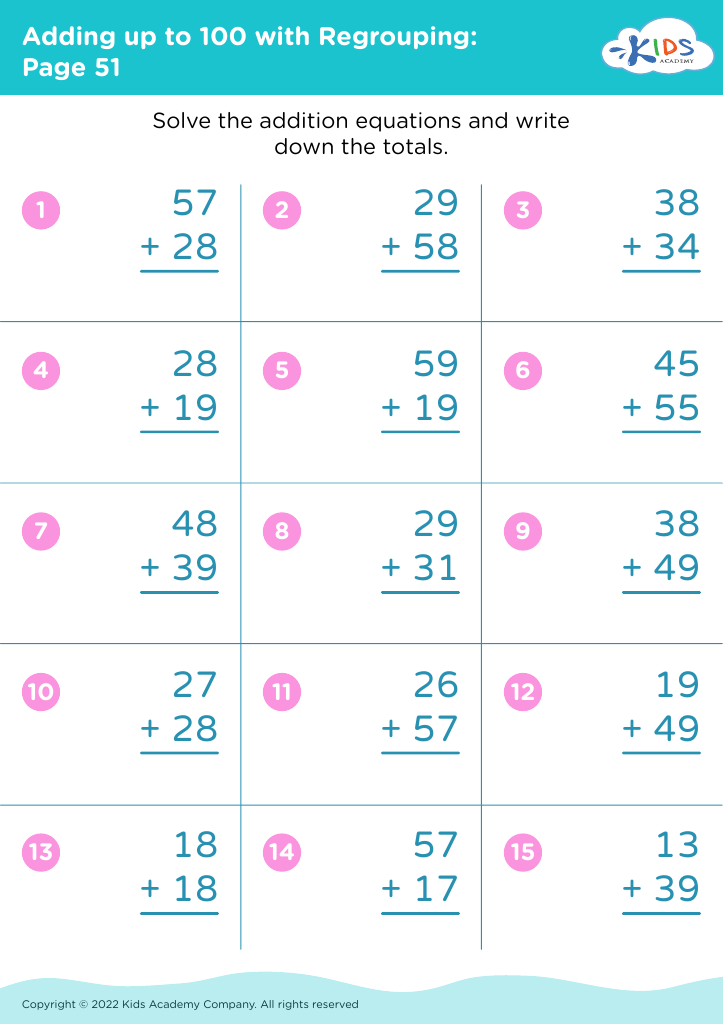
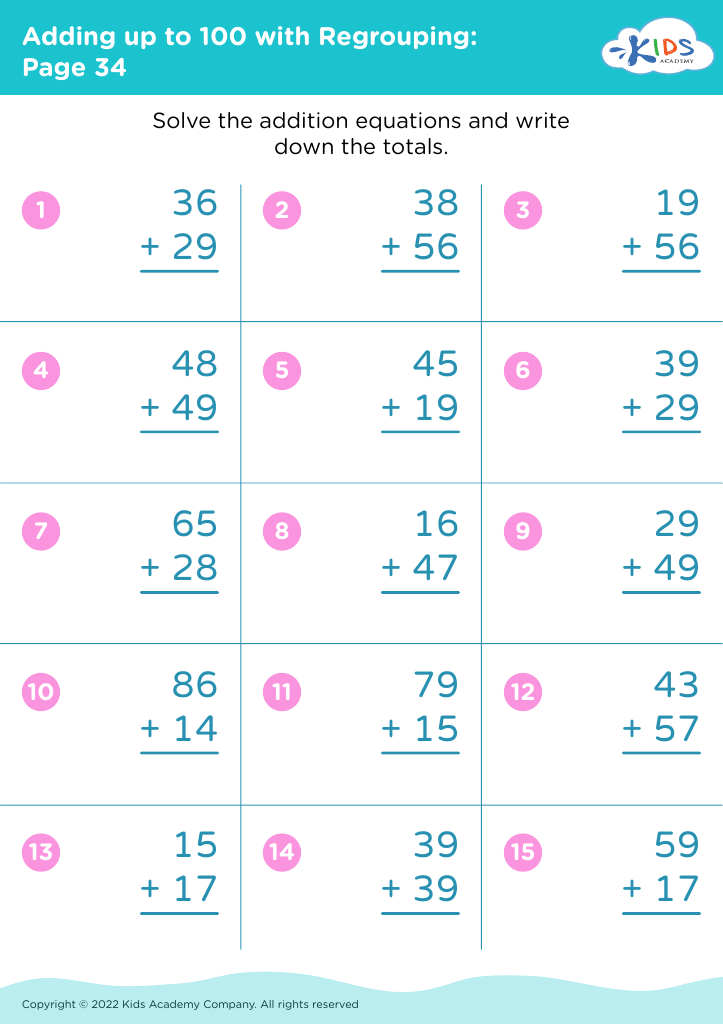
Welcome to our "Practice Problem-Solving Worksheets for Ages 8-9"! Designed specifically for young learners, these engaging worksheets help children develop critical thinking and analytical skills through fun, relatable scenarios. Each worksheet includes a variety of problems that challenge students to use their reasoning abilities, encouraging a deeper understanding of math concepts and fostering a love for problem-solving. With colorful illustrations and grade-appropriate exercises, these resources make learning enjoyable and effective. Perfect for classroom use, homeschooling, or extra practice at home, our worksheets aim to empower kids as confident problem solvers. Explore our collection today and watch your child thrive!
Favorites
With answer key
Interactive
Join Kids Academy for Free
Who is primarily going to use this learning content?








Parents and teachers should emphasize problem-solving practice for children ages 8-9, as this is a critical period for cognitive, emotional, and social development. At this age, children are transitioning from concrete to more abstract thinking, which enhances their ability to understand and analyze complex situations. Problem-solving skills equip children with the tools to confront challenges effectively, fostering resilience and adaptability.
Engaging in problem-solving activities also promotes critical thinking, allowing children to assess scenarios, consider different perspectives, and derive solutions. These skills are foundational not just in academic contexts but are essential in everyday life situations, facilitating informed decision-making.
Moreover, practicing problem-solving in collaborative settings can enhance communication and teamwork abilities—traits vital for successful relationships and careers in the future. Resolution of challenges through experimentation and discussion encourages a growth mindset, instilling confidence as children learn to approach difficulties positively.
Additionally, focusing on problem-solving helps cultivate curiosity and creativity, empowering children to explore their environment and propose innovative ideas. As education becomes increasingly centered on critical skills for the 21st century, parents and teachers play a crucial role in nurturing these capacities, ensuring that children are prepared for both academic and life challenges ahead.








