Reading fluency Worksheets for Ages 8-9
3 filtered results
-
From - To
Enhance your child's reading proficiency with our comprehensive reading fluency worksheets designed specifically for ages 8-9. These engaging worksheets support the development of speed, accuracy, and expression in reading, helping young learners break through any challenges they may face. With a diverse range of activities, including timed reading exercises and phrase drills, children can practice and improve their skills at their own pace. Tailored to align with educational standards, our resources make learning fun and effective. Elevate your child's reading experience and boost their confidence with our user-friendly, printable worksheets today! Explore the magic of reading fluency!
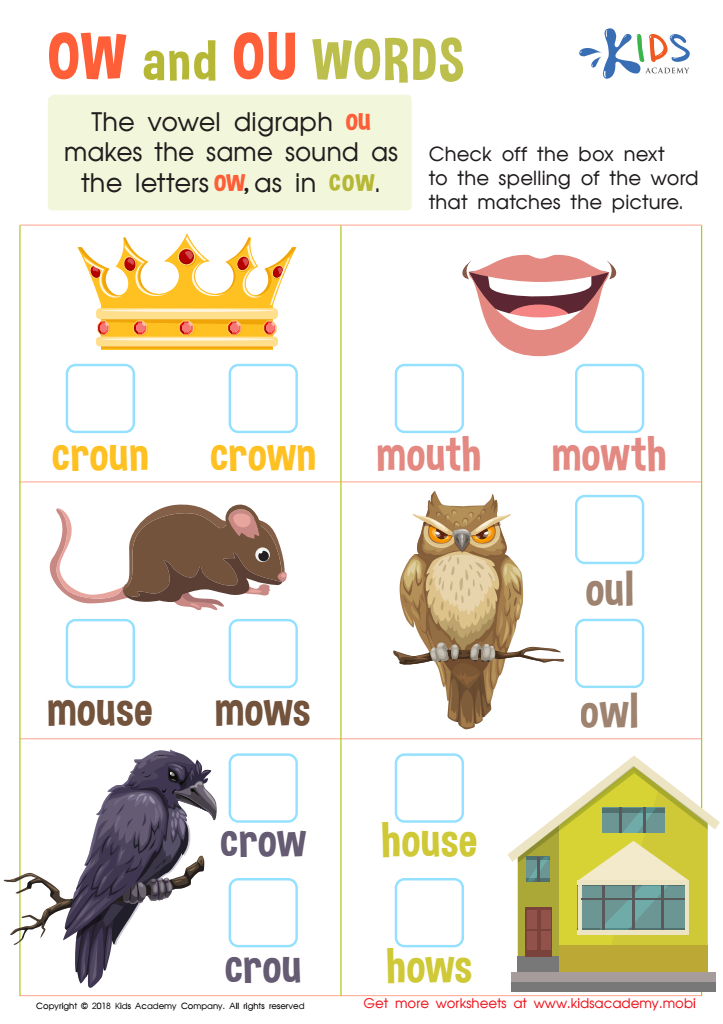
Reading: OW and OU Words Worksheet
 Assign to My Students
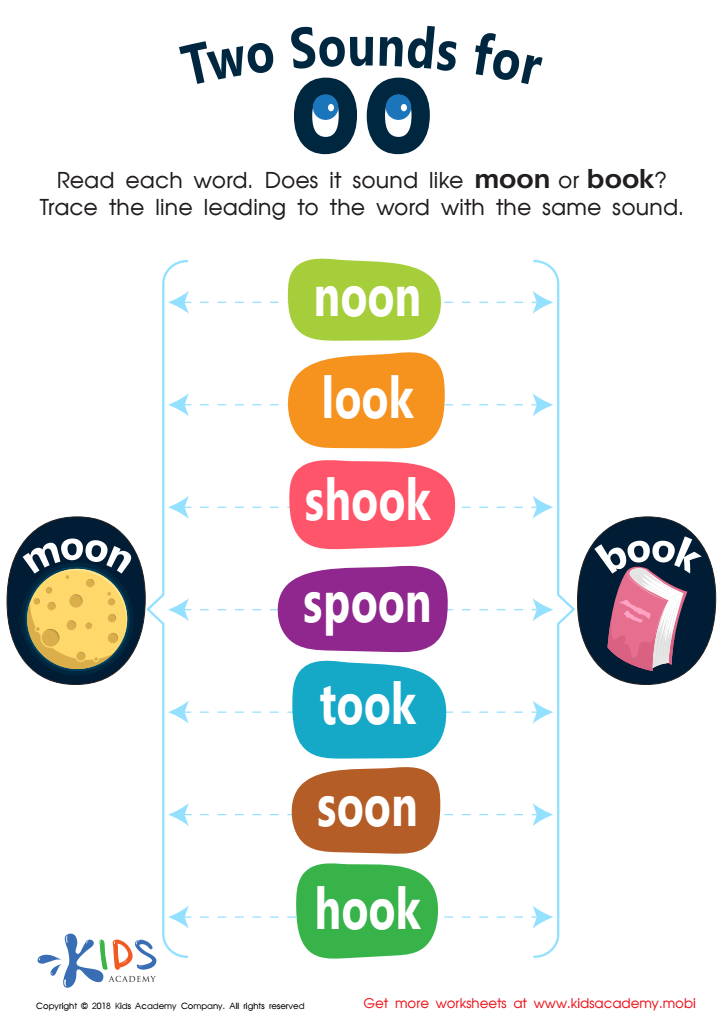
Two Sounds for OO Worksheet
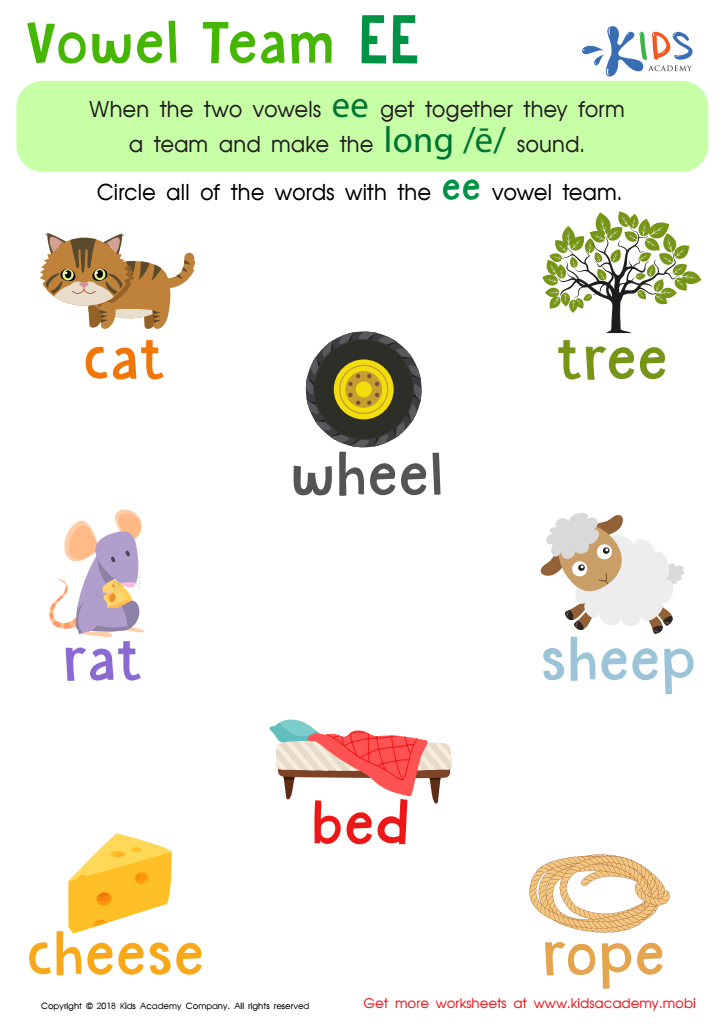
Reading: Vowel Team EE Worksheet


.jpg)


.jpg)

Reading fluency is a crucial aspect of literacy development for children aged 8-9, and both parents and teachers should prioritize it for several reasons. First, fluency, which includes the ability to read smoothly and at an appropriate pace, directly impacts comprehension. When children can read fluently, they can devote more cognitive resources to understanding the text, leading to better overall learning outcomes.
At this age, children are transitioning from learning to read to reading to learn. Strong reading fluency enables them to absorb information across subjects effectively, fostering critical thinking skills necessary for academic success. Moreover, fluency contributes to a child’s confidence and enthusiasm for reading; when children struggle with decoding, they may become frustrated and develop a negative relationship with reading.
Furthermore, enhancing reading fluency can support social-emotional development. Children who are confident readers often engage more in discussions and group activities, cultivating teamwork and communication skills. Parents and teachers can encourage fluency through shared reading, reading aloud, and using tools like fluency passages. It’s essential for parents and educators to work together to create a supportive reading environment, ensuring children develop the skills they need for lifelong literacy and learning.








