Spatial Orientation Worksheets for Ages 8-9
3 filtered results
-
From - To
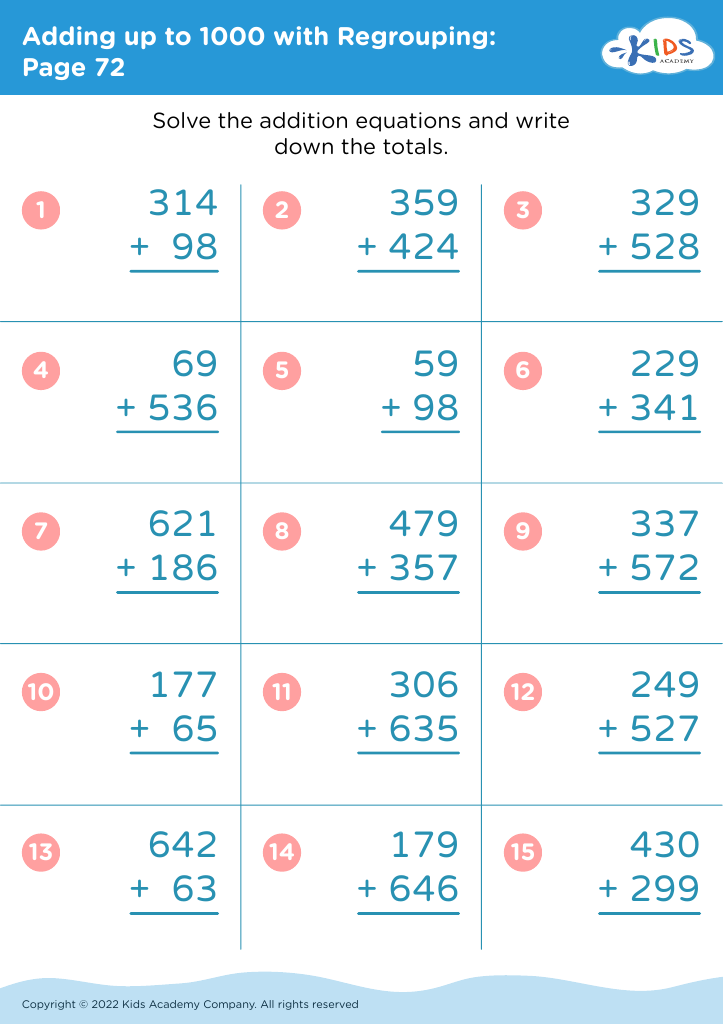
Boost your child's spatial reasoning with our engaging Spatial Orientation Worksheets designed for ages 8-9. Perfect for developing critical learning skills, these worksheets feature fun activities that promote spatial awareness and visual perception. From navigating mazes to interpreting maps and patterns, each worksheet helps children build essential problem-solving skills. Our curriculum-aligned materials support classroom learning and grow your child's confidence in math and science domains. Download, print, and watch your child explore new dimensions of learning, all while having fun! Empower their journey toward academic excellence with our expertly crafted spatial orientation exercises.
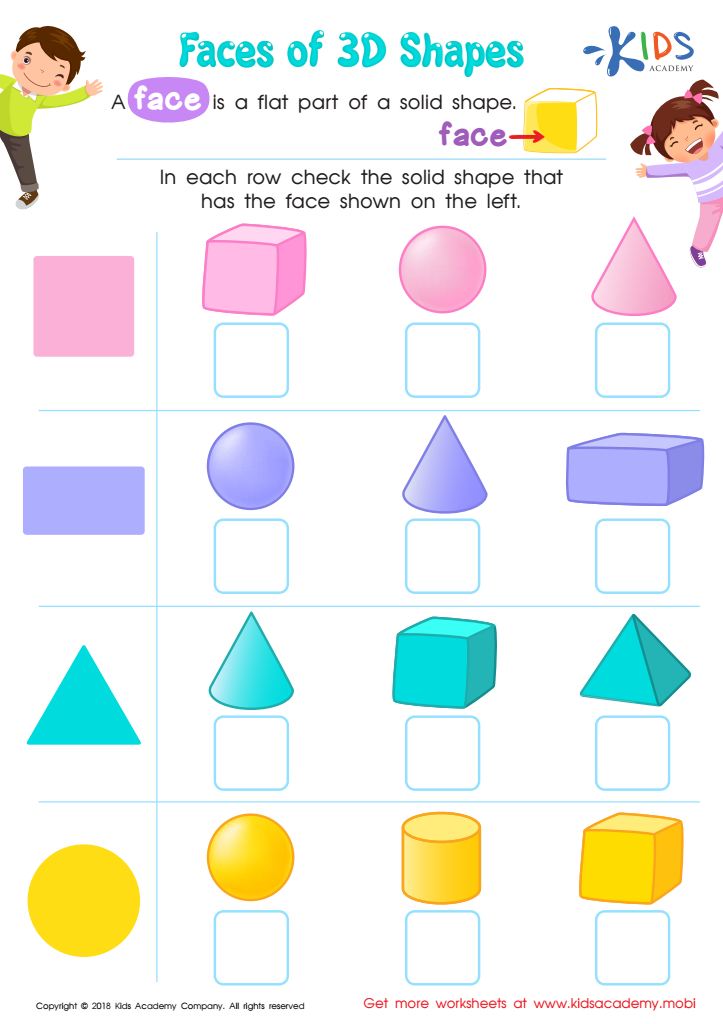
Faces of 3D Shapes Worksheet
 Assign to My Students
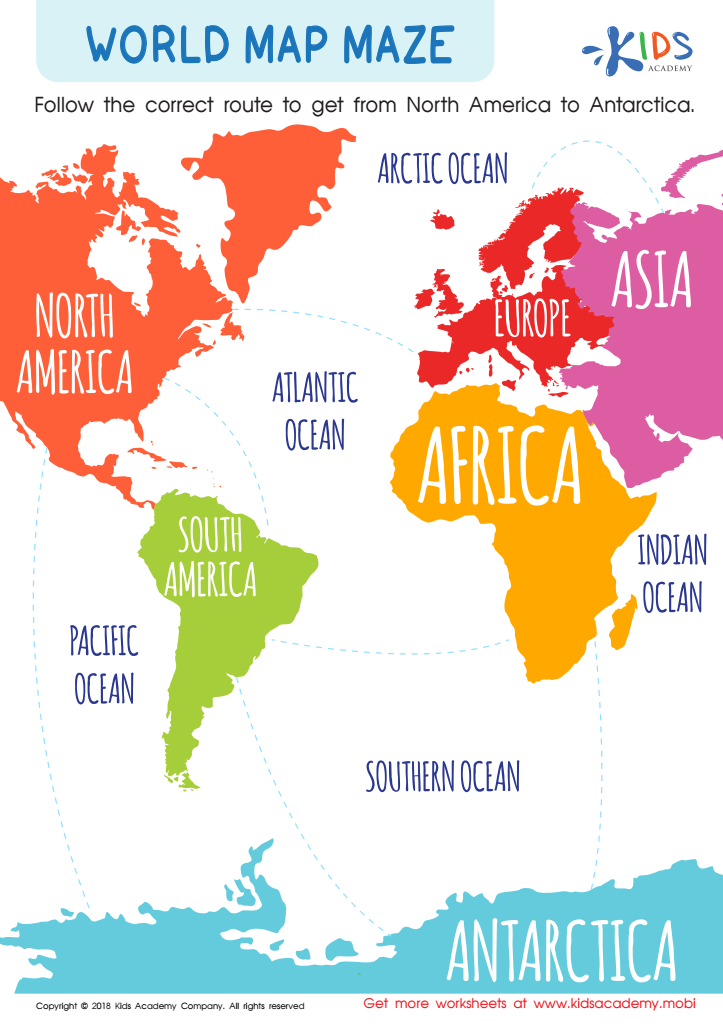
World Map Maze Worksheet


.jpg)




Spatial orientation is a critical component of cognitive development in children ages 8-9, and both parents and teachers should care about fostering this skill for several key reasons. Spatial orientation, the ability to understand and manage the relationships between objects in space, is foundational for tasks in academics and everyday life.
First, spatial skills are strongly linked to success in STEM (Science, Technology, Engineering, and Mathematics) subjects. These subjects frequently require students to visualize and manipulate objects mentally, whether it’s geometry problems in math or understanding maps in geography. Proficiency in spatial orientation translates to improved problem-solving and analytical skills, which are crucial for future academic success.
Second, spatial awareness enhances physical coordination and safety. Children more capable of judging distances and spatial relationships are better at navigating their physical environment, which helps prevent accidents during activities like sports, playing, or even simple daily tasks like riding a bike.
Third, spatial orientation is integral to reading and writing. Understanding how letters and words are formed, relate to each other, and fit on a page involves spatial processing. For children struggling with reading or handwriting, improved spatial skills can make a notable difference.
Therefore, by actively engaging in activities and games that promote spatial orientation, parents and teachers can significantly support a child’s intellectual growth and practical daily functioning, ensuring well-rounded development.








