Tracing practice Worksheets for Ages 8-9
3 filtered results
-
From - To
Boost your child's writing skills with our Tracing Practice Worksheets designed specifically for ages 8-9! These engaging resources help young learners refine their fine motor skills and improve handwriting by tracing letters, numbers, and shapes. Each worksheet features fun and colorful illustrations that captivate children's attention, making learning enjoyable. Featuring progressive difficulty levels, these worksheets cater to every child's learning pace while enhancing their concentration and confidence. Perfect for home or classroom use, our tracing practice worksheets support essential literacy development. Download your free worksheets today and watch your child flourish in their writing abilities!
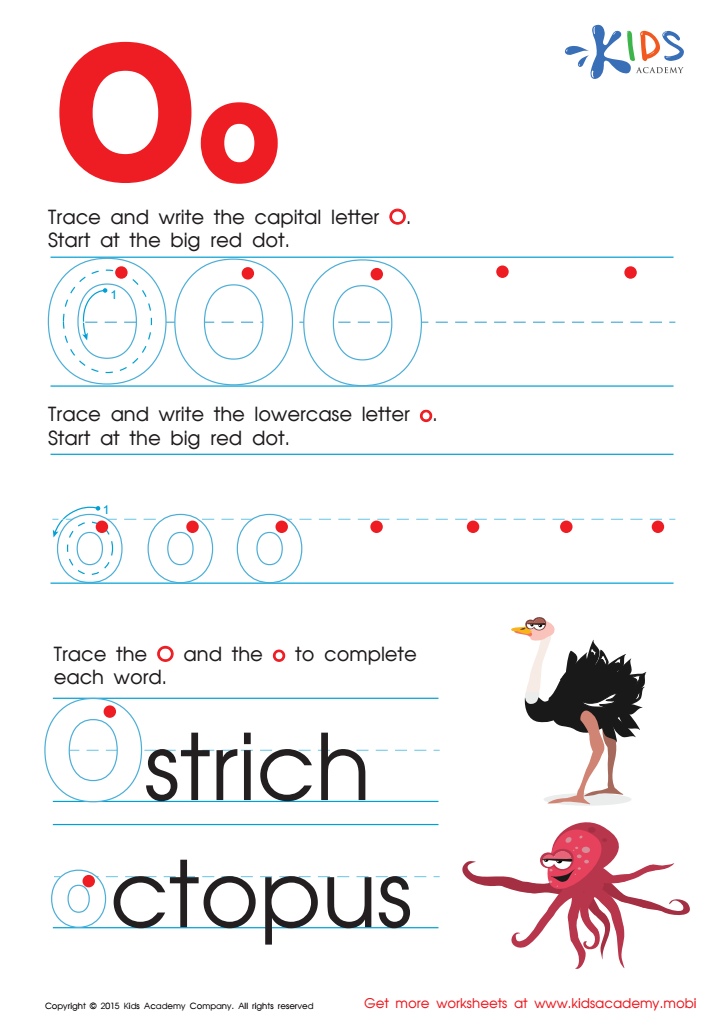
Letter O Tracing Page
 Assign to My Students
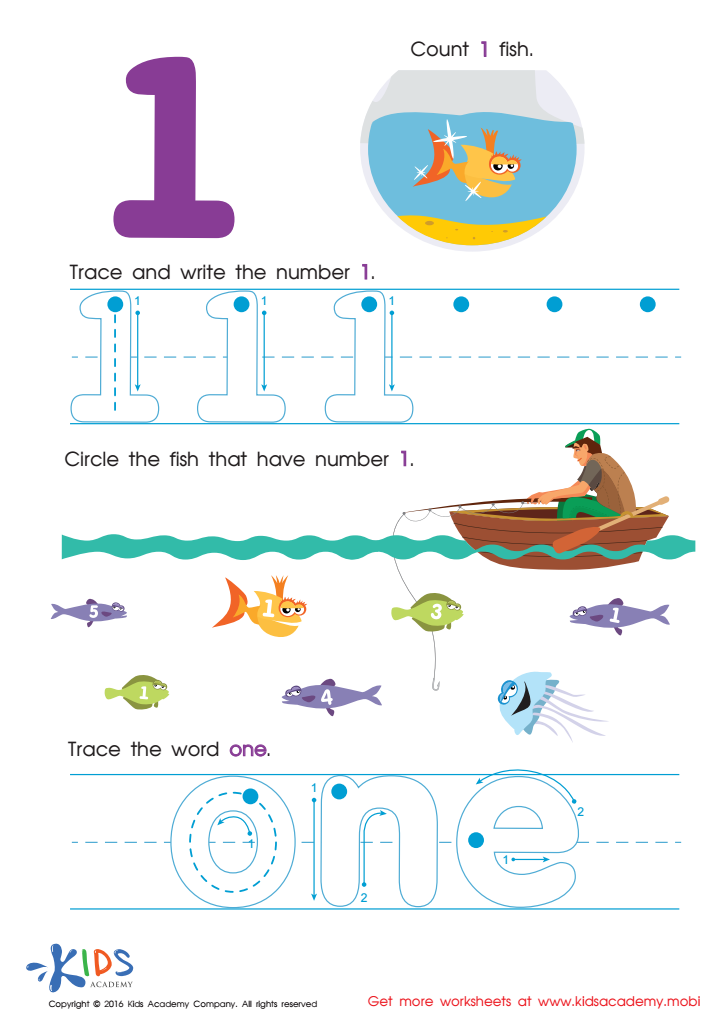
Learning to Write 1 Worksheet
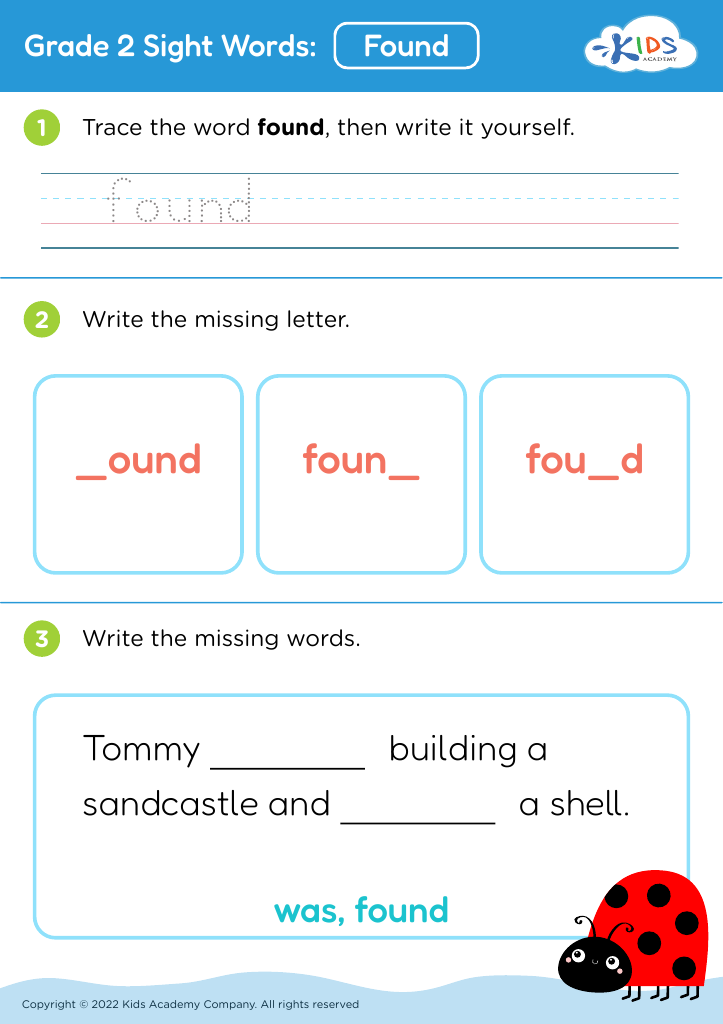






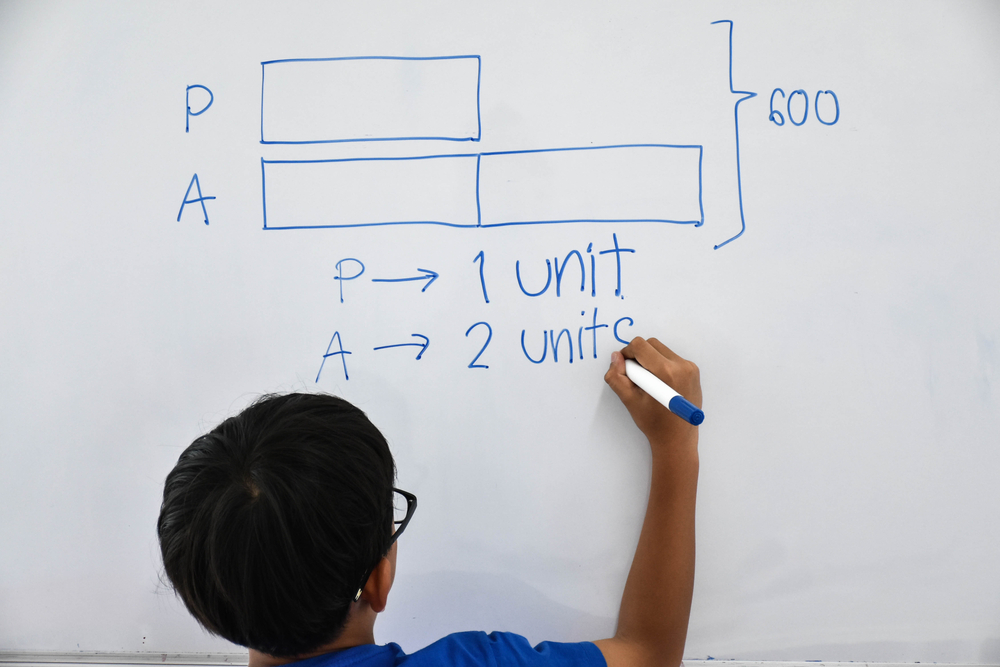

Tracing practice for children aged 8-9 is an essential skill that supports multiple areas of development. Firstly, it enhances fine motor skills, which are crucial for effective writing proficiency. As children trace letters and shapes, they develop the muscle control necessary for handwriting, resulting in neater, more legible work.
Moreover, tracing reinforces cognitive development. By following predefined lines, children improve their understanding of spatial relationships, shapes, and patterns. This practice encourages visual-perceptual skills, an important foundation for later mathematical concepts and overall academic performance.
Additionally, tracing can support literacy development. It familiarizes children with letter formation and syntax, contributing to a stronger grasp of reading and writing fundamentals. By repeatedly tracing letters and words, children enhance memory retention, vital for language acquisition.
Lastly, tracing can be an enjoyable and motivating activity. It offers an opportunity for creativity and expression, which can foster a love for learning. Engaging in tracing activities can also bolster a child’s self-esteem as they progress and see improvement in their skills.
In summary, tracing practice not only builds essential skills necessary for academic success but also encourages a positive and enjoyable learning experience for young learners.








