Check out this FREE "Understanding fractions" Trial Lesson for age 8-9!

T

Favorites
With answer key
Interactive
  • 8-9
  • Understanding fractions
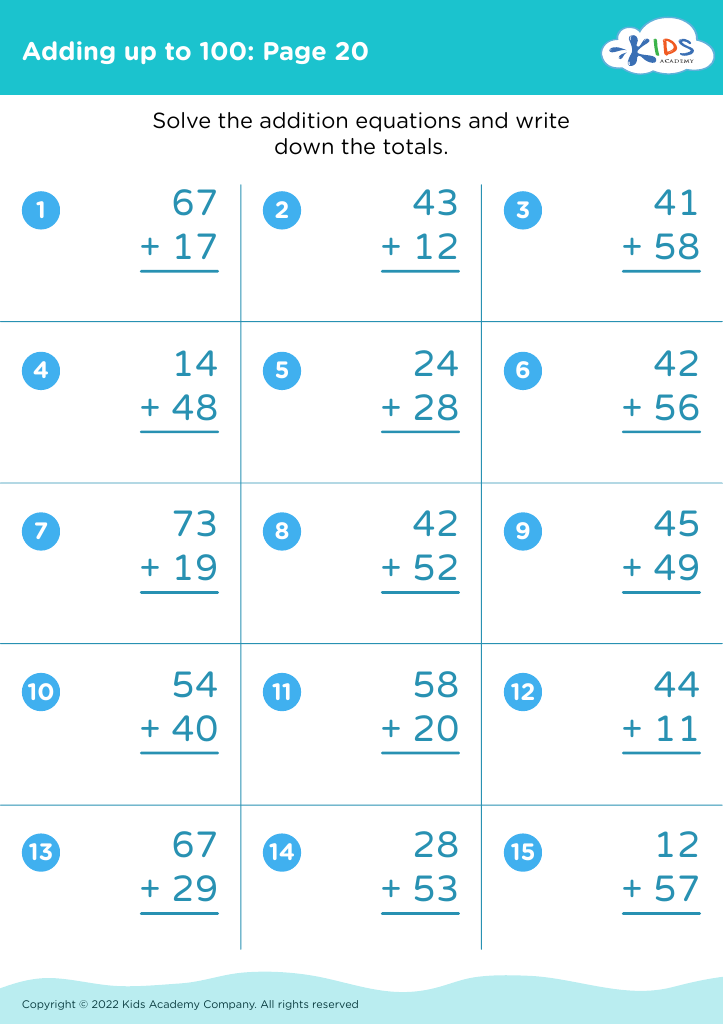
Adding up to 100: Page 20

Adding up to 100: Page 20

Adding up to 100: Page 20
Worksheet
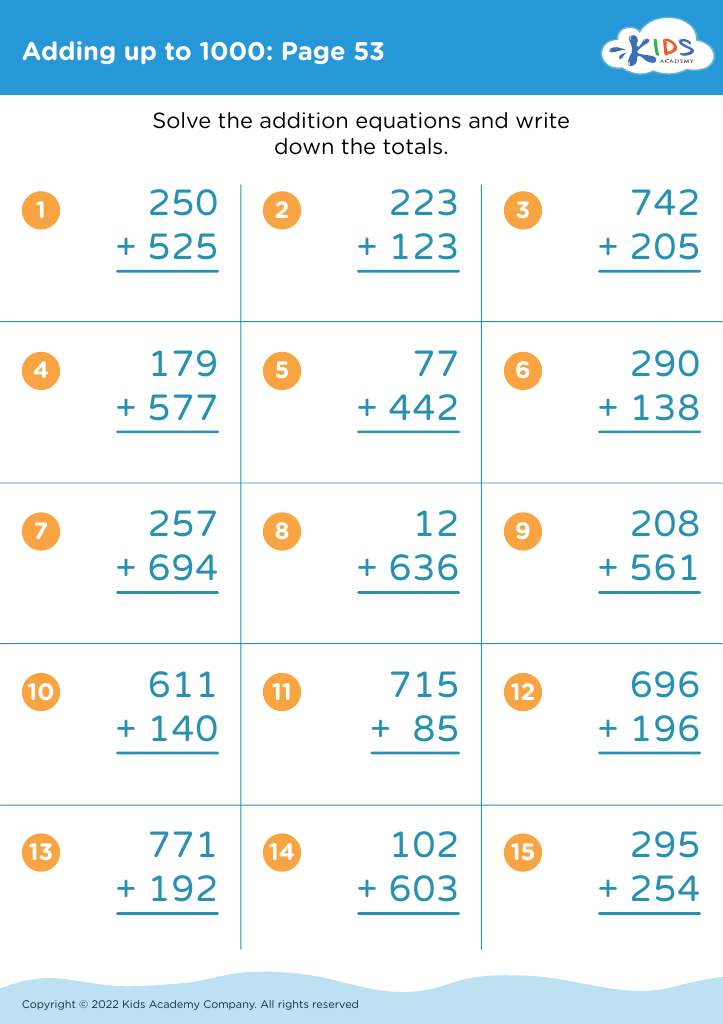
Adding up to 1000: Page 53

Adding up to 1000: Page 53

Adding up to 1000: Page 53
Worksheet
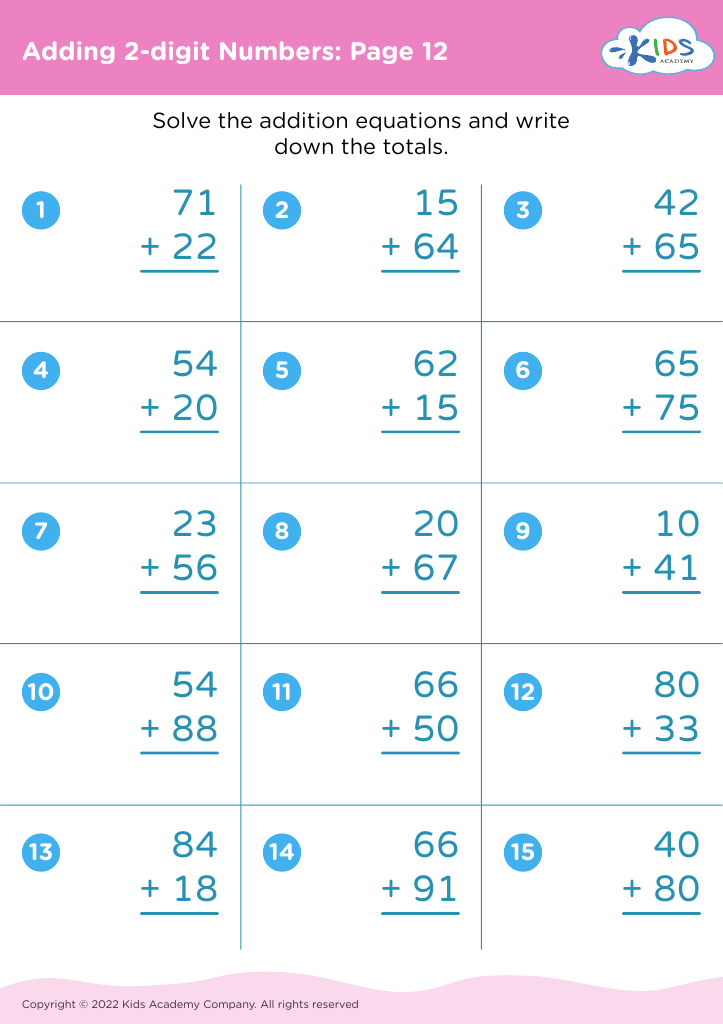
Adding 2-digit Numbers: Page 12

Adding 2-digit Numbers: Page 12

Adding 2-digit Numbers: Page 12
Worksheet
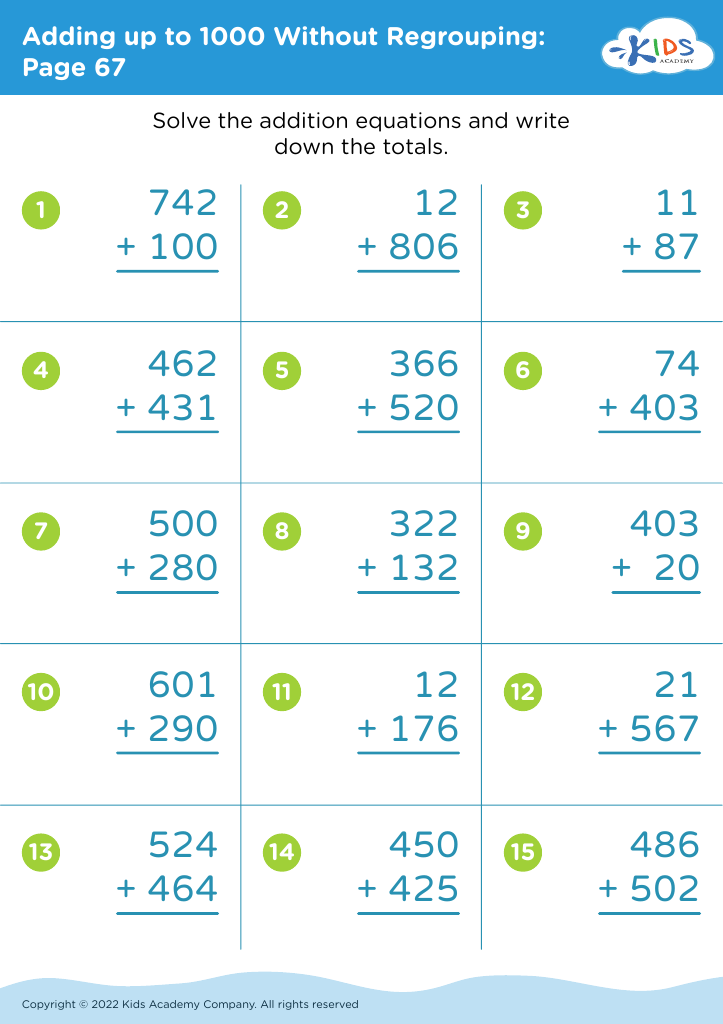
Adding up to 1000 Without Regrouping: Page 67
Worksheet
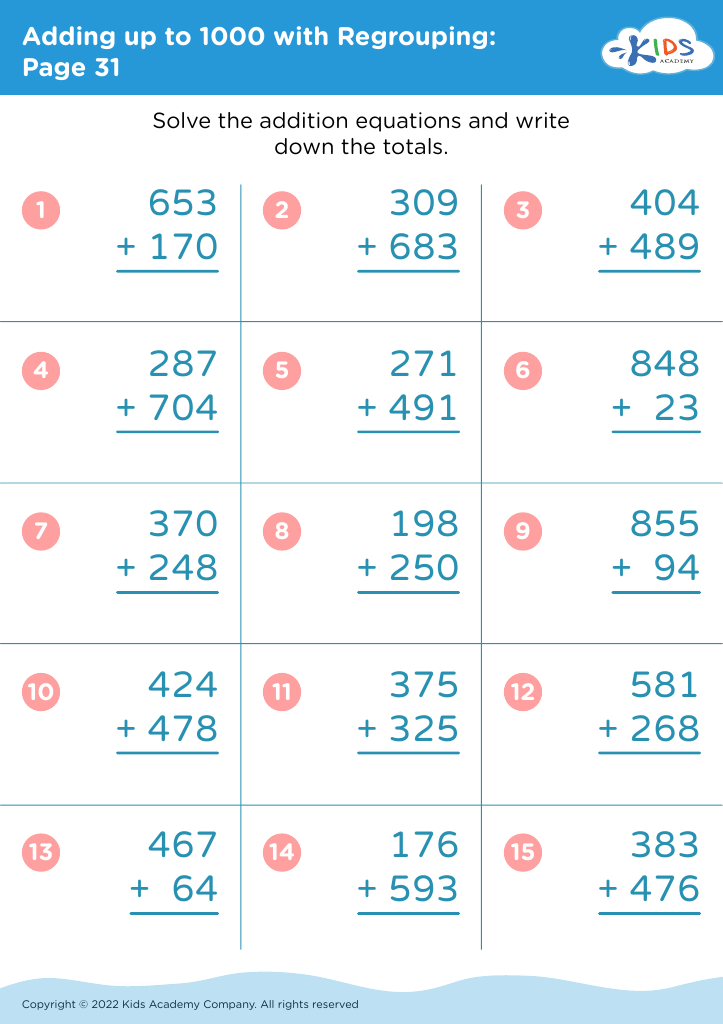
Adding up to 1000 with Regrouping: Page 31
Worksheet
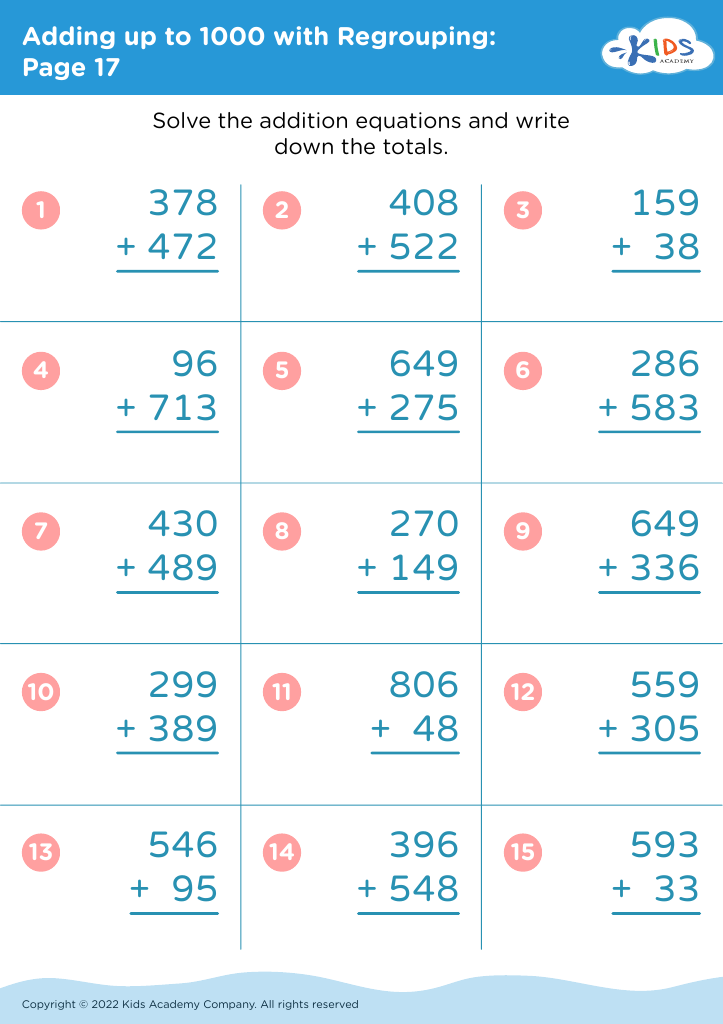
Adding up to 1000 with Regrouping: Page 17
Worksheet
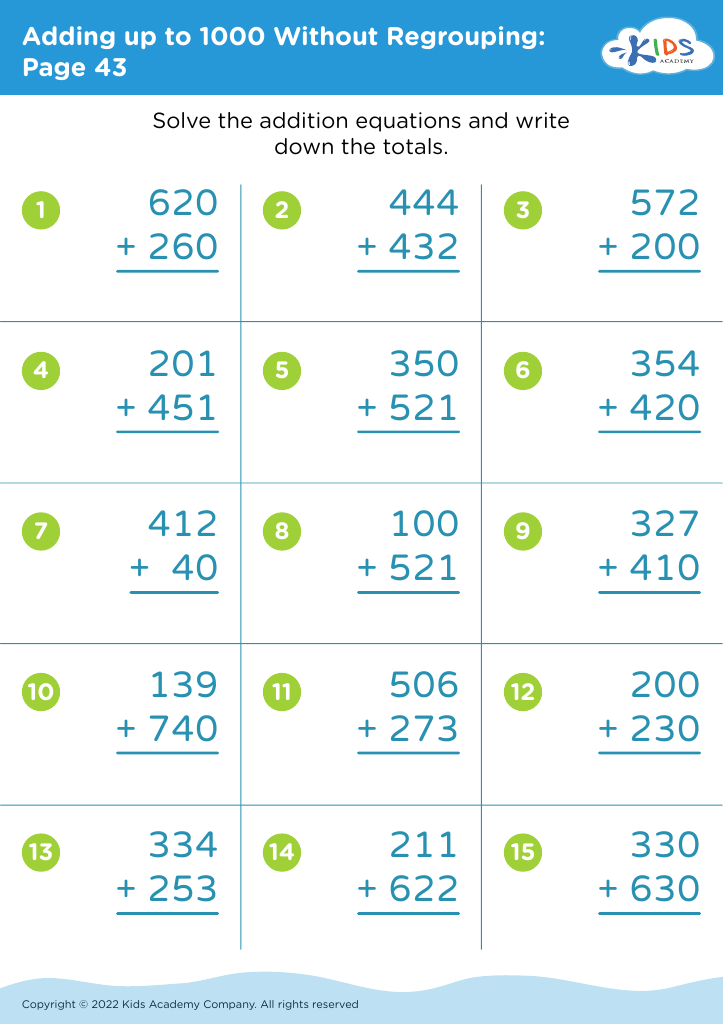
Adding up to 1000 Without Regrouping: Page 43
Worksheet
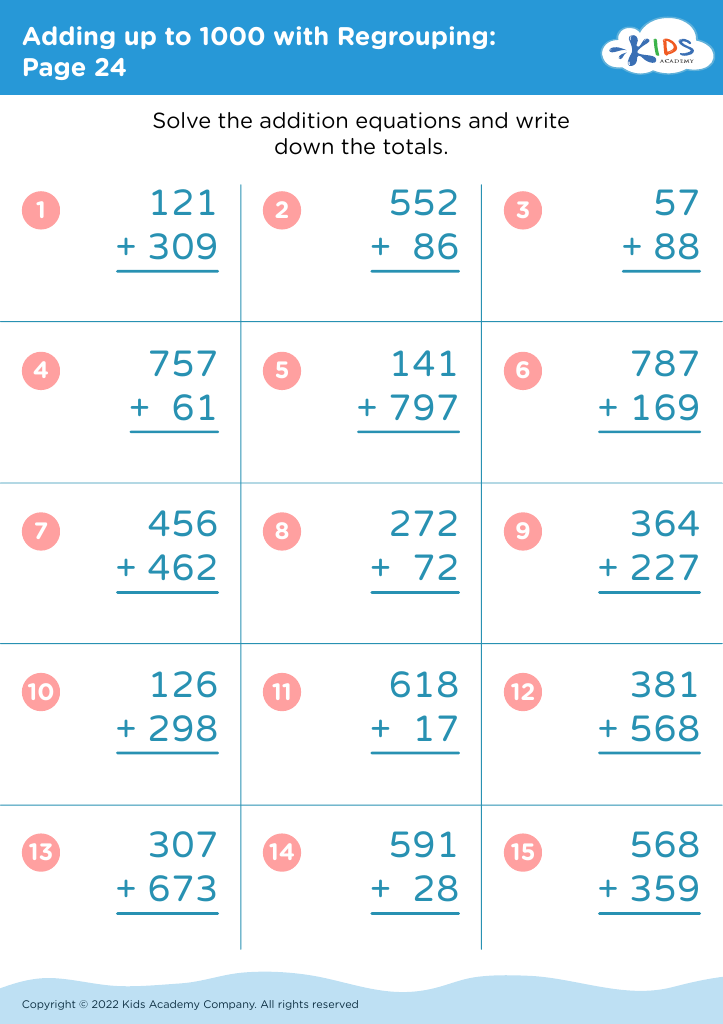
Adding up to 1000 with Regrouping: Page 24
Worksheet
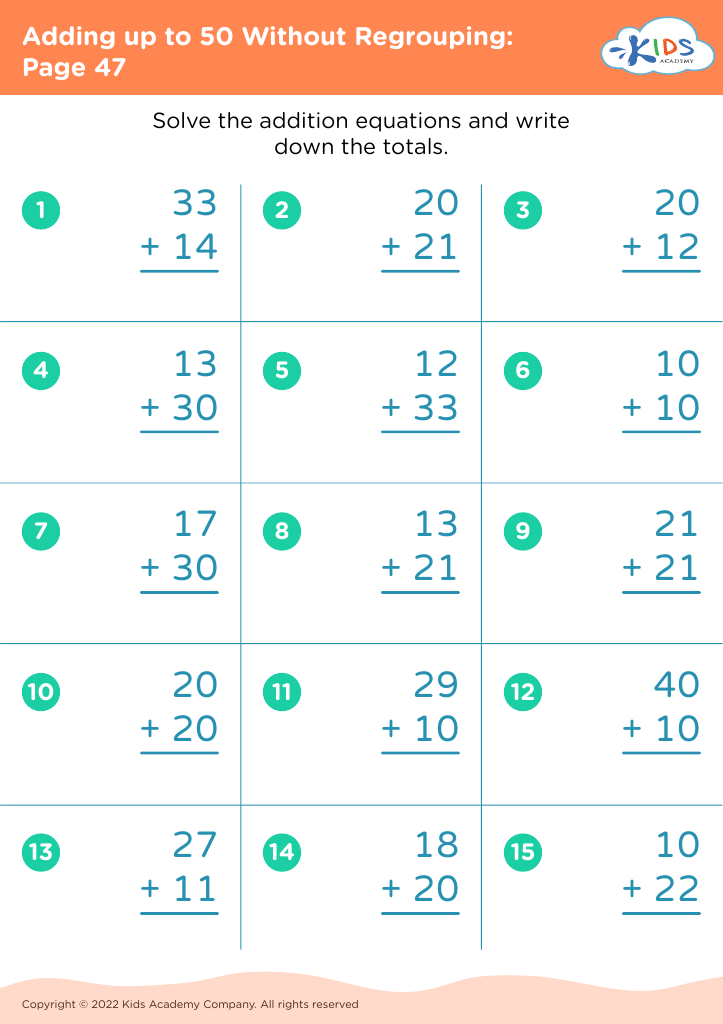
Adding up to 50 Without Regrouping: Page 47
Worksheet
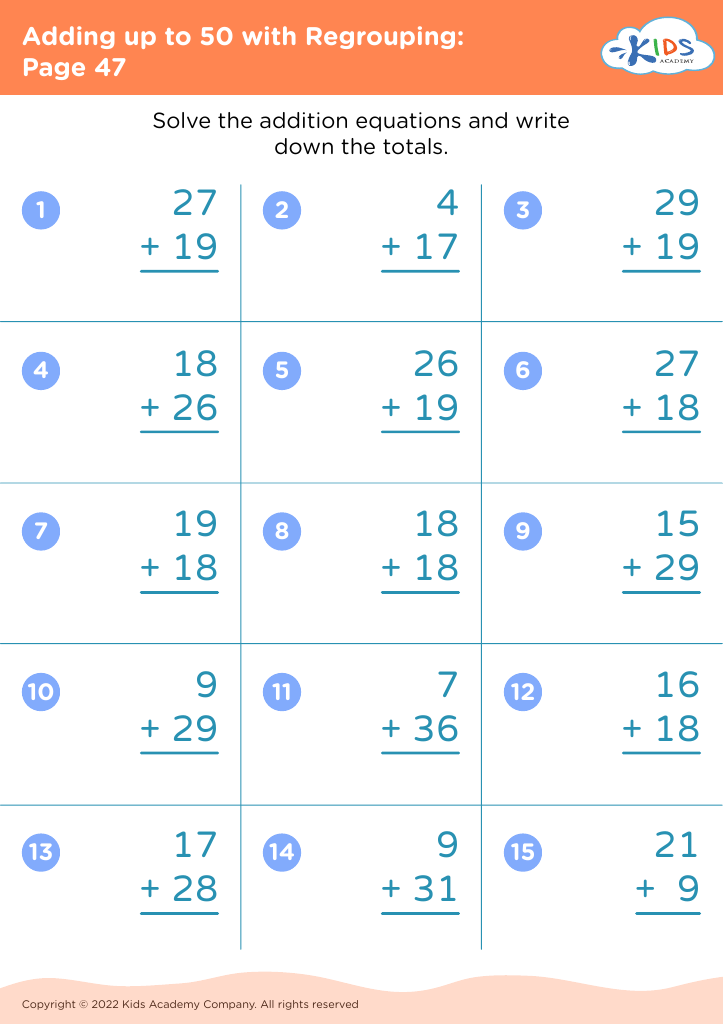
Adding up to 50 with Regrouping: Page 47
Worksheet
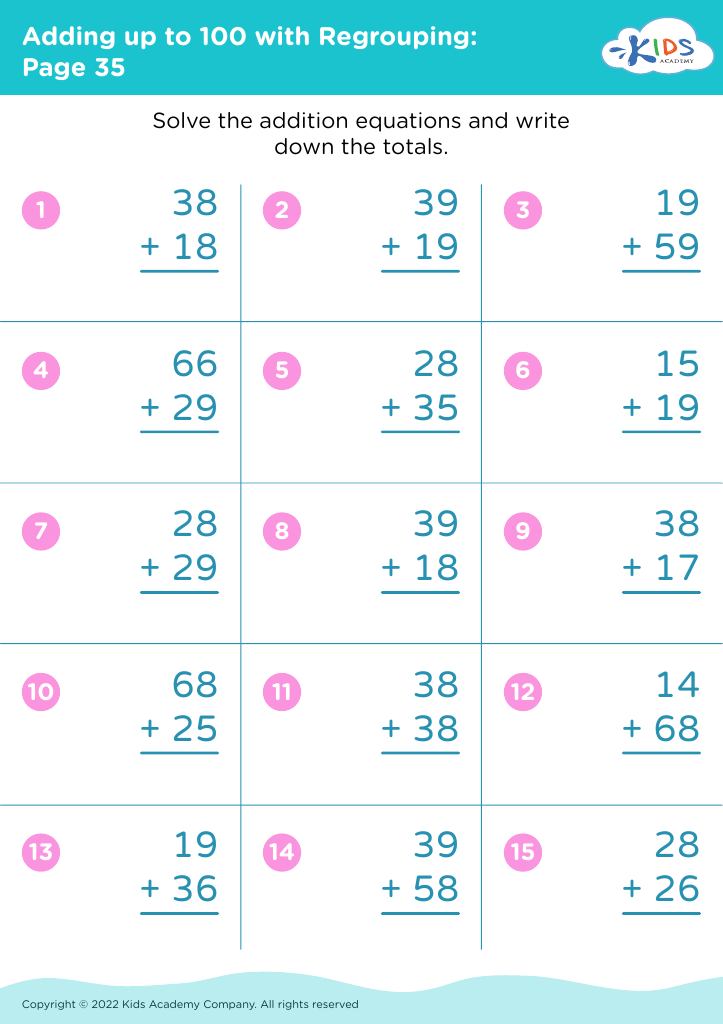
Adding up to 100 with Regrouping: Page 35
Worksheet
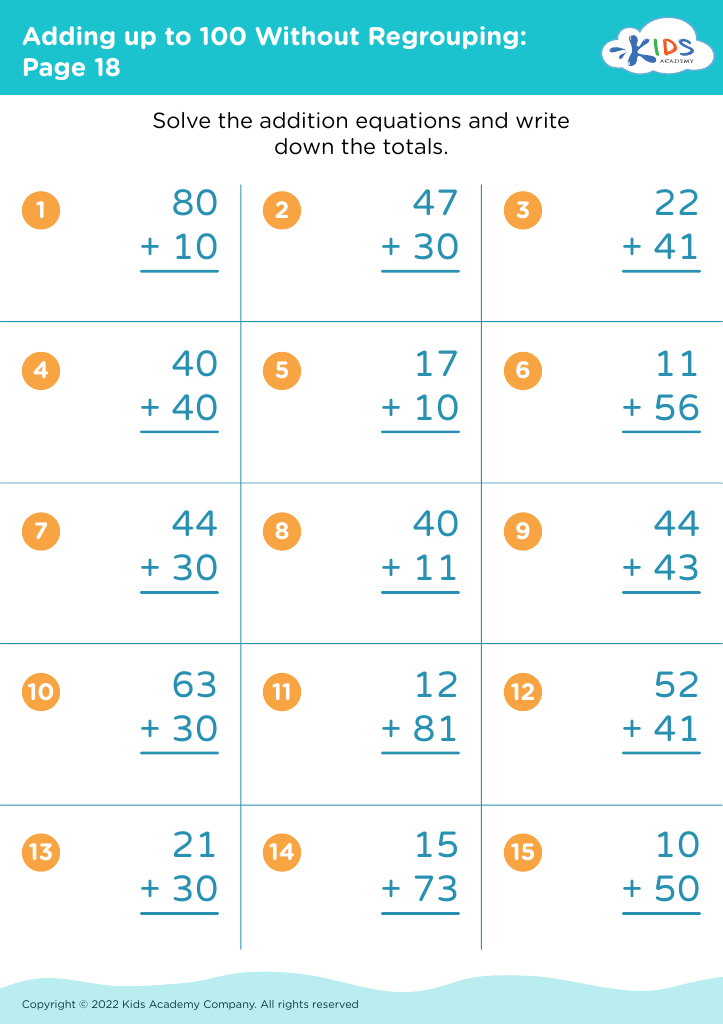
Adding up to 100 Without Regrouping: Page 18
Worksheet
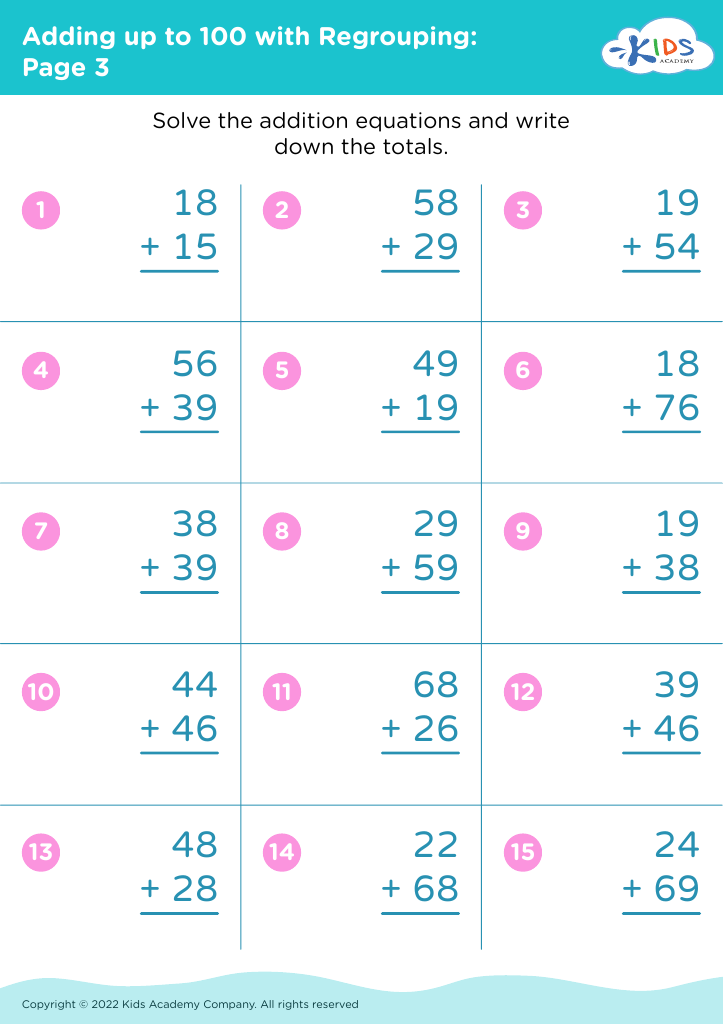
Adding up to 100 with Regrouping: Page 3
Worksheet
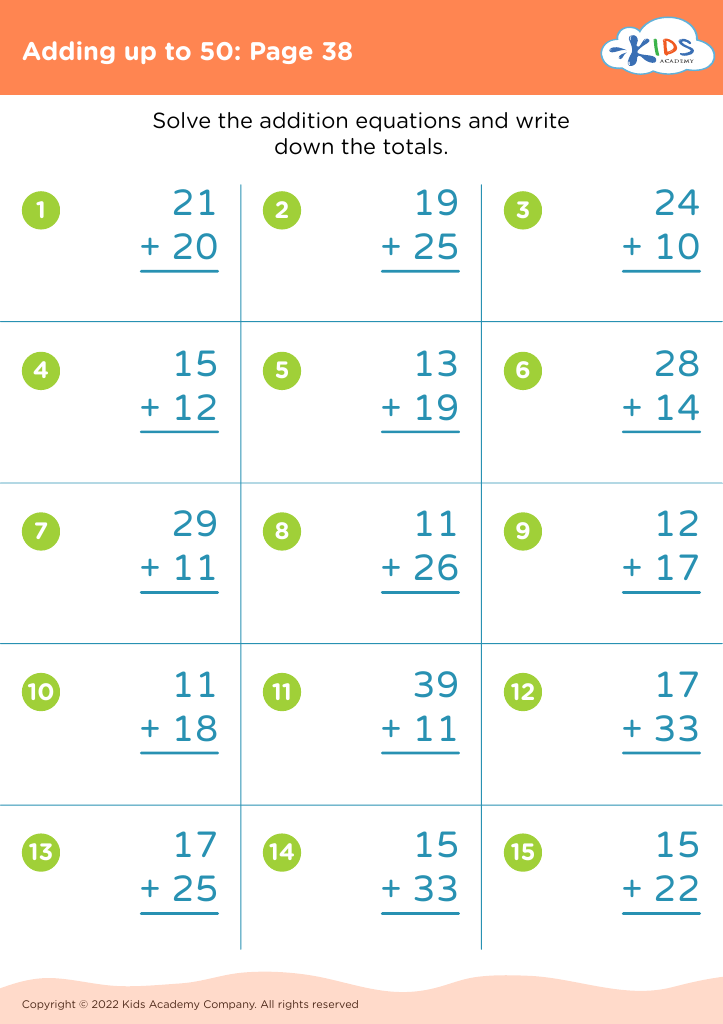
Adding up to 50: Page 38

Adding up to 50: Page 38

Adding up to 50: Page 38
Worksheet
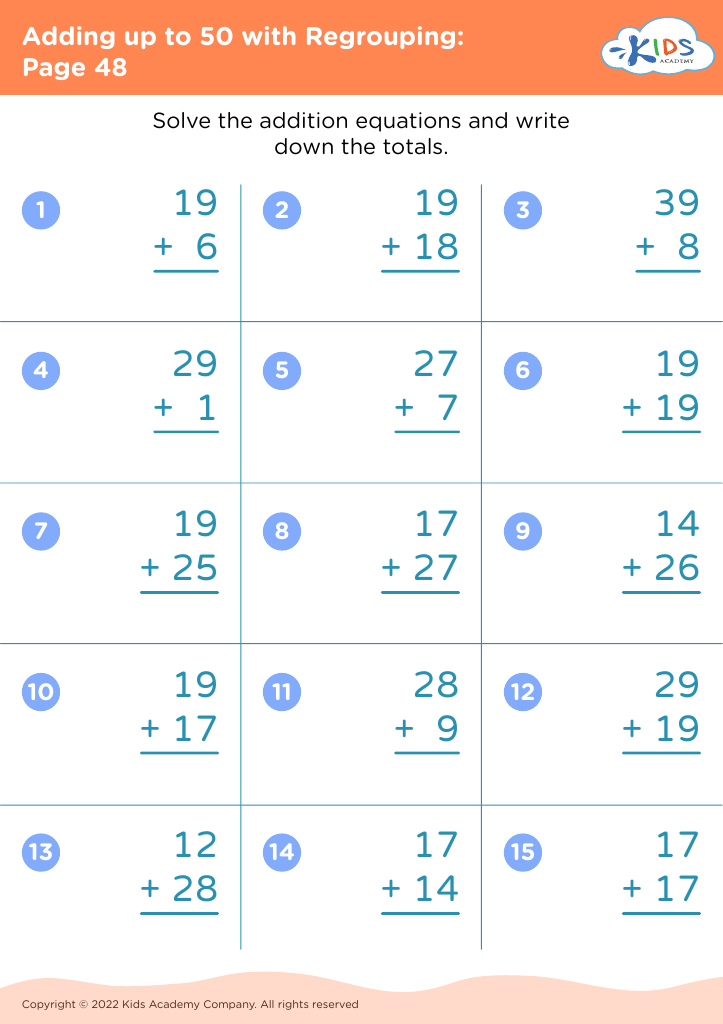
Adding up to 50 with Regrouping: Page 48
Worksheet
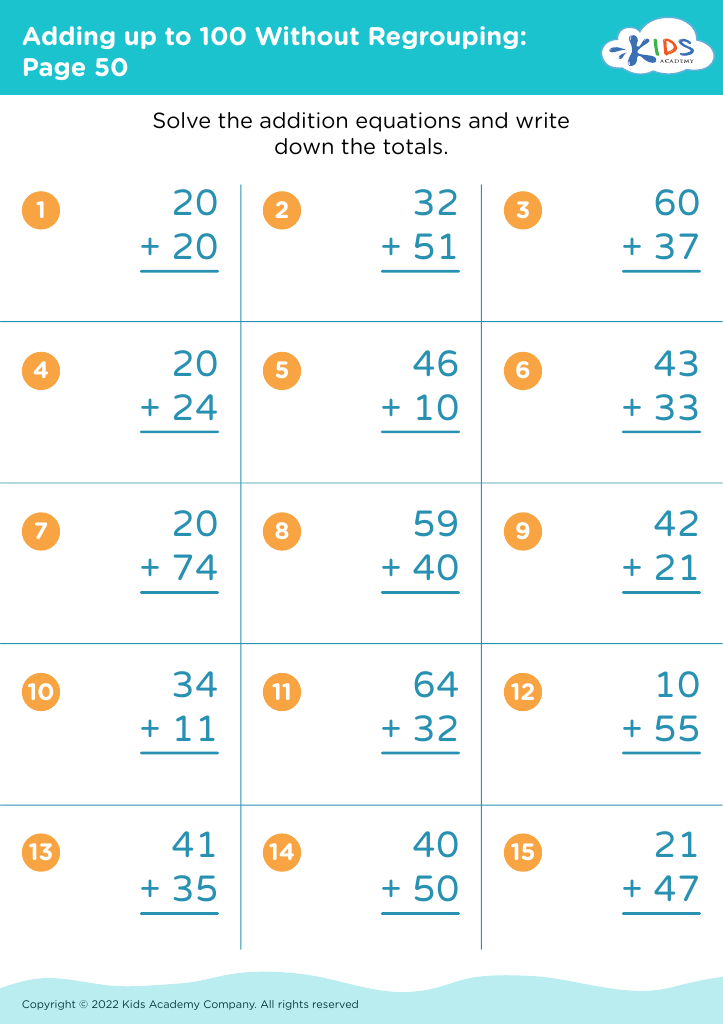
Adding up to 100 Without Regrouping: Page 50
Worksheet
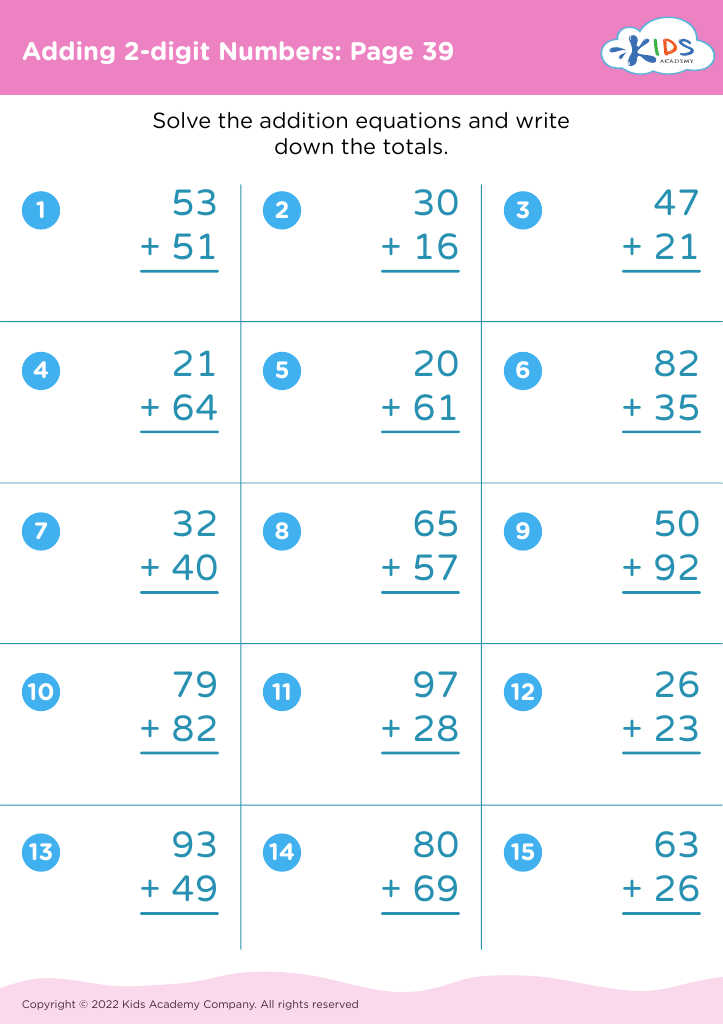
Adding 2-digit Numbers: Page 39

Adding 2-digit Numbers: Page 39

Adding 2-digit Numbers: Page 39
Worksheet
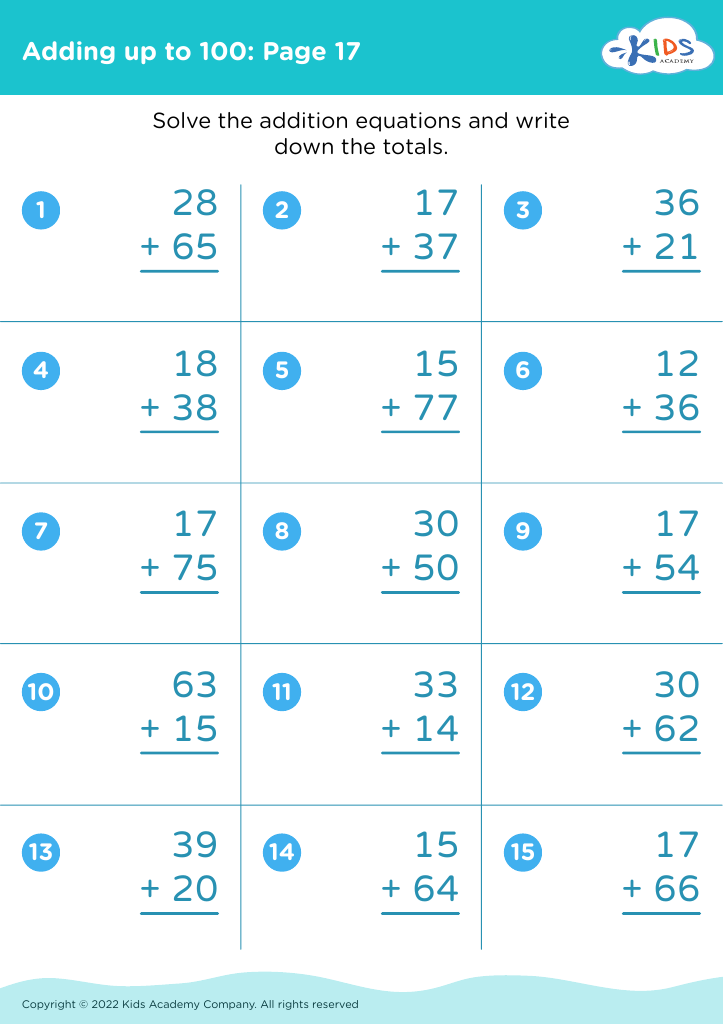
Adding up to 100: Page 17

Adding up to 100: Page 17

Adding up to 100: Page 17
Worksheet
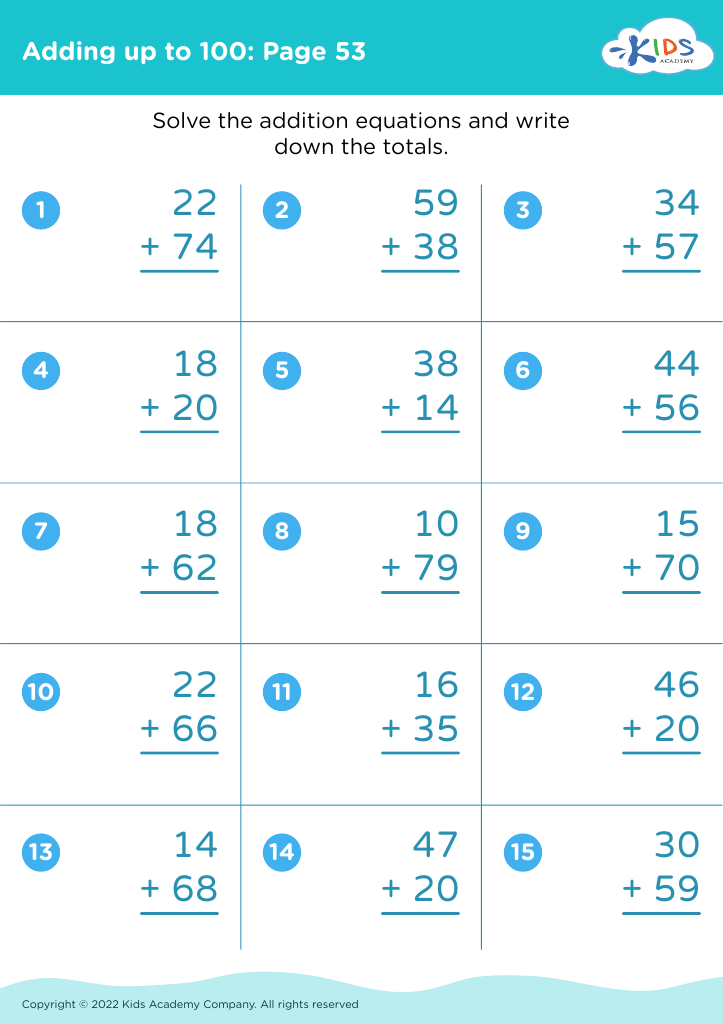
Adding up to 100: Page 53

Adding up to 100: Page 53

Adding up to 100: Page 53
Worksheet
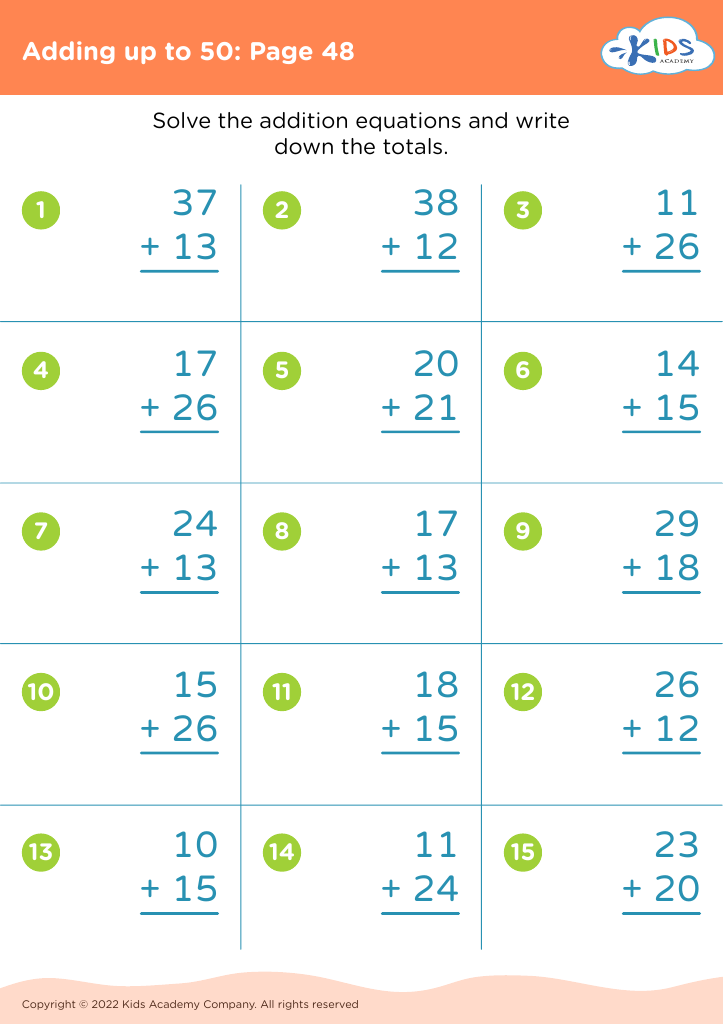
Adding up to 50: Page 48

Adding up to 50: Page 48

Adding up to 50: Page 48
Worksheet
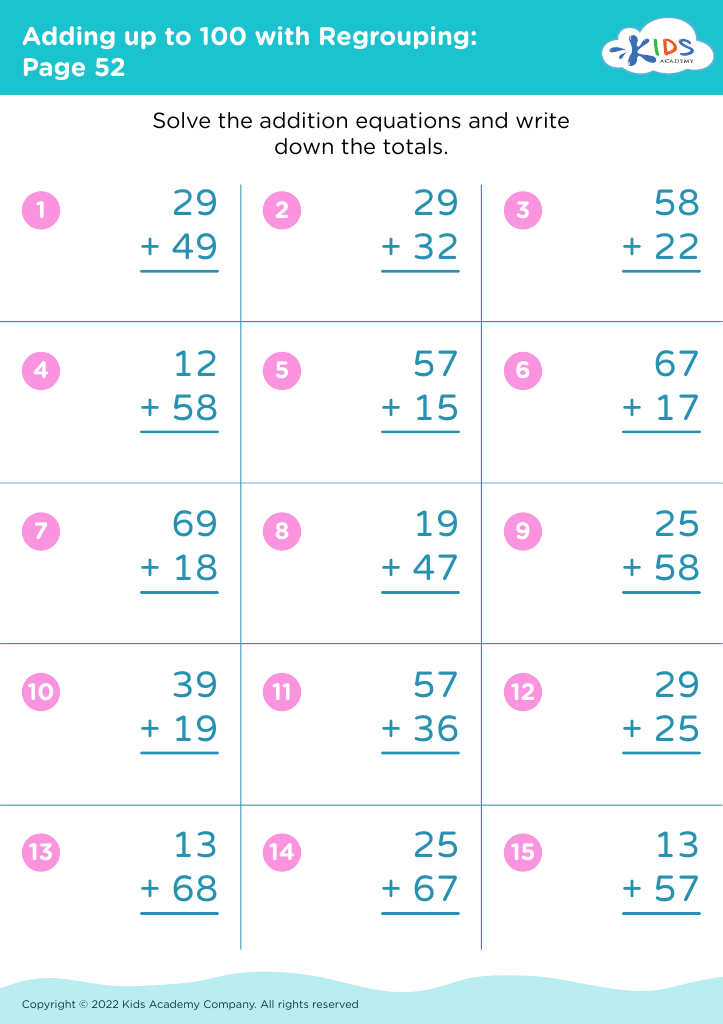
Adding up to 100 with Regrouping: Page 52
Worksheet
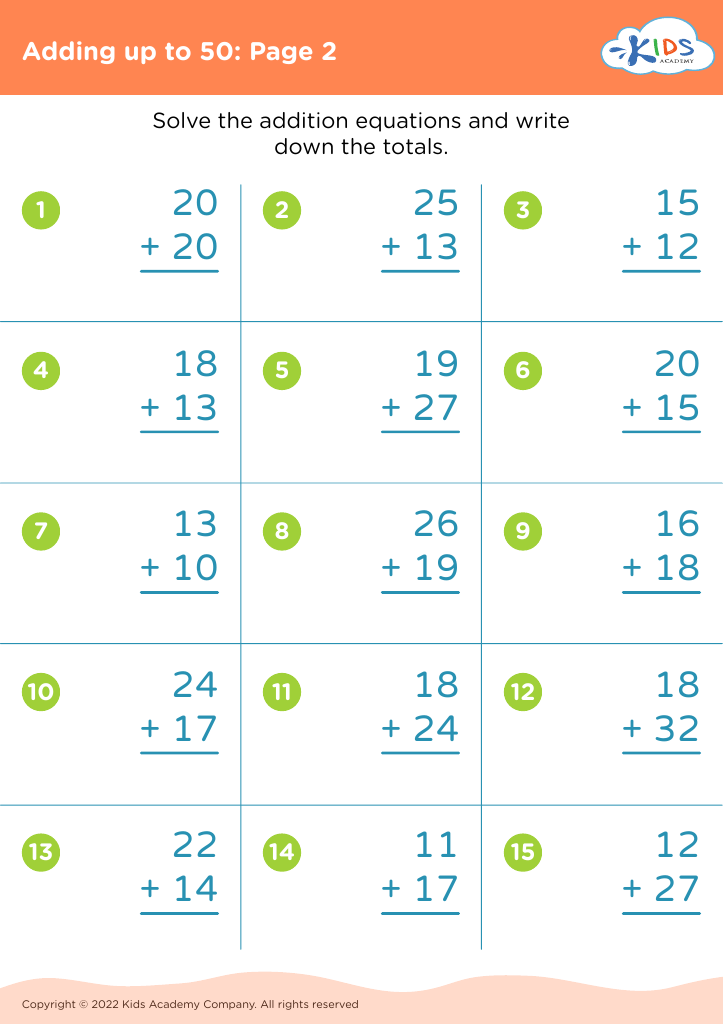
Adding up to 50: Page 2

Adding up to 50: Page 2

Adding up to 50: Page 2
Worksheet
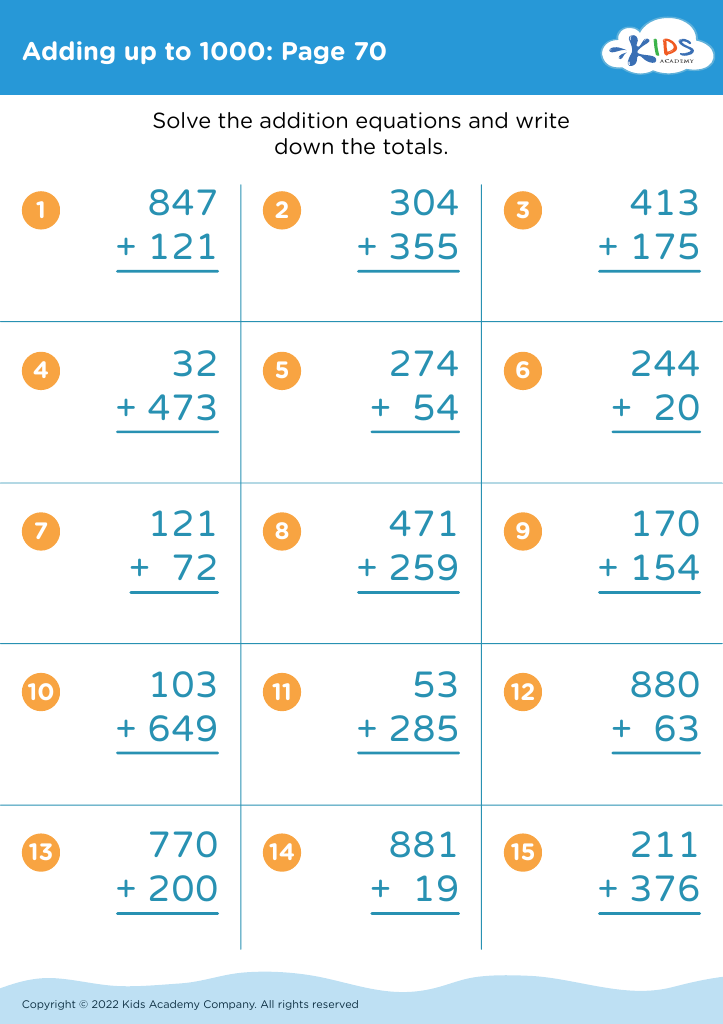
Adding up to 1000: Page 70

Adding up to 1000: Page 70

Adding up to 1000: Page 70
Worksheet
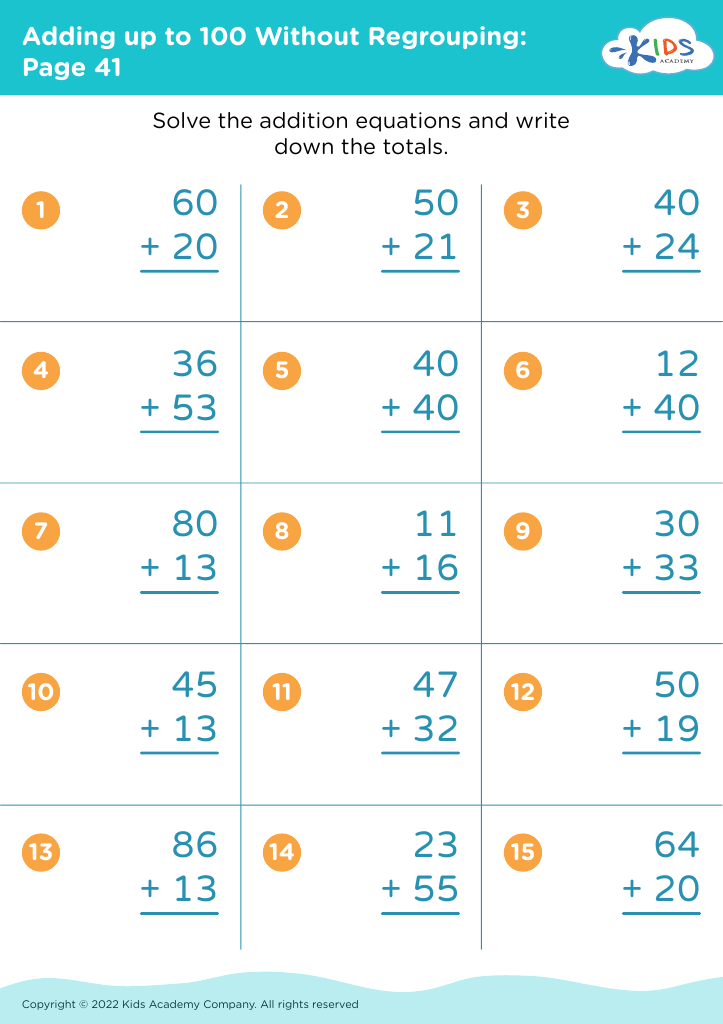
Adding up to 100 Without Regrouping: Page 41
Worksheet


Understanding fractions is crucial for children aged 8-9 as it serves as a foundational skill for their mathematical development and everyday life. At this age, children transition from basic arithmetic to more complex mathematical concepts. Grasping fractions enhances critical thinking skills, encourages problem-solving abilities, and builds a solid groundwork for advanced topics such as ratios, proportions, and percentages, encountered in later grades.

Moreover, fractions are not limited to math class; they are applicable in real-world scenarios, such as cooking, budgeting, and understanding time. This knowledge fosters independence and practical life skills. Engaging with fractions also nurtures a child's ability to comprehend numbers as part of a whole, enhancing their overall number sense.

Parents and teachers play a pivotal role in fostering an understanding of fractions through interactive and relatable methods. Creating a supportive environment where questions are encouraged helps instill confidence in young learners. As they connect with the material, students begin to appreciate the beauty and utility of mathematics, resulting in a more positive attitude toward learning. When parents and teachers prioritize fractions education, they equip children with essential skills that will benefit them throughout their academic journeys and daily lives.