
Understanding quantity Worksheets for Ages 8-9
8 filtered results
Difficulty Level
Grade
Age
-
From - To
Subject
Activity
Standards
Explore engaging “Understanding Quantity” worksheets tailored for ages 8-9 at Kids Academy. These worksheets are designed to enhance children's skills in comprehending quantities through interactive exercises and fun activities. Perfect for both classroom and home use, they cover key concepts such as grouping, comparing, and visualizing quantities. Foster a solid foundation in math with well-structured tasks that develop critical thinking and problem-solving abilities. With visually appealing graphics, carefully crafted content, and age-appropriate challenges, these worksheets make learning quantity fun and effective. Visit Kids Academy and help your child build confidence and fluency in quantitative understanding today!
Favorites
With answer key
Interactive
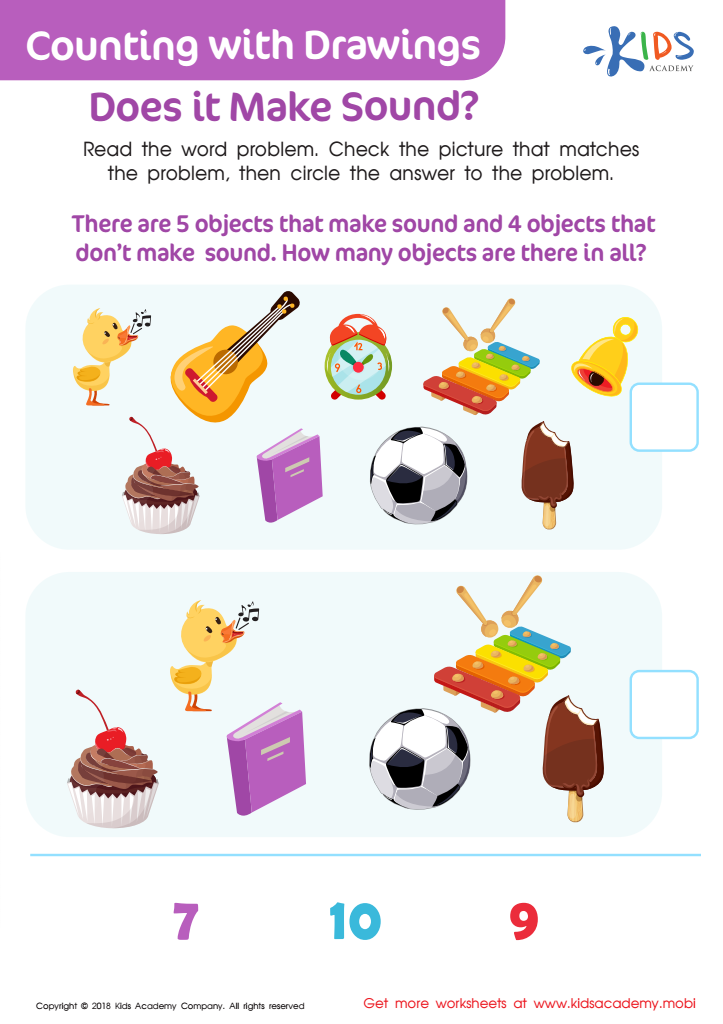
Counting With Drawings. Does It Make Sound? Worksheet
Introduce word problems with this simple worksheet. Ask your students to name the objects pictured, then read the word problem and ask them to circle the answer. With practice, it'll help them scale this challenging area of math.
 Assign to My Students
Counting With Drawings. Does It Make Sound? Worksheet
Worksheet
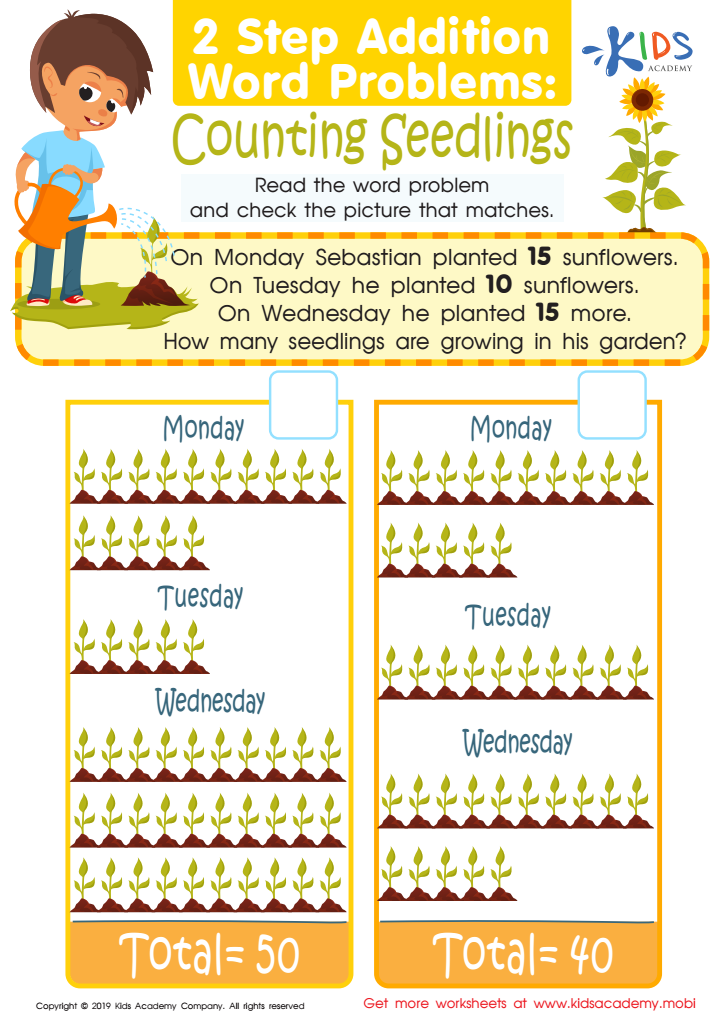
Counting Seedlings Worksheet
Understanding math word problems is key. Multiple steps can prove challenging - this free worksheet provides one-to-one picture representation to help kids solve multi-step addition word problems. Strengthen addition skills by choosing the matching picture to the answer.
Counting Seedlings Worksheet
Worksheet
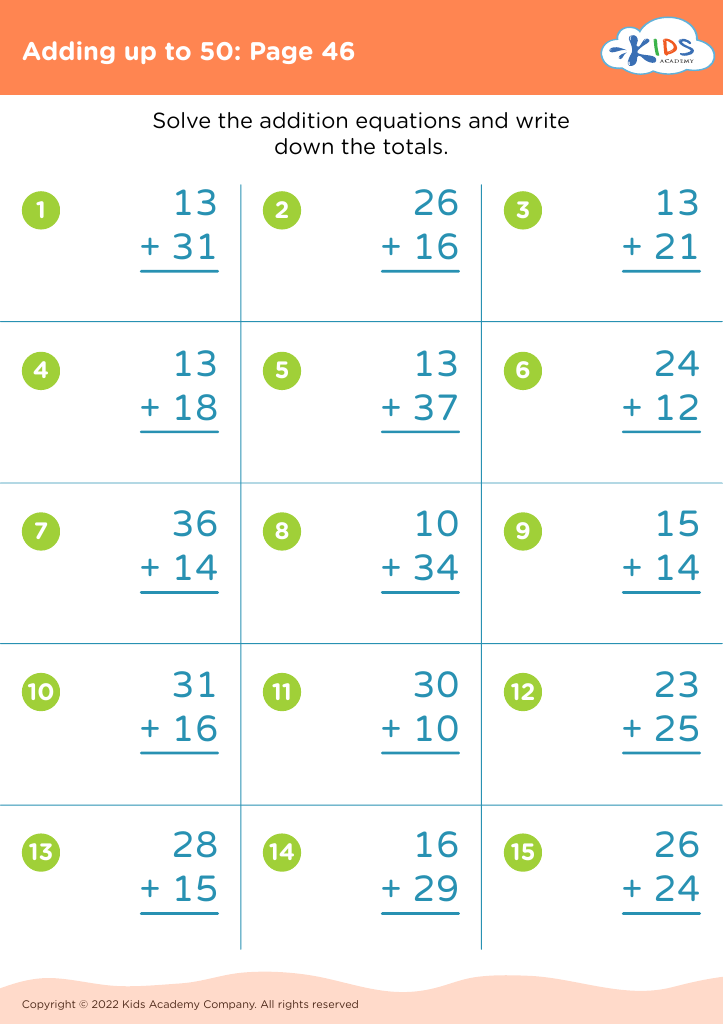
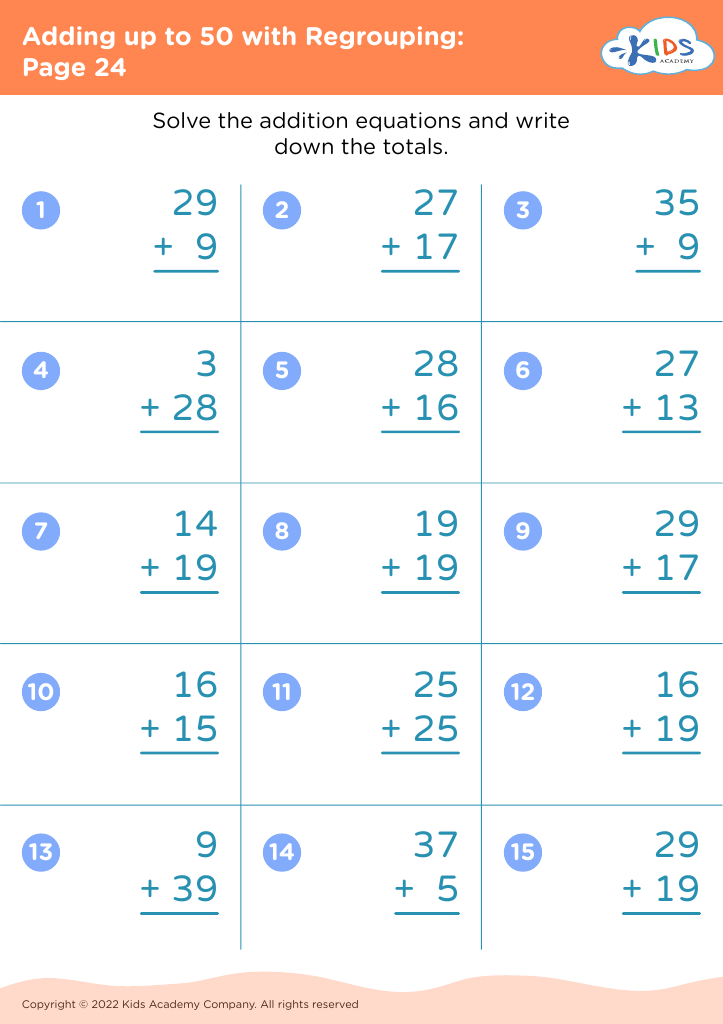
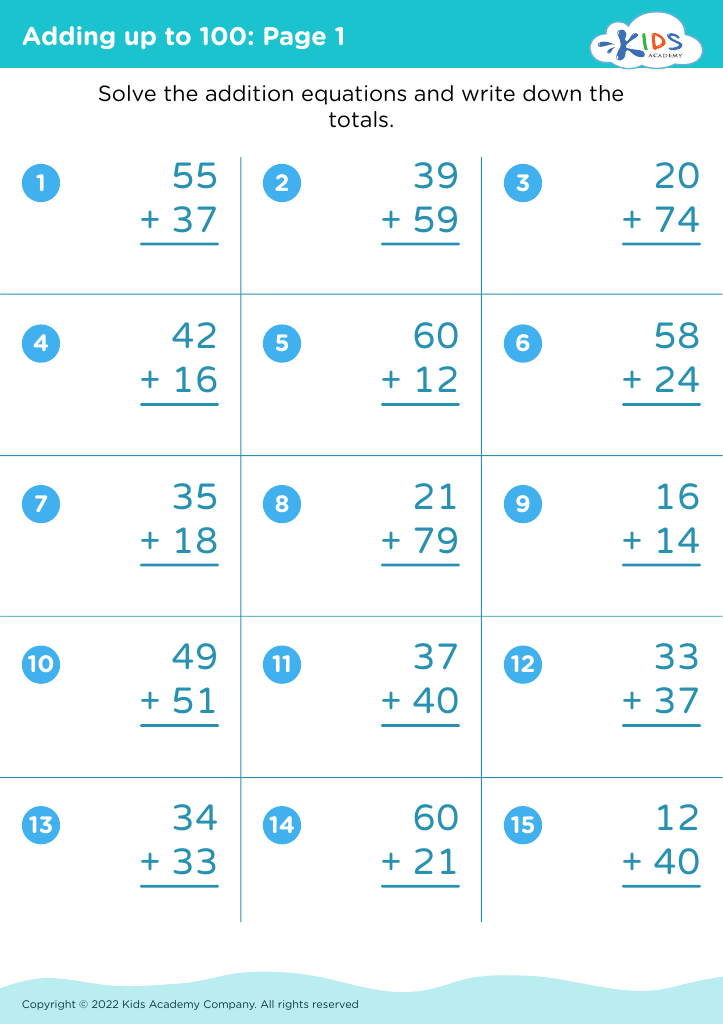
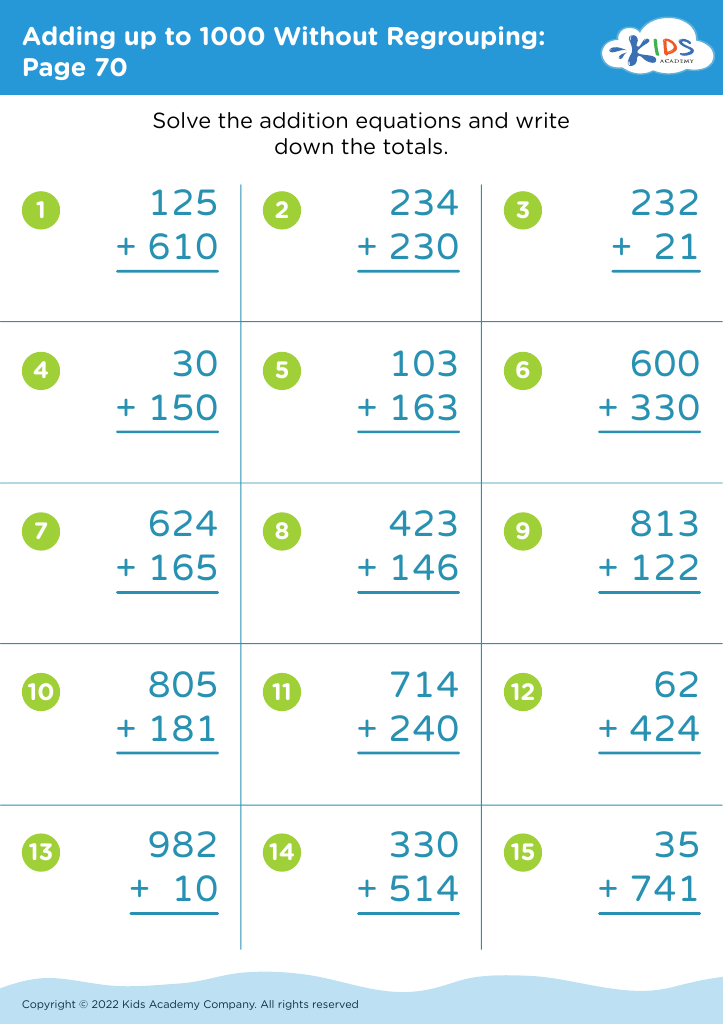
Join Kids Academy for Free
Who is primarily going to use this learning content?








Understanding quantity at ages 8-9 is essential for several key reasons. Firstly, it underpins many aspects of early mathematical development. At this age, children transition from simple counting to more complex operations like addition, subtraction, and understanding place value. If they grasp these foundational concepts, they are better prepared for more advanced mathematical problem-solving later on.
Additionally, understanding quantity ties into their daily lives and practical skills. For example, managing time, understanding money, and measuring ingredients in recipes all involve quantity comprehension. Encouraging children to understand and manipulate quantities can make these everyday tasks more intuitive and less intimidating.
Furthermore, a strong grasp of quantity helps in developing cognitive skills such as logical thinking, spatial awareness, and the ability to reason. It extends beyond mathematics, aiding in scientific inquiries and experiments, where recognizing quantities and measurements is crucial.
Parents and teachers play a critical role in nurturing these skills by providing opportunities for hands-on learning and by relating mathematical concepts to real-life situations. Through encouragement and guidance, they can help children build a robust numerical foundation, promoting confidence and an enjoyment of learning that can last a lifetime. Thus, focusing on quantity comprehension not only aids academic achievement but also builds essential life skills.








