Understanding seasons Worksheets for Ages 8-9
4 filtered results
-
From - To
Explore the vibrant world of seasons with our "Understanding Seasons Worksheets" designed specifically for children aged 8-9! These engaging worksheets help young learners grasp the four distinct seasons—spring, summer, autumn, and winter—through fun activities and easy-to-understand concepts. Your child will enjoy creative tasks like seasonal matching, coloring, and writing exercises that boost their comprehension of weather patterns, seasonal changes, and related phenomena. Perfect for classroom use or at-home learning, these worksheets enhance critical thinking skills while making learning enjoyable. Spark curiosity and foster a love for nature as your child embarks on this seasonal adventure! Perfect for early education.
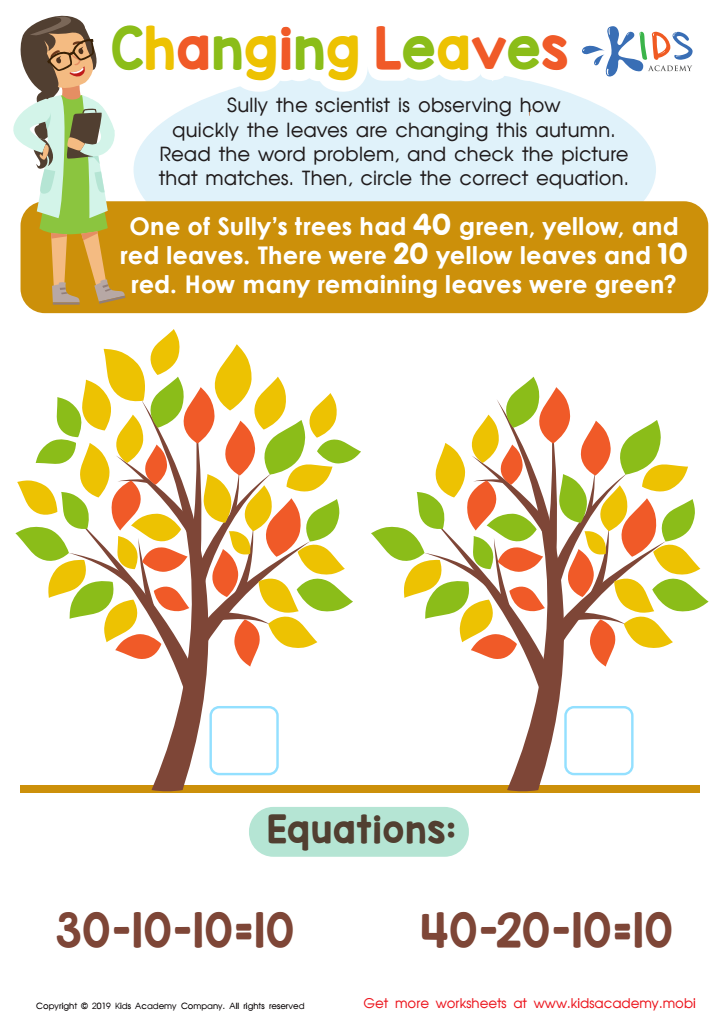
Changing Leaves Worksheet
 Assign to My Students








Understanding seasons is vital for children ages 8-9 because it connects them to the natural world and fosters a sense of curiosity and observation. At this age, children are developing cognitive skills, enhancing their critical thinking, and making sense of complex concepts. Learning about seasons helps them recognize patterns and variations in weather, plant growth, and animal behavior, promoting scientific reasoning.
Furthermore, seasonal awareness encourages environmental stewardship. By understanding how different seasons impact ecosystems, children can develop a greater respect for nature and a sense of responsibility for their surroundings. This knowledge is also essential for outdoor activities and safety, teaching kids what to expect in terms of clothing, recreation, and weather-related precautions.
Engaging with seasons opens up interdisciplinary learning opportunities as well. It connects with subjects like art, literature, mathematics, and geography, creating a richer, more engaging educational experience. Seasonal themes can also inspire creativity in projects, fostering an appreciation for cultural celebrations tied to seasonal changes.
Thus, both parents and teachers should prioritize seasonal education as it nurtures curiosity, responsibility, and a holistic understanding of the world, essential traits for a child's overall development and lifelong learning.








