Understanding sequencing Worksheets for Ages 8-9
8 filtered results
-
From - To
Unlock your child's potential with our "Understanding Sequencing Worksheets for Ages 8-9." Designed to strengthen critical thinking and foster logical reasoning, these engaging worksheets help young learners master the concept of sequencing. Through fun and educational activities, children will practice arranging events in the correct order, building strong reading comprehension and analytical skills. Perfect for the classroom or at-home practice, our sequencing worksheets not only improve cognitive development but also make learning enjoyable and interactive. Explore a wide range of printable activities that will keep your little ones motivated and excited to learn!
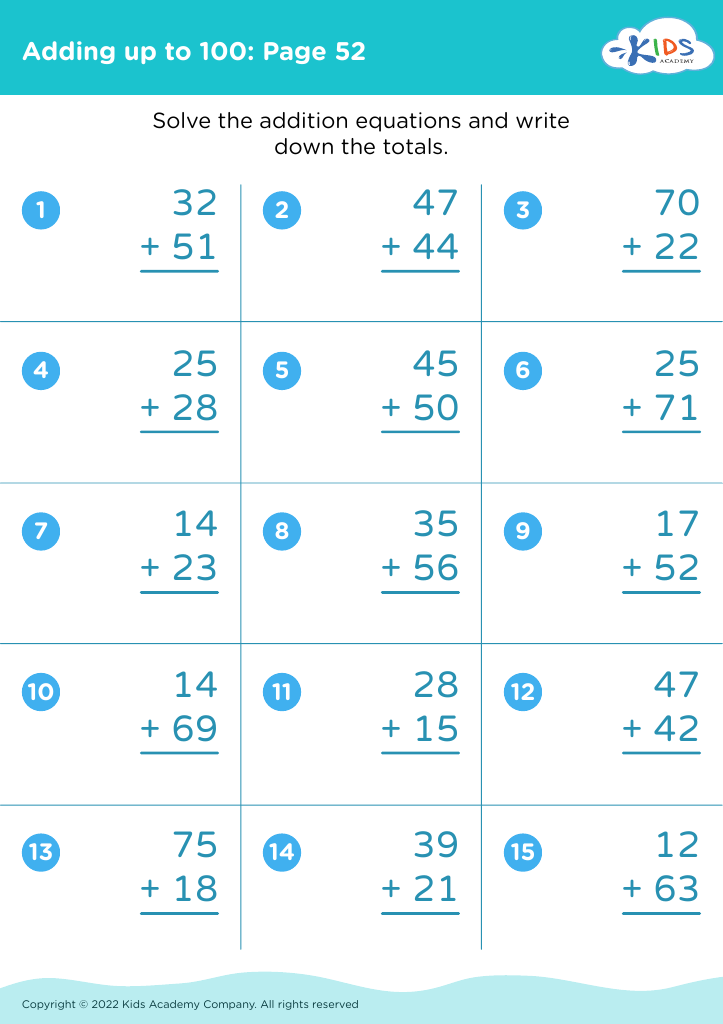
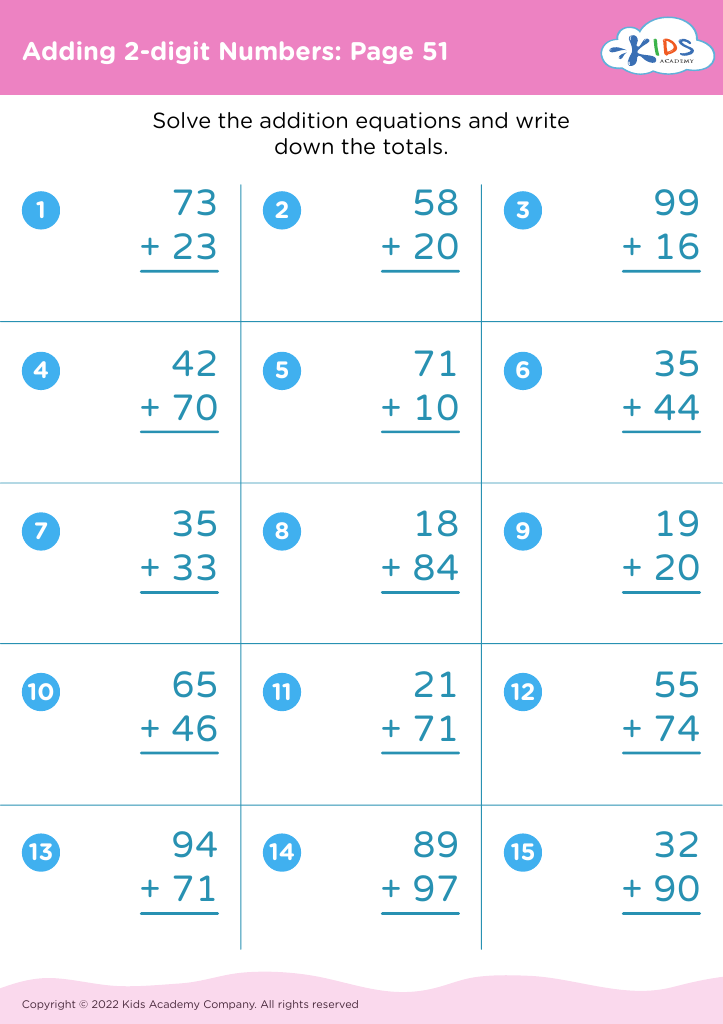
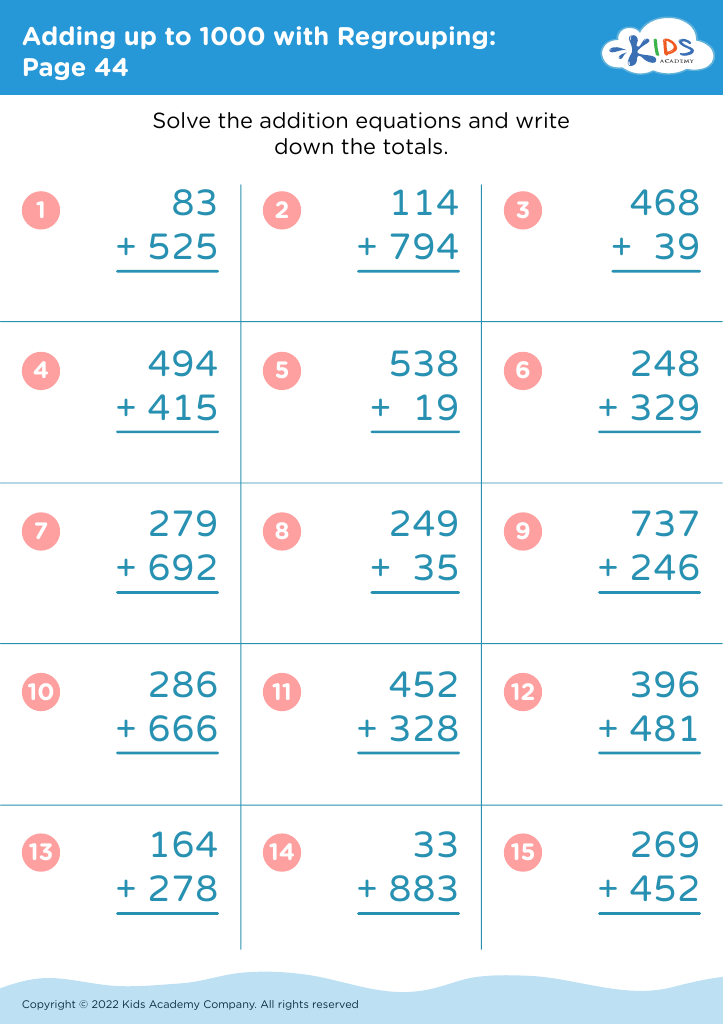
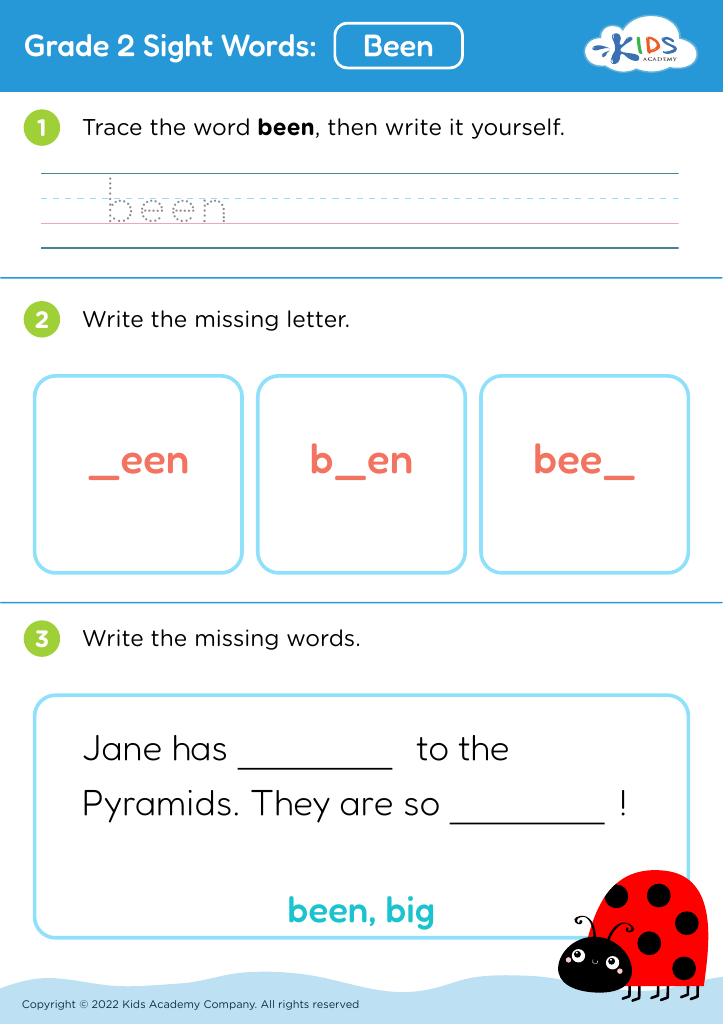






Understanding sequencing is a crucial skill for children aged 8-9 as it lays the foundation for their reading comprehension, mathematical ability, and daily functioning. Sequencing is the ability to logically order events, instructions, or steps according to time or importance, aiding children in making sense of what they learn and experience.
In reading, sequencing helps children understand the narrative arc of stories. They learn to identify the beginning, middle, and end of a text, making it easier for them to follow and remember the plot. This comprehension skill is fundamental for academic success and fosters a love for reading as children grasp and enjoy stories more fully.
In mathematics, sequencing is vital in understanding patterns, organizing data, and following multi-step problem-solving processes. These abilities are crucial as they form the basis for more advanced mathematical concepts tackled in later years.
On a practical level, sequencing impacts a child's ability to follow daily routines, complete tasks, and understand procedures. Whether it's getting ready for school, completing an assignment, or engaging socially, understanding the correct order of actions is essential.
Parents and teachers should prioritize nurturing this skill through activities like story sequencing, following recipes, or even engaging in games that require order. Doing so provides children with the tools they need to excel academically, socially, and personally.








