Visual learning reinforcement Worksheets for Ages 8-9
6 filtered results
-
From - To
Enhance your child’s learning experience with our Visual Learning Reinforcement Worksheets designed specifically for ages 8-9. These engaging and interactive printable worksheets are tailored to support various educational skills through visually stimulating activities. Our resources aid children in grasping complex concepts by making learning fun and accessible. Each worksheet is crafted to foster critical thinking, comprehension, and retention, encouraging independent exploration while aligning with educational standards. Perfect for home or classroom use, our worksheets cater to diverse learning styles, helping students thrive. Unlock your child’s potential and reinforce their knowledge with our thoughtfully designed visual learning tools today!
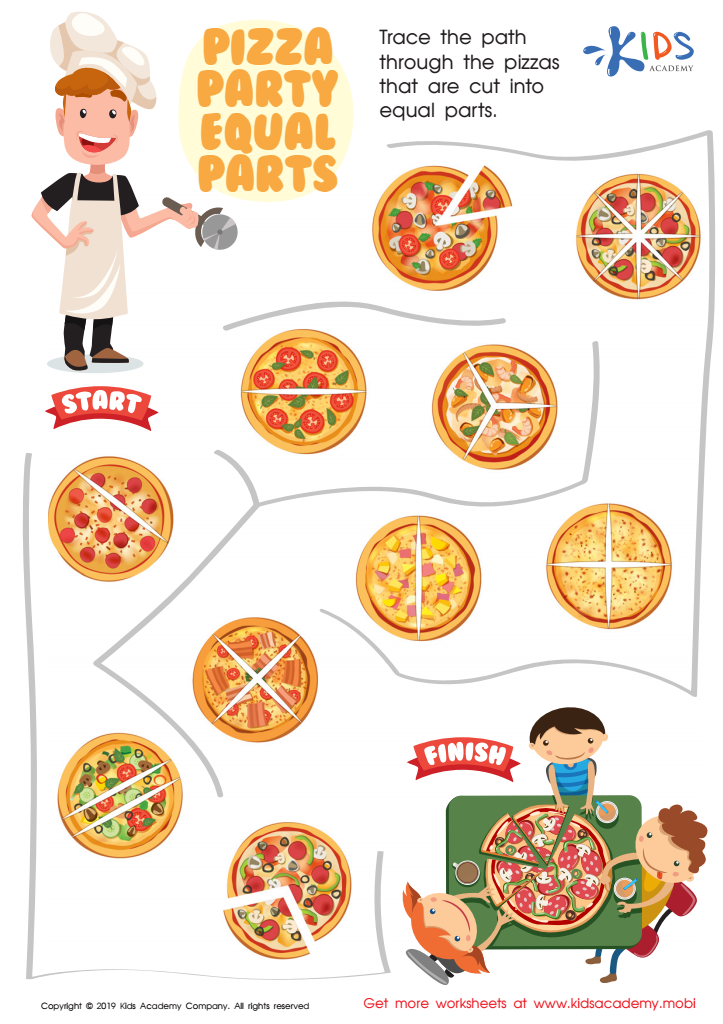
Pizza Party Equal Parts Worksheet
 Assign to My Students
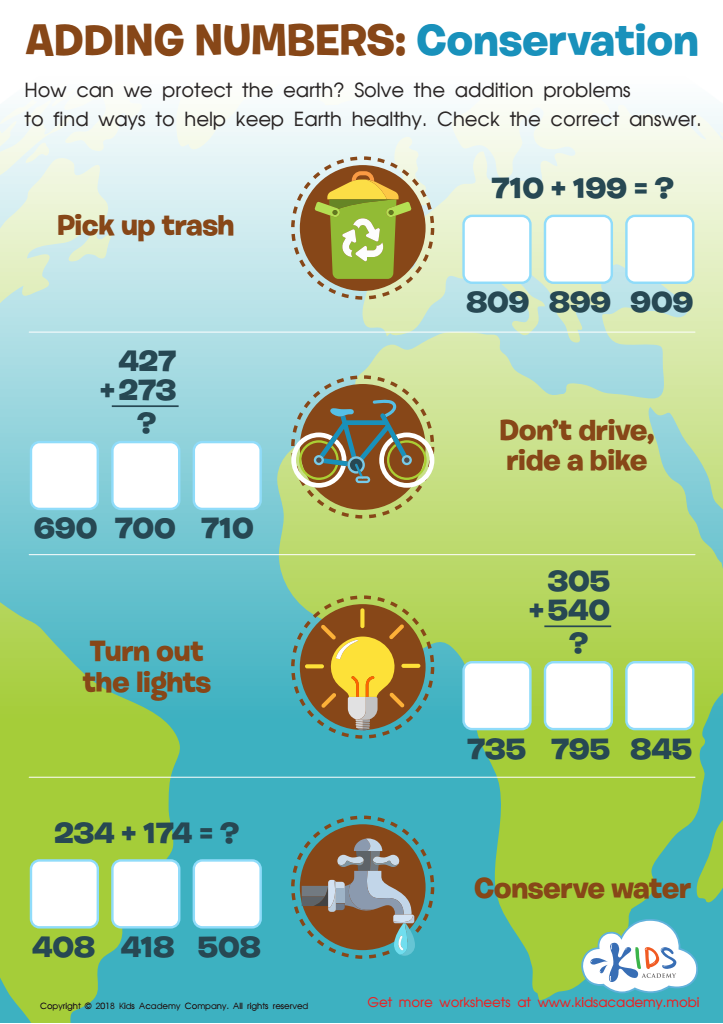
Adding Numbers: Conservation Worksheet
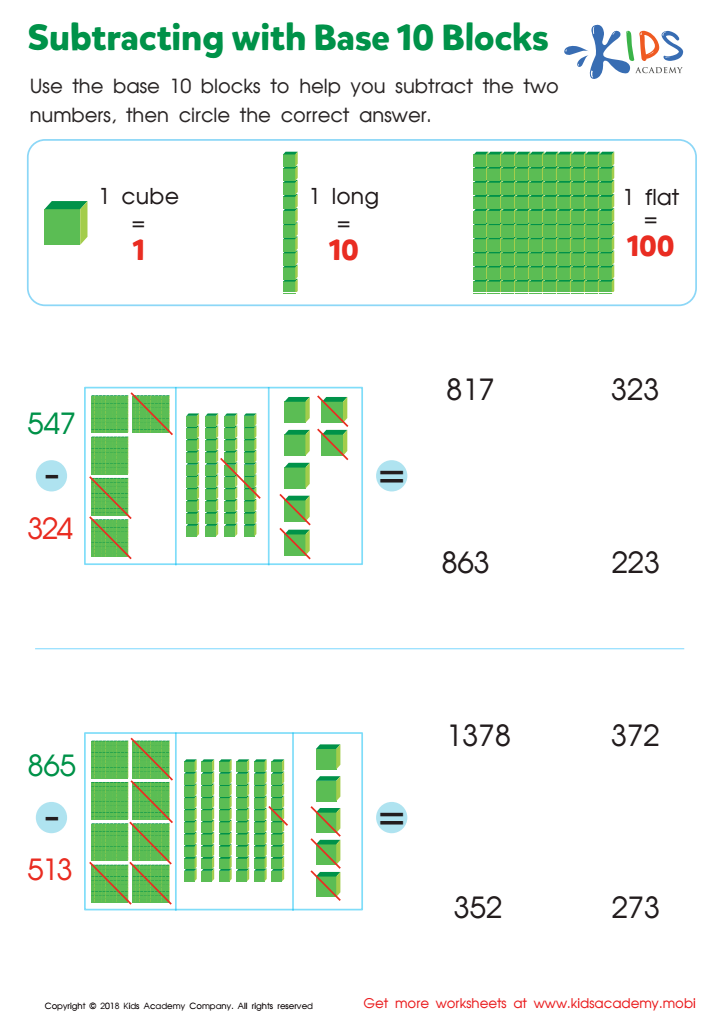
Subtracting with Base 10 Blocks Worksheet
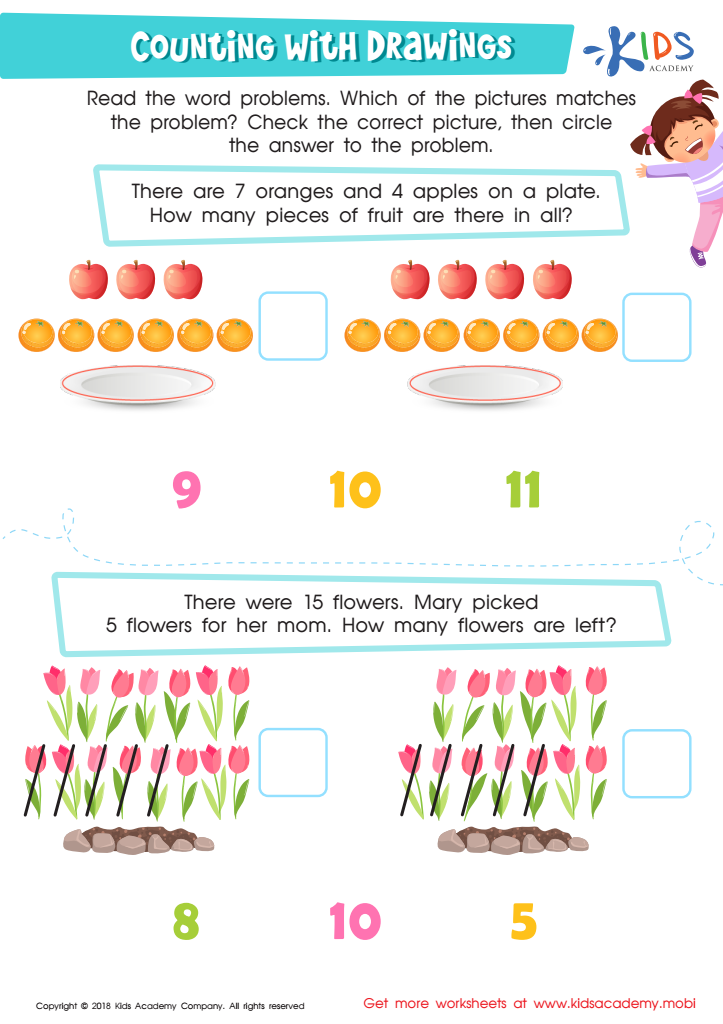
Counting with Drawings: Fruits & Chocolates Worksheet
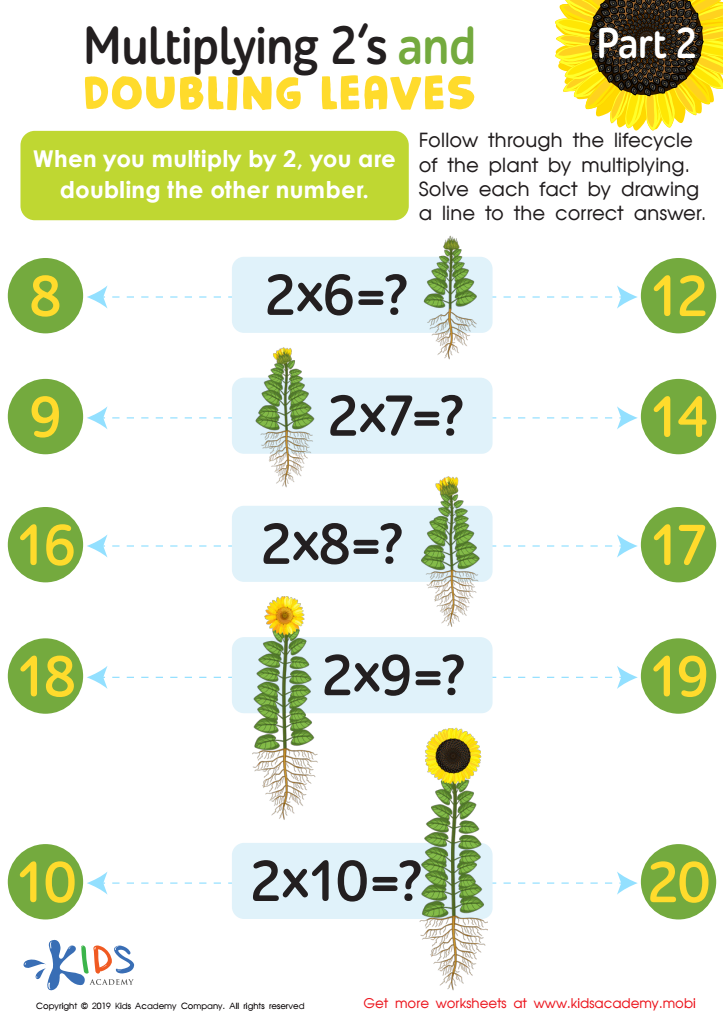
Multiplying 2’s and Doubling Leaves Part 2 Worksheet
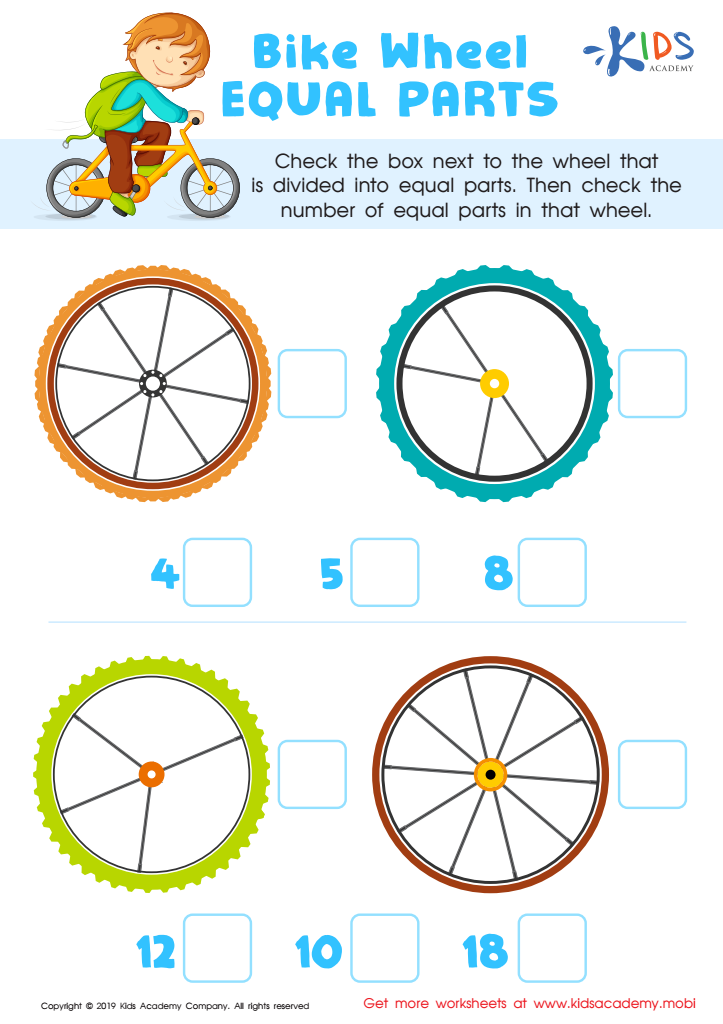
Bike Wheel Equal Parts Worksheet







Visual learning reinforcement is crucial for children ages 8-9, as it significantly enhances their understanding and retention of information. At this developmental stage, children not only build upon foundational knowledge taught in earlier years but also begin to explore more abstract concepts. By incorporating visual aids—such as charts, images, videos, and interactive activities—teachers and parents help make complex ideas more concrete and understandable.
Visual learning caters to various learning styles, allowing visual learners to thrive while also engaging other types of learners effectively. Children at this age are often curious and eager to explore; when they encounter visual stimuli, it triggers their imagination and engages their focus, making learning feel more dynamic and enjoyable.
Moreover, visual reinforcement can improve critical thinking and problem-solving skills as children analyze visual data and draw connections among concepts. Parents and teachers who value this approach can better support children's academic growth and foster a love for learning. Ultimately, prioritizing visual learning reinforcement cultivates a more inclusive and effective learning environment, enabling children to absorb information in ways that align with their natural learning dispositions.








