Fraction simplification Adding up to 100 Worksheets for Ages 8-9
22 filtered results
-
From - To
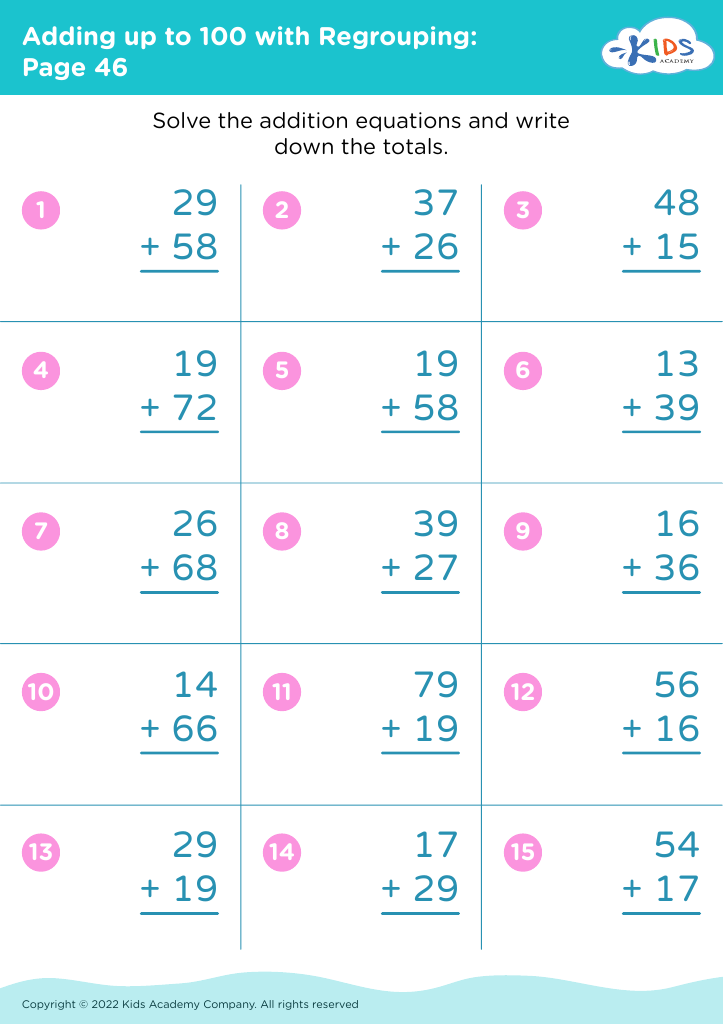
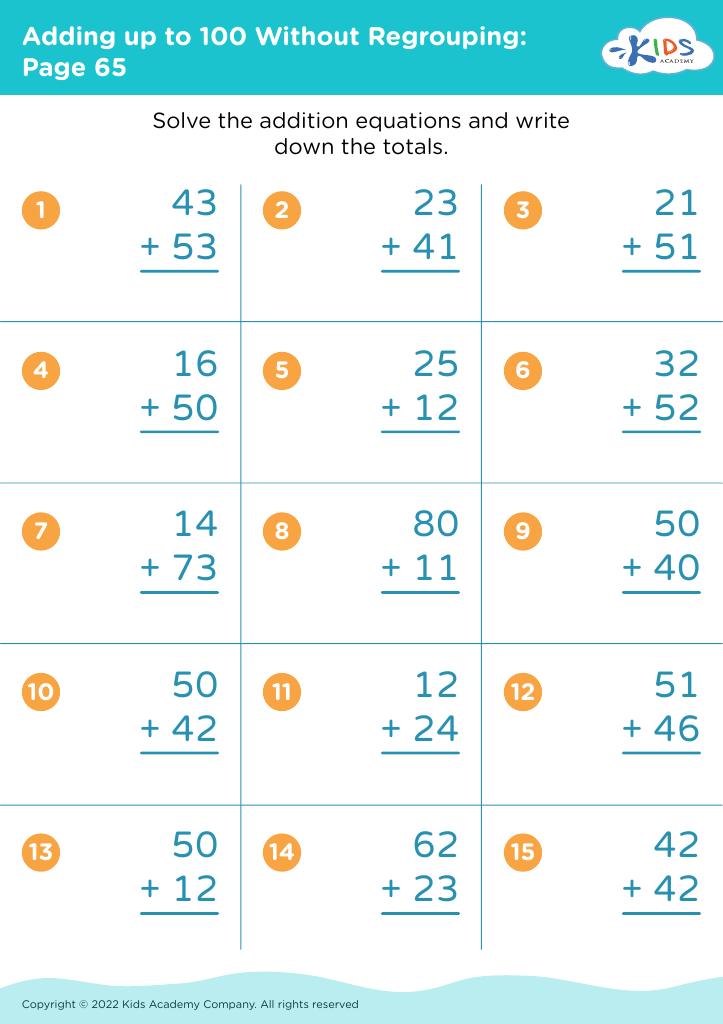
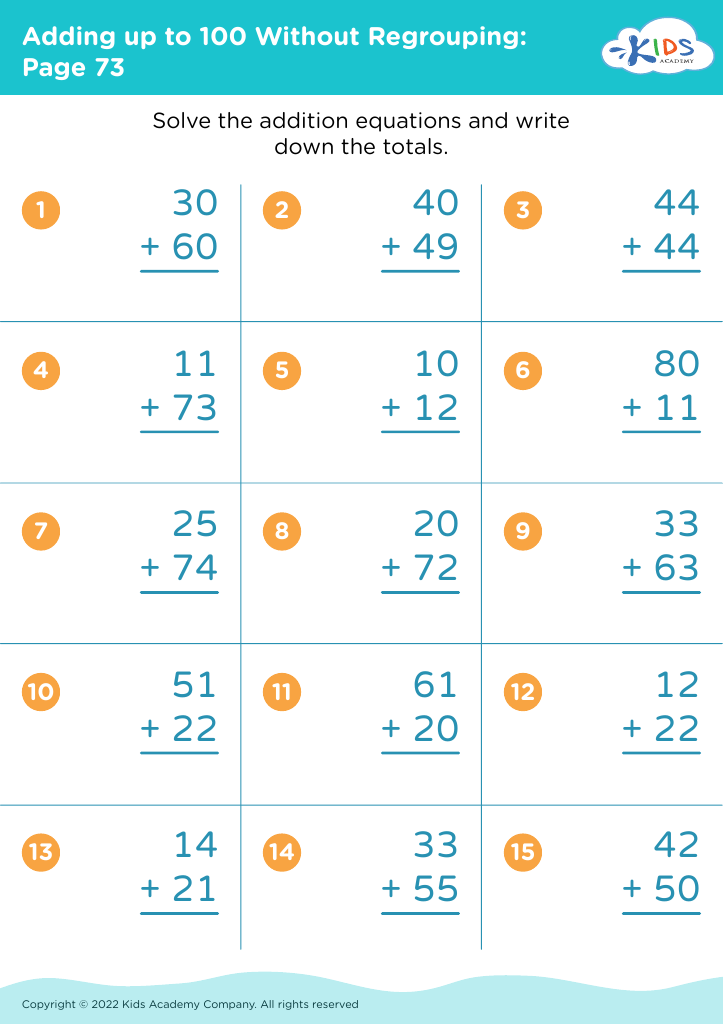
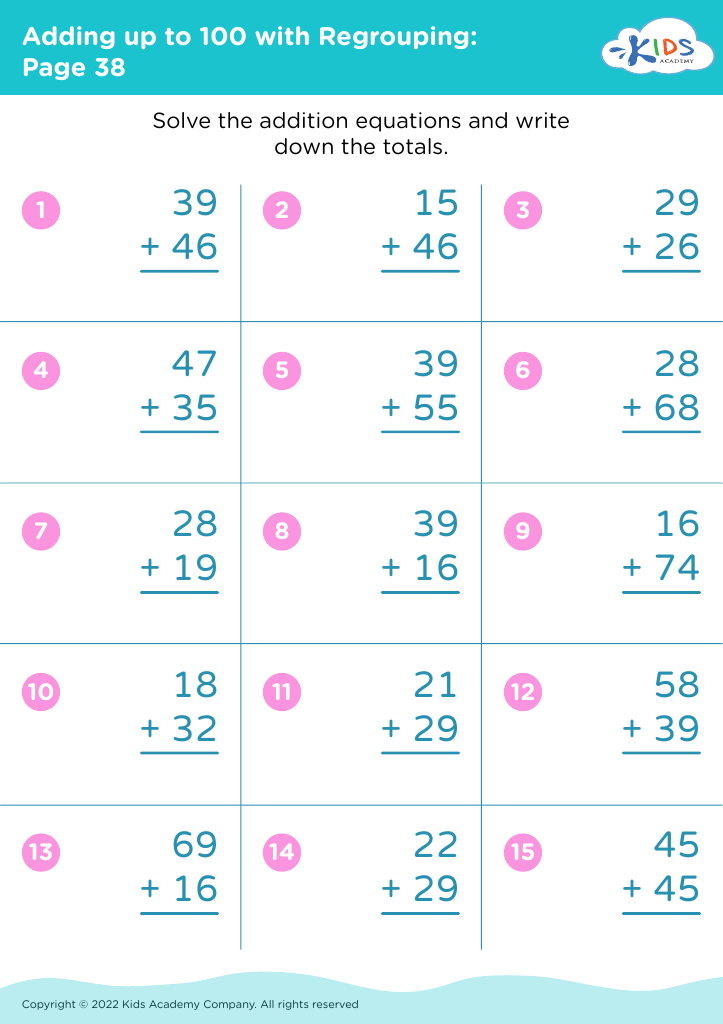
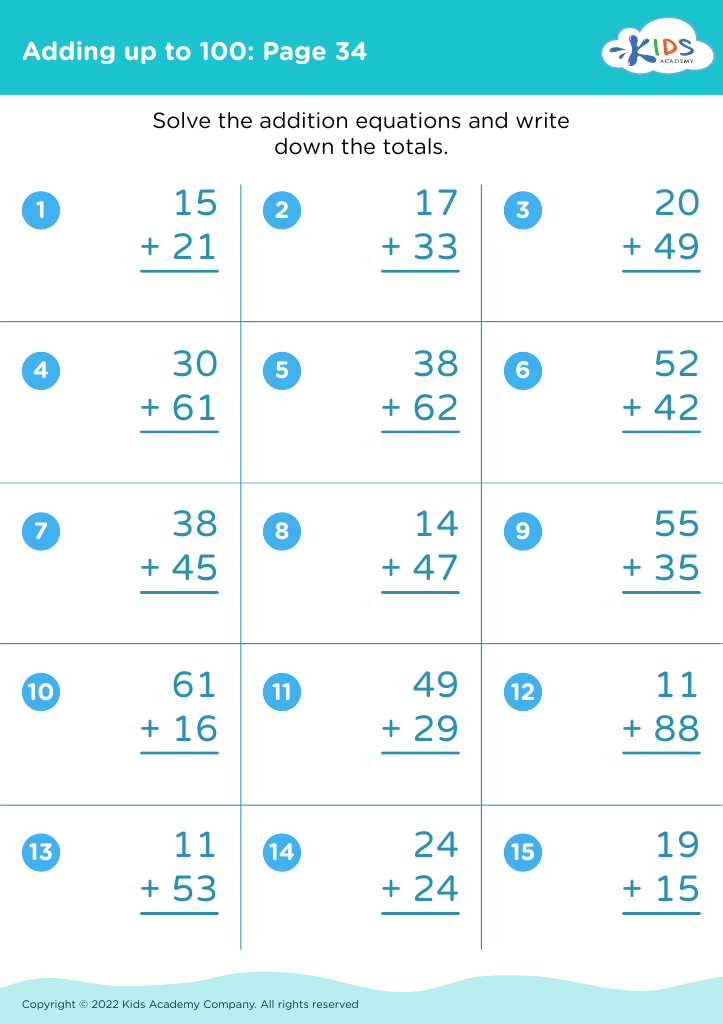
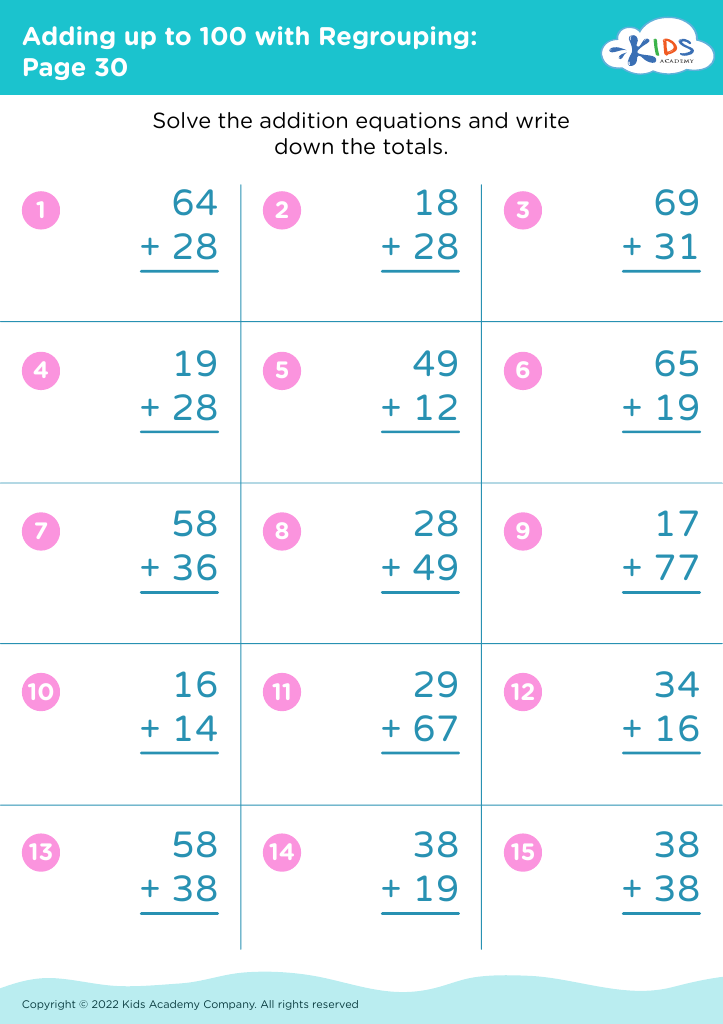
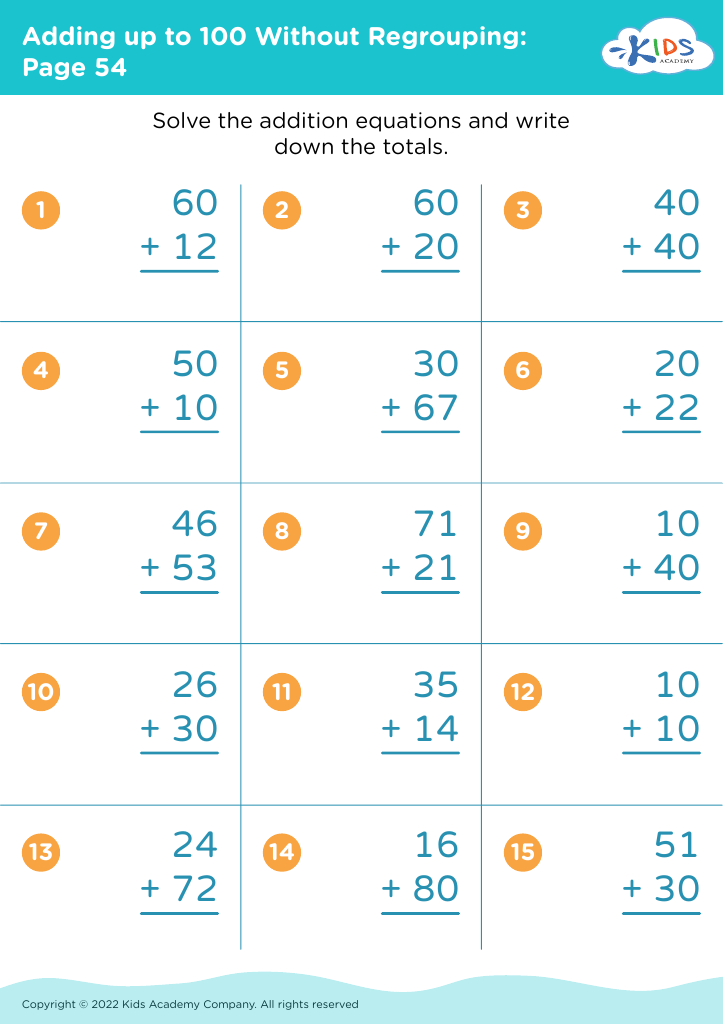
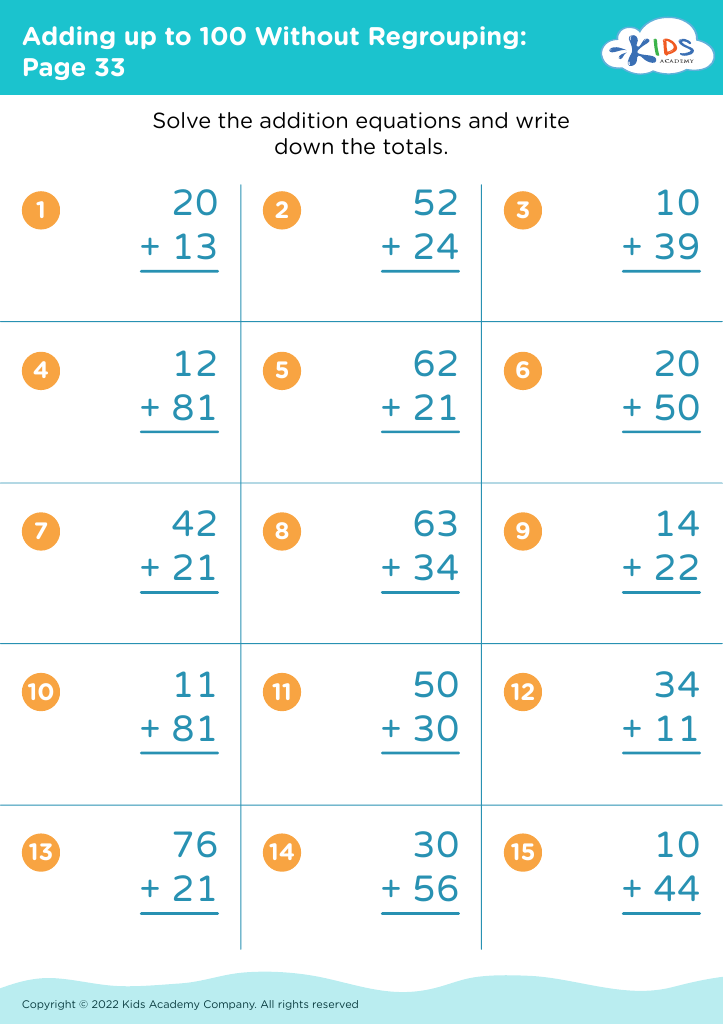
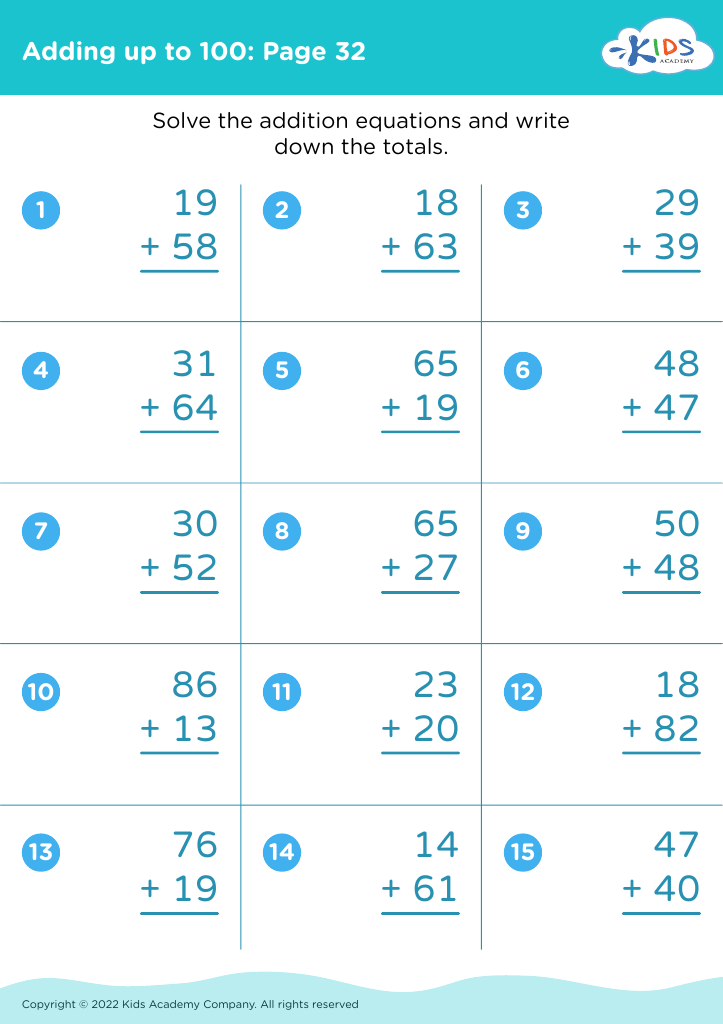
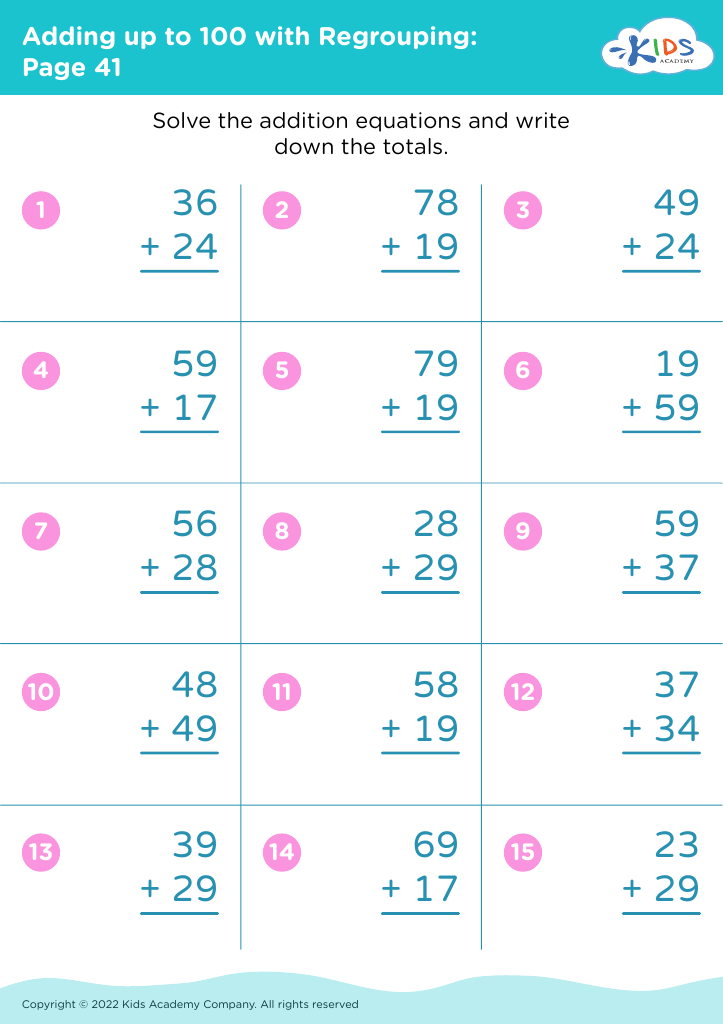
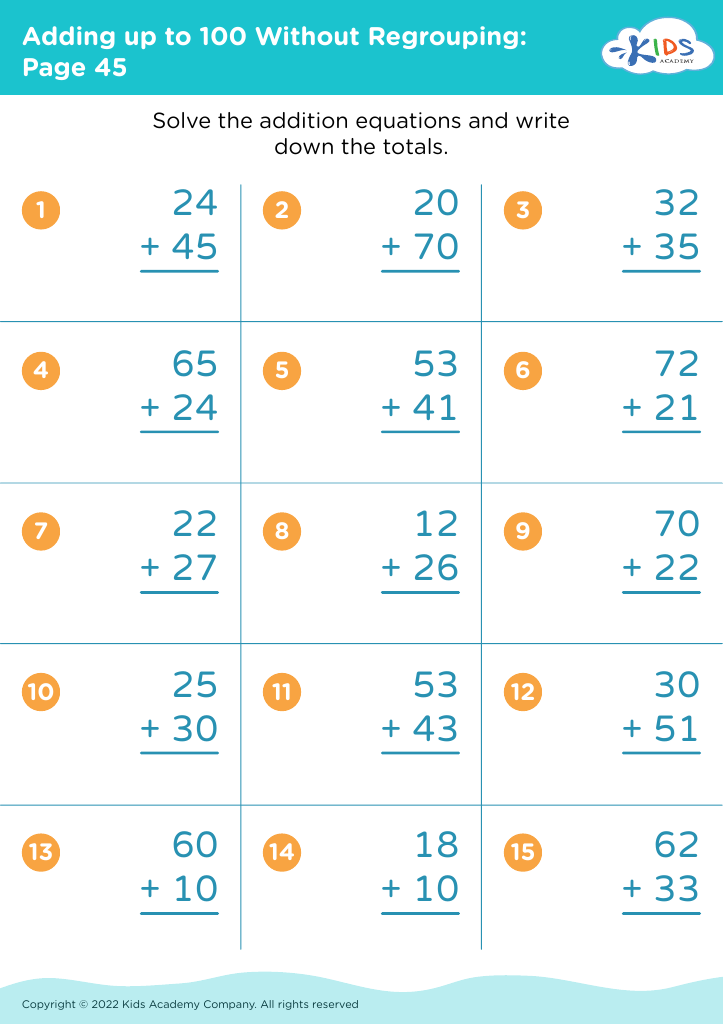
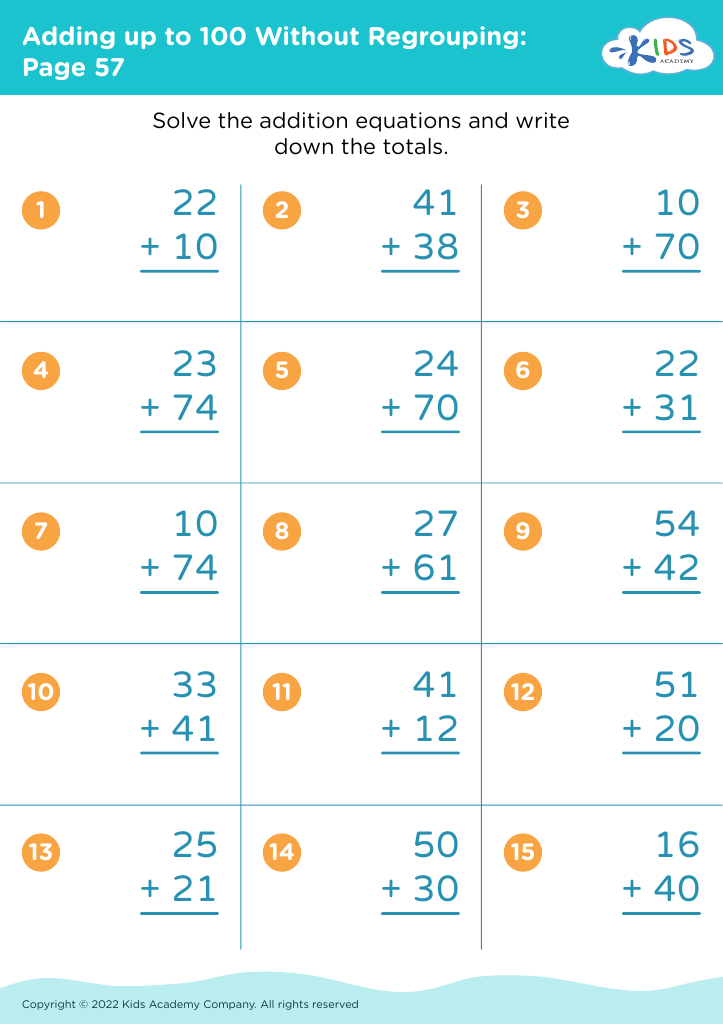
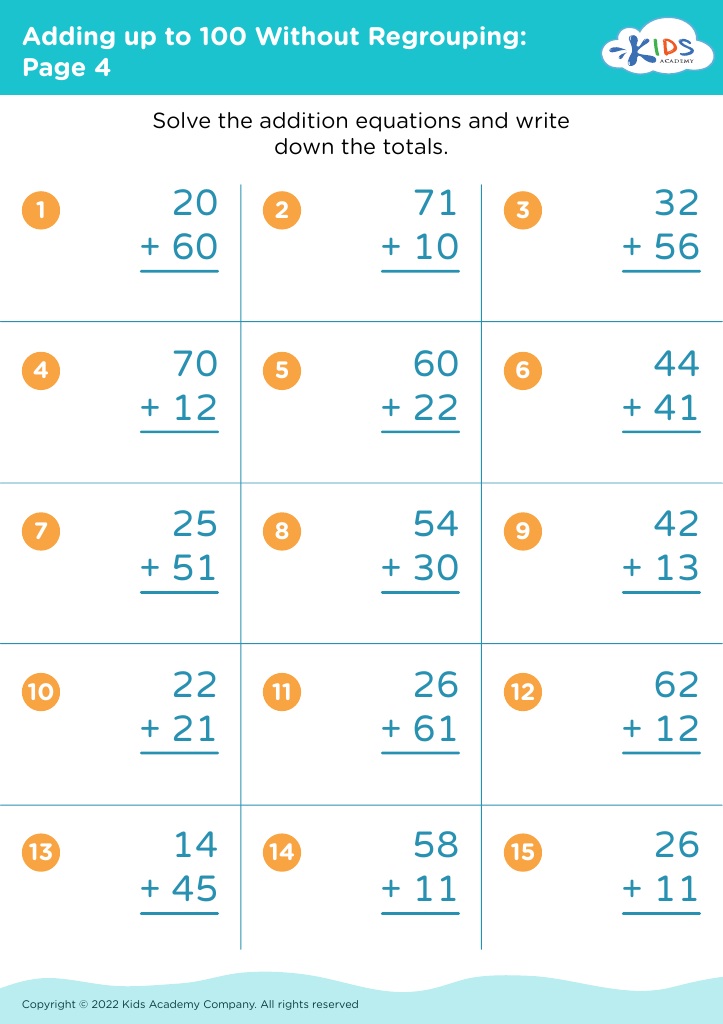
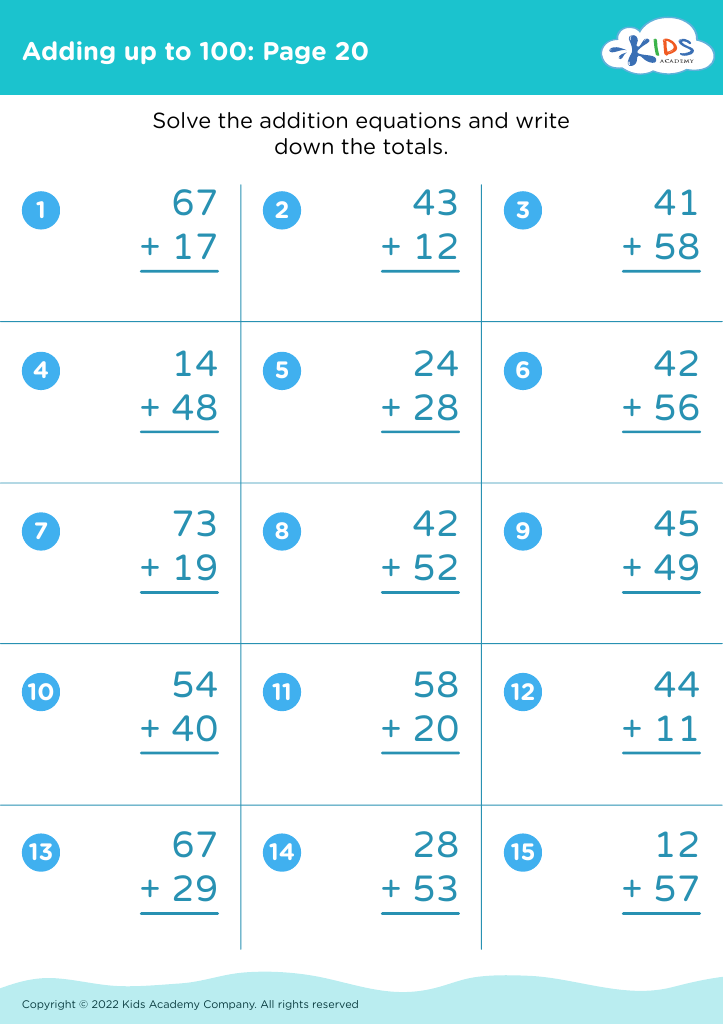
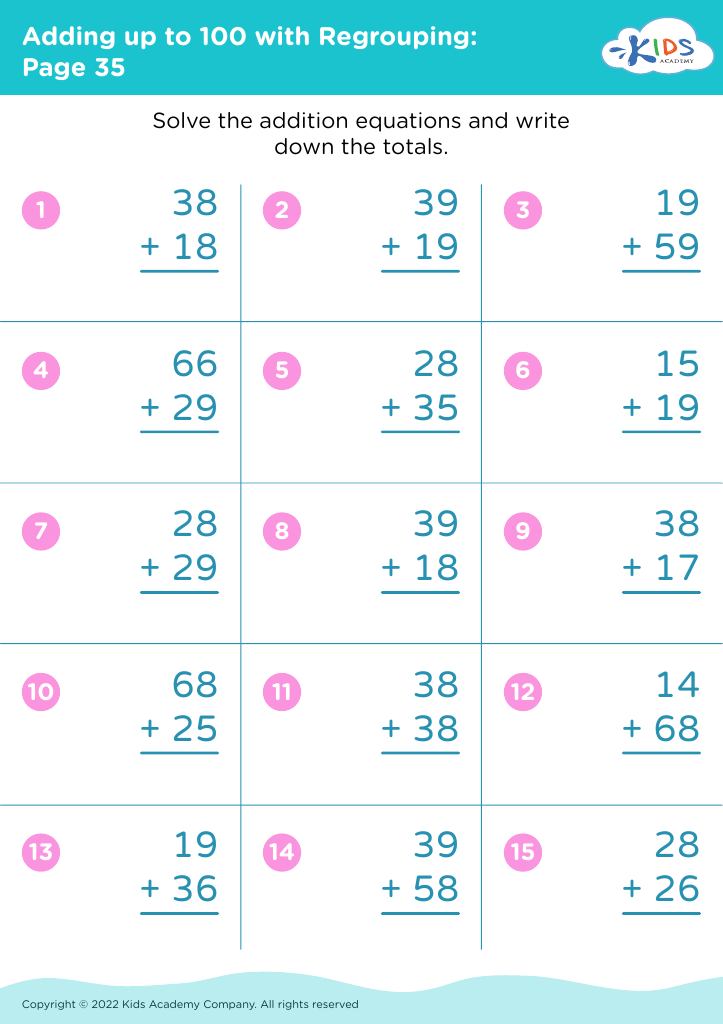
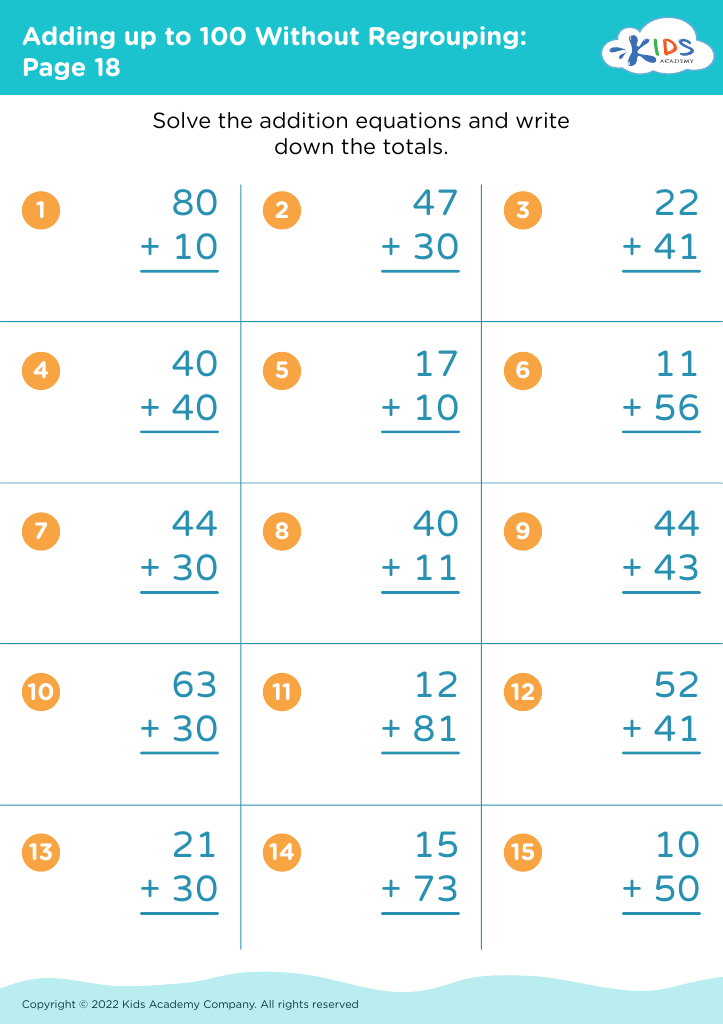
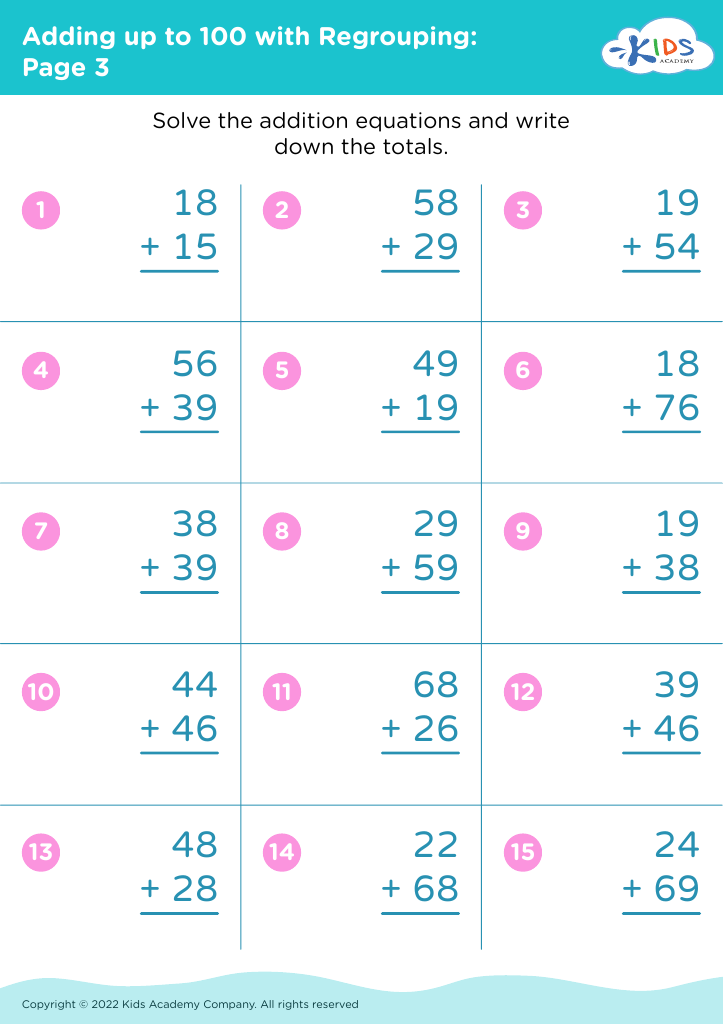
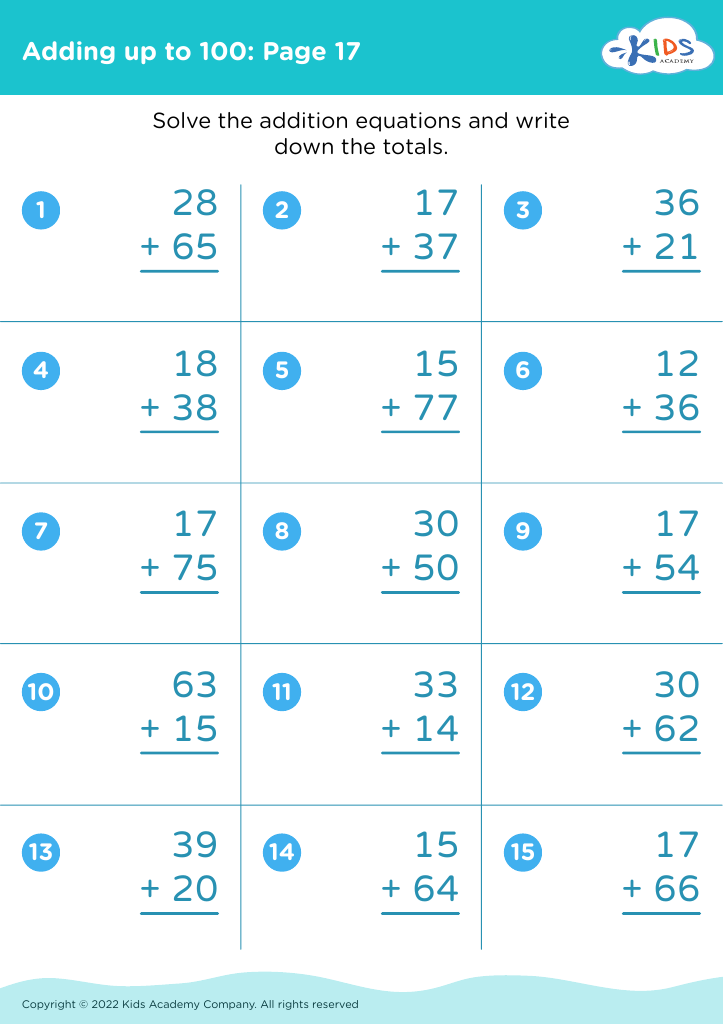
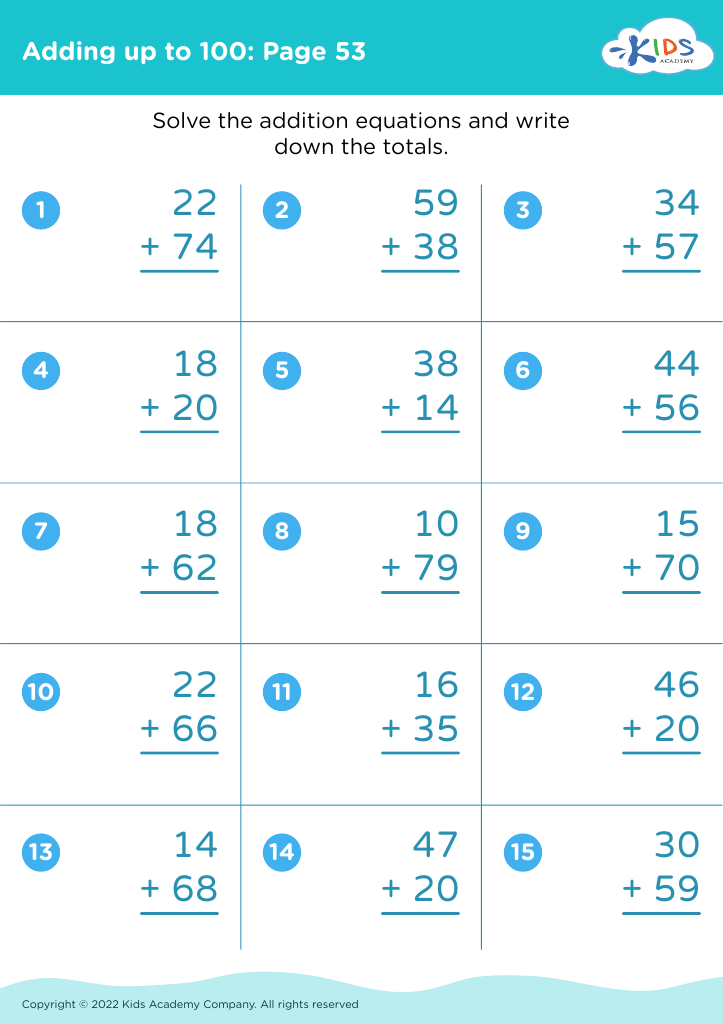
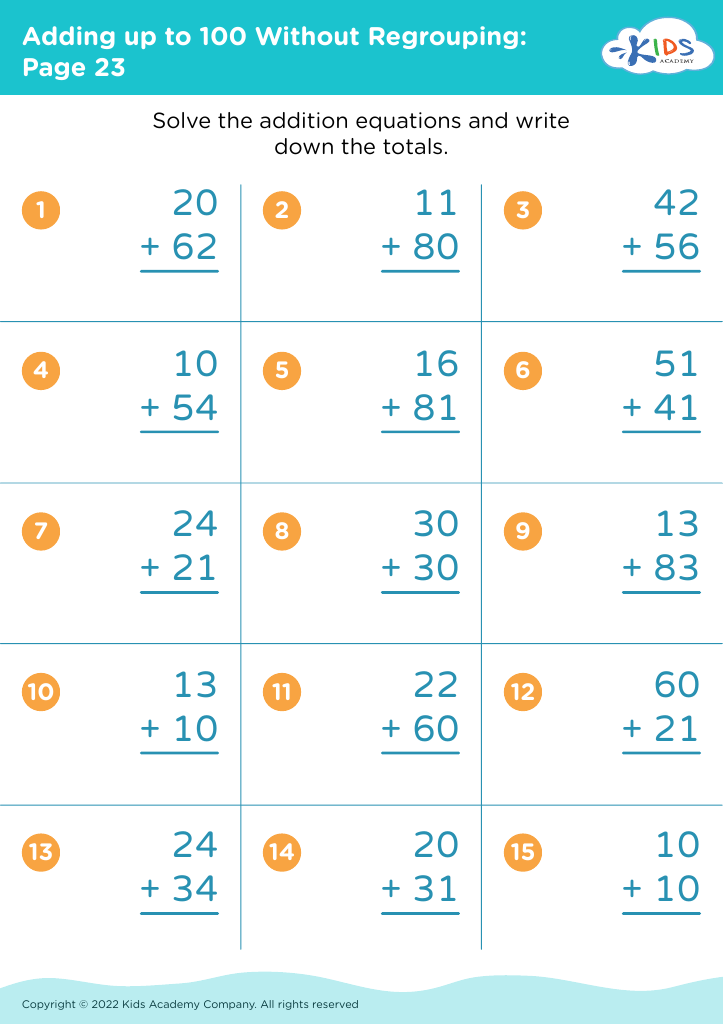
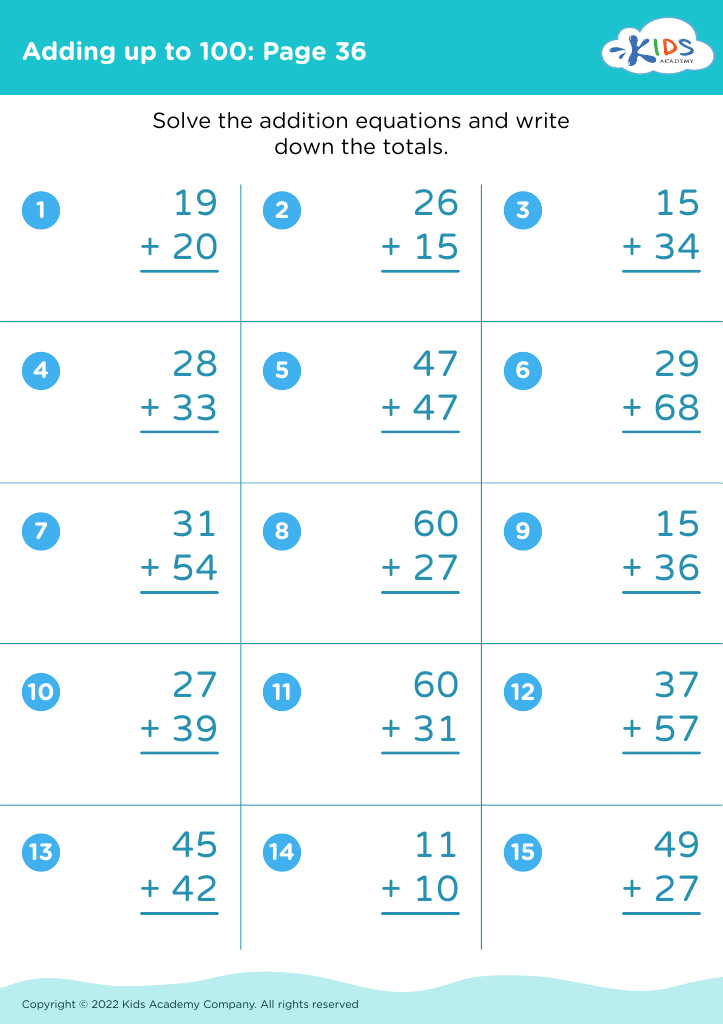
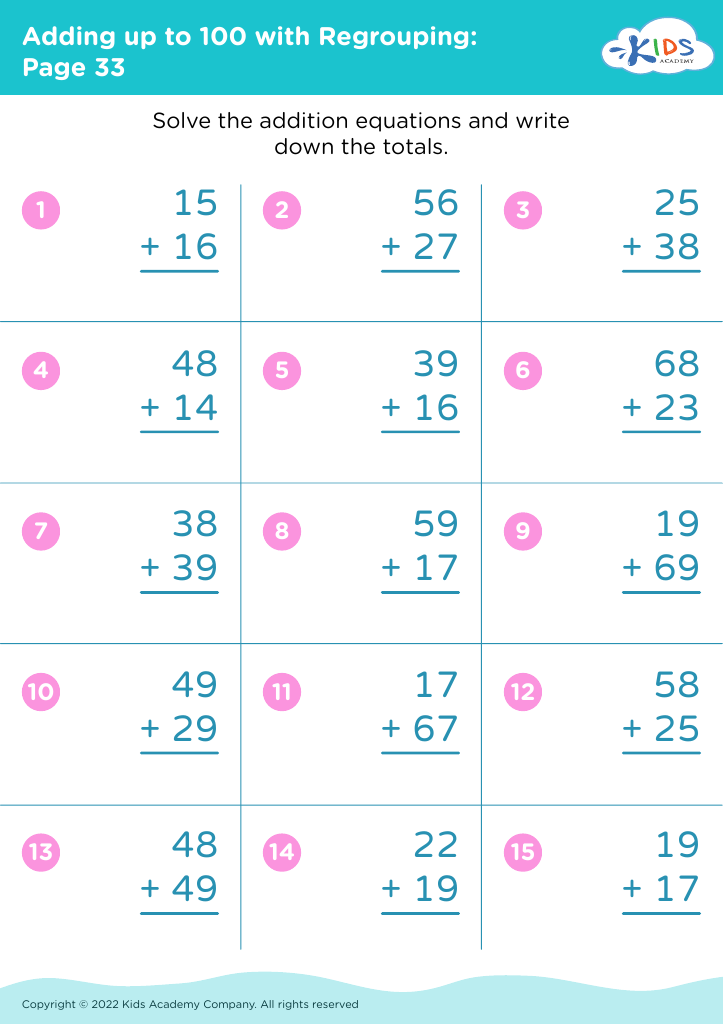
Introduce your 8-9-year-olds to fraction simplification with our engaging "Fraction Simplification Adding Up to 100" worksheets. Designed specifically for young learners, these worksheets offer a perfect balance of challenging exercises and fun activities to simplify fractions seamlessly. By integrating sums up to 100, these printable worksheets not only solidify basic math skills but also promote critical thinking and problem-solving abilities. Ideal for both classroom and at-home practice, these resources are crafted to help kids grasp essential arithmetic concepts with ease and confidence. Unlock your child’s potential with our expertly designed fraction simplification worksheets today!



%20(1).jpg)



At ages 8-9, understanding fraction simplification adding up to 100 is crucial for several reasons. Firstly, it lays a strong foundation for mathematical competence. Simplifying fractions ensures children grasp the concept of equivalence—a core idea that builds the basis for more advanced topics in mathematics like ratios, proportions, and algebraic reasoning.
Engaging in activities that add fractions and understand their summation to 100 also strengthens their arithmetic skills and enhances mental math capabilities. Children begin to recognize patterns, understand part-whole relationships, and enhance problem-solving skills. Such practices also drive home the concept of 100—a number that is pivotal in percentage-based calculations and real-world applications like time management and budgeting.
Moreover, mastering these skills increases confidence. When parents and teachers focus on these areas, children are more likely to develop a positive attitude towards math, fostering a growth mindset. Additionally, these skills are transferable across subjects, aiding in science experiments, cooking, or even sports statistics, making learning an integral part of everyday life.
Therefore, dedicating time and attention to fraction simplification and adding up to 100 during early ages provides both immediate educational benefits and long-term academic advantages, setting children up for continued success in their educational journeys.








